Recipe postcard
Portugal – The Rustic Culinary Heritage of AlentejoPortugal's Alentejo region stretches across the country's sun-drenched south, where rolling plains, olive groves and traditional villages have shaped a cuisine rooted in simplicity and resourcefulness. Bread, olive oil, garlic and fresh coriander are central to many regional dishes. Rather than relying on elaborate ingredients, Alentejan cooking transforms everyday staples into deeply comforting meals. This tradition reflects generations of rural households where wasting food was rarely an option and yesterday's bread was far too valuable to throw away.
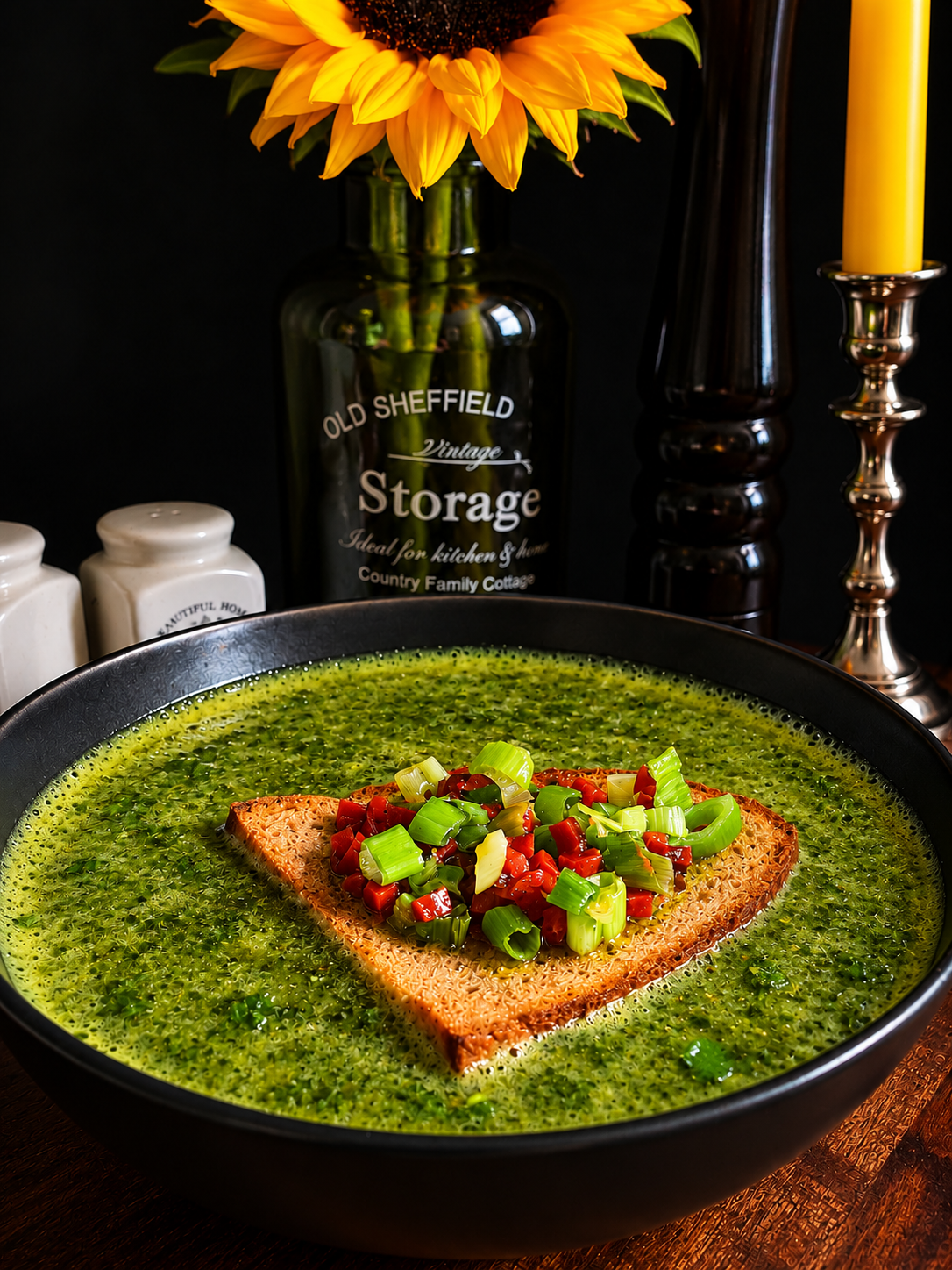
Açorda à Alentejana – A Portuguese Bread Soup with HistoryAçorda à Alentejana is one of Portugal's most distinctive traditional bread soups. Unlike thicker versions of açorda found elsewhere in the country, the Alentejan preparation typically consists of rustic bread served in a fragrant broth seasoned with garlic, coriander, olive oil and salt. A poached egg is a common traditional addition. The dish's name is often linked to Arabic culinary influences, reflecting the historical presence of Moorish culture on the Iberian Peninsula. This Via Veggie Vegan interpretation replaces the egg with smoky vegan bacon and adds fresh spring onion, while preserving the essential combination of bread, coriander, garlic and aromatic broth.
Cook this recipe →
Recipe postcard
Greece – A Mediterranean Tradition of Fresh, Simple IngredientsGreek cuisine is deeply rooted in the Mediterranean way of eating, with olive oil, vegetables, legumes, herbs and citrus fruits playing central roles. From the sun-soaked islands to the mountainous mainland, traditional Greek cooking celebrates seasonal ingredients and straightforward preparation. Chickpeas have been part of the region's food culture since ancient times and remain an important ingredient in many everyday dishes, from hearty stews to nourishing soups.
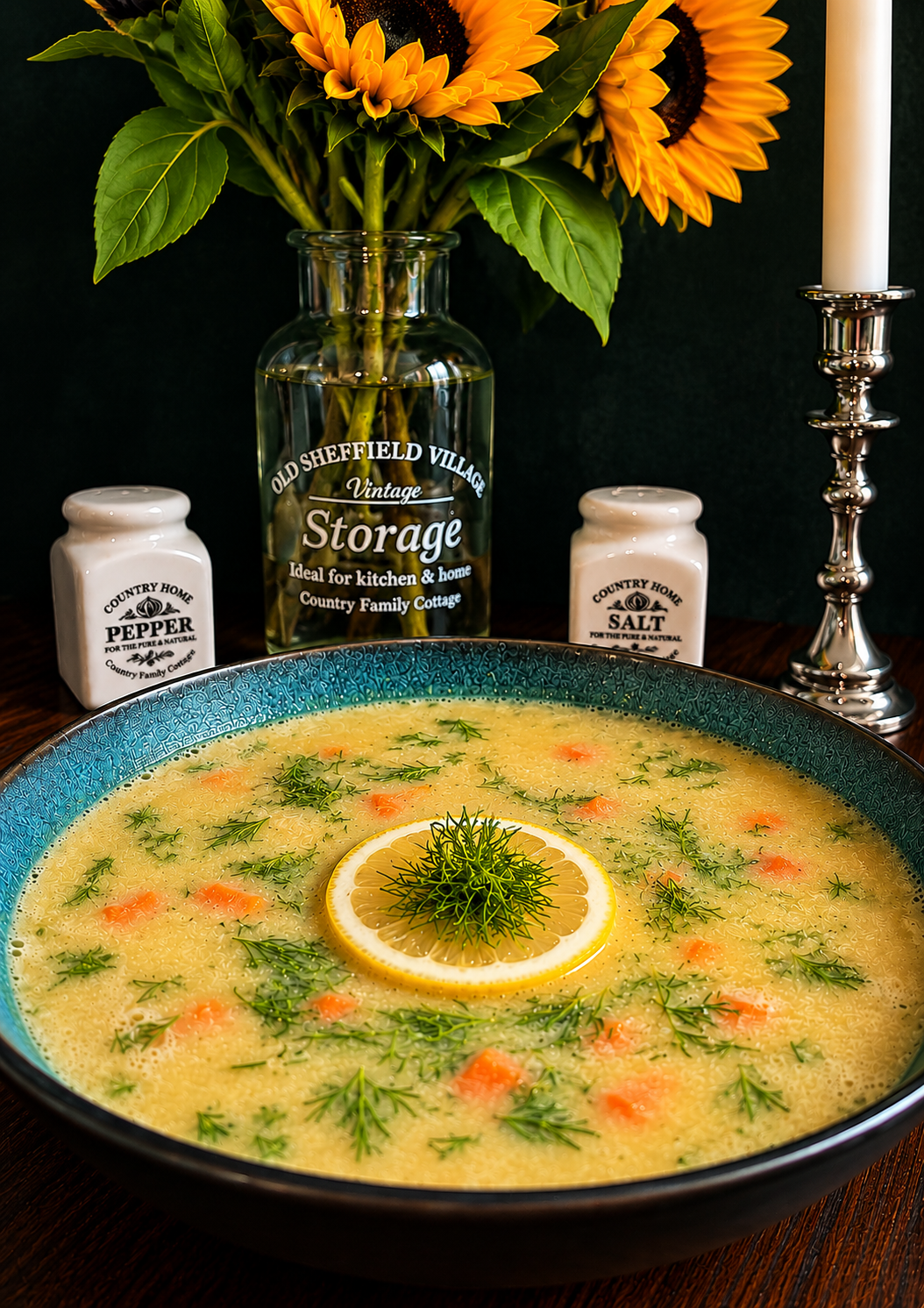
Greek Chickpea Lemon Soup – A Fresh Plant-Based InterpretationChickpea soups have a long tradition in Greece, where dishes such as revithosoupa are commonly prepared with chickpeas, olive oil, onions and lemon. This modern, plant-based interpretation combines the creamy texture of blended chickpeas with fresh lemon, carrots, oat cream and aromatic dill. The result is a comforting soup that captures the spirit of Mediterranean cooking while adding a few contemporary touches. Its balance of earthy legumes, bright citrus and fresh herbs makes it both satisfying and refreshing.
Cook this recipe →
Recipe postcard
Eritrea – A Culinary Heritage of Spices and Shared TraditionsLocated in the Horn of Africa along the Red Sea, Eritrea has a diverse culinary heritage shaped by regional traditions, agriculture and centuries of cultural exchange. Aromatic spices, lentils, vegetables and richly flavoured stews play an important role in Eritrean cooking. Many traditional dishes are served with Injera, a soft, fermented flatbread that forms the foundation of a shared meal. Berbere, a distinctive chilli-based spice blend, is one of the country's most characteristic seasonings.
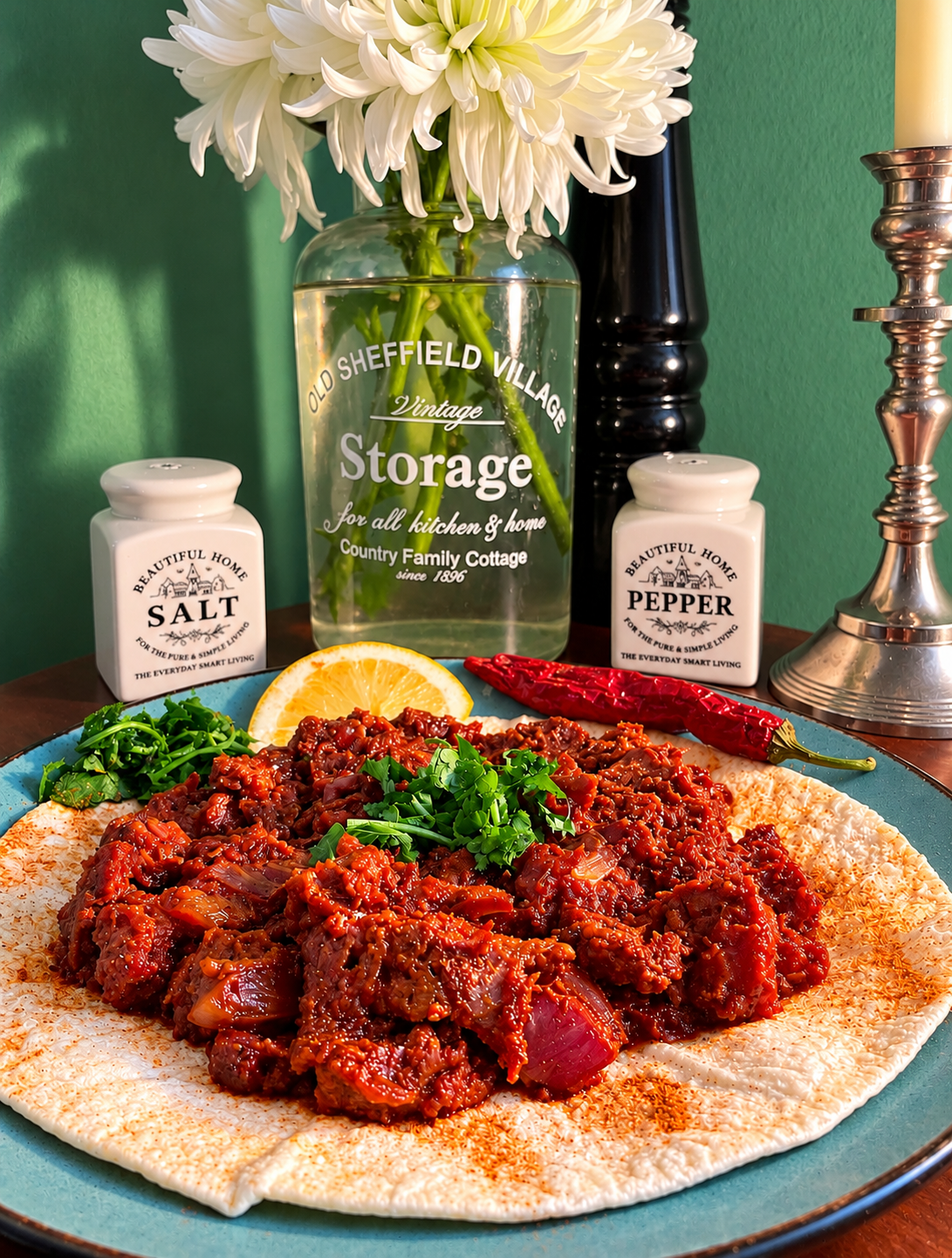
Zigni – Eritrea's Rich and Spicy Traditional StewZigni is one of Eritrea's best-known traditional dishes, typically prepared with beef simmered in a deeply flavoured tomato and onion sauce seasoned with Berbere. The generous quantity of slowly cooked onions creates natural sweetness and richness, while the spice mixture adds warmth, heat and complexity. My Via Veggie Vegan version replaces beef with plant-based steak strips and traditional spiced butter with vegan butter. Fresh tomatoes, homemade Berbere-inspired spices, plum syrup and a small piece of dark chocolate give the sauce its own deliciously intense character.
Cook this recipe →
Recipe postcard
France – A Culinary Celebration of the SeasonsFrench cuisine has a long tradition of celebrating fresh, seasonal ingredients and regional produce. As autumn arrives, walnuts, root vegetables, lentils and warming, earthy flavours take centre stage. From countryside kitchens to neighbourhood bistros, simple salads made with pulses, vegetables and aromatic vinaigrettes reflect the French appreciation for quality ingredients and thoughtful preparation.
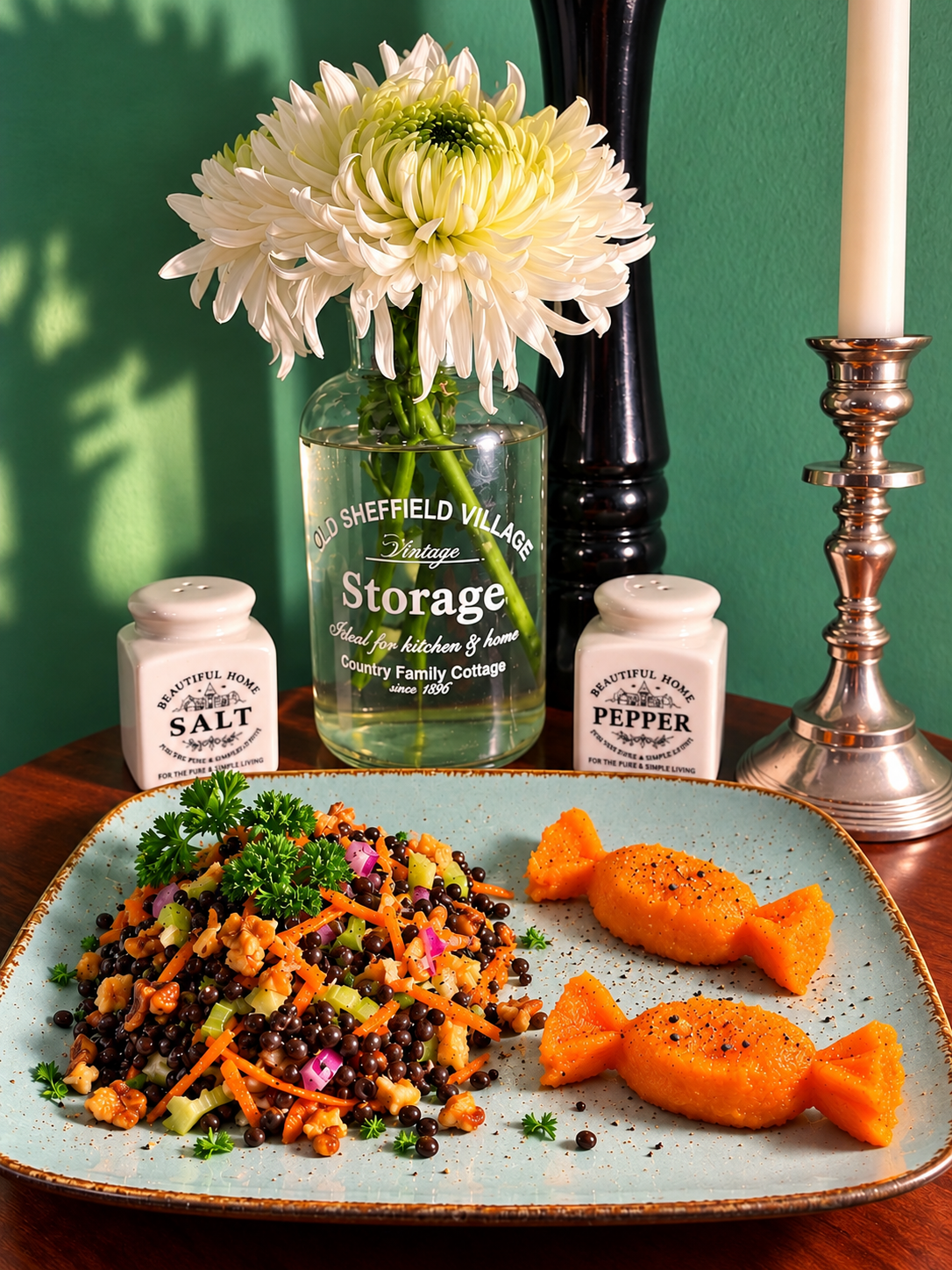
Salade d’Automne aux Lentilles et Noix – A French Autumn ClassicFrench lentil salads are traditionally prepared with firm, flavourful lentils, often the famous green Lentilles Vertes du Puy, and dressed with mustard vinaigrette. This autumn-inspired interpretation uses black Beluga lentils, which retain their shape beautifully and offer a delicate, earthy flavour. Toasted walnuts, crunchy vegetables and a slightly sweet walnut oil vinaigrette create a wonderful balance of textures and seasonal aromas.
Cook this recipe →
Recipe postcard
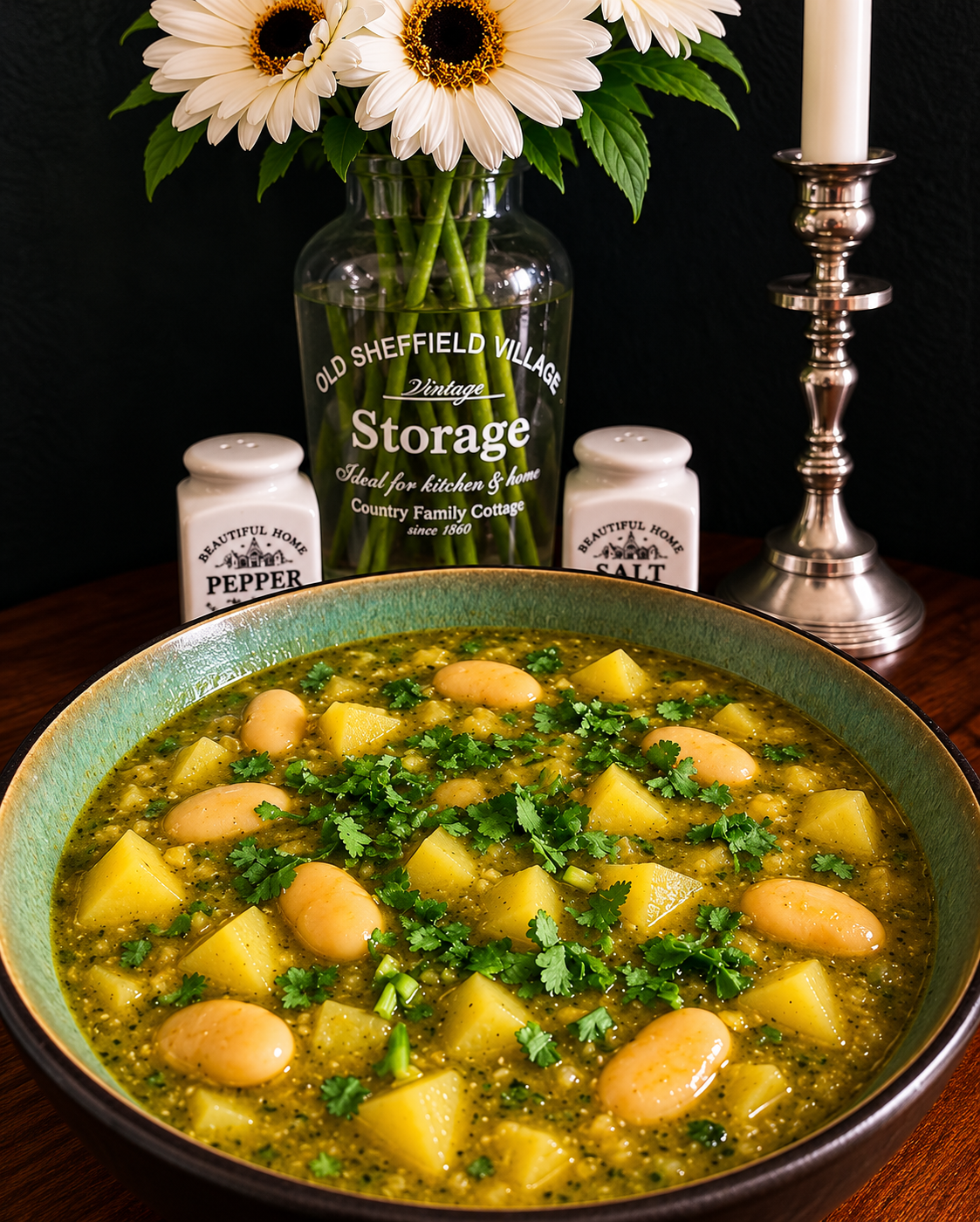
Peru – A Culinary Treasure of the Andes and Pacific CoastPeruvian cuisine is one of South America's most diverse culinary traditions, shaped by the country's Andean heritage, Pacific coastline, Amazonian biodiversity and centuries of cultural exchange. Potatoes, corn, beans, quinoa and countless varieties of chili peppers have been essential ingredients for generations. Peru is particularly famous for its extraordinary potato diversity and its distinctive ají peppers, which give many traditional dishes their characteristic flavour, colour and heat.
What Is Seco de Frijoles y Papas?Seco is a traditional herb-rich stew enjoyed in Peru and Ecuador, commonly prepared with meat and flavoured with fresh coriander, onions, garlic and chili peppers. Despite its name, which literally means "dry", seco is known for its generous, aromatic sauce. My Via Veggie Vegan interpretation replaces the meat with creamy white giant beans, tender potatoes and green peas. Homemade yellow chili paste, fresh coriander and a splash of alcohol-free lager create a wonderfully fragrant base, while plant-based cream and nutritional yeast add a personal creamy twist. Served without the traditional white rice, this is a hearty, colourful and entirely plant-based interpretation of a Peruvian classic.
Cook this recipe →
Recipe postcard
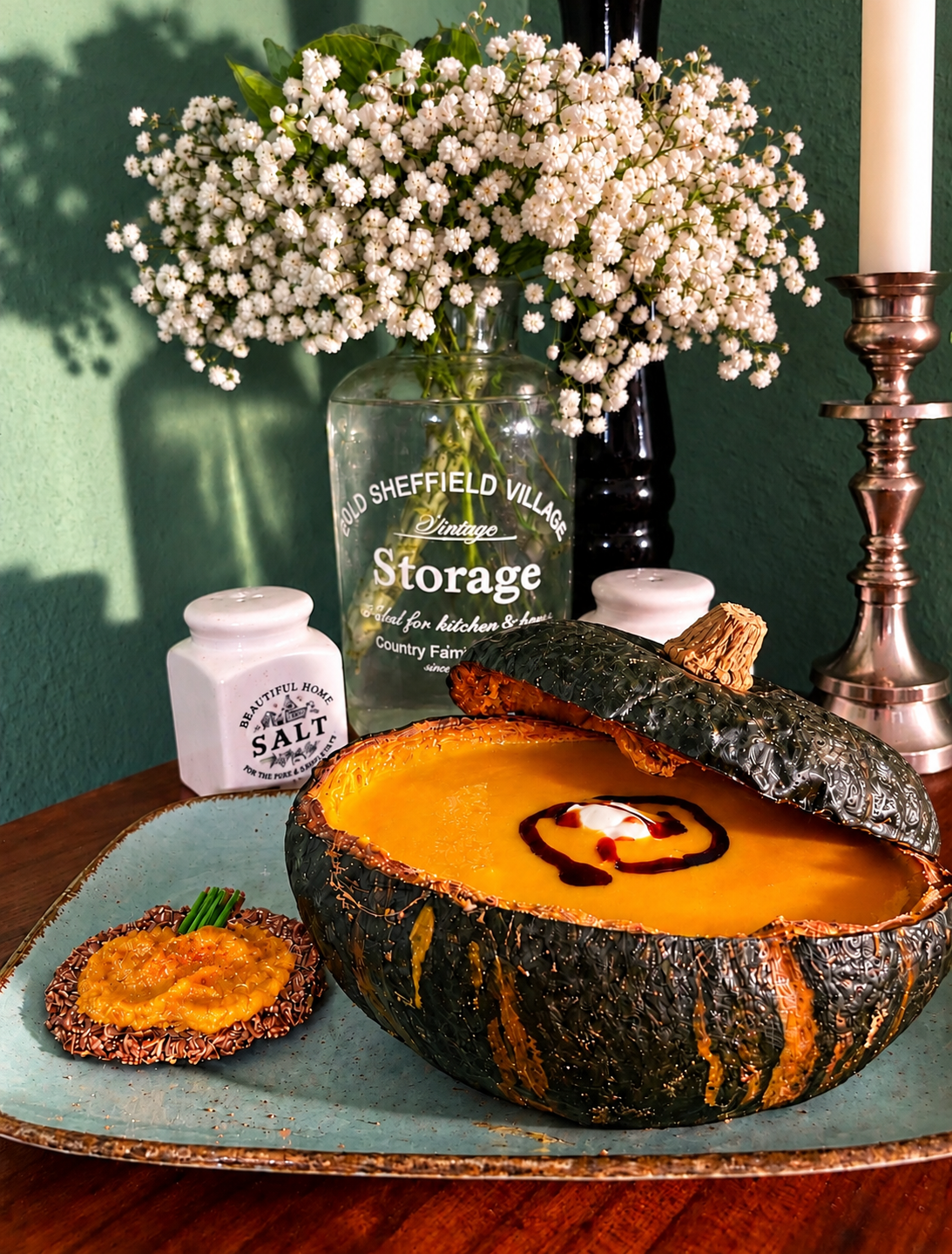
Saint Lucia – A Caribbean Island of Culinary InfluencesSaint Lucia is a beautiful island nation in the eastern Caribbean, known for its volcanic landscapes, tropical climate and rich cultural heritage. Its cuisine reflects African, Indigenous Caribbean, European and South Asian influences, with fresh local produce, aromatic spices, root vegetables and chilies playing important roles. Pumpkin and other varieties of squash are familiar ingredients in Caribbean home cooking, appearing in soups, stews and hearty vegetable dishes. The island's culinary traditions combine comforting ingredients with bold, fragrant flavors.
Soupe de Citrouille – A Caribbean-Inspired Pumpkin SoupSoupe de Citrouille translates from French as pumpkin soup, although there is no single definitive Saint Lucian recipe under this name. My Via Veggie Vegan interpretation combines tender pumpkin with garlic, ginger, Caribbean-style curry spices, coconut milk and freshly squeezed orange juice. Instead of serving the soup in ordinary bowls, I hollowed out two small green Hokkaido pumpkins, roasted them with chili oil and transformed them into edible serving bowls. A swirl of vegan sour cream and pumpkin seed oil completes this warming, aromatic and entirely plant-based Caribbean-inspired creation.
Cook this recipe →
Recipe postcard
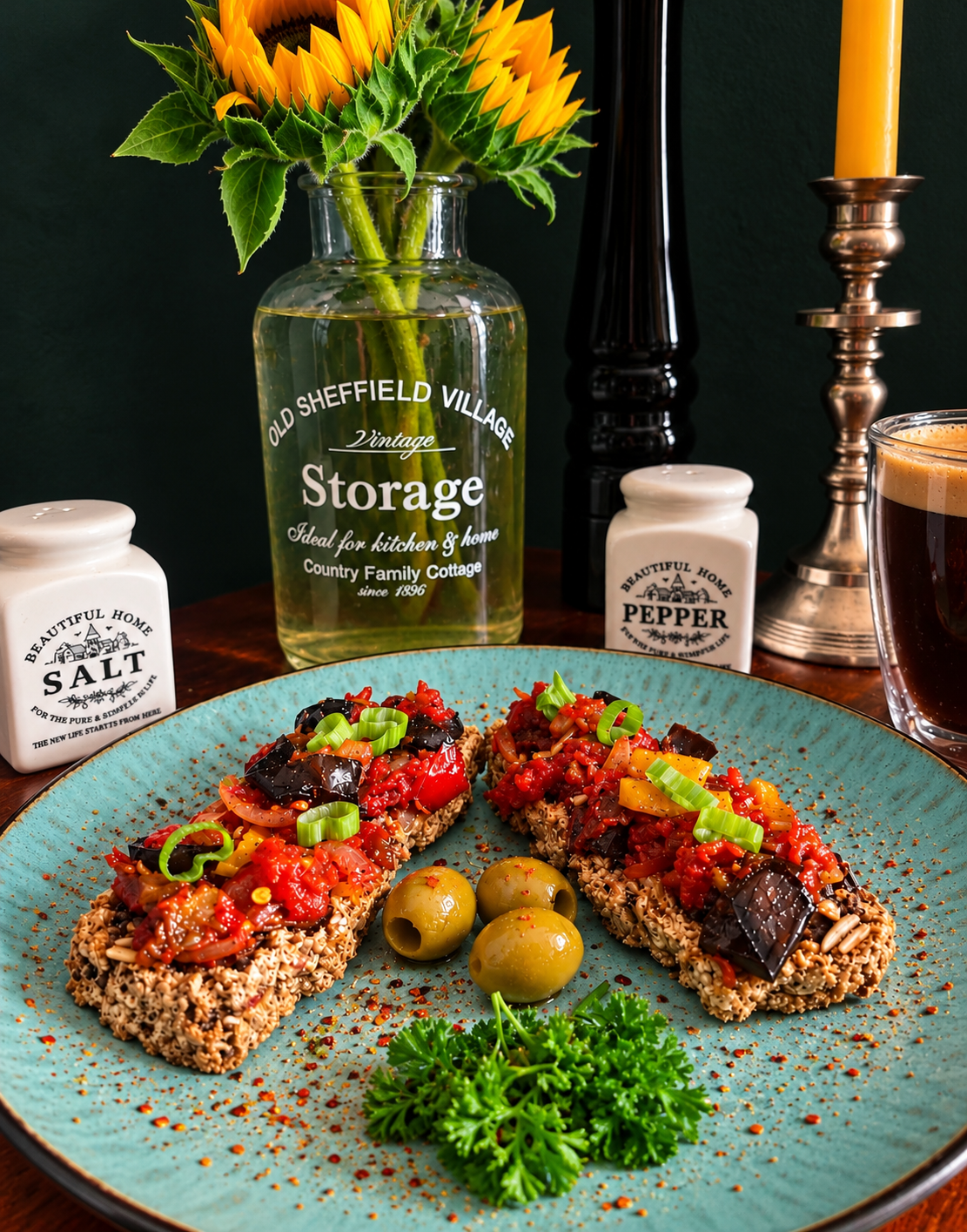
North Macedonia – A Culinary Crossroads in the BalkansNorth Macedonia is a landlocked country in southeastern Europe whose cuisine reflects centuries of Balkan, Mediterranean and Ottoman influences. Fresh vegetables, peppers, tomatoes, beans, herbs and rustic breads are essential parts of its culinary traditions. Roasted vegetable preparations, savory spreads and small dishes known as meze are particularly popular. Seasonal ingredients and traditional preservation methods play an important role, especially when preparing vegetables for the colder months.
Pindjur – A Rustic Roasted Vegetable SpecialtyPindjur is a traditional North Macedonian vegetable relish typically prepared with roasted peppers, tomatoes, garlic and, in many variations, eggplant. Unlike the better-known Ajvar, Pindjur generally has a chunkier consistency and a particularly juicy tomato character. The vegetables are chopped or crushed rather than blended into a completely smooth purée. Pindjur is naturally vegan when prepared without animal-derived additions and can be enjoyed as a spread, side dish or part of a meze selection. It is sometimes served with traditional white brined cheese, but my Via Veggie Vegan version skips the cheese entirely. Instead, I serve the rich, aromatic vegetable relish generously on crispy roasted farmhouse bread, accompanied by green olives and fresh parsley.
Cook this recipe →
Recipe postcard
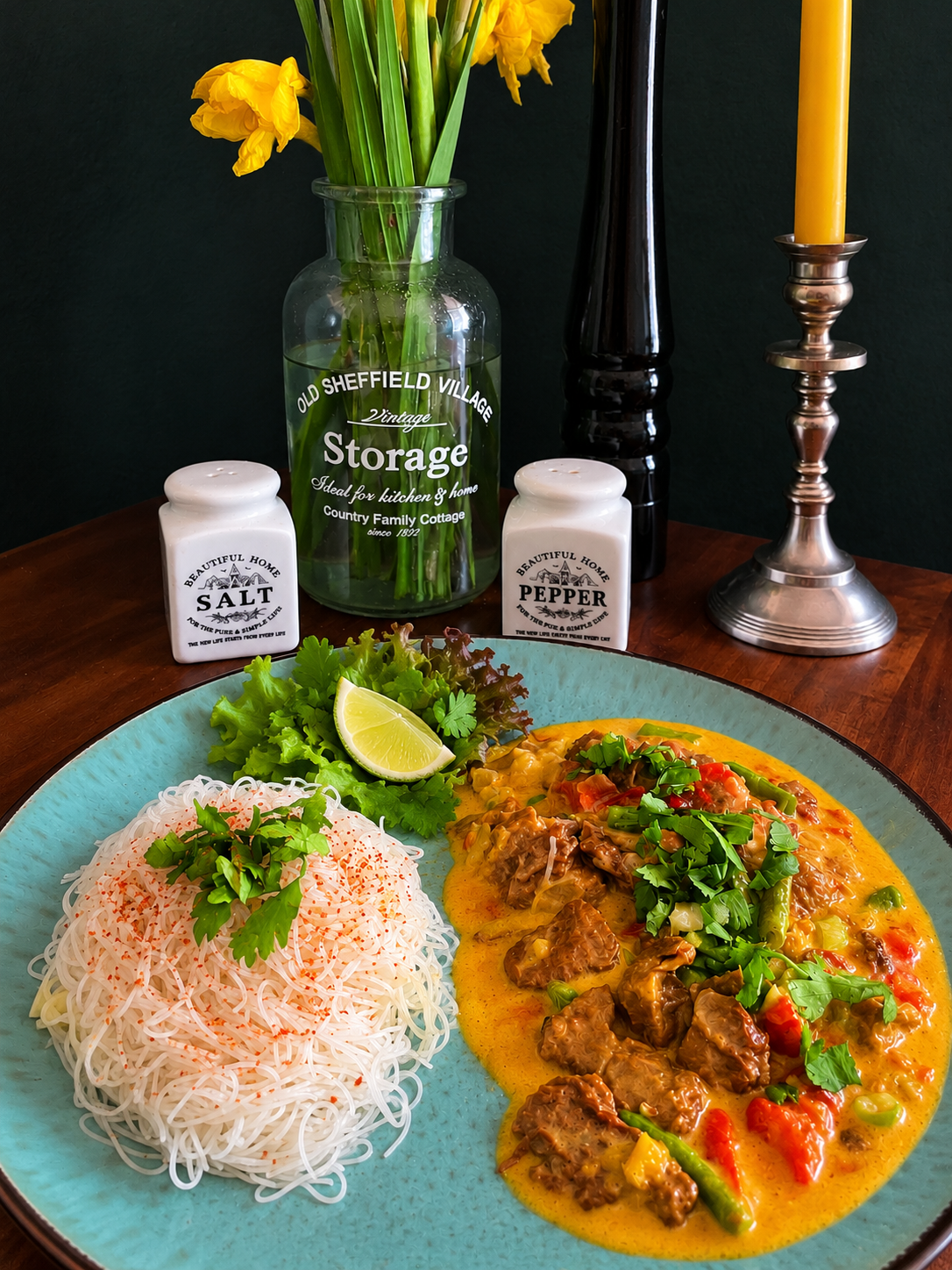
Laos – A Cuisine Built Around Fresh Herbs and Bold FlavorsLaos is a landlocked Southeast Asian country with a rich culinary heritage shaped by fresh herbs, fragrant aromatics and the balance of spicy, salty, sour and subtly sweet flavors. Lemongrass, galangal, chilies, makrut lime leaves and coriander play important roles in many dishes. One of the country's most important staples is sticky rice, known as khao niao, traditionally eaten with a wide variety of vegetables, dips, salads and savory dishes.
Lemongrass & Coconut Curry – A Lao-Inspired Vegan InterpretationThis Lemongrass & Coconut Curry is my own plant-based interpretation of characteristic Lao flavors rather than a recreation of one particular traditional dish. A homemade curry paste combines lemongrass, galangal, garlic, shallots and dried chilies, while coconut milk creates a silky, aromatic sauce. Mock Duck adds a satisfying, meaty texture, and fresh vegetables bring color and freshness. Instead of the more traditional sticky rice, I serve my curry with delicate rice noodles – a delicious little twist inspired by the contents of my kitchen.
Cook this recipe →
Recipe postcard
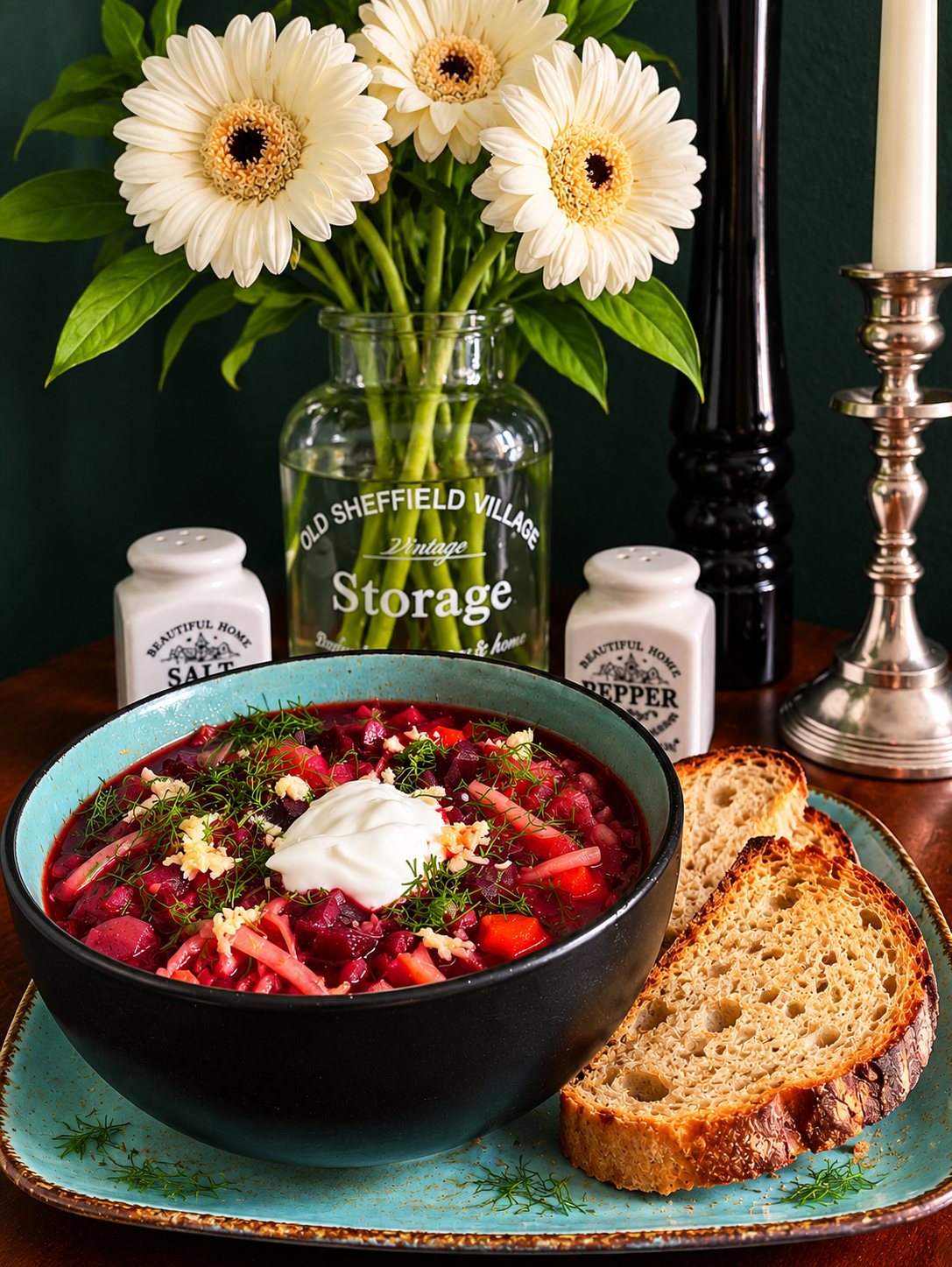
Ukraine – A Culinary Heritage of Hospitality and ResilienceUkraine is a country in Eastern Europe with a rich agricultural heritage and a deeply rooted food culture. Fertile farmland, seasonal vegetables, grains and traditional preservation methods have shaped Ukrainian cooking for generations. Beetroot, cabbage, potatoes, carrots, onions and dill are familiar ingredients in many everyday dishes. Soups hold a particularly important place in Ukrainian cuisine, bringing families together around the table. Ukrainian borscht is much more than a recipe: it represents hospitality, family traditions and cultural identity. In 2022, UNESCO inscribed the culture of Ukrainian borscht cooking on its List of Intangible Cultural Heritage in Need of Urgent Safeguarding, recognising the importance of protecting this living culinary tradition.
Ukrainian Borscht – A Beloved Beetroot Soup with Many VariationsBorscht is one of Ukraine's best-known traditional dishes. There is no single universal recipe: ingredients and preparation methods vary between regions, families and seasons. Many versions combine beetroot, cabbage, potatoes, carrots, onions and tomatoes in a flavourful broth. Some are prepared with meat, while others are vegetarian or suitable for periods of religious fasting. My Via Veggie Vegan version uses a rich vegetable broth instead of beef stock and finishes the soup with plant-based sour cream, fresh dill and garlic. The beetroot is gently sautéed with tomato paste and lemon juice before being added to the soup, helping to develop its earthy sweetness and beautiful red colour. Served with rustic rye bread, this is a comforting Ukrainian-inspired classic made entirely from plants.
Cook this recipe →
Recipe postcard
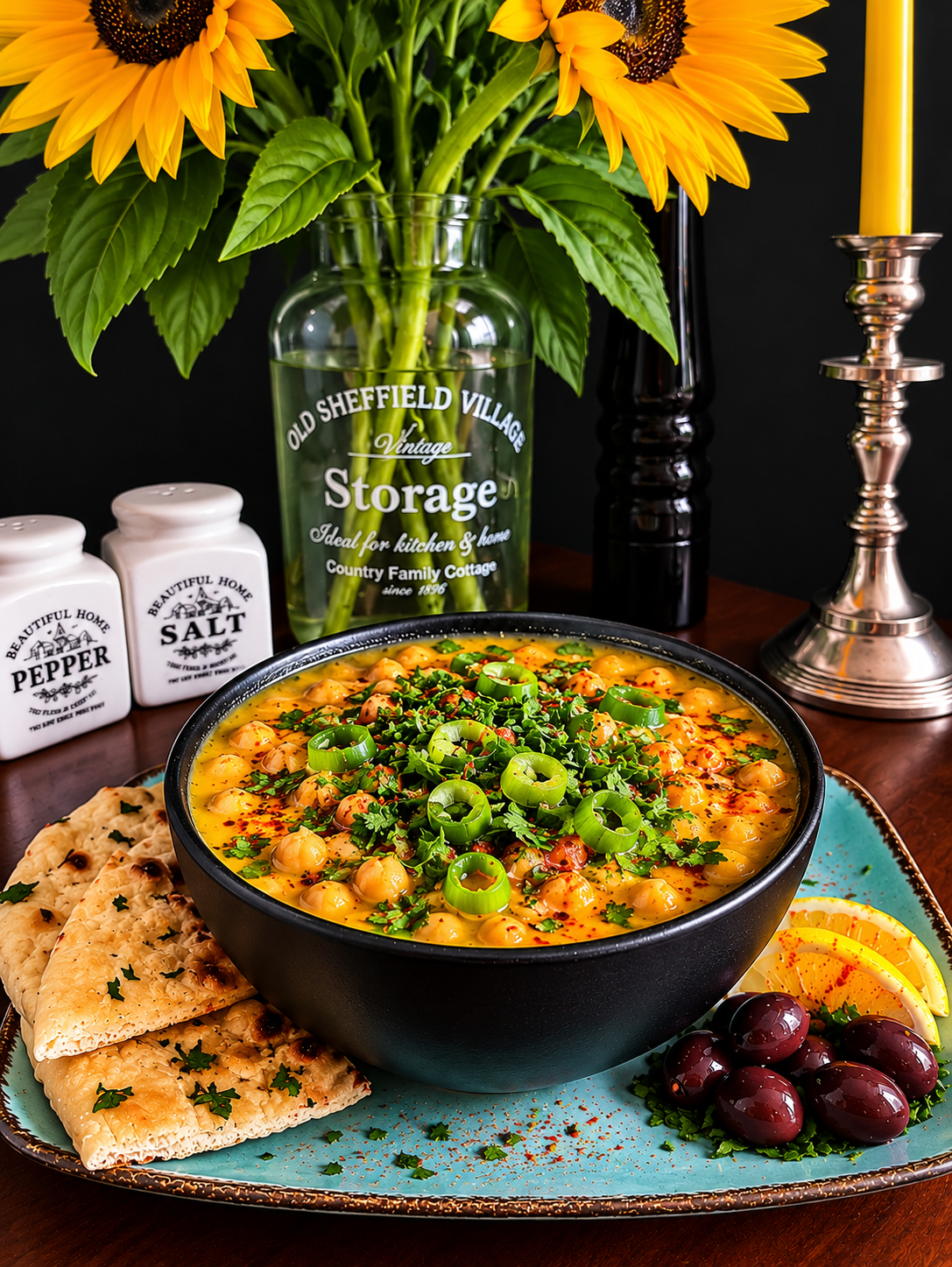
Tunisia – North African Flavours with a Mediterranean SoulTunisia lies on the Mediterranean coast of North Africa, where Amazigh, Arab, Ottoman and Mediterranean influences have shaped a rich and distinctive culinary heritage. Olive oil, legumes, vegetables, garlic, cumin and chili peppers feature prominently in traditional cooking. Harissa, the country's famous chili paste, adds depth and heat to everything from soups and stews to vegetable dishes. Tunisian cuisine is known for its bold seasoning, comforting everyday meals and the wonderful ability to transform simple ingredients into something memorable.
Lablabi – Tunisia's Beloved Chickpea and Bread SoupLablabi is a traditional Tunisian dish made with tender chickpeas, their cooking broth, garlic, cumin, harissa and pieces of bread. Particularly popular during the colder months, it is widely enjoyed as an affordable, filling street food and everyday comfort meal. The bread absorbs the fragrant broth, gradually turning the soup into a thick, rustic mixture. Depending on the preparation, Lablabi may be served with additional toppings such as eggs, tuna, capers or olives. My Via Veggie Vegan version keeps the chickpeas, spices, bread and olives while leaving out the animal-derived toppings. Fresh coriander and spring onion greens provide a colourful finishing touch.
Cook this recipe →
