Recipe postcard
Luxembourg – A Small Country with a Rich Culinary Heritage
Luxembourg is a small landlocked country in Western Europe, bordered by Belgium, Germany and France. Its cuisine reflects influences from all three neighboring countries while maintaining its own distinctive traditions. Hearty soups, potatoes, legumes, regional vegetables and rustic meat dishes have long played important roles in Luxembourgish home cooking. The country's landscape ranges from the wooded hills of the Ardennes in the north to the fertile agricultural regions and vineyards of the Moselle Valley in the southeast.
What Is Bouneschlupp?
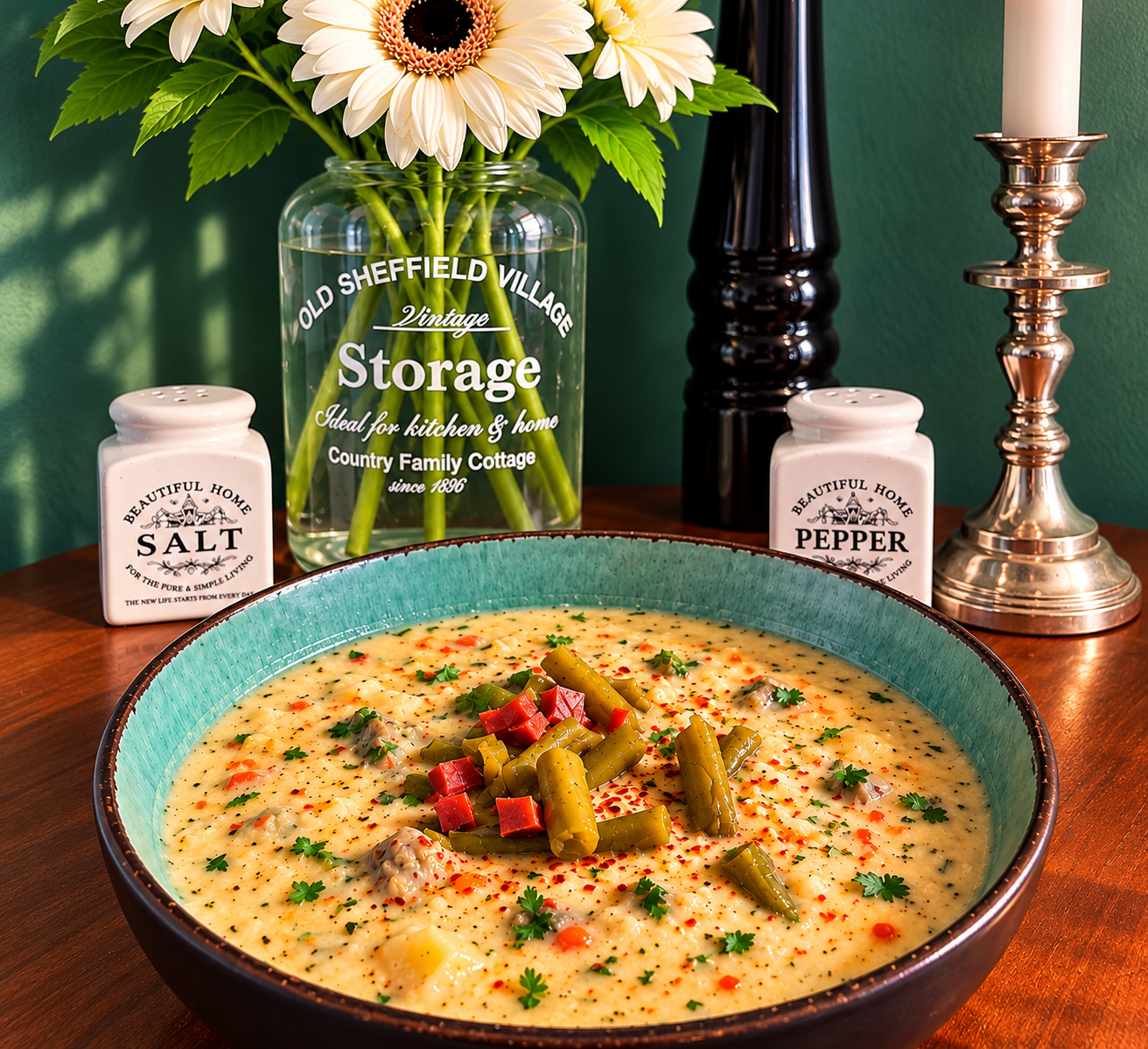
Bouneschlupp is one of Luxembourg's best-known traditional soups, prepared primarily with green beans and potatoes. Depending on the household and regional tradition, it may also contain onions, bacon, sausage, cream and aromatic herbs such as savory. The soup is particularly associated with simple, satisfying home cooking. This Via Veggie Vegan version keeps the green beans and potatoes at the heart of the dish while replacing traditional meat products with vegan beef-style pieces and crispy plant-based bacon. Vegan cooking cream creates a rich, comforting broth without dairy.
Cook this recipe →
Recipe postcard
Costa Rica – A Country of Rainforests, Volcanoes and Pura VidaCosta Rica is a Central American country bordered by Nicaragua, Panama, the Pacific Ocean and the Caribbean Sea. Famous for its extraordinary biodiversity, tropical rainforests, volcanic landscapes and protected national parks, the country is also known for its philosophy of Pura Vida, an expression associated with enjoying life and appreciating everyday moments. Costa Rican cuisine reflects its agricultural traditions, with rice, beans, plantains, potatoes, vegetables and fresh tropical ingredients playing important roles in everyday cooking.
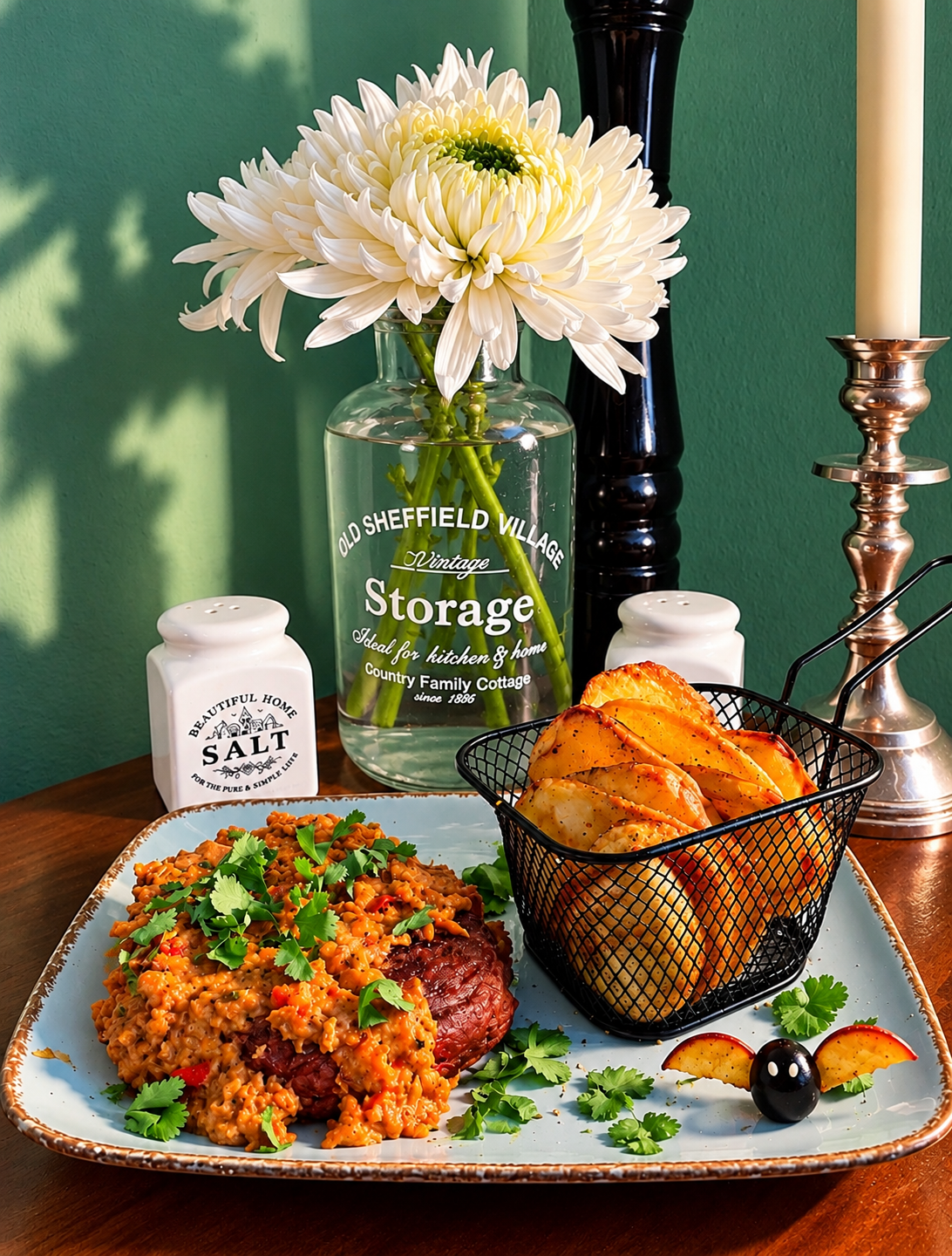
What Is Bistec Encebollado con Papas?Bistec Encebollado is a popular Latin American dish consisting of thinly sliced steak cooked with onions. In Costa Rica, versions may be seasoned with garlic, cumin, oregano and Salsa Lizano, the country's distinctive sweet and savory table sauce. Papas simply means potatoes, making Bistec Encebollado con Papas a satisfying combination of steak, onions and potatoes. This Via Veggie Vegan interpretation replaces beef with plant-based steak, serves crispy golden potato slices alongside it and uses a generous coating of homemade Salsa Lizano instead of a traditional marinade.
Cook this recipe →
Recipe postcard
Libya – A North African Country of Mediterranean and Desert Traditions
Libya is a North African country bordering the Mediterranean Sea, with a culinary heritage shaped by Amazigh, Arab, Mediterranean and historical Ottoman influences. Its cuisine combines grains, vegetables, legumes, meat and aromatic spices, with dishes varying across regions and households. Tomatoes, garlic, chilies, olive oil and warming spice blends feature prominently in many Libyan preparations. Pasta also holds an important place in everyday cooking, reflecting the country's long history of Mediterranean cultural exchange.
What Is Mbakbaka?
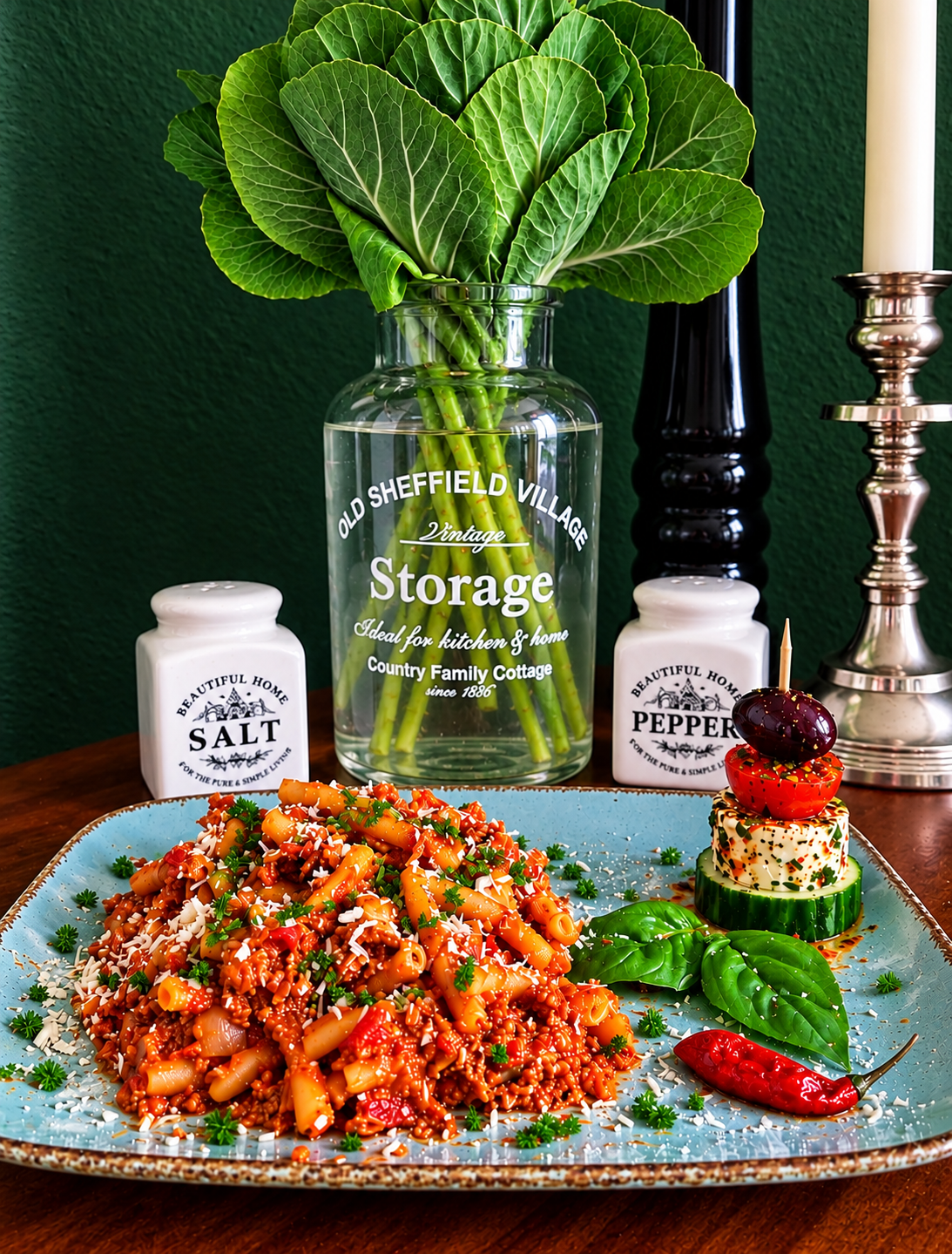
Mbakbaka, also written Imbakbaka, is a popular Libyan one-pot pasta dish traditionally prepared by simmering dry pasta directly in a seasoned tomato-based broth. Unlike conventional pasta recipes, the noodles absorb the flavors of the sauce while releasing starch, creating a rich consistency somewhere between pasta and stew. Many versions contain lamb, beef or chicken, while the spices and vegetables vary between families. This Via Veggie Vegan interpretation replaces meat with plant-based mince and uses a homemade Bzaar-inspired spice blend. Fresh parsley, lemon juice and vegan grated cheese complete this hearty, spicy dish.
Cook this recipe →
Recipe postcard
Lebanon – A Country of Ancient Traditions and Mediterranean Flavors
Lebanon is a small country on the eastern Mediterranean coast, celebrated for its rich culinary heritage, fresh ingredients and vibrant food culture. Lebanese cuisine combines Mediterranean and Levantine influences, with legumes, vegetables, olive oil, aromatic spices and fresh herbs playing central roles. From colorful mezze to hearty soups and freshly baked flatbreads, sharing food is an important part of Lebanese hospitality and everyday life.
What Is Shorbat Adas?
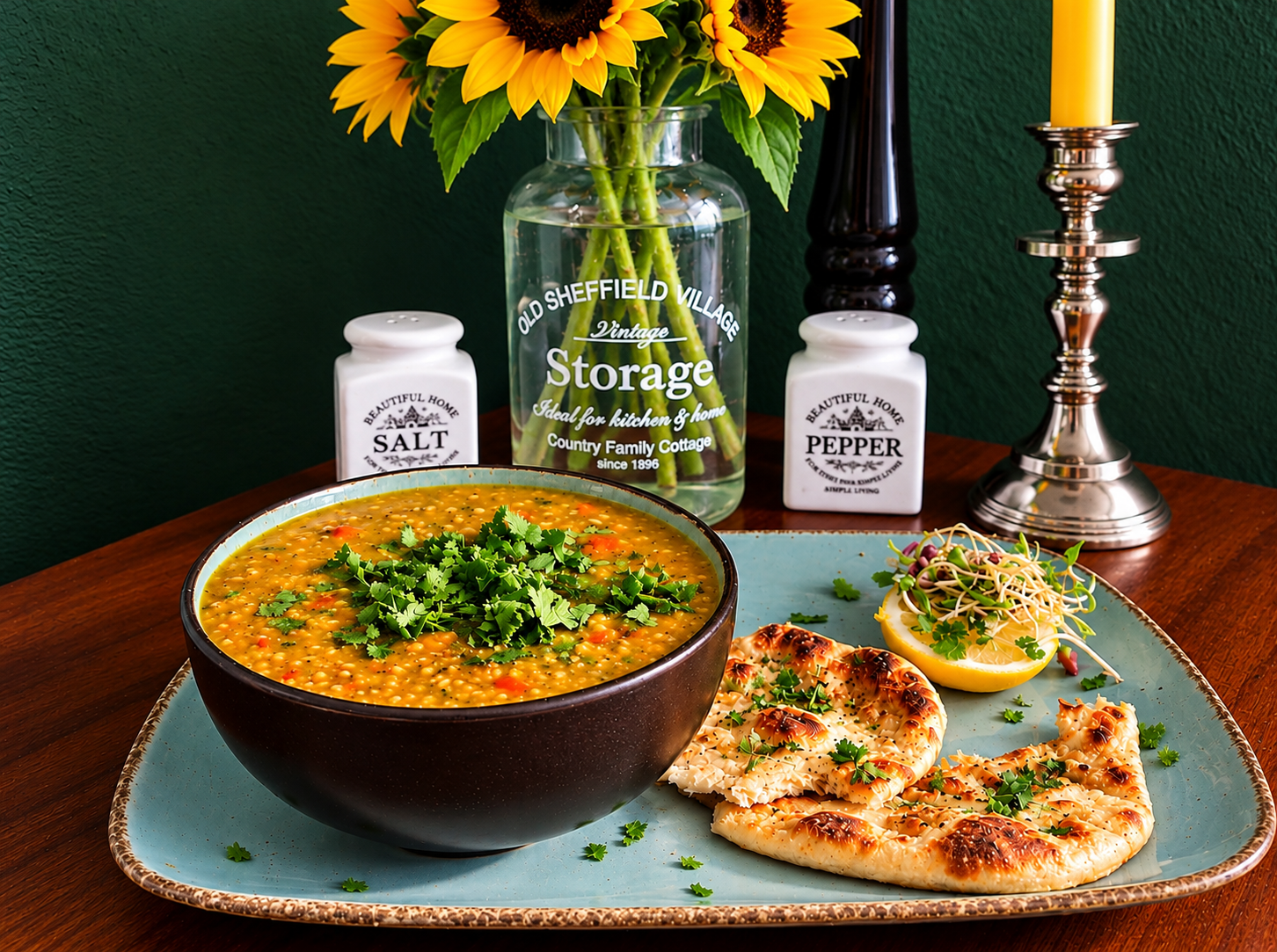
Shorbat Adas (شوربة عدس) literally means "lentil soup" and is a comforting dish enjoyed throughout Lebanon and the wider Middle East. Traditional versions commonly combine red or yellow lentils with onions, cumin and other vegetables, simmered until tender and naturally creamy. This Via Veggie Vegan version uses red lentils, carrots, onion and cumin, blended into a smooth, golden soup. Fresh lemon is served separately so everyone can adjust the acidity according to personal preference
Cook this recipe →
Recipe postcard
South Korea – A Culinary Culture of Balance and Fermentation
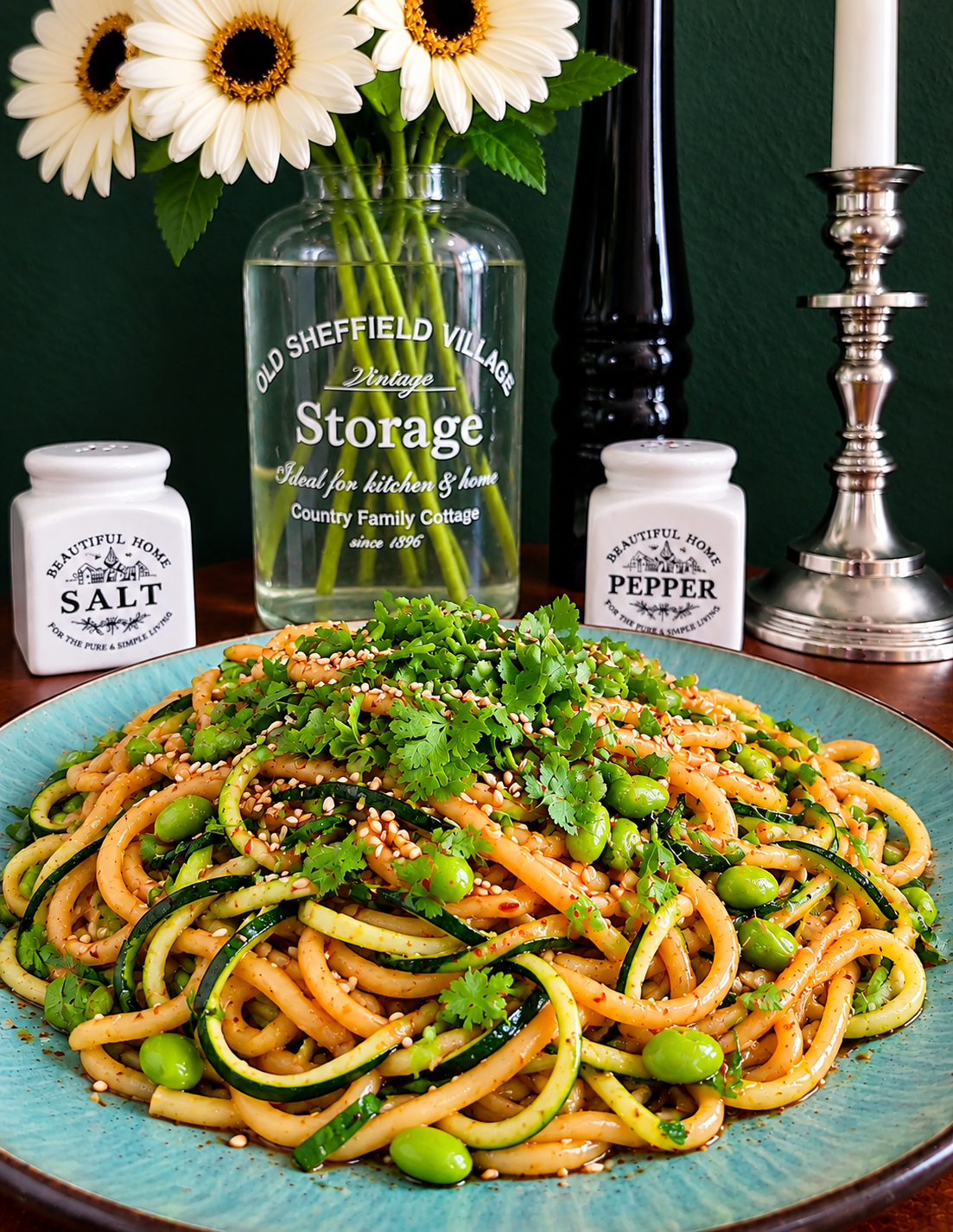
South Korea is an East Asian country renowned for its diverse culinary traditions, fermented foods and colorful vegetable dishes. Korean cuisine combines savory, spicy, sweet and aromatic flavors, with ingredients such as garlic, sesame oil, soy sauce and gochugaru playing important roles. A traditional Korean meal often includes banchan, small side dishes served alongside rice and other preparations. Vegetables, seasonal ingredients and fermentation are central elements of this rich food culture.
What Is Aehobak Bokkeum?
Aehobak Bokkeum (애호박볶음) is a traditional Korean stir-fried summer squash dish commonly served as banchan. Aehobak refers to Korean summer squash, while bokkeum means stir-fried. Traditionally, the squash is sliced and quickly cooked with ingredients such as garlic, spring onions and sesame oil. My Via Veggie Vegan interpretation replaces Korean aehobak with spiralized zucchini and transforms the vegetable side dish into a complete noodle meal with Udon, edamame and a savory miso-gochugaru sauce. Fresh coriander and sesame add the finishing touch.
Cook this recipe →
Recipe postcard
Japan – A Culinary Tradition of Precision and Umami
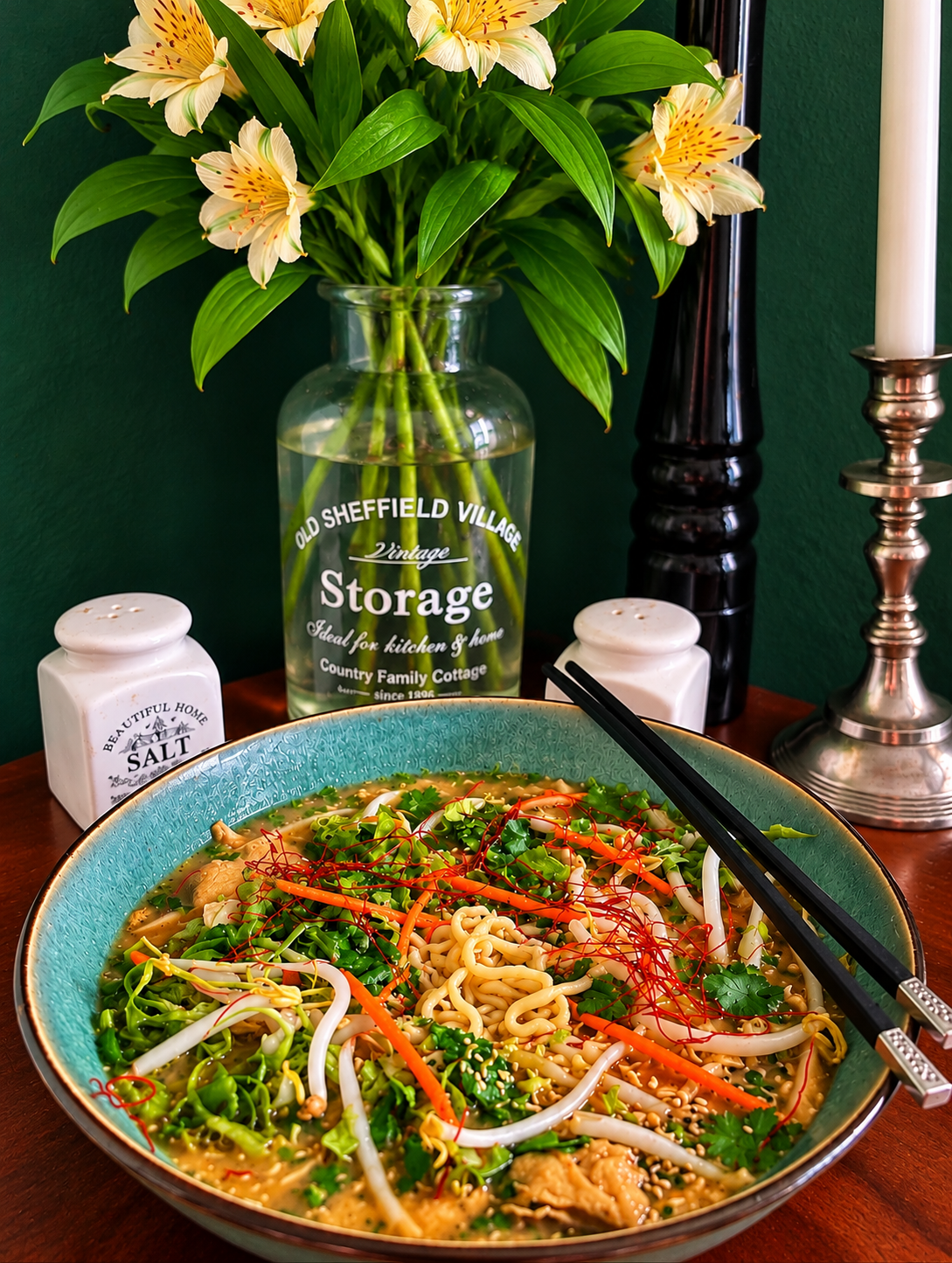
Japan is an East Asian island nation celebrated for its diverse regional cuisines, seasonal ingredients and careful attention to flavor and presentation. Japanese cooking frequently highlights the natural character of ingredients, with fermented foods such as miso and soy sauce playing an important role. From traditional noodle shops to modern ramen restaurants, comforting bowls of noodles are an essential part of everyday food culture.
What Is Spicy Miso Ramen?
Ramen developed in Japan under the influence of Chinese wheat noodle traditions and has evolved into numerous regional styles. Miso ramen is particularly associated with Sapporo in Hokkaido, where miso-based ramen became popular during the twentieth century. This Via Veggie Vegan interpretation combines white miso, vegetable stock, soy milk, garlic, ginger and chili crisp to create a creamy, spicy broth. Ramen noodles, tofu, plant-based chicken and plenty of vegetables turn it into a generous, satisfying plant-based meal.
Cook this recipe →
Recipe postcard
USA – A Country of Comfort Food Classics
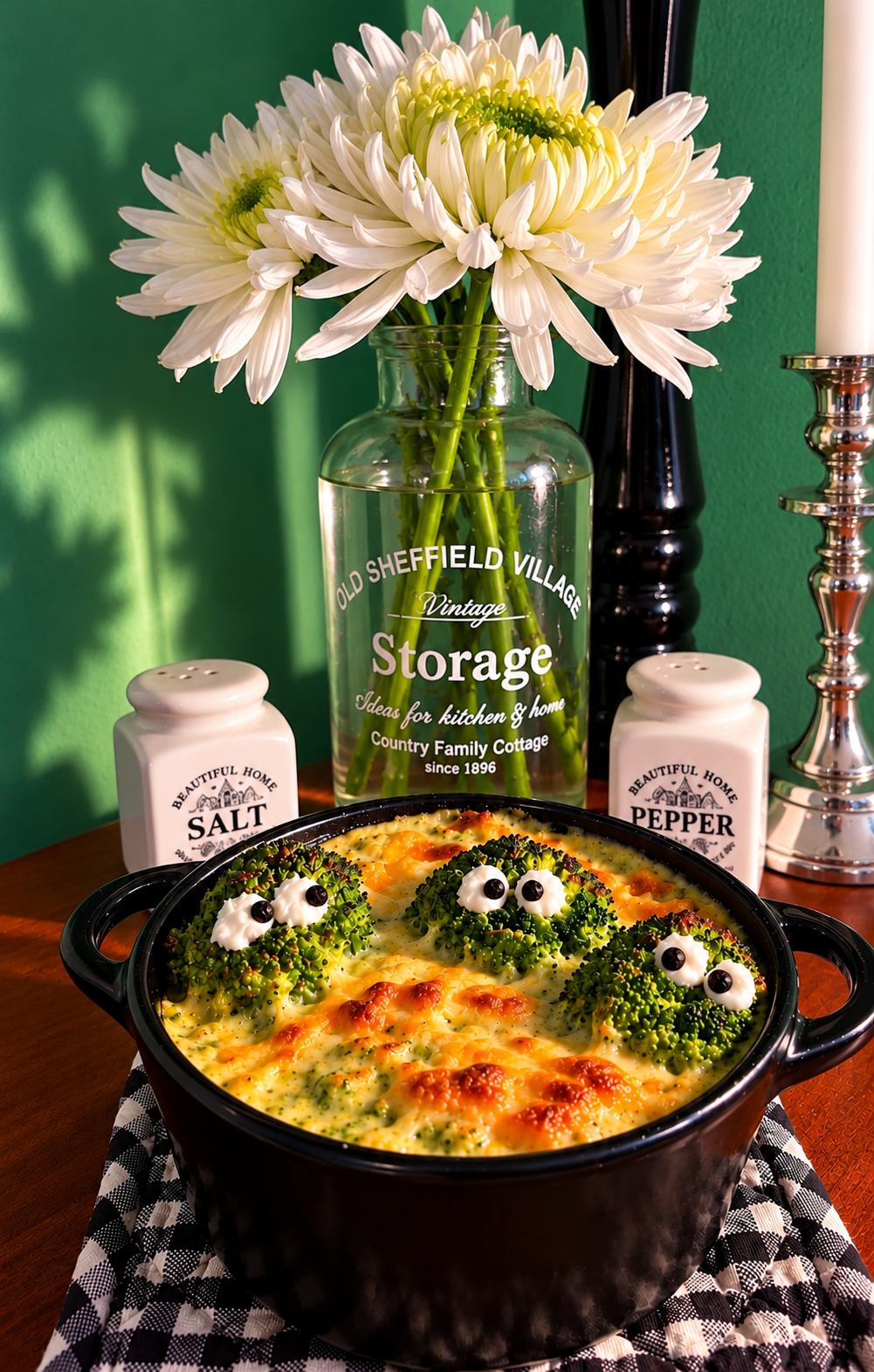
The United States is famous for its wonderfully diverse comfort food traditions, from creamy soups and hearty casseroles to macaroni and cheese, baked potatoes and countless regional specialties. American comfort food often brings together familiar ingredients, generous flavors and satisfying textures, creating dishes that feel like a warm hug on a chilly day. Broccoli Cheddar Soup is a particularly popular example of this culinary tradition. Combining tender broccoli, carrots, a rich creamy base and the distinctive flavor of cheddar cheese, it has become a favorite in American cafés, casual restaurants and home kitchens. Especially during autumn, a steaming bowl of this comforting classic is hard to resist.
What Is Broccoli Cheddar Soup?
Broccoli Cheddar Soup is a creamy American soup traditionally prepared with broccoli, carrots, onions, cream and sharp cheddar cheese. Particularly well known through American restaurant chains such as Panera Bread, it is loved for its thick, velvety consistency and rich, savory flavor. My completely plant-based version replaces dairy ingredients with vegan cheddar, plant-based cooking cream and a vegan butter alternative, while keeping all the comforting character of the original. For Halloween, the soup gets an extra-special transformation: three little broccoli monsters, affectionately named Broccolins, rise from each bowl of melted vegan cheese. With tiny eyes made from vegan sour cream and black peppercorns, these mischievous green creatures turn an American comfort food classic into a deliciously spooky Halloween adventure.
Cook this recipe →
Recipe postcard
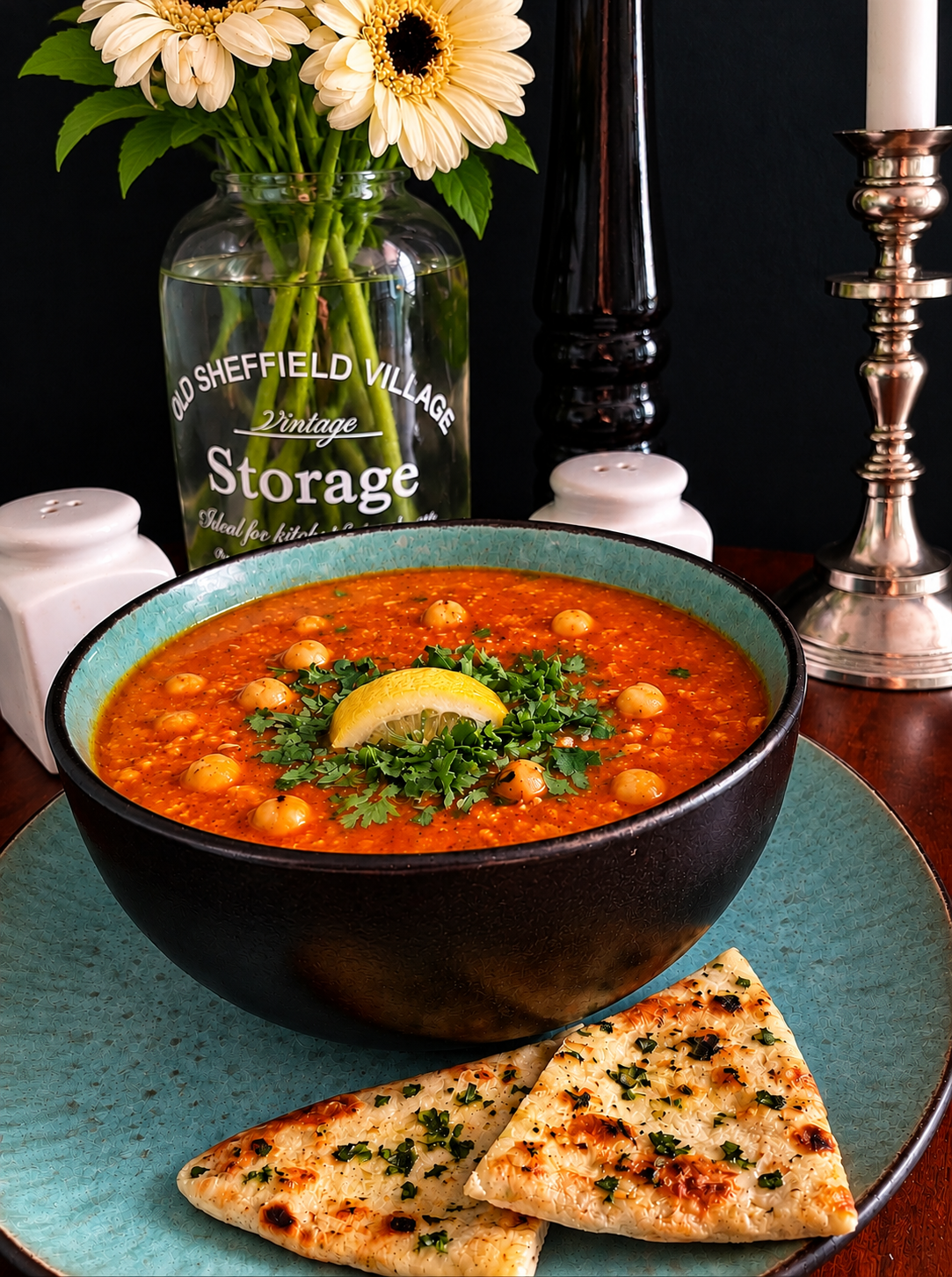
India – A Land of Spices and Culinary TraditionsIndia is a country of extraordinary culinary diversity, shaped by regional traditions, climate, agriculture, history and centuries of cultural exchange. From the aromatic dishes of North India to the coconut-rich cuisines of the south, spices play an important role in creating distinctive flavors. Cumin, coriander, turmeric, ginger, garlic and countless spice blends appear in a wide variety of regional preparations. Chickpeas are another important ingredient in Indian cooking, used in curries, snacks, salads, stews and soups. Their versatility makes them particularly suitable for satisfying plant-based dishes.
Chana Shorba – Indian Chickpea SoupChana means chickpeas, while shorba refers to soup or broth. Chana Shorba, also known as Chane Ka Shorba, is an Indian-style chickpea soup that can be prepared in several ways. Some versions are smooth and creamy, while others contain whole chickpeas in a fragrant broth. This Via Veggie Vegan interpretation combines chickpeas, tomatoes, onion, garlic, ginger, chili and aromatic spices. Blending a small portion of the soup creates natural creaminess without dairy or added cream. Fresh coriander and lemon bring brightness to the finished dish, while homemade Garlic Naan turns the soup into a delicious, satisfying meal.
Cook this recipe →
Recipe postcard
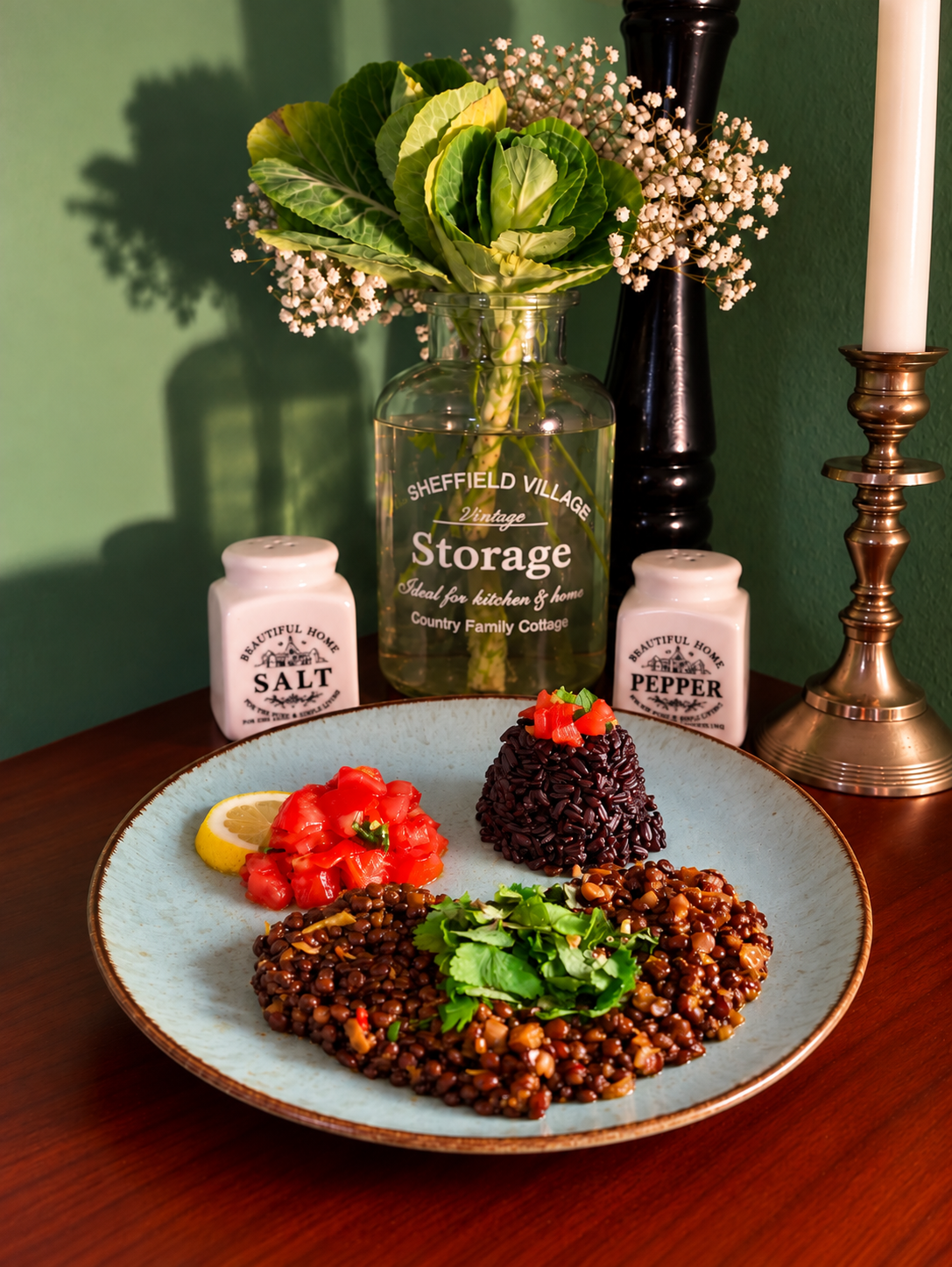
India – A Country of Extraordinary Culinary DiversityIndia is a vast South Asian country with an exceptionally diverse culinary heritage shaped by regional traditions, geography, climate, religion and history. From the fragrant rice dishes of the south to the rich lentil preparations of the north, Indian cuisine offers an extraordinary variety of ingredients, cooking techniques and flavors. Pulses, rice, vegetables, herbs and spices are central to many regional food traditions. Fresh coriander, known as hara dhaniya in Hindi, is widely used in chutneys, curries and vegetable dishes, while dried coriander seeds provide a distinctly different, warm and aromatic flavor. Indian cuisine includes countless naturally plant-based dishes, making it a wonderful source of inspiration for vegan cooking.
Hara Dhaniya Dal – A Fresh Coriander Lentil CurryIn Hindi, hara means green, dhaniya means coriander and dal refers to certain pulses or dishes prepared from them. Hara Dhaniya Dal can therefore be understood as a lentil dish featuring fresh green coriander. This Via Veggie Vegan creation is inspired by Indian ingredients and flavors rather than representing a specific traditional regional recipe. Black Beluga lentils are combined with onion, garlic, cinnamon, bay leaf, garam masala and ground coriander, then coated in a vibrant paste of fresh coriander, green chili, ginger and lemon juice. Served with black rice, the dish brings together earthy lentils, aromatic spices and bright herbal freshness in a colorful, naturally vegan interpretation of Indian-inspired comfort food.
Cook this recipe →
Recipe postcard
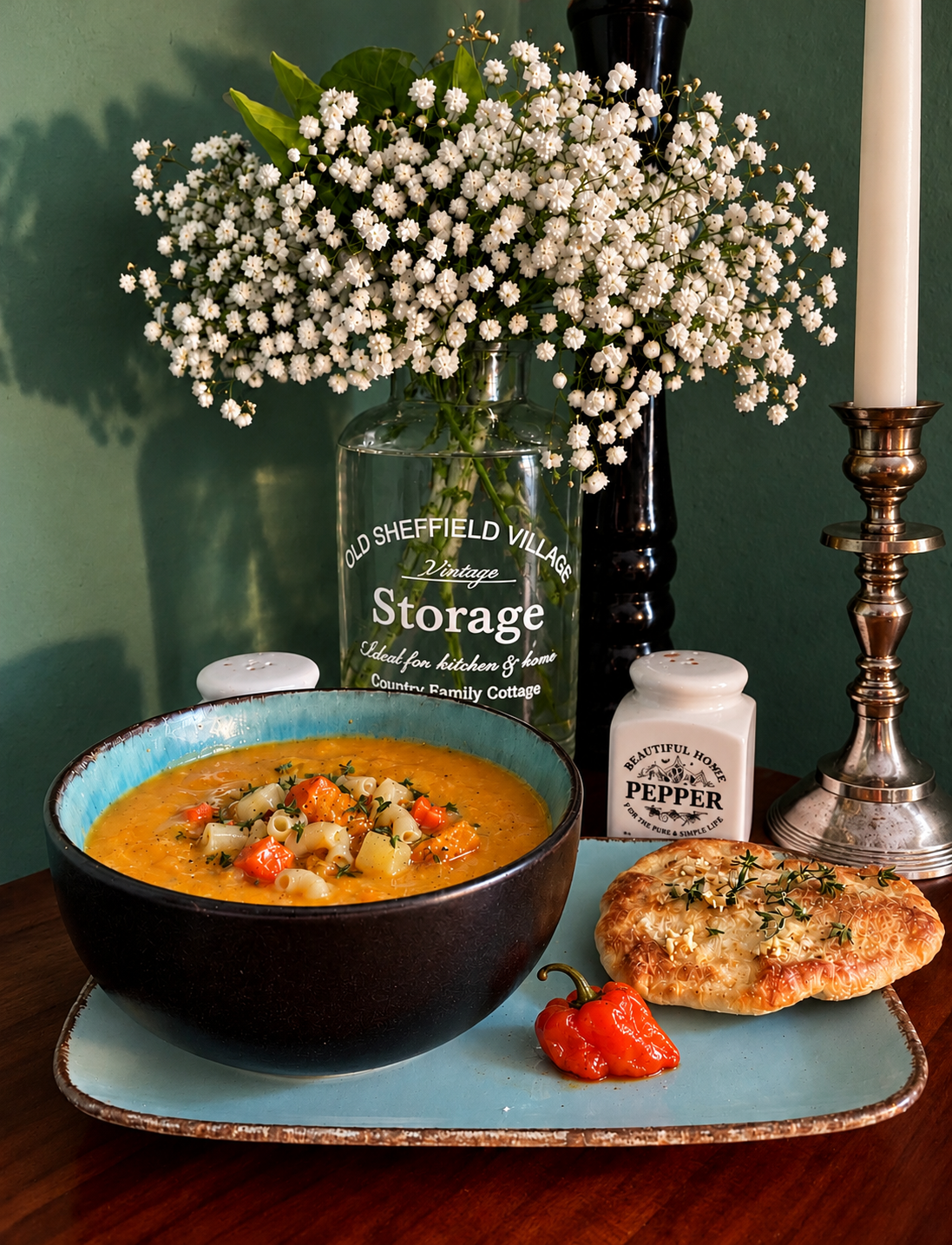
Haiti – The Caribbean Nation That Fought for FreedomHaiti occupies the western part of the Caribbean island of Hispaniola, which it shares with the Dominican Republic. Its culture reflects a rich heritage shaped by African traditions, Indigenous history, French colonial influence and the extraordinary struggle for independence. On 1 January 1804, Haiti declared its independence after a successful revolution against French colonial rule, becoming the first independent Black republic and the first state established through a successful revolt by enslaved people. Haitian cuisine is known for its vibrant seasonings, aromatic herbs, vegetables, rice, beans and deeply flavorful dishes. Food plays an important role in family gatherings, cultural identity and the preservation of traditions.
Soup Joumou – Haiti's Freedom Soup, Traditionally Eaten on 1 JanuarySoup Joumou is a traditional Haitian squash soup with profound historical and cultural significance. According to Haitian tradition, during French colonial rule, the richly prepared soup was associated with the colonial elite and denied to enslaved Haitians. Following independence on 1 January 1804, preparing and enjoying Soup Joumou became a powerful symbol of liberation, dignity and the freedom to enjoy what had previously been forbidden. Today, Haitian families and communities in Haiti and around the world traditionally prepare and share the soup on New Year's Day, which is also Haiti's Independence Day. Soup Joumou is often described as a soup of freedom, unity and peace. In 2021, UNESCO inscribed the knowledge and practices surrounding Joumou soup on its Representative List of the Intangible Cultural Heritage of Humanity. Traditional versions often contain meat, while this Via Veggie Vegan interpretation celebrates the dish with butternut squash, vegetables, pasta, homemade Haitian epis and vegetable broth.
Cook this recipe →
