
Libya – A North African Country of Mediterranean and Desert Traditions
Libya is a North African country bordering the Mediterranean Sea, with a culinary heritage shaped by Amazigh, Arab, Mediterranean and historical Ottoman influences. Its cuisine combines grains, vegetables, legumes, meat and aromatic spices, with dishes varying across regions and households. Tomatoes, garlic, chilies, olive oil and warming spice blends feature prominently in many Libyan preparations. Pasta also holds an important place in everyday cooking, reflecting the country's long history of Mediterranean cultural exchange.
What Is Mbakbaka?
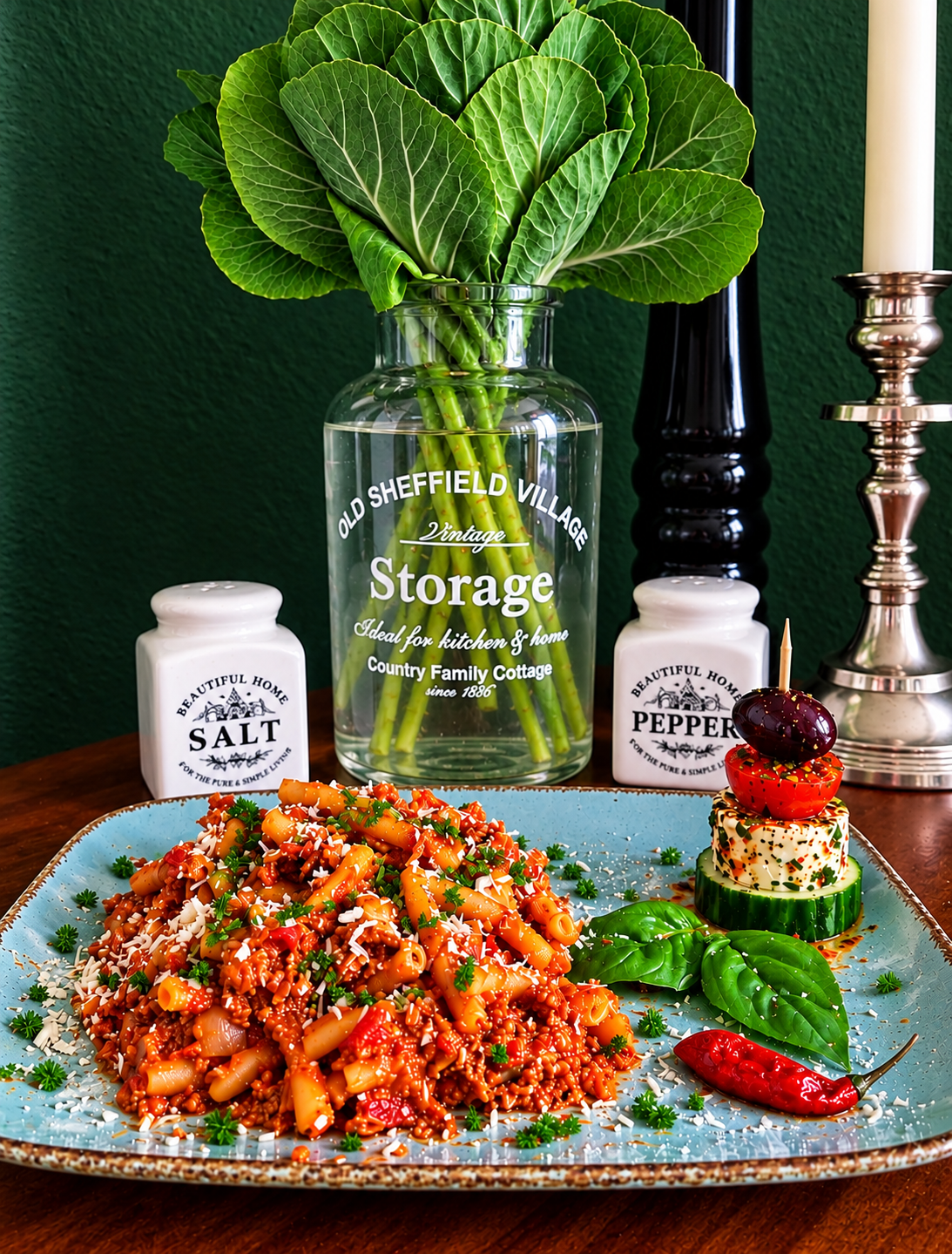
Mbakbaka, also written Imbakbaka, is a popular Libyan one-pot pasta dish traditionally prepared by simmering dry pasta directly in a seasoned tomato-based broth. Unlike conventional pasta recipes, the noodles absorb the flavors of the sauce while releasing starch, creating a rich consistency somewhere between pasta and stew. Many versions contain lamb, beef or chicken, while the spices and vegetables vary between families. This Via Veggie Vegan interpretation replaces meat with plant-based mince and uses a homemade Bzaar-inspired spice blend. Fresh parsley, lemon juice and vegan grated cheese complete this hearty, spicy dish.
▣ Ingredients (2 servings)
- 250 g vegan mince
- 200 g short pasta
- 1 onion
- 2 cloves garlic
- 1-2 green chilies
- 3 tbsp tomato paste
- 1 tomato
- 3 tbsp olive oil
- 750 ml vegetable broth
- 1 tsp tumeric
- 1 tsp sweet paprika
- 1/2 tsp cayenne pepper
- 1/2 tsp ground cumin
- 1/2 tsp ground coriander
- 1 pinch allspice
- 1 pinch ground cloves
- 1 pinch cinnamon
- to taste fresh lemon juice
- 2 tbsp fresh parsley
- to taste vegan grated cheese
- to taste salt & freshly ground black pepper
♨ Preparation
- – Brown the Vegan Mince
Heat the olive oil or neutral vegetable oil in a large saucepan over medium-high heat.
Add the vegan mince and fry for approximately 4–5 minutes, stirring occasionally, until it develops some color. - Add the Aromatics
Reduce the heat slightly.
Add the diced onion and finely chopped garlic.
Cook for approximately 3 minutes, stirring regularly, until the onion begins to soften. - Build the Tomato and Spice Base
Add the tomato paste, turmeric, sweet paprika, cayenne pepper, ground cumin, ground coriander, allspice, cloves and cinnamon.
Stir continuously for approximately 1 minute, allowing the tomato paste and spices to develop their aroma.
Add the grated or puréed fresh tomato.
Mix everything thoroughly. - Create the Spicy Broth
Pour approximately 600 ml of the boiling water or vegetable broth into the saucepan.
Add the green chilies, halved lengthwise.
Bring everything to a gentle simmer.
Cook for approximately 5 minutes, allowing the tomato and spices to combine.
Keep the remaining hot water or broth nearby. - Cook the Pasta Directly in the Pot
Add the uncooked short pasta directly to the tomato broth.
Stir thoroughly.
Simmer uncovered according to the pasta's recommended cooking time, usually approximately 10–12 minutes.
Stir regularly to prevent the pasta from sticking to the bottom of the saucepan.
As the pasta cooks, it absorbs the seasoned broth and releases starch, naturally thickening the sauce.
Add more hot water or vegetable broth whenever necessary. - Adjust the Consistency
When the pasta is al dente, check the consistency.
Mbakbaka should remain generously saucy rather than dry.
The pasta should be surrounded by a rich, spicy tomato sauce with an almost stew-like consistency.
If the sauce has become too thick, add another splash of hot water or vegetable broth.
Taste and adjust the salt, black pepper and chili if necessary. - Finish the Mbakbaka
Remove the saucepan from the heat.
Add a squeeze of fresh lemon juice.
Stir in some of the chopped parsley.
Divide the Mbakbaka between two serving plates or deep bowls.
Sprinkle with vegan grated cheese and the remaining fresh parsley. - Serve
Serve the Mbakbaka immediately while the pasta is hot and the sauce is still beautifully rich and moist.
Food Story
One Pot, No Escape!
There are pasta dishes. And then there are pasta dishes where the pasta isn’t allowed to escape the sauce for even a second. Mbakbaka belongs firmly in the second category! Everything happens in one pot: vegan mince, onion, garlic, tomato, chili and a whole collection of warming spices. Then the dry pasta goes straight into that spicy tomato broth. No separate pasta pot, no draining and absolutely no throwing away beautifully starchy cooking water. Instead, the pasta absorbs all those wonderful flavors while naturally thickening the sauce. One pot, maximum flavor and considerably less washing up. What’s not to love?
A Little Vegan Twist Never Hurt Anyone
For my Libyan stop on the Via Veggie Vegan culinary journey, I replaced the traditional meat with vegan mince and added a generous helping of Bzaar-inspired spices. The result? Rich, spicy, saucy comfort food that practically cooks itself. At the end, I added fresh lemon juice, plenty of parsley and vegan grated cheese. The parsley brings freshness, the lemon balances the rich tomato sauce, and the cheese? Definitely not Libyan tradition. It was simply standing between me and an already very good plate of pasta becoming an even better one. I regret nothing!
Because Apparently Pasta Alone Wasn’t Enough
And because a generous mountain of pasta apparently wasn’t quite enough for my plate, I added a little vegetable skewer with cucumber, vegan cheese, tomato and a dark olive. A few fresh basil leaves and a red chili joined the party, too. Completely unnecessary? Perhaps. Delicious and pretty? Absolutely! That’s the beauty of my culinary journey: discovering traditional dishes, respecting their origins and occasionally adding my own little touch of Via Veggie Vegan madness. Spicy, saucy, comforting and 100% plant-based!
♨ Nutrition per serving
Nutritional values are approximate and may vary depending on the ingredients and products used.
Good to Know
What Exactly Is Mbakbaka?
Mbakbaka, also spelled Imbakbaka, is a popular Libyan pasta dish prepared in a single pot. Unlike conventional pasta recipes, the dry pasta is cooked directly in a tomato-based broth together with spices, vegetables and often meat. This cooking method creates a particularly flavorful and satisfying dish because the pasta absorbs the seasoned liquid instead of being boiled separately.
Why Is Mbakbaka Different from Italian Pasta?
Although pasta is an important part of both Italian and Libyan cuisine, Mbakbaka uses a distinctive preparation method. Rather than cooking pasta separately and combining it with sauce afterward, all the ingredients simmer together. The finished dish is often wetter than conventional Italian pasta preparations, with a consistency somewhere between a thick pasta sauce and a hearty stew.
What Is Bzaar?
Bzaar is a spice blend associated with Libyan cooking. Its composition varies between households and regions, but combinations may include turmeric, cinnamon, cloves, coriander, cumin and other warming spices. There is no single universally fixed recipe. The blend used in this Mbakbaka is a homemade interpretation combining turmeric, sweet paprika, cayenne pepper, cumin, coriander, allspice, cloves and cinnamon.
Why Are Spices Important in Libyan Cuisine?
Libyan cooking reflects centuries of cultural exchange across North Africa, the Mediterranean and trans-Saharan trade routes. Aromatic spices contribute warmth, depth and complexity to many traditional dishes. Depending on the preparation, combinations of cumin, coriander, turmeric, chili and other seasonings create distinctive flavors without requiring complicated cooking techniques.
Why Does Cooking Pasta Directly in the Sauce Work?
As pasta cooks, starch is released into the surrounding liquid. In conventional pasta cooking, much of that starch remains in the cooking water. In Mbakbaka, the starch stays in the saucepan and helps thicken the tomato broth naturally. At the same time, the pasta absorbs the aromatic cooking liquid, creating a particularly intense flavor.
Why Does Mbakbaka Continue to Thicken?
Pasta continues absorbing moisture as it cools. This means that a perfectly saucy Mbakbaka can become considerably thicker after standing for just a few minutes. Adding a little hot vegetable broth or water restores the desired consistency. This is also why Mbakbaka is best enjoyed immediately after cooking.
The Role of Tomato Paste
Tomato paste is made by concentrating tomatoes, creating a rich ingredient with intense flavor and color. Briefly frying tomato paste with oil and spices before adding liquid helps develop deeper roasted aromas. In Mbakbaka, tomato paste forms the foundation of the sauce and contributes to its characteristic red color.
Tomatoes and Lycopene
Tomatoes contain lycopene, a naturally occurring carotenoid responsible for their red color. Lycopene has antioxidant properties and is found in particularly concentrated amounts in processed tomato products such as tomato paste. Cooking tomatoes and consuming them with some dietary fat can improve lycopene bioavailability. However, lycopene-rich foods should be viewed as part of a balanced diet rather than as a treatment or guaranteed protection against disease.
Vegan Mince – A Plant-Based Alternative
Vegan mince can be made from soy protein, pea protein, wheat protein or combinations of plant-based ingredients. It provides a hearty texture and can contribute substantial amounts of protein to the finished dish. Nutritional values vary considerably between brands, particularly regarding protein, saturated fat and salt. Checking the ingredient list helps when choosing a product that suits your nutritional preferences.
Plant-Based Protein and Muscle Health
Protein contributes to the maintenance and growth of muscle mass and is essential for many physiological functions. In this recipe, vegan mince provides much of the protein, while wheat pasta contributes additional amounts. A varied plant-based diet containing legumes, soy products, grains, nuts and seeds can supply all essential amino acids.
Carbohydrates – Why Pasta Provides Energy
Pasta contains carbohydrates, which the body breaks down into glucose for energy. Glucose is an important fuel for the brain, muscles and other tissues. The nutritional quality of a pasta meal depends not only on the pasta itself but also on portion size, fiber content, protein sources, vegetables and the overall composition of the dish.
Whole-Wheat Pasta and Dietary Fiber
Traditional short pasta works beautifully in Mbakbaka, but whole-wheat pasta can provide additional dietary fiber. Fiber supports normal bowel function and contributes to satiety. Whole-wheat pasta may require a different cooking time and slightly more liquid, so the consistency should be monitored carefully.
What Does Dietary Fiber Do?
Dietary fiber is found in plant foods and cannot be fully digested by human digestive enzymes. Different types of fiber support bowel function, influence digestion and can contribute to healthy blood cholesterol levels. Some fibers are fermented by intestinal bacteria, producing short-chain fatty acids. The fiber content of Mbakbaka depends particularly on the pasta and vegan mince used.
Olive Oil and Unsaturated Fatty Acids
Olive oil contains predominantly monounsaturated fatty acids, particularly oleic acid. Replacing saturated fats with unsaturated fats can help reduce LDL cholesterol, an important cardiovascular risk factor. Olive oil also contributes flavor and helps the body absorb certain fat-soluble plant compounds.
Understanding LDL and HDL Cholesterol
LDL and HDL are lipoproteins that transport cholesterol through the bloodstream. LDL carries cholesterol to tissues, but elevated LDL levels contribute to the formation of atherosclerotic plaques in blood vessels. HDL participates in transporting cholesterol back toward the liver. However, HDL cholesterol levels alone do not determine cardiovascular protection. Overall cardiovascular health depends on several factors, including LDL levels, blood pressure, smoking status, physical activity and dietary patterns.
Saturated vs. Unsaturated Fats
Saturated fats occur in various animal and plant-based foods, including some vegan cheese alternatives made with coconut oil. Unsaturated fats are abundant in foods such as olive oil, nuts and seeds. Replacing saturated fats with unsaturated fats can improve blood lipid profiles, particularly by lowering LDL cholesterol. Vegan products are not automatically low in saturated fat, so their nutritional composition is worth checking.
Vegan Cheese – A Personal Addition
Vegan grated cheese adds a savory finishing touch to this Mbakbaka, but it is not a traditional Libyan ingredient. Plant-based cheese alternatives vary considerably in their ingredients and nutritional composition. Some are based on coconut oil and starch, while others contain nuts or legumes. Their protein and saturated fat contents can therefore differ significantly.
Why Add Lemon Juice?
Fresh lemon juice provides acidity that can balance the richness of tomato sauce and cooking oil. It also contributes a fresh citrus aroma. The quantity can be adjusted according to personal preference, and only a small amount is needed to brighten the overall flavor. Adding lemon at the end allows the acidity to remain fresh and noticeable.
Chili Heat and Capsaicin
Chili peppers contain capsaicinoids, compounds responsible for their characteristic heat. The concentration varies considerably between chili varieties and individual peppers. Capsaicin activates heat-sensitive receptors in the mouth, creating the familiar burning sensation. Removing the inner membranes and using fewer chilies can help reduce the heat level.
Why Use Fresh Parsley?
Fresh parsley contributes herbal freshness and a bright green contrast to the rich tomato sauce. It also contains vitamin K, which contributes to normal blood clotting and bone maintenance. Adding parsley towards the end of cooking helps preserve its fresh flavor and appearance.
One-Pot Cooking and Sustainability
One-pot recipes can reduce the number of cooking utensils needed and avoid a separate saucepan of pasta water. Because the pasta absorbs the cooking liquid, the water becomes part of the finished dish rather than being discarded. Actual energy and water savings depend on cooking methods and equipment, but the technique can make everyday cooking more convenient.
Zero Waste – Homemade Vegetable Broth
Clean onion skins, garlic trimmings and suitable vegetable scraps can be collected in a freezer-safe container. Once enough have accumulated, simmer them in water to prepare homemade vegetable broth. This broth can replace plain water in the next batch of Mbakbaka, adding flavor while making practical use of vegetable leftovers.
How to Store Leftover Mbakbaka
Allow leftovers to cool promptly and transfer them to a covered container. Refrigerate and consume within approximately 2–3 days. The pasta will continue absorbing sauce during storage, so add a little water or vegetable broth when reheating. Heat thoroughly before serving.
Can Mbakbaka Be Frozen?
Mbakbaka can be frozen, although the pasta texture may become softer after thawing and reheating. For the best results, freeze cooled portions promptly in airtight containers. Thaw safely, reheat thoroughly and add a little additional liquid to restore the sauce consistency.
You may also like
♡
You may also like
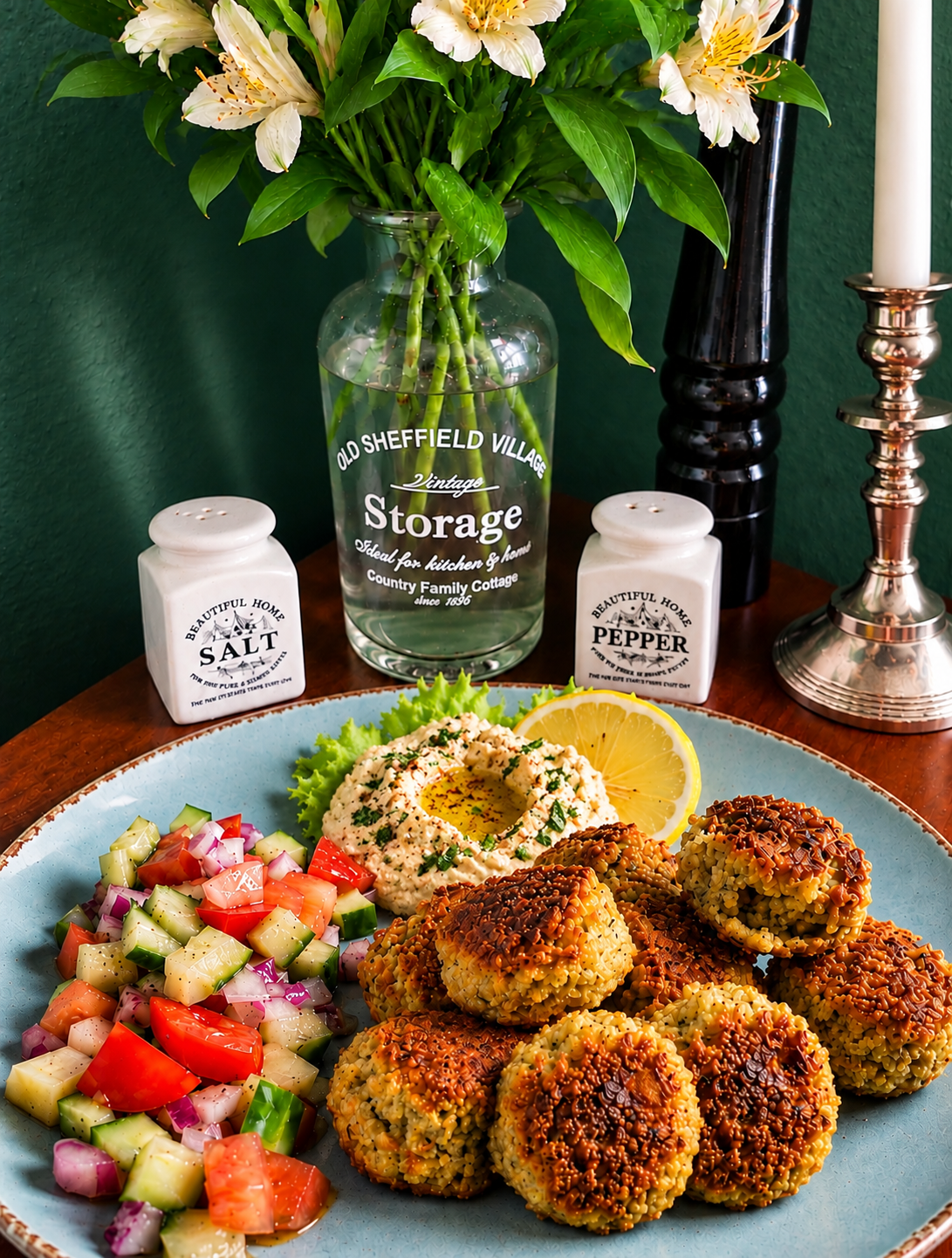
Ultimate Israeli vegan falafel with hummus and salad
You may also like
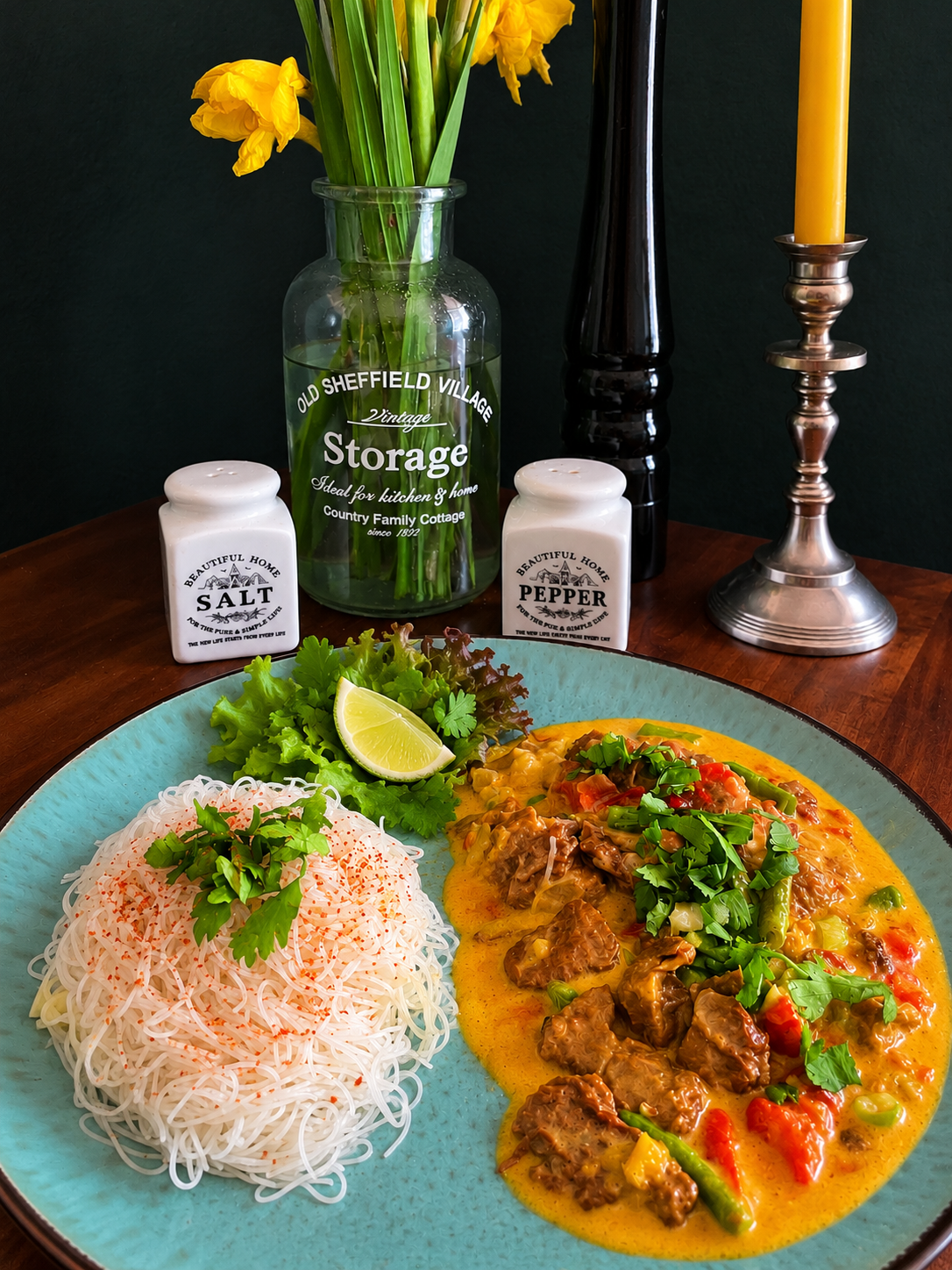
Laos – Lemongrass & Coconut Curry with Mock Duck and Rice Noodles
You may also like