From my kitchen to your plate.
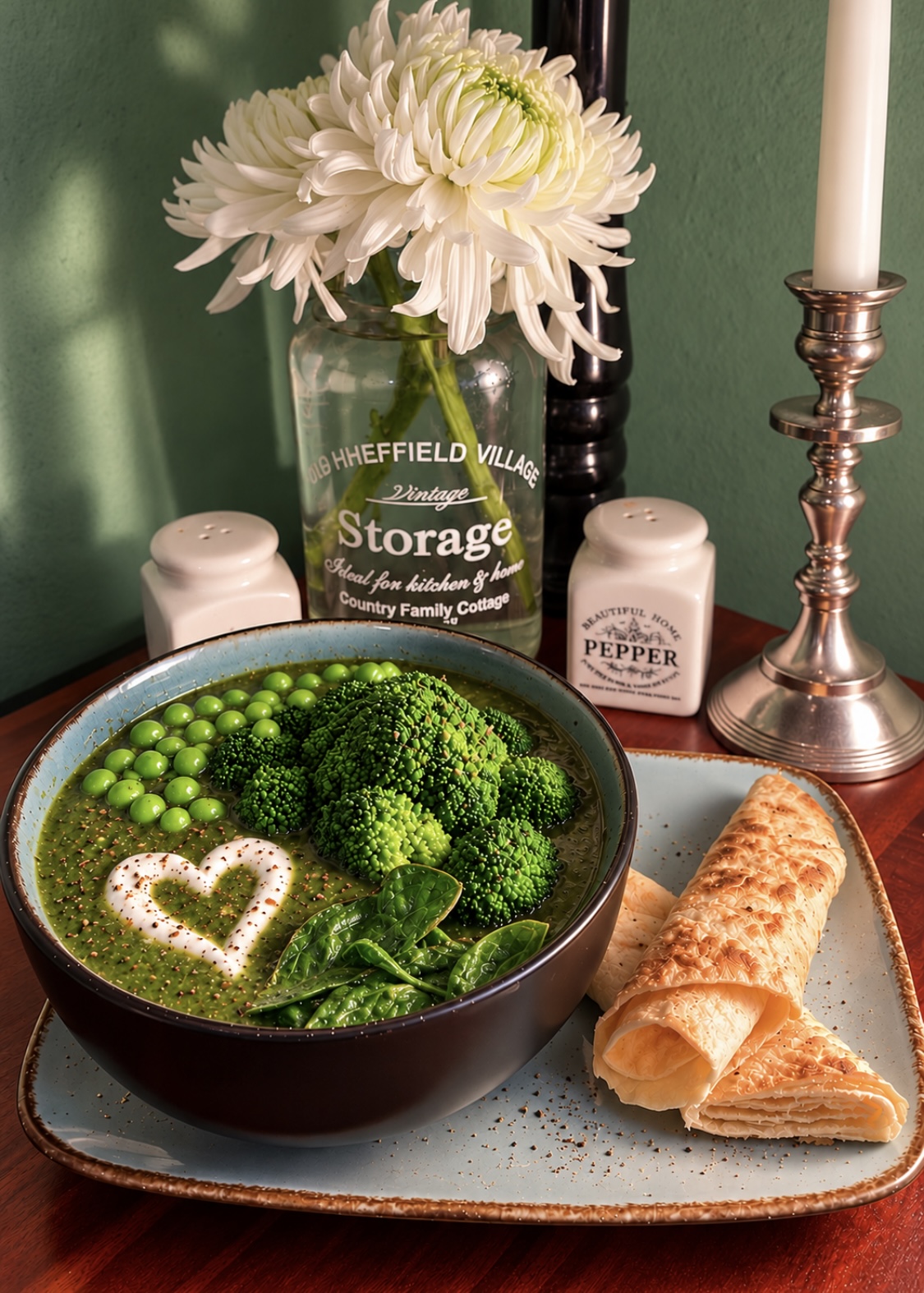
Dominica – The Nature Island of the CaribbeanDominica is a mountainous Caribbean island known for its lush rainforests, fertile volcanic landscapes and rich culinary heritage. Local cooking draws on fresh vegetables, tropical produce, herbs, root crops and traditional Caribbean seasonings. Callaloo is an important part of Dominican food culture, with recipes varying between families and households.
What Is Callaloo?Callaloo is a traditional Caribbean dish prepared with leafy greens and aromatic ingredients. In Dominica, dasheen leaves are traditionally associated with callaloo soup, although spinach can be used as an alternative. Okra contributes a characteristic texture, while coconut milk, thyme, onion, garlic and chilli create a fragrant, comforting combination. My Via Veggie Vegan version uses fresh spinach instead of dasheen leaves and adds broccoli, green peas, potato and a lighter coconut milk base. Crispy spinach leaves, two coconut cream hearts and optional rolled flatbread complete this colourful, fully plant-based interpretation.
From my kitchen to your plate.
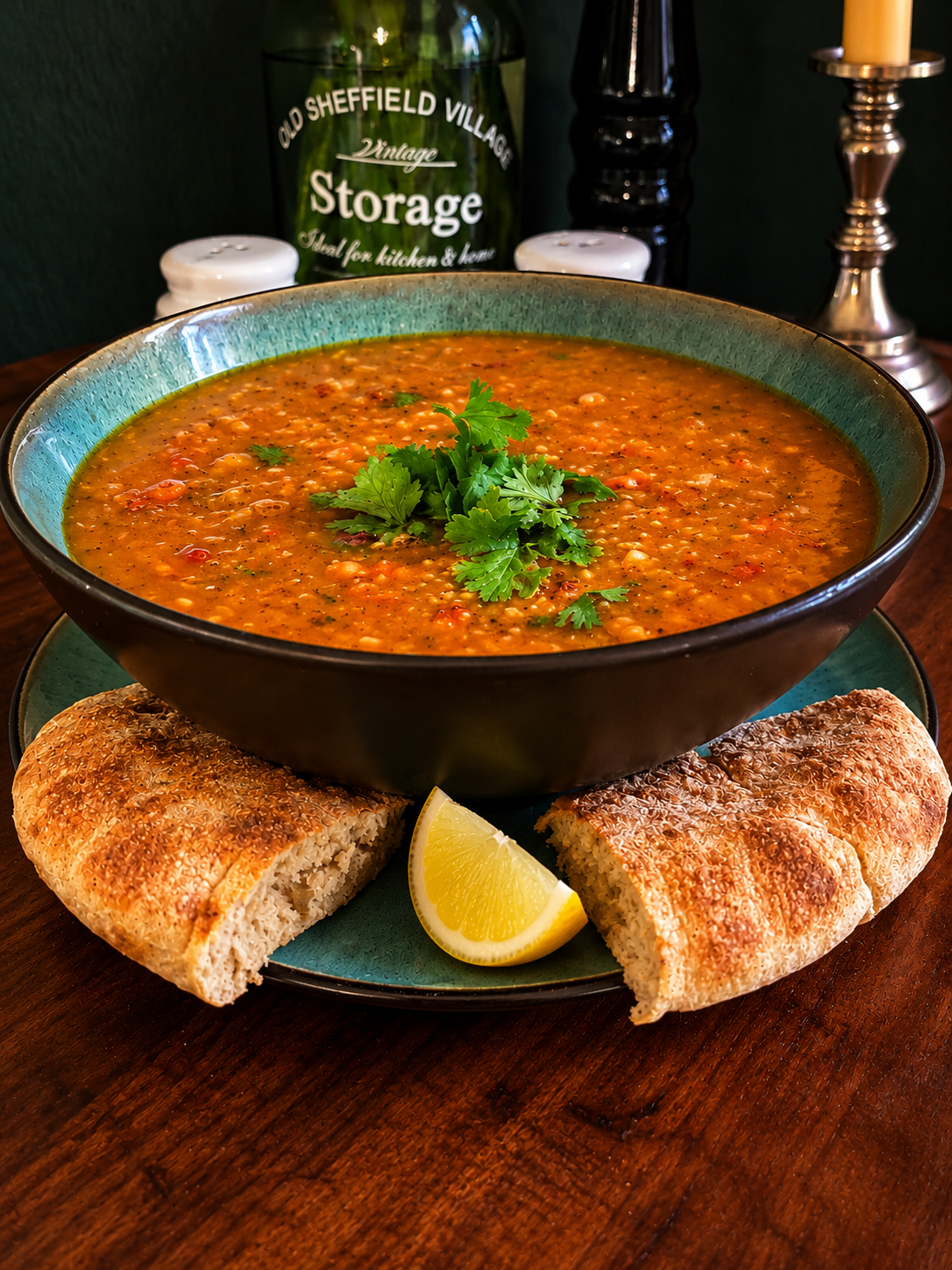
Syria – A Rich Culinary Heritage in the Heart of the LevantSyria is a Middle Eastern country with a culinary history shaped by centuries of trade, agriculture and cultural exchange. Its cuisine shares many ingredients and traditions with neighboring Lebanon, including lentils, chickpeas, olive oil, fresh herbs, garlic, lemon and aromatic spices. Soups, stews, vegetable dishes and flatbreads are important parts of Syrian home cooking. Shorbat Adas is especially appreciated as an affordable, warming and satisfying dish, often enjoyed during cooler months and at Iftar, the evening meal that breaks the Ramadan fast.
What Is Shorbat Adas – And How Does the Syrian Version Differ from the Lebanese One?Shorbat Adas literally means lentil soup: shorba refers to soup, while adas means lentils. The dish belongs to the shared culinary heritage of Syria, Lebanon and the wider Levant rather than exclusively to one country. Both Syrian and Lebanese preparations commonly feature lentils, onions and warming spices, often finished with fresh lemon juice. Some traditional recipe interpretations distinguish between cumin-forward Syrian versions and Lebanese variations seasoned with cinnamon. However, these are family and recipe variations, not strict national rules: cumin, turmeric, coriander and other spices appear in recipes from both countries. My Syrian-inspired Shorbat Adas uses cumin, turmeric, ground coriander, garlic and carrot, creating a beautifully aromatic soup that celebrates the close culinary connection between Syria and Lebanon.
From my kitchen to your plate.
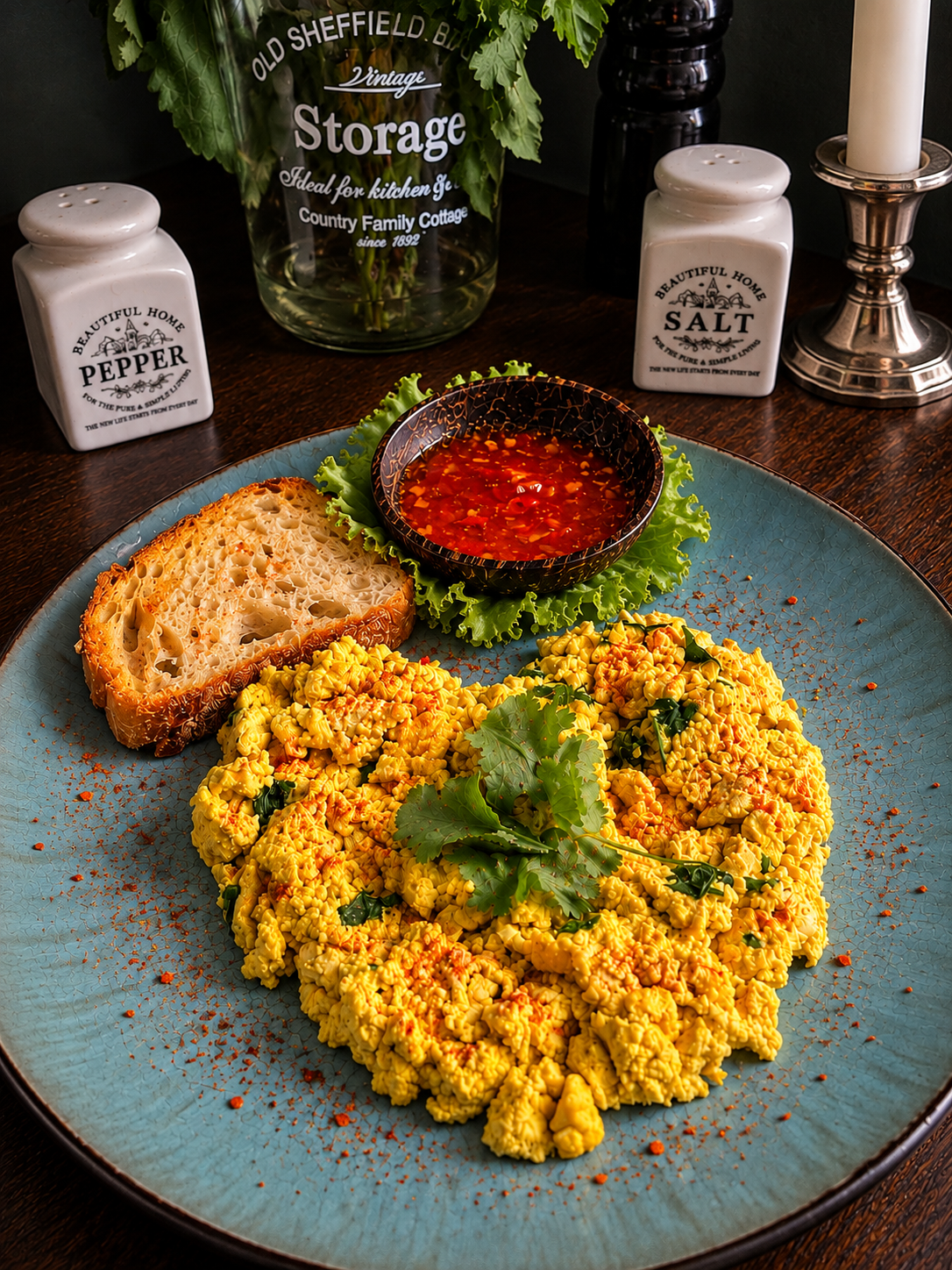
Vietnam – A Country of Extraordinary Street FoodVietnam is a Southeast Asian country celebrated for its vibrant food culture, fragrant herbs, fresh vegetables and distinctive balance of sweet, salty, sour and spicy flavors. Hanoi, the capital, is particularly famous for its lively street-food scene, where small stalls and family-run eateries serve freshly prepared dishes throughout the day. Its historic Old Quarter is a fascinating maze of narrow streets, traditional shops and countless opportunities to discover Vietnamese food.
What Is Bánh Mì Trứng?Bánh mì refers to Vietnamese bread and is also commonly used for the filled baguette sandwiches that have become an iconic part of the country's cuisine. Trứng means egg. Bánh Mì Trứng is therefore an egg-filled Vietnamese baguette, with preparations and accompaniments varying between vendors. This recipe takes inspiration from Hanoi's simple egg sandwiches but replaces the egg with a combination of firm and silken tofu. Turmeric provides the golden color, Kala Namak contributes an egg-like aroma, and fresh coriander and sweet chili sauce complete this Via Veggie Vegan interpretation.
From my kitchen to your plate.
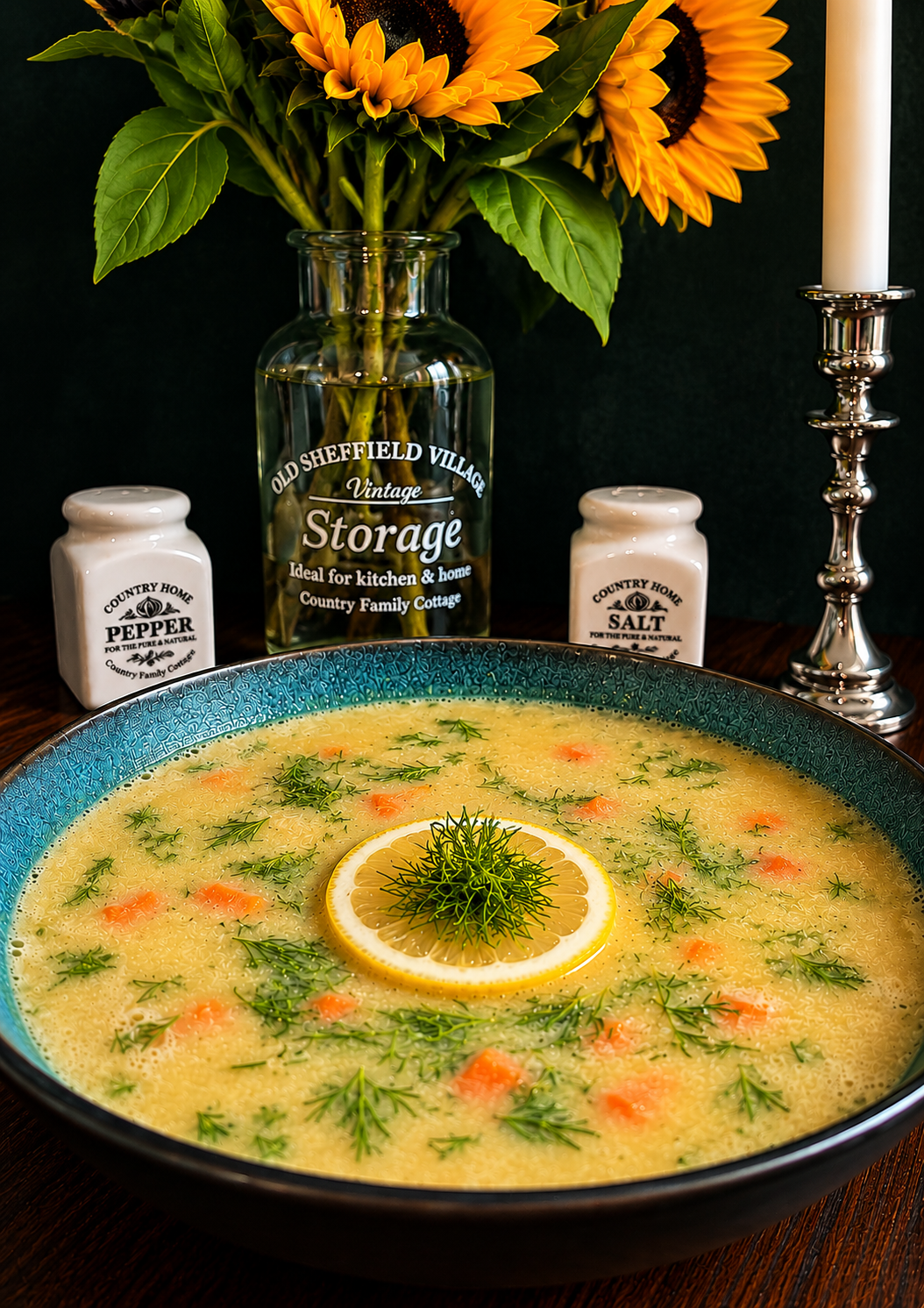
Greece – A Mediterranean Tradition of Fresh, Simple IngredientsGreek cuisine is deeply rooted in the Mediterranean way of eating, with olive oil, vegetables, legumes, herbs and citrus fruits playing central roles. From the sun-soaked islands to the mountainous mainland, traditional Greek cooking celebrates seasonal ingredients and straightforward preparation. Chickpeas have been part of the region's food culture since ancient times and remain an important ingredient in many everyday dishes, from hearty stews to nourishing soups.
Greek Chickpea Lemon Soup – A Fresh Plant-Based InterpretationChickpea soups have a long tradition in Greece, where dishes such as revithosoupa are commonly prepared with chickpeas, olive oil, onions and lemon. This modern, plant-based interpretation combines the creamy texture of blended chickpeas with fresh lemon, carrots, oat cream and aromatic dill. The result is a comforting soup that captures the spirit of Mediterranean cooking while adding a few contemporary touches. Its balance of earthy legumes, bright citrus and fresh herbs makes it both satisfying and refreshing.
From my kitchen to your plate.
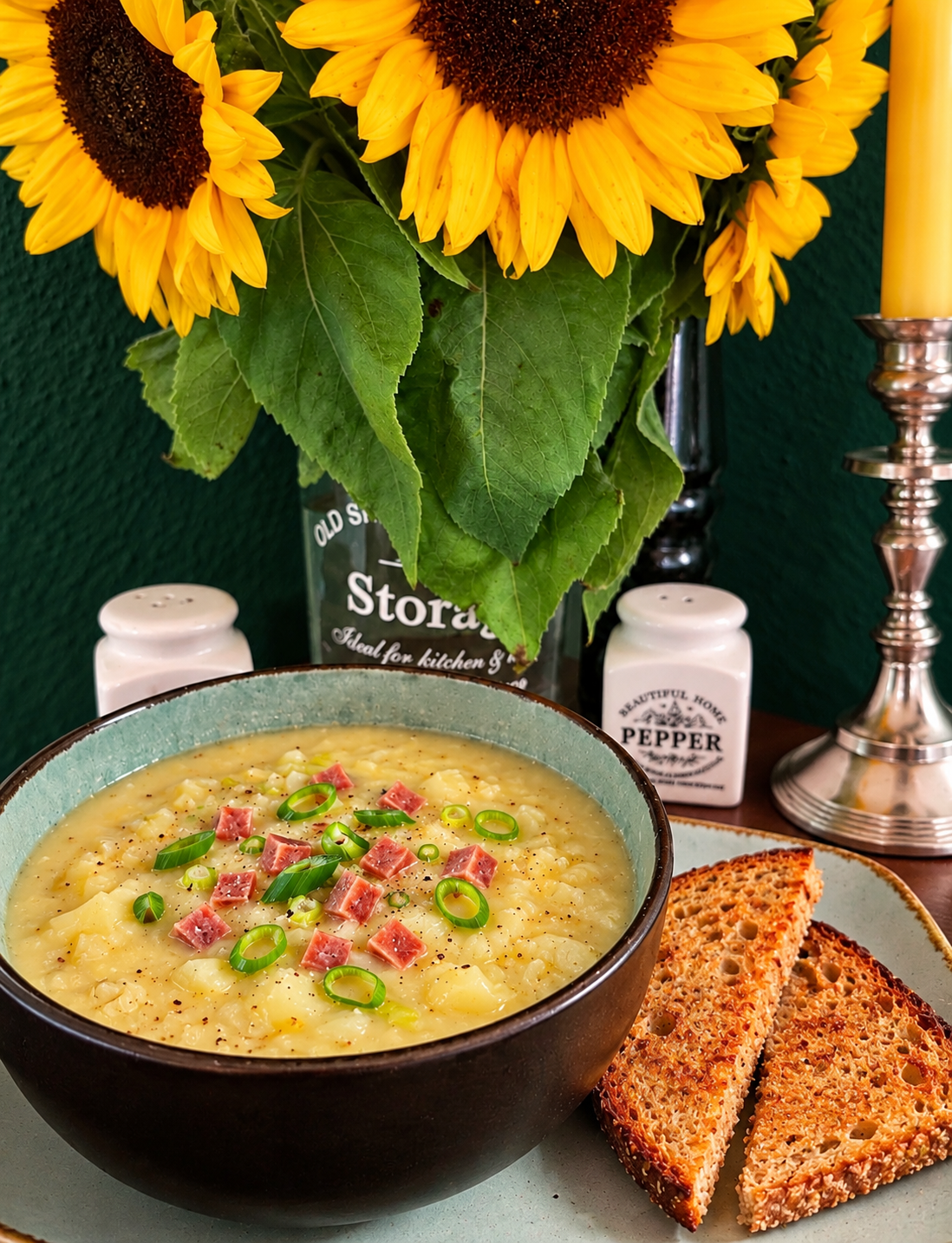
Norway – Nordic Simplicity and Seasonal Comfort FoodNorwegian cuisine is deeply influenced by the country's northern climate, agricultural traditions and appreciation for simple, nourishing ingredients. Root vegetables, potatoes, cabbage and other cool-weather crops have long been important in everyday home cooking. Warming soups are especially popular during the colder months, when hearty, practical dishes bring comfort to the table. Norwegian cooking often allows the natural flavours of its ingredients to shine without overwhelming them with complicated seasonings.
Blomkålsuppe – Norway's Creamy Cauliflower SoupBlomkålsuppe literally means cauliflower soup and is a familiar favourite in Norwegian home kitchens. Traditionally prepared with cauliflower, broth, milk or cream and a delicate touch of nutmeg, it is often served with tender cauliflower florets and savoury toppings such as crispy bacon or ham. My Via Veggie Vegan interpretation replaces dairy milk, cream and butter with oat drink, soy cream and vegan butter, while crispy plant-based ham cubes and fresh spring onions provide a delicious finishing touch.
From my kitchen to your plate.
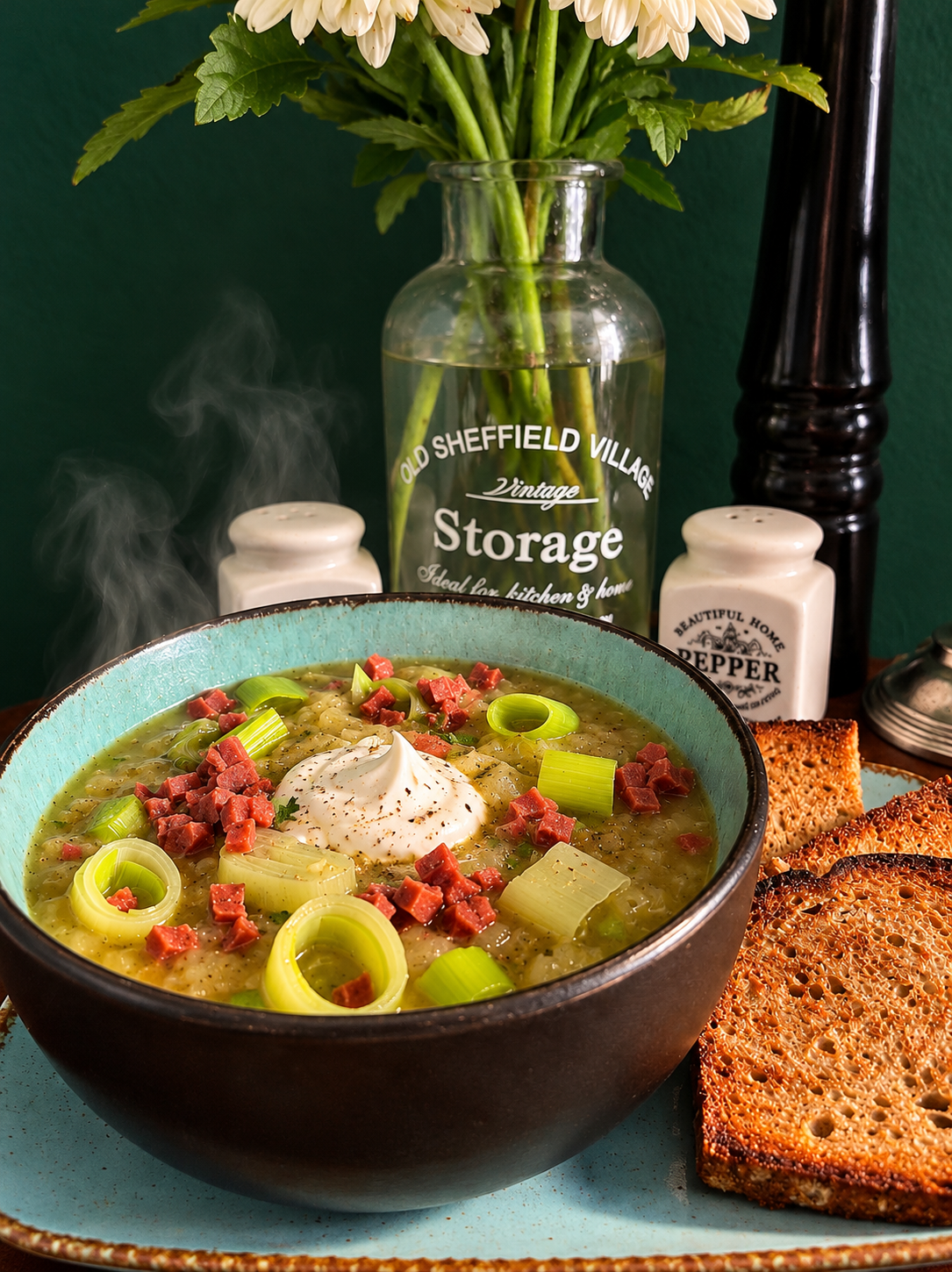
The Netherlands – A Country of Hearty, Practical Home CookingDutch cuisine has traditionally made excellent use of affordable, locally grown vegetables, especially potatoes, leeks, carrots, onions and cabbage. The Netherlands has a long agricultural history, and simple, nourishing dishes have been part of everyday family cooking for generations. From hearty stamppot to warming vegetable soups, Dutch comfort food is all about making the most of seasonal ingredients and transforming them into satisfying meals.
Aardappel-preisoep – Traditional Dutch Potato Leek SoupAardappel-preisoep literally translates to potato leek soup. This familiar Dutch home-style dish combines potatoes and leeks in a warming, gently flavoured soup. Some versions are blended until completely smooth, while others retain chunks of vegetables for a more rustic consistency. My Via Veggie Vegan interpretation combines both textures and adds plant-based cooking cream, nutritional yeast, crispy vegan bacon and a spoonful of vegan sour cream for an extra comforting finish.
From my kitchen to your plate.
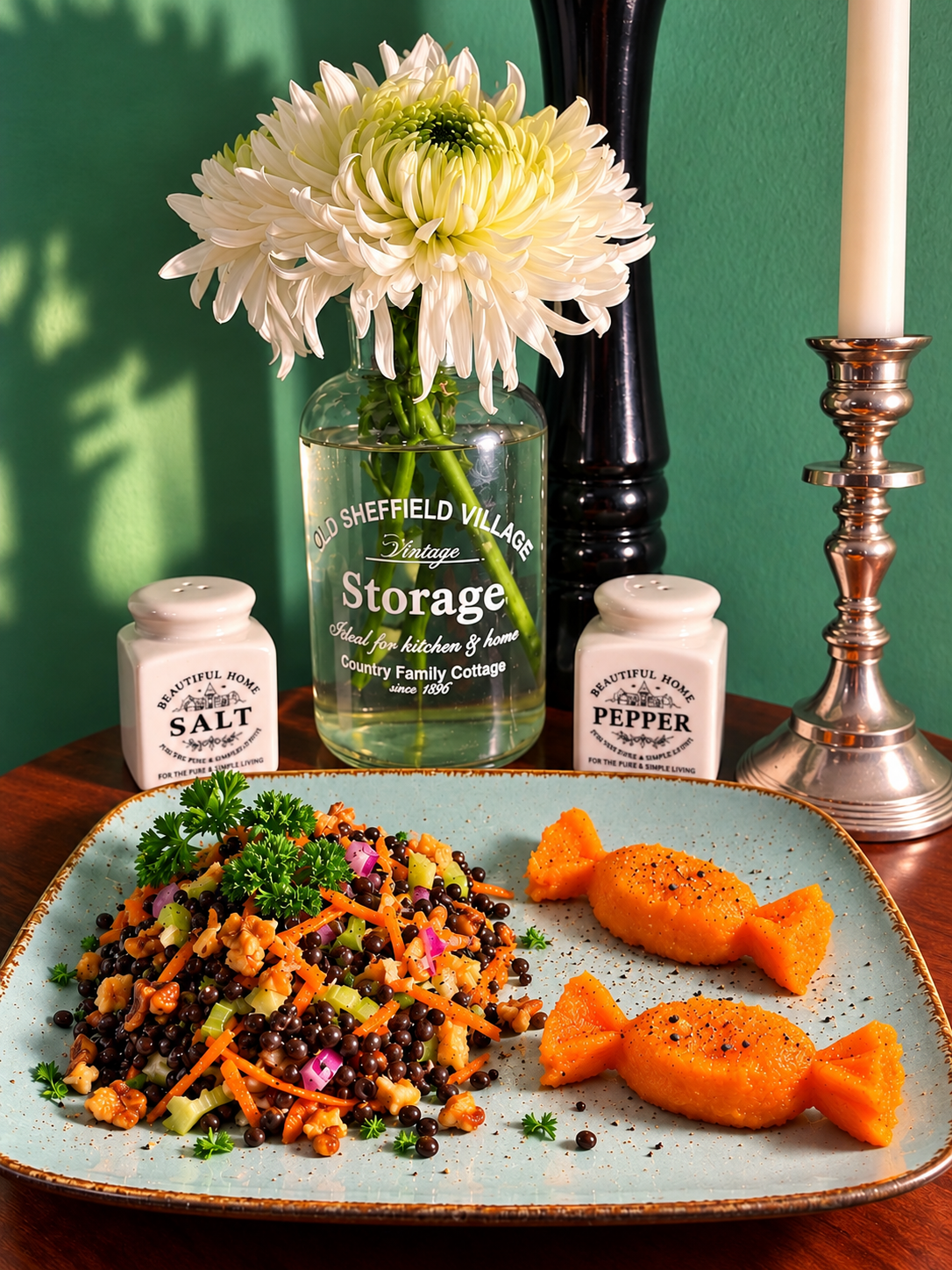
France – A Culinary Celebration of the SeasonsFrench cuisine has a long tradition of celebrating fresh, seasonal ingredients and regional produce. As autumn arrives, walnuts, root vegetables, lentils and warming, earthy flavours take centre stage. From countryside kitchens to neighbourhood bistros, simple salads made with pulses, vegetables and aromatic vinaigrettes reflect the French appreciation for quality ingredients and thoughtful preparation.
Salade d’Automne aux Lentilles et Noix – A French Autumn ClassicFrench lentil salads are traditionally prepared with firm, flavourful lentils, often the famous green Lentilles Vertes du Puy, and dressed with mustard vinaigrette. This autumn-inspired interpretation uses black Beluga lentils, which retain their shape beautifully and offer a delicate, earthy flavour. Toasted walnuts, crunchy vegetables and a slightly sweet walnut oil vinaigrette create a wonderful balance of textures and seasonal aromas.
From my kitchen to your plate.
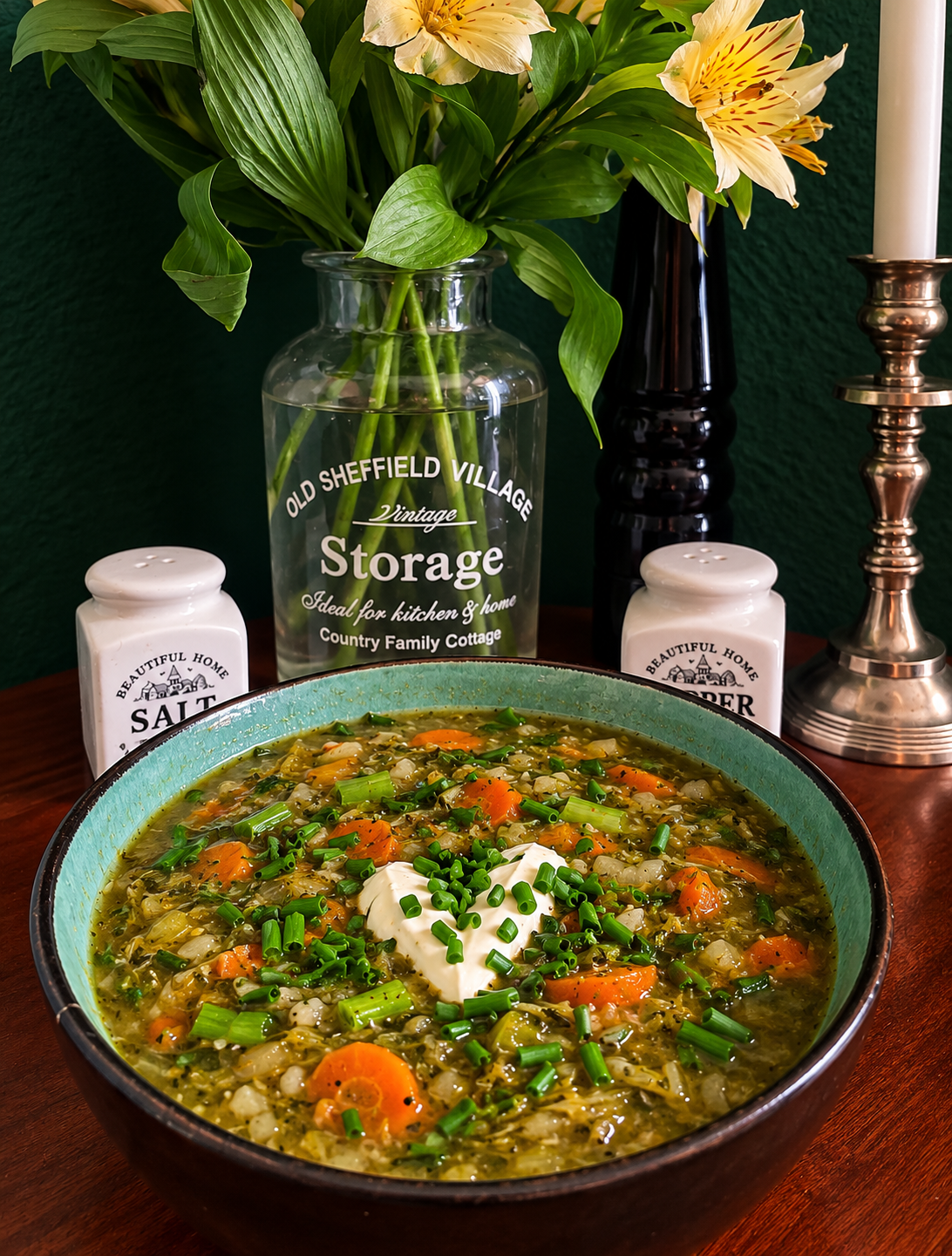
Romania – A Country of Hearty Soups and Culinary TraditionsRomanian cuisine is shaped by regional traditions, seasonal vegetables and influences from the Balkans, Central Europe and the Ottoman world. Soups are an important part of everyday food culture, particularly ciorbă, a family of soups known for their pleasantly tangy flavour. Fresh herbs such as lovage and parsley, root vegetables and homemade vegetable broths give these dishes their distinctive character. Orthodox Christian fasting traditions have also influenced Romanian cooking, inspiring a rich variety of naturally plant-based dishes.
What Is Ciorbă de Praz de Post?Ciorbă de praz de post is a Romanian fasting-style leek soup. The word "praz" means leek, while "de post" indicates a dish prepared according to religious fasting traditions, generally without meat, dairy products or eggs. Traditional versions combine tender leeks, root vegetables, vegetable broth and fresh herbs, often finished with a pleasantly sour note. My Via Veggie Vegan version uses lemon juice, a little plant-based sour cream for creaminess and fresh chives for a colourful finish. The soup is entirely plant-based and inspired by Romania's tradition of simple, nourishing fasting dishes.
From my kitchen to your plate.
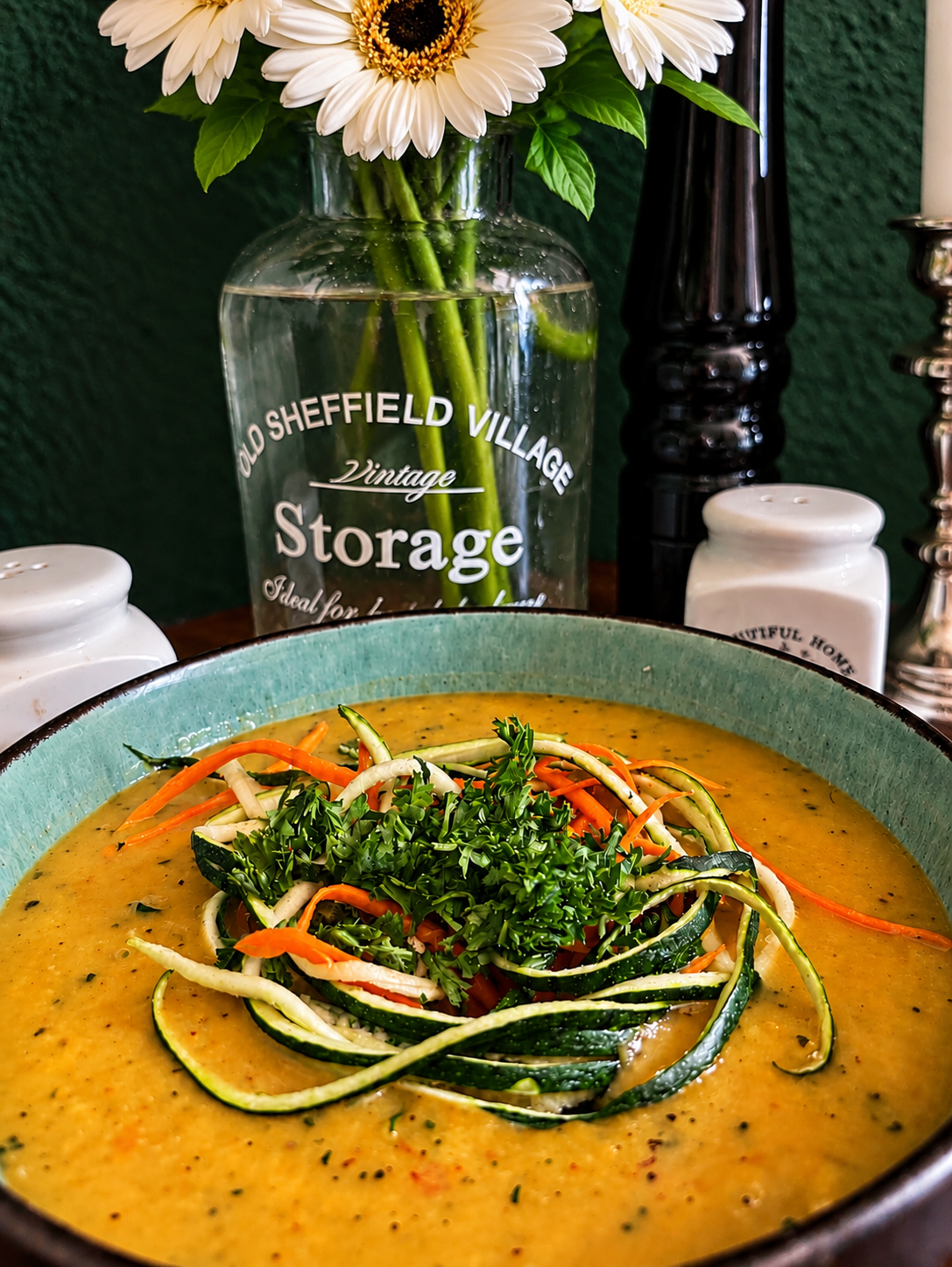
Serbia – A Country of Hearty Balkan CookingSerbian cuisine reflects centuries of Balkan culinary traditions, combining influences from Central Europe, the Ottoman Empire and neighboring southeastern European countries. Hearty soups, slow-cooked stews, seasonal vegetables, aromatic paprika and fresh herbs are important elements of Serbian home cooking. Traditional meals often celebrate simple, affordable ingredients transformed into satisfying dishes, with warm soups playing a particularly important role during the colder months.
Čorba sa Tikvicama i Šargarepom – Zucchini & Carrot SoupČorba is a Serbian term commonly used for a hearty soup, often with vegetables, meat or other substantial ingredients. Čorba sa tikvicama i šargarepom simply means soup with zucchini and carrots. Rather than representing one strictly standardized national recipe, this dish reflects the tradition of preparing comforting vegetable soups with seasonal produce. My Via Veggie Vegan interpretation combines zucchini, carrots, potatoes, garlic, paprika and marjoram with a creamy soy-based finish. A portion of the soup is blended to create a velvety consistency while preserving some of the vegetables' natural texture. Fresh parsley, delicate vegetable ribbons and an optional touch of chili bring this rustic Balkan-inspired soup to life.
From my kitchen to your plate.
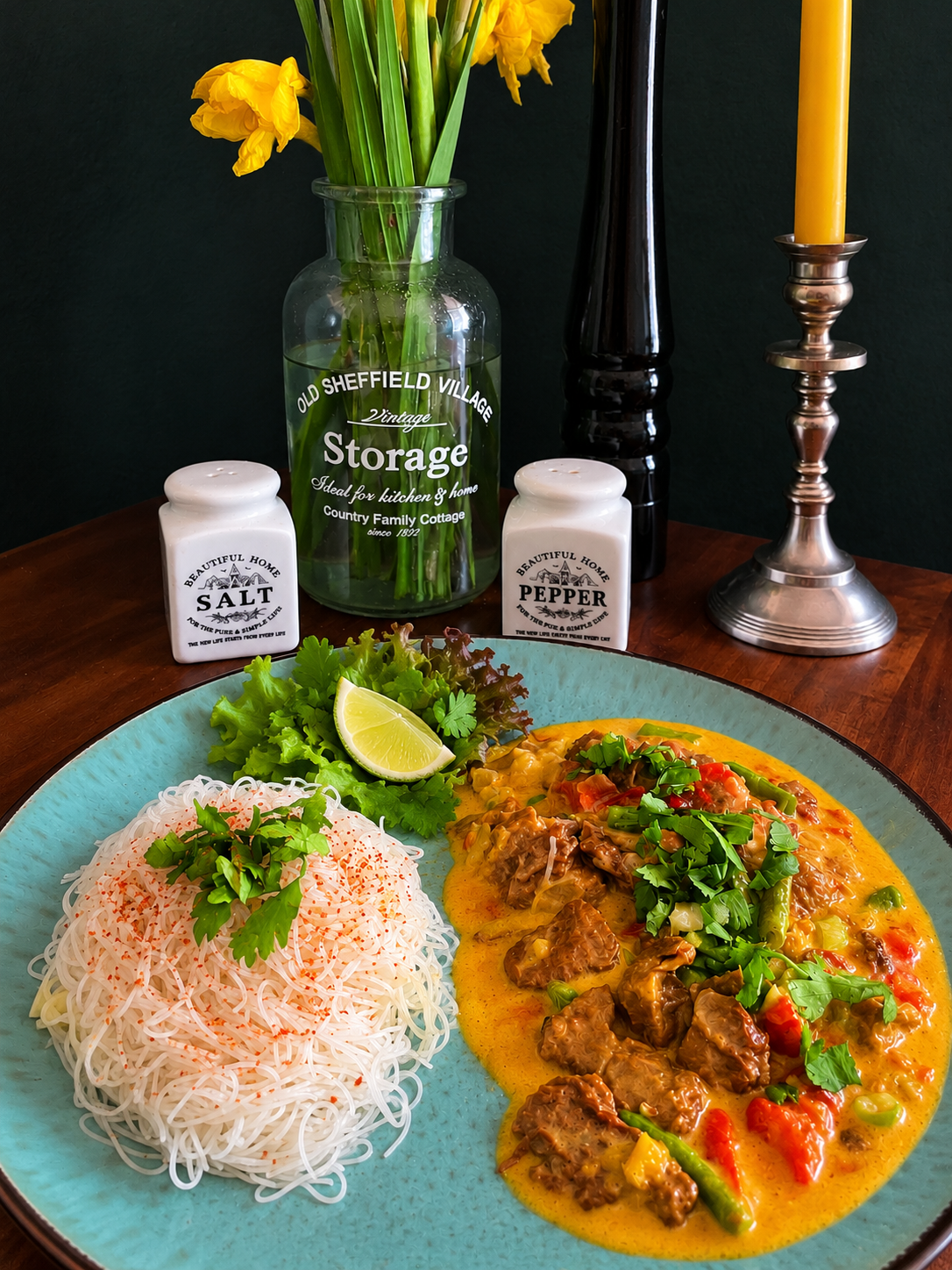
Laos – A Cuisine Built Around Fresh Herbs and Bold FlavorsLaos is a landlocked Southeast Asian country with a rich culinary heritage shaped by fresh herbs, fragrant aromatics and the balance of spicy, salty, sour and subtly sweet flavors. Lemongrass, galangal, chilies, makrut lime leaves and coriander play important roles in many dishes. One of the country's most important staples is sticky rice, known as khao niao, traditionally eaten with a wide variety of vegetables, dips, salads and savory dishes.
Lemongrass & Coconut Curry – A Lao-Inspired Vegan InterpretationThis Lemongrass & Coconut Curry is my own plant-based interpretation of characteristic Lao flavors rather than a recreation of one particular traditional dish. A homemade curry paste combines lemongrass, galangal, garlic, shallots and dried chilies, while coconut milk creates a silky, aromatic sauce. Mock Duck adds a satisfying, meaty texture, and fresh vegetables bring color and freshness. Instead of the more traditional sticky rice, I serve my curry with delicate rice noodles – a delicious little twist inspired by the contents of my kitchen.
From my kitchen to your plate.
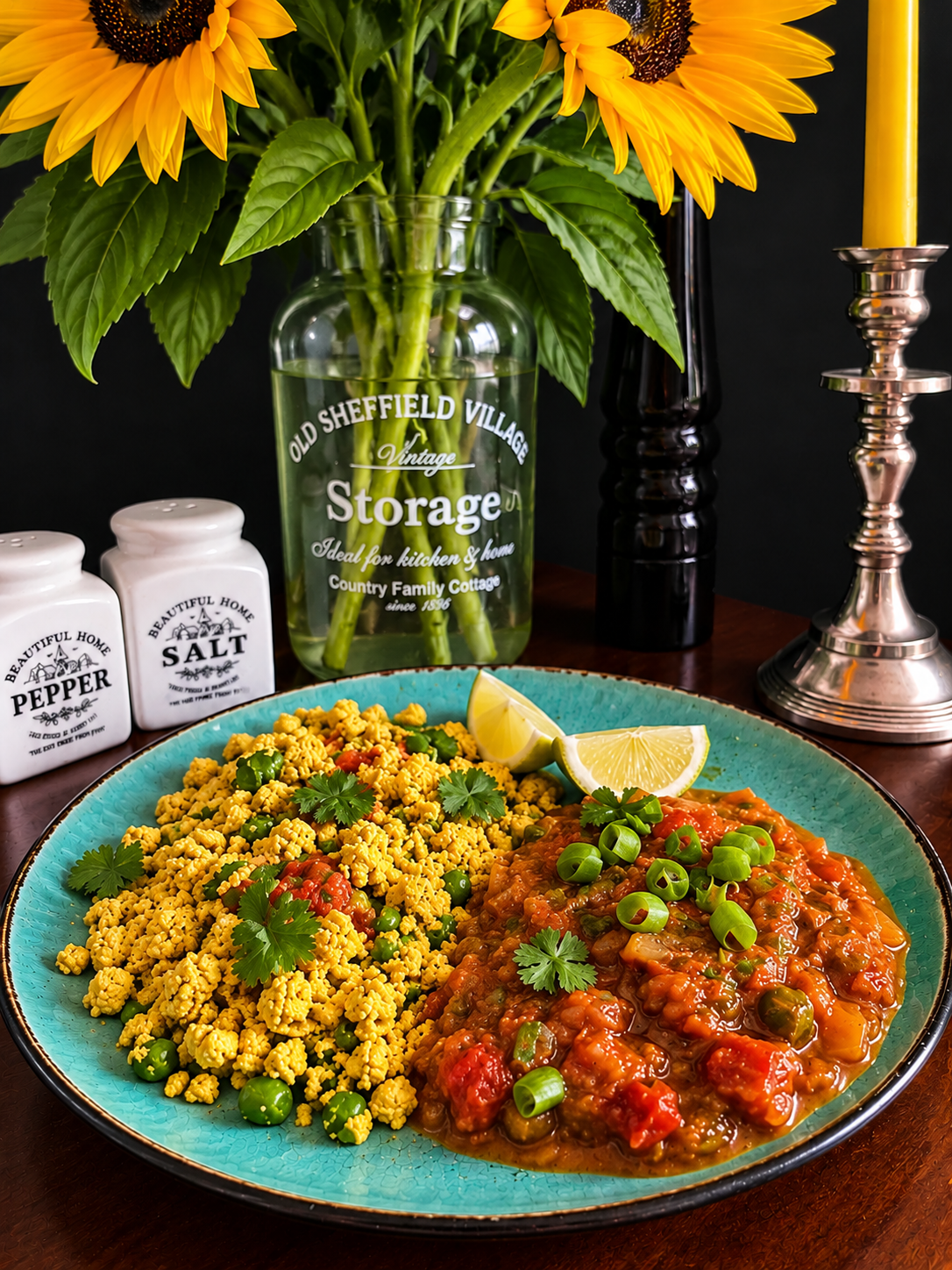
Trinidad & Tobago – Where Indian and Caribbean Food Traditions MeetTrinidad and Tobago is a twin-island Caribbean nation whose cuisine reflects African, Indian, Indigenous, European and Chinese influences. Indian indentured labourers began arriving in Trinidad in 1845, bringing culinary techniques and food traditions that gradually became part of the islands' distinctive cuisine. Today, dishes such as roti, doubles and choka are closely associated with Indo-Trinidadian food culture. Garlic, hot peppers, fresh herbs and boldly seasoned vegetables play an important role in everyday cooking.
Tomato Choka – Smoky Roasted Tomatoes with a Sizzling FinishTomato Choka is a traditional Trinidadian preparation in which ripe tomatoes are roasted until soft and smoky, mashed and combined with garlic, onion and chili. One characteristic technique is known as chunkay: hot oil is poured over the seasoned vegetables to release their aromas. Tomato Choka is commonly enjoyed with Sada Roti, a simple unleavened flatbread. My Via Veggie Vegan version preserves the character of the tomato preparation but pairs it with creamy tofu scramble instead of the traditional bread accompaniment. The result is a completely plant-based breakfast combining authentic Trinidadian inspiration with a modern vegan twist.
From my kitchen to your plate.
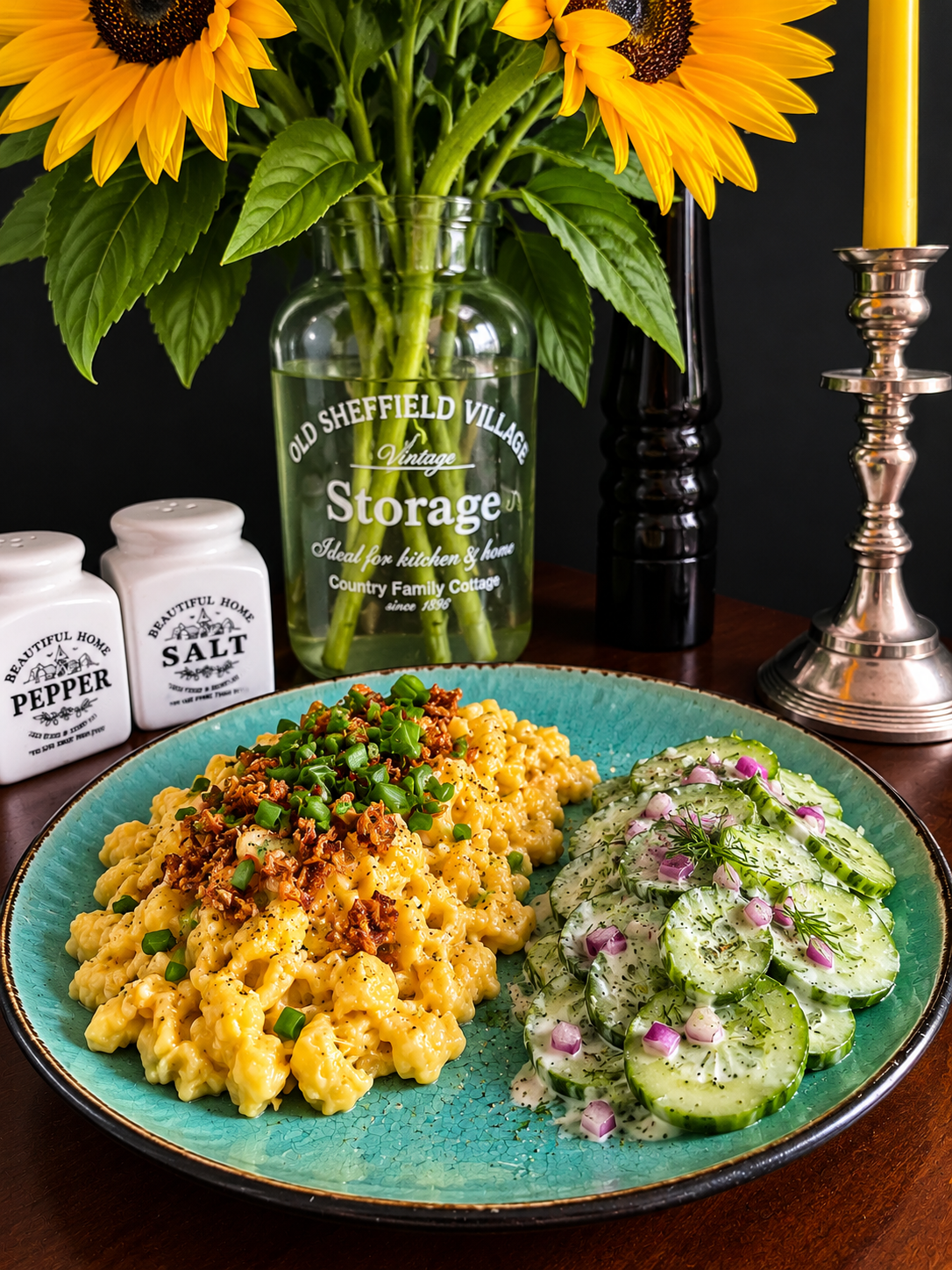
Switzerland – Alpine Comfort Food and Regional Culinary TraditionsSwitzerland is famous for its Alpine landscapes, regional food traditions and long history of cheese-making. Swiss cuisine reflects influences from neighbouring Germany, France, Italy and Austria, while also maintaining its own distinctive regional specialities. In German-speaking Switzerland, hearty dishes made with potatoes, flour, dairy products and cheese have long been associated with everyday home cooking and mountain life. The country's different regions have developed their own culinary identities, making Switzerland a fascinating destination for anyone exploring traditional European comfort food.
Chäschnöpfli – Switzerland's Beloved Cheese SpätzleSpätzle and Knöpfli belong to the shared culinary heritage of the German-speaking Alpine region, with particularly well-known traditions in southern Germany, Austria and Switzerland. In Switzerland, the small dumpling-like pasta is often called Knöpfli, while versions combined with melted cheese are known as Chäschnöpfli or Käsespätzli. Traditional preparations generally use eggs in the dough and regional cheeses for their rich flavour. My Via Veggie Vegan version replaces the eggs with sparkling mineral water, Kala Namak and turmeric, while plant-based cheddar, almond butter and nutritional yeast create a creamy, savoury finish. A fresh cucumber dill salad provides a colourful contrast to this wonderfully comforting Swiss-inspired dish.
From my kitchen to your plate.
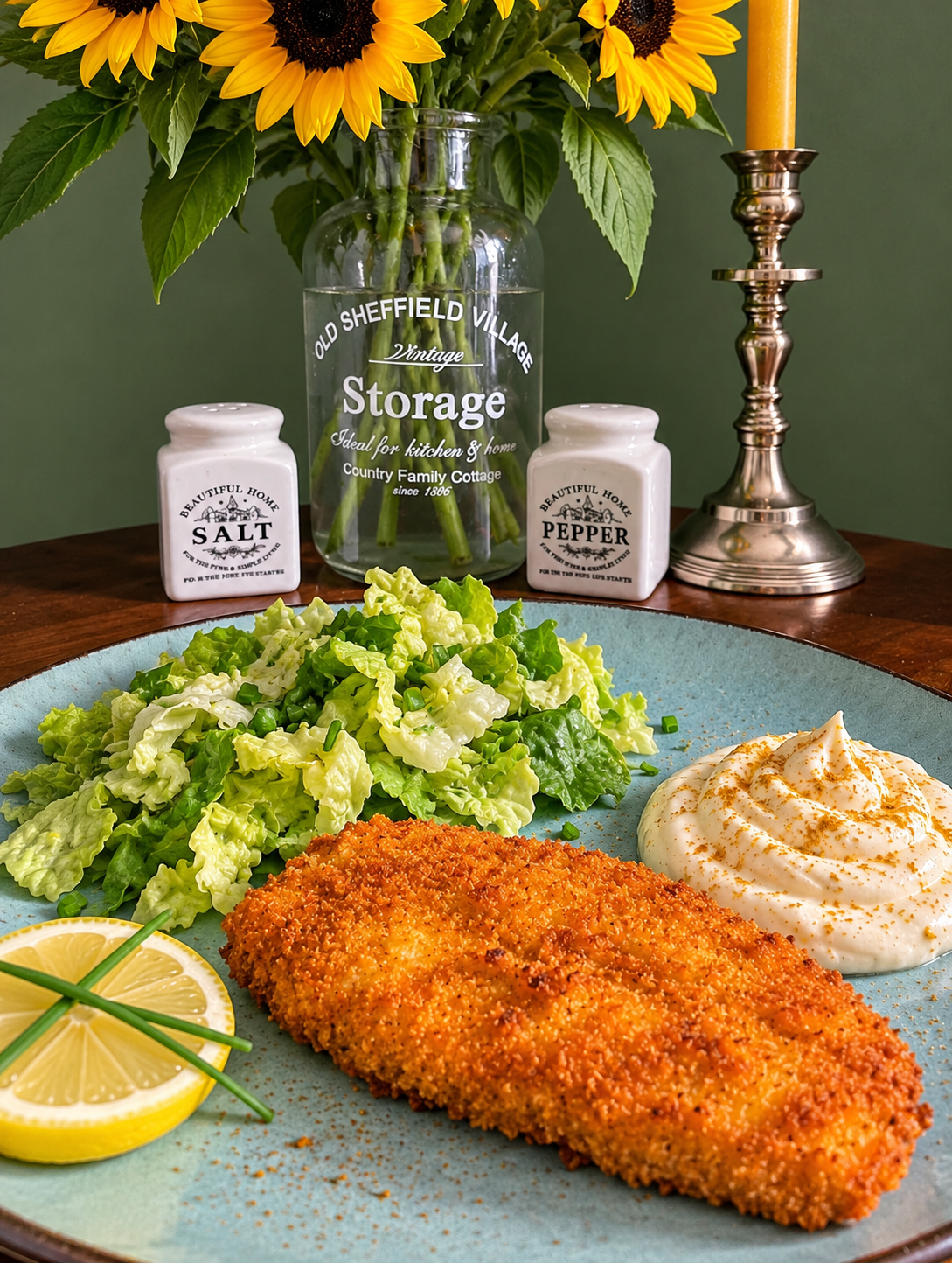
Denmark – Nordic Comfort Food and Seasonal IngredientsDenmark is a Scandinavian country known for its coastal landscapes, agricultural traditions and appreciation of simple, seasonal food. Danish cuisine has long made use of root vegetables, potatoes, cabbage, rye bread, fresh herbs and creamy sauces. From traditional home cooking to modern Nordic cuisine, familiar ingredients are often transformed into satisfying dishes that celebrate flavour, texture and seasonality. Celeriac is particularly well suited to this style of cooking, offering a delicate, earthy flavour and a wonderfully tender texture when prepared correctly.
From Danish Dildsovs to Crispy Celeriac with Curry MayoDildsovs is a traditional Danish dill sauce, often prepared with a light roux, fresh dill and a creamy liquid. It is commonly associated with fish and other classic Danish meals. This Via Veggie Vegan recipe began with the idea of pairing celeriac with a Danish-inspired sauce, but the final plate took a different direction: breaded, golden-fried celeriac served with homemade vegan curry mayonnaise. Curry-flavoured dressings and remoulade-style sauces are familiar accompaniments in Danish food culture, particularly with certain sandwiches, fish dishes and fried foods. My version combines that flavour inspiration with a completely plant-based, egg-free mayonnaise and a fresh green salad.
From my kitchen to your plate.
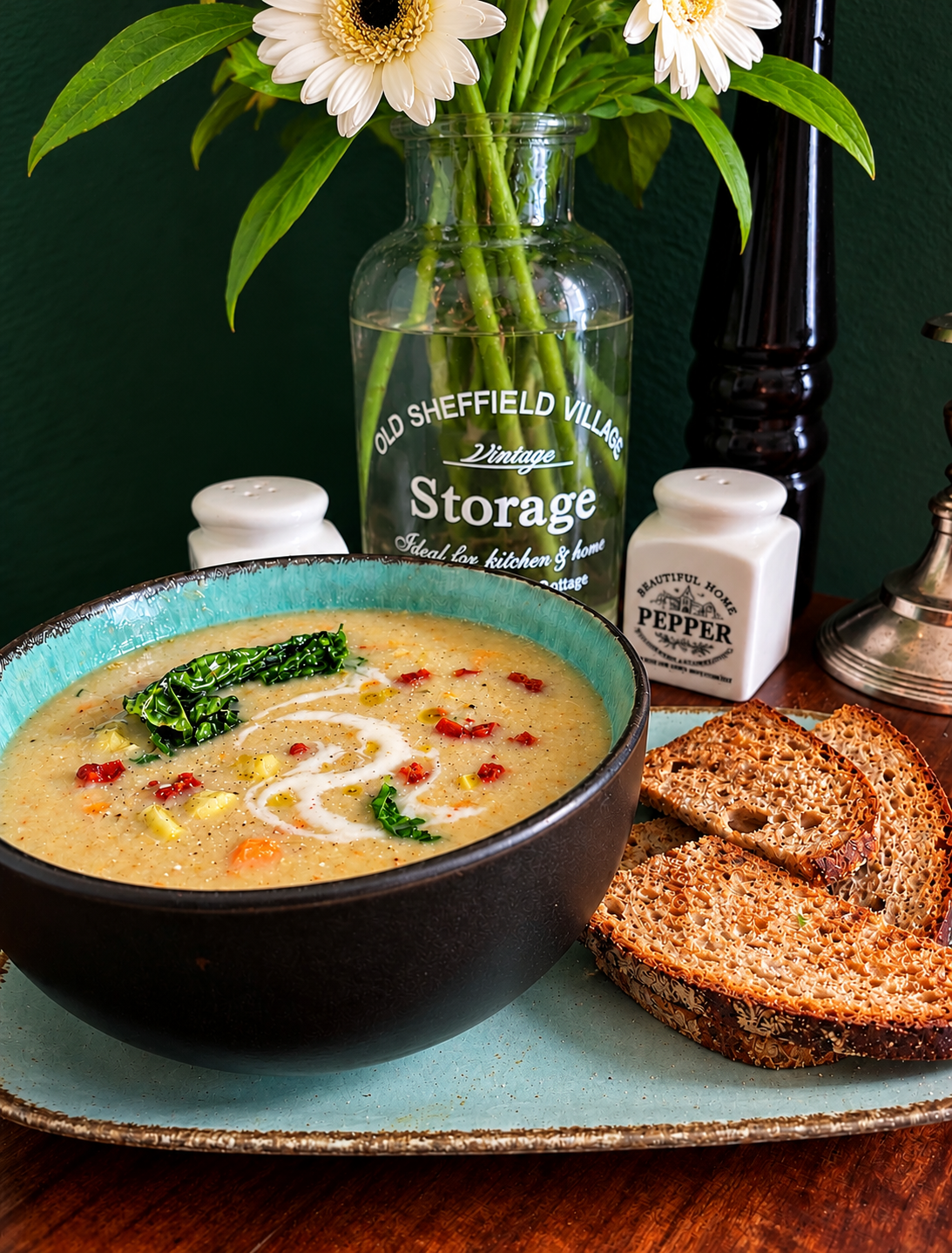
Poland – A Country of Hearty Traditions and Regional CuisinePoland is a Central European country with a rich culinary heritage shaped by regional traditions, seasonal produce and generations of home cooking. Polish cuisine is particularly well known for its comforting soups, potato dishes, cabbage preparations, dumplings and hearty stews. Vegetables such as carrots, potatoes, onions, beetroot and kohlrabi have long played an important role in everyday meals. From the Baltic coast to the mountainous south, Polish cooking celebrates familiar ingredients transformed into satisfying dishes that bring families together around the table.
Silesian Oberiba – A Traditional Kohlrabi SoupOberiba is a regional name associated with kohlrabi in Silesian culinary traditions. Kohlrabi soup, known more generally in Polish as zupa z kalarepy, is a rustic vegetable preparation that can feature tender kohlrabi, potatoes, carrots, broth and cream. In traditional versions, meat-based broth may provide additional depth, while the tender young kohlrabi leaves can be cooked alongside the vegetables. My Via Veggie Vegan interpretation replaces animal-based ingredients with homemade vegetable broth, oat cream and vegan ham cubes. Crispy kohlrabi leaves and a little vegan sour cream give this comforting Silesian-inspired soup a delicious finishing touch.
From my kitchen to your plate.
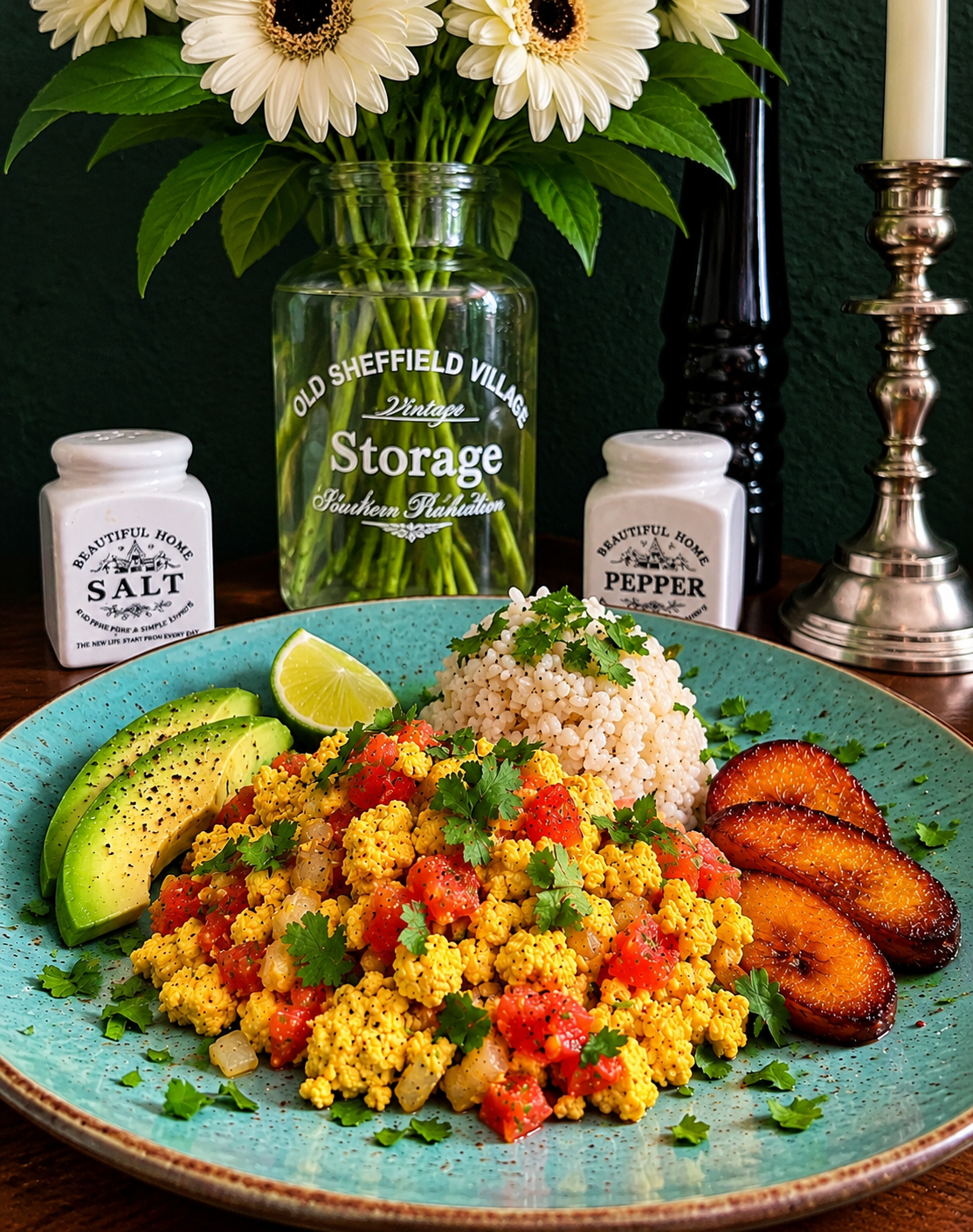
Colombia – A Country of Mountains, Coffee and Culinary DiversityColombia lies in northwestern South America and is known for its extraordinary geographical diversity, from the Andes Mountains and Caribbean coastline to the Amazon rainforest. Its cuisine reflects Indigenous, African and European influences, with regional specialties ranging from hearty soups and corn-based dishes to tropical fruits and colorful breakfast traditions. Breakfast is an important part of Colombian food culture, and savory dishes are particularly popular.
Huevos Pericos – Colombia's Colorful Scrambled EggsHuevos Pericos are a beloved Colombian breakfast dish traditionally made with scrambled eggs, tomatoes and spring onions. The name "pericos" is often associated with the colorful appearance of the dish. Huevos Pericos are commonly served with arepas, bread, avocado or other breakfast accompaniments. My Via Veggie Vegan version replaces the eggs with a combination of firm and silken tofu, soy milk, nutritional yeast, turmeric and Kala Namak. Instead of preparing the scramble in a frying pan, I bake it in the oven for a soft, creamy texture.
From my kitchen to your plate.
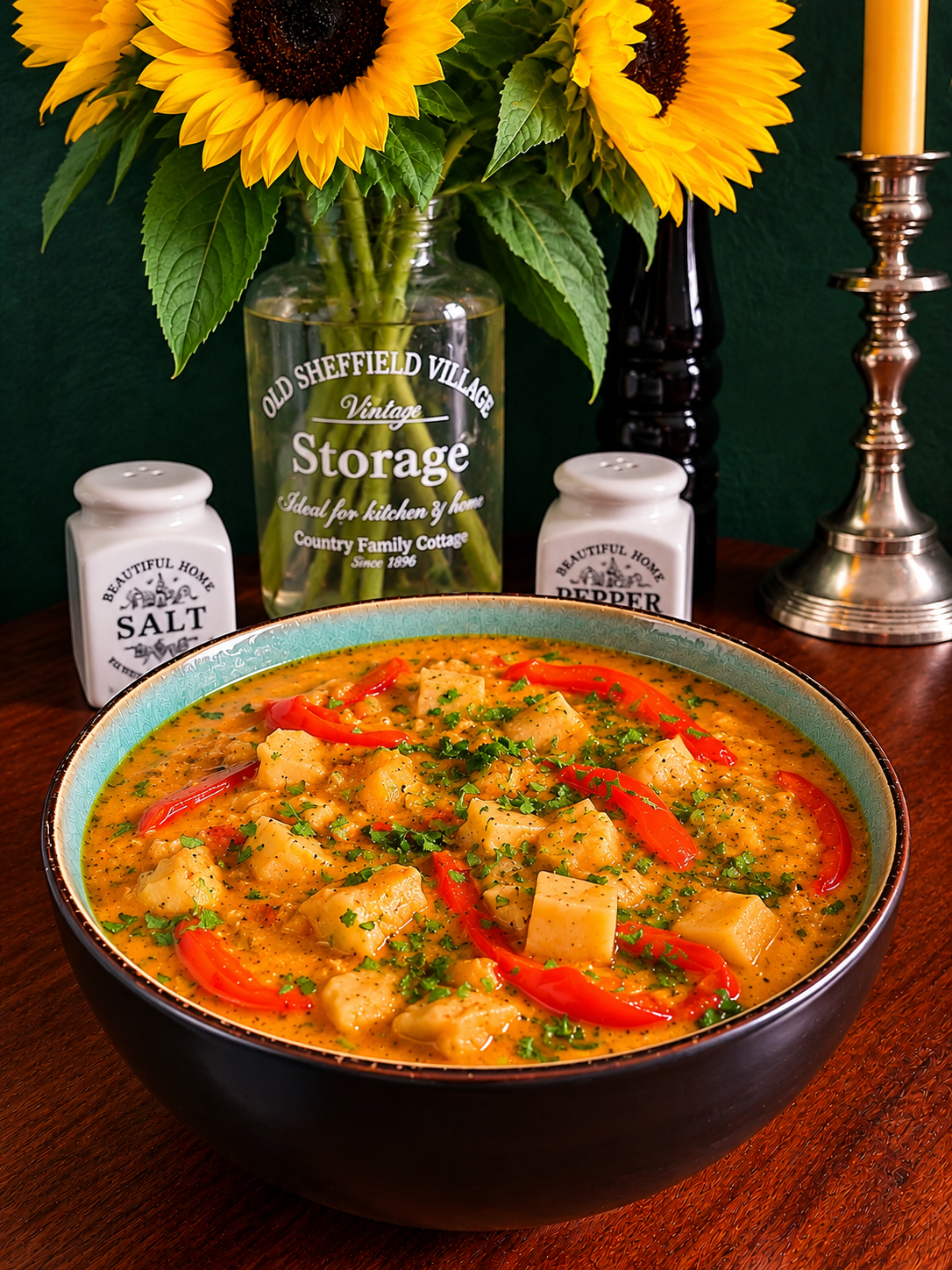
Brazil – A Country of Culinary DiversityBrazil is the largest country in South America, renowned for its extraordinary biodiversity, tropical landscapes, vibrant cities and rich cultural heritage. Its cuisine reflects centuries of Indigenous Brazilian, African, Portuguese and other cultural influences, creating a fascinating variety of regional food traditions. From the Amazon rainforest to the Atlantic coastline, local ingredients and cooking techniques differ considerably. Coconut milk, cassava, beans, peppers, fresh herbs and tropical fruits all play important roles in Brazilian cooking. The northeastern state of Bahia is particularly famous for its aromatic, colourful dishes and strong Afro-Brazilian culinary heritage, making it a wonderful source of inspiration for my Via Veggie Vegan journey.
What Is Moqueca de Salsão-Raiz?Moqueca is a traditional Brazilian stew particularly associated with the coastal states of Bahia and Espírito Santo. Moqueca baiana typically combines fish or seafood with coconut milk, red palm oil, tomatoes, peppers, onions and coriander, while moqueca capixaba follows a different regional tradition without coconut milk or palm oil. My Moqueca de Salsão-Raiz is a contemporary, Brazilian-inspired vegan interpretation that gives celeriac the leading role. Tender pieces of this wonderfully earthy root vegetable are cooked with tomatoes, red bell pepper, garlic and chili in a rich coconut sauce. Fresh turmeric and a little orange zest create a beautiful golden-orange colour without using traditional red palm oil, while lime juice and plenty of fresh coriander provide a vibrant, aromatic finish. A colourful, comforting plant-based tribute to the flavours of Bahia – with a very personal Via Veggie Vegan twist!
From my kitchen to your plate.
Albania – Mountains, Forests and Mediterranean Traditions
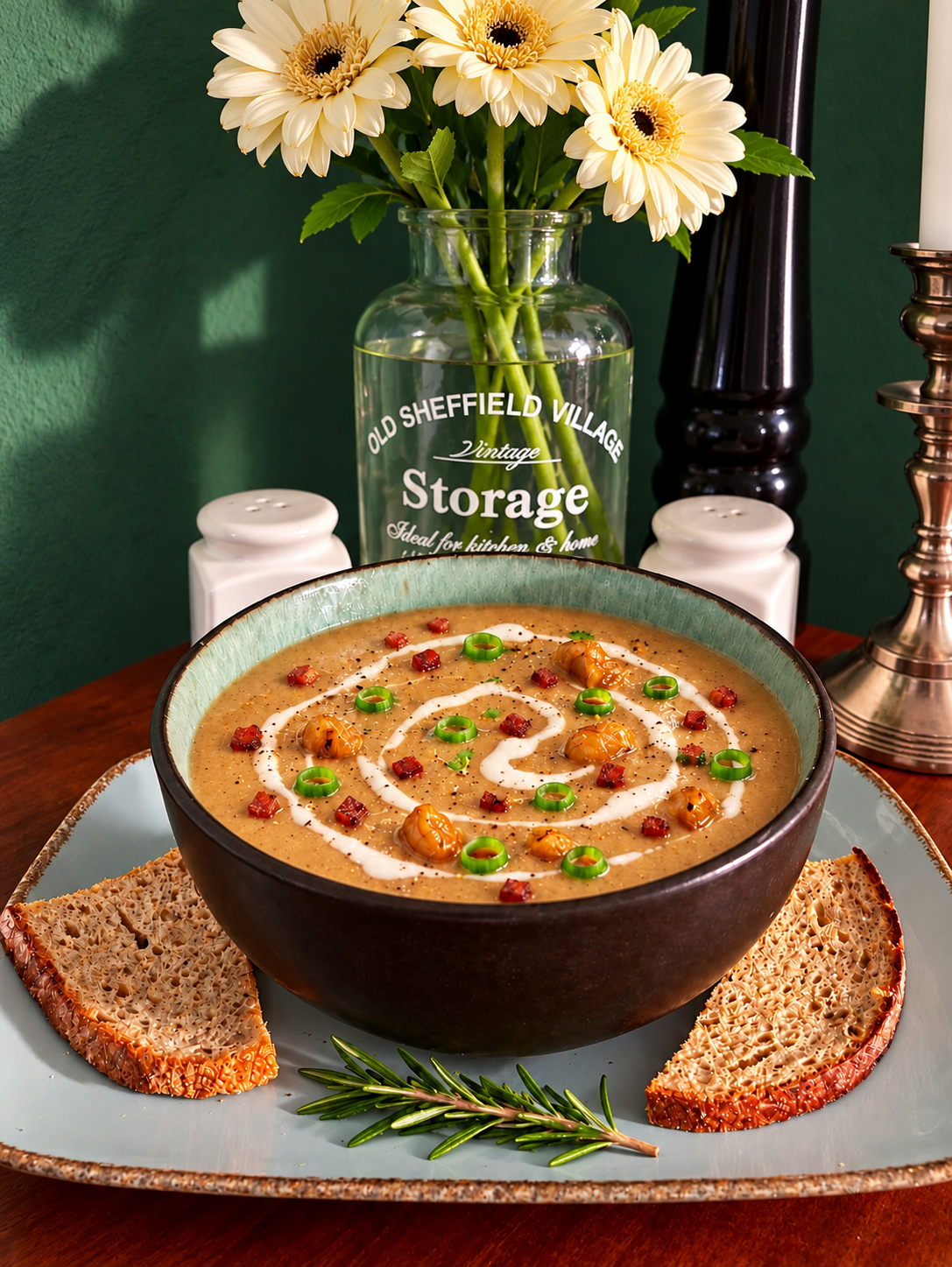
Albania is a country in southeastern Europe, bordered by the Adriatic and Ionian Seas and characterized by dramatic mountains, fertile valleys and diverse regional food traditions. Its cuisine reflects Mediterranean and Balkan influences, with olive oil, vegetables, herbs, legumes and seasonal produce playing important roles. Chestnuts grow in several forested regions, including northern Albania and areas around Lake Ohrid, where they have long been valued as a seasonal food.
What Is Supa me Gështenja?
Supa me gështenja simply means chestnut soup in Albanian. This recipe is a rustic, Albanian-inspired preparation rather than a single standardized national dish. Cooked chestnuts are combined with leeks, potatoes, garlic and vegetable stock to create a naturally creamy texture. A little olive oil adds richness, while nutmeg complements the chestnuts' mild sweetness. For my Via Veggie Vegan version, crispy plant-based bacon replaces the optional traditional meat topping, bringing a smoky, savory contrast to the smooth soup.
From my kitchen to your plate.
Aotearoa New Zealand – A Land of Remarkable Landscapes and Rich Food Traditions
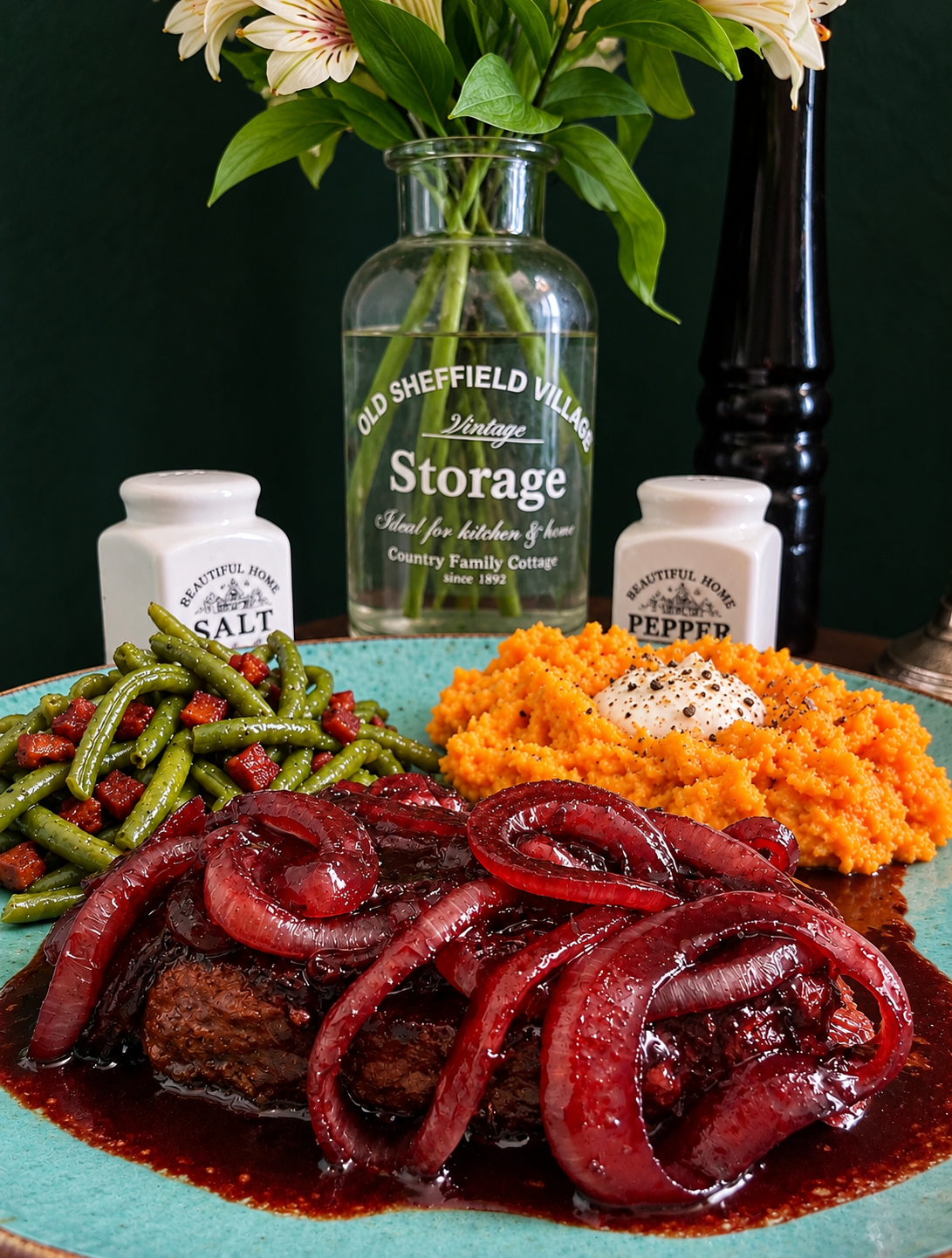
Aotearoa New Zealand is an island nation in the southwestern Pacific Ocean, renowned for its dramatic mountains, volcanic landscapes, ancient forests, rugged coastlines and extraordinary biodiversity. Its food culture reflects Māori traditions, European influences and the contributions of many other communities. Māori food knowledge includes the cultivation of kūmara, the gathering of seasonal ingredients and cooking practices closely connected to the land and natural environment. Contemporary New Zealand cuisine embraces both traditional ingredients and international influences, creating opportunities for innovative plant-based interpretations.
What Makes This New Zealand-Inspired Vegan Steak Special?
This dish is a contemporary Via Veggie Vegan creation rather than a traditional Māori recipe. Its connection to Aotearoa lies primarily in kūmara, the sweet potato that has played an important role in Māori food culture for centuries. The creamy orange mash is paired with plant-based steaks, caramelised onions in a rich beetroot jus and green beans with smoky vegan bacon. The combination creates a hearty, colorful plate that celebrates a historically significant ingredient while giving the familiar steak dinner a completely plant-based transformation.
From my kitchen to your plate.
Mongolia – A Land of Endless Steppes and Nomadic Traditions
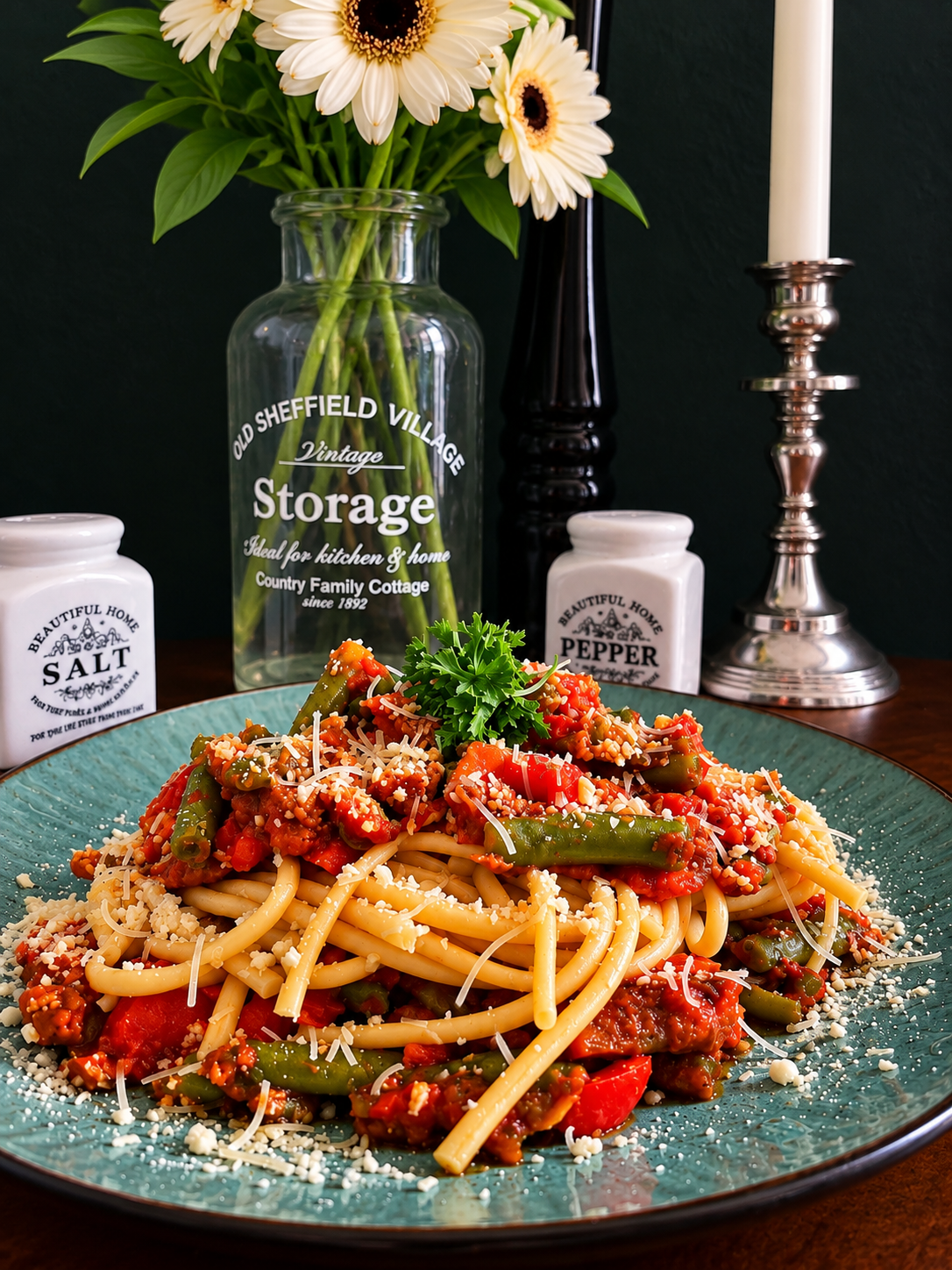
Mongolia is a landlocked country in East Asia, situated between Russia and China. Its vast landscapes include grasslands, mountains, deserts and freshwater lakes. Traditional Mongolian cuisine has been shaped by the country's continental climate and long history of nomadic pastoralism. Meat, dairy products and wheat-based foods have historically played important roles, while vegetables and other ingredients have become increasingly accessible through trade and changing food cultures. Hearty noodle dishes, dumplings and warming meals reflect the practical cooking traditions of a country known for its extraordinary landscapes and hospitality.
What Is Tsuivan?
Tsuivan is a traditional Mongolian dish made with wheat noodles, meat and vegetables. One of its defining features is the cooking technique: freshly prepared noodles are placed over the meat and vegetables and steamed in the covered pan before everything is mixed together. This Via Veggie Vegan version takes a different approach, using ready-made Japanese udon noodles, plant-based beef-style strips and a tomato-based vegetable sauce. Rosemary, thyme, parsley and vegan cheese introduce additional fusion influences. It is therefore a Mongolian-inspired vegan interpretation rather than a traditional preparation of Tsuivan.
From my kitchen to your plate.
Morocco – A Country of Mountains, Deserts and Aromatic Spices
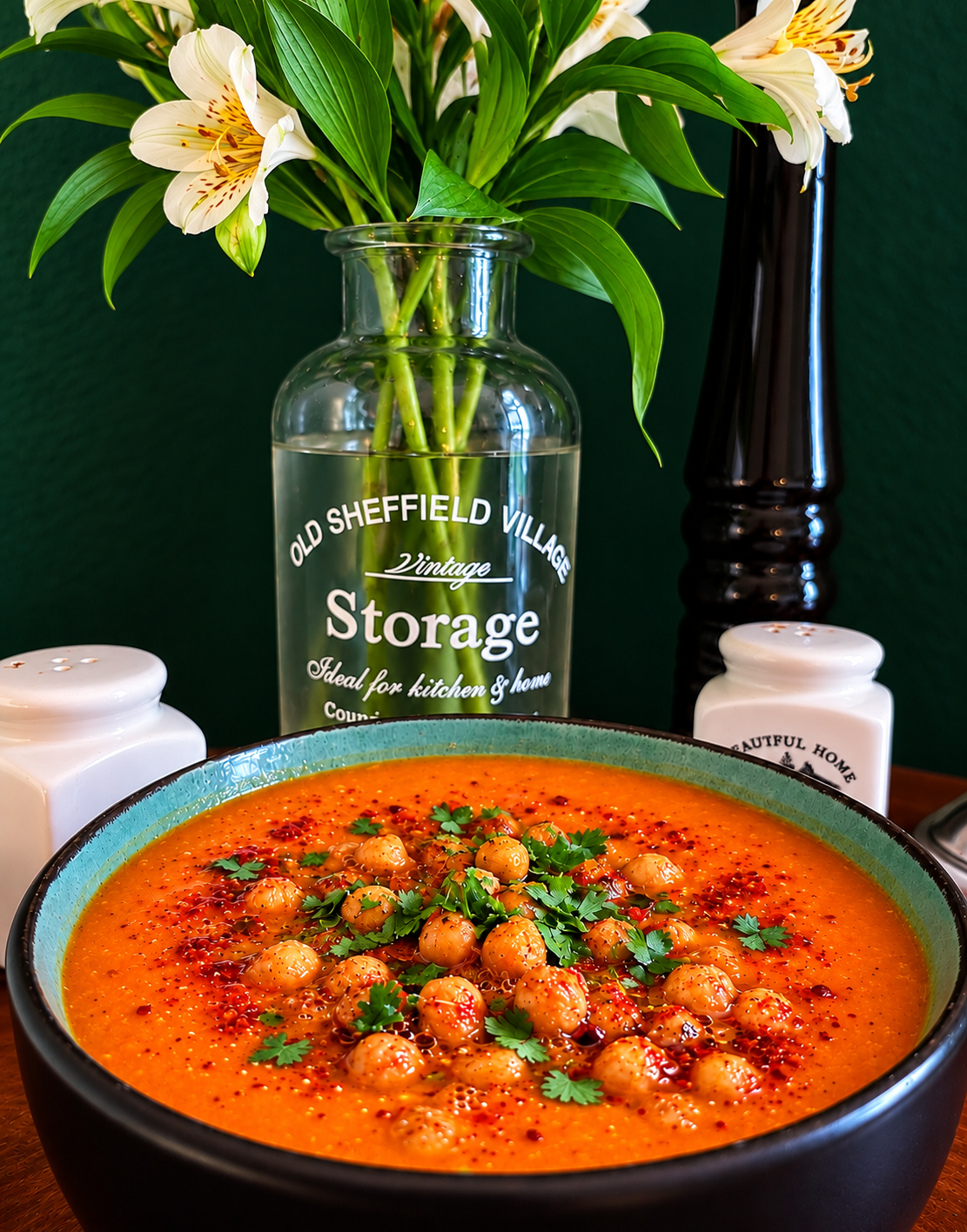
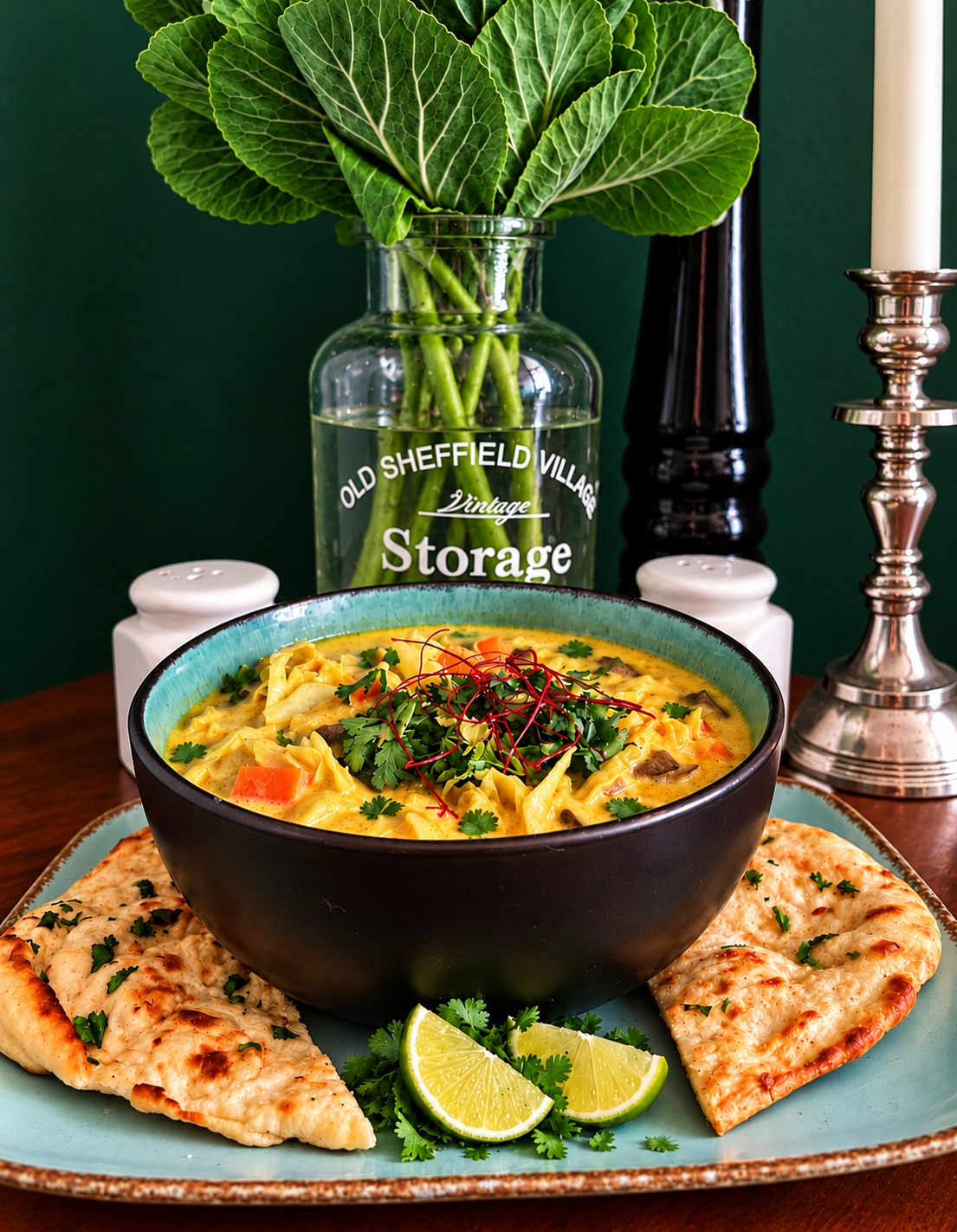
Morocco lies in northwestern Africa, where the Atlantic Ocean, Mediterranean coastline, Atlas Mountains and Sahara create an extraordinary diversity of landscapes. Moroccan cuisine reflects Amazigh, Arab, Andalusian, Mediterranean and African influences developed through centuries of cultural exchange. Fragrant spices such as cumin, ginger, coriander, cinnamon and paprika are important elements of its culinary traditions. From bustling souks filled with aromatic spices to family kitchens preparing slow-cooked tagines, soups and vegetable dishes, Moroccan cooking celebrates the balance between warmth, freshness and deeply developed flavors.
What Is Shorba al-Ghazar?
Shorba al-Ghazar (شوربة الجزر) simply means carrot soup in Arabic. Carrot soups appear in different forms throughout North Africa and the wider Arabic-speaking world, but there is no single universally established Moroccan recipe under this name. This Via Veggie Vegan interpretation draws inspiration from Moroccan spice combinations, bringing together naturally sweet carrots, cumin, coriander, ginger, cinnamon and paprika. The vegetables are blended into a smooth, dairy-free soup and finished with lightly spiced chickpeas, fresh coriander and chili flakes for extra texture, flavor and color.
From my kitchen to your plate.
Malaysia – A Country of Tropical Rainforests, Islands and Culinary Diversity
Malaysia is a Southeast Asian country divided between Peninsular Malaysia and Malaysian Borneo. Its culinary traditions reflect centuries of cultural exchange between Malay, Chinese, Indian and Indigenous communities, alongside influences from regional trade routes. Coconut milk, lemongrass, turmeric, ginger, galangal and chili are important ingredients in many Malaysian dishes. From bustling street-food markets to traditional family kitchens, Malaysian cuisine is celebrated for its aromatic spice combinations, rich sauces and remarkable regional diversity.
What Is Sayur Lodeh?
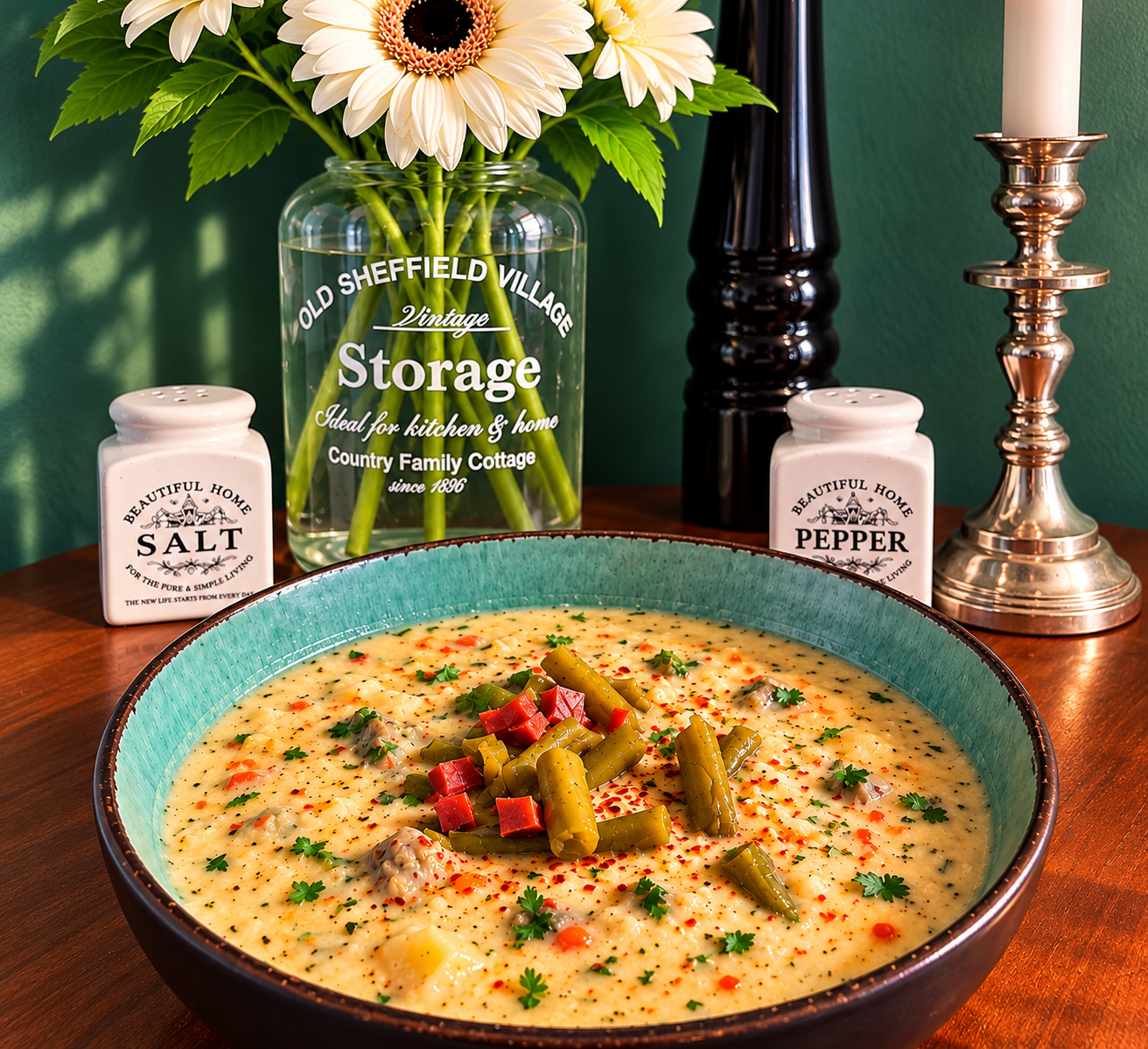
Sayur Lodeh is a vegetable dish cooked in a fragrant coconut milk broth, particularly associated with Indonesian and Malaysian cuisine. In Malaysia, it is also commonly known as Sayur Lemak Lodeh, referring to its rich, creamy character. Depending on the region and household, it may contain cabbage, long beans, carrots, tofu, tempeh and other vegetables. Some traditional preparations include shrimp-based seasonings for additional umami. This Via Veggie Vegan version uses white miso instead, creating a completely plant-based interpretation with a homemade rempah spice paste, golden coconut broth and a colorful mixture of vegetables.
From my kitchen to your plate.
Luxembourg – A Small Country with a Rich Culinary Heritage
Luxembourg is a small landlocked country in Western Europe, bordered by Belgium, Germany and France. Its cuisine reflects influences from all three neighboring countries while maintaining its own distinctive traditions. Hearty soups, potatoes, legumes, regional vegetables and rustic meat dishes have long played important roles in Luxembourgish home cooking. The country's landscape ranges from the wooded hills of the Ardennes in the north to the fertile agricultural regions and vineyards of the Moselle Valley in the southeast.
What Is Bouneschlupp?
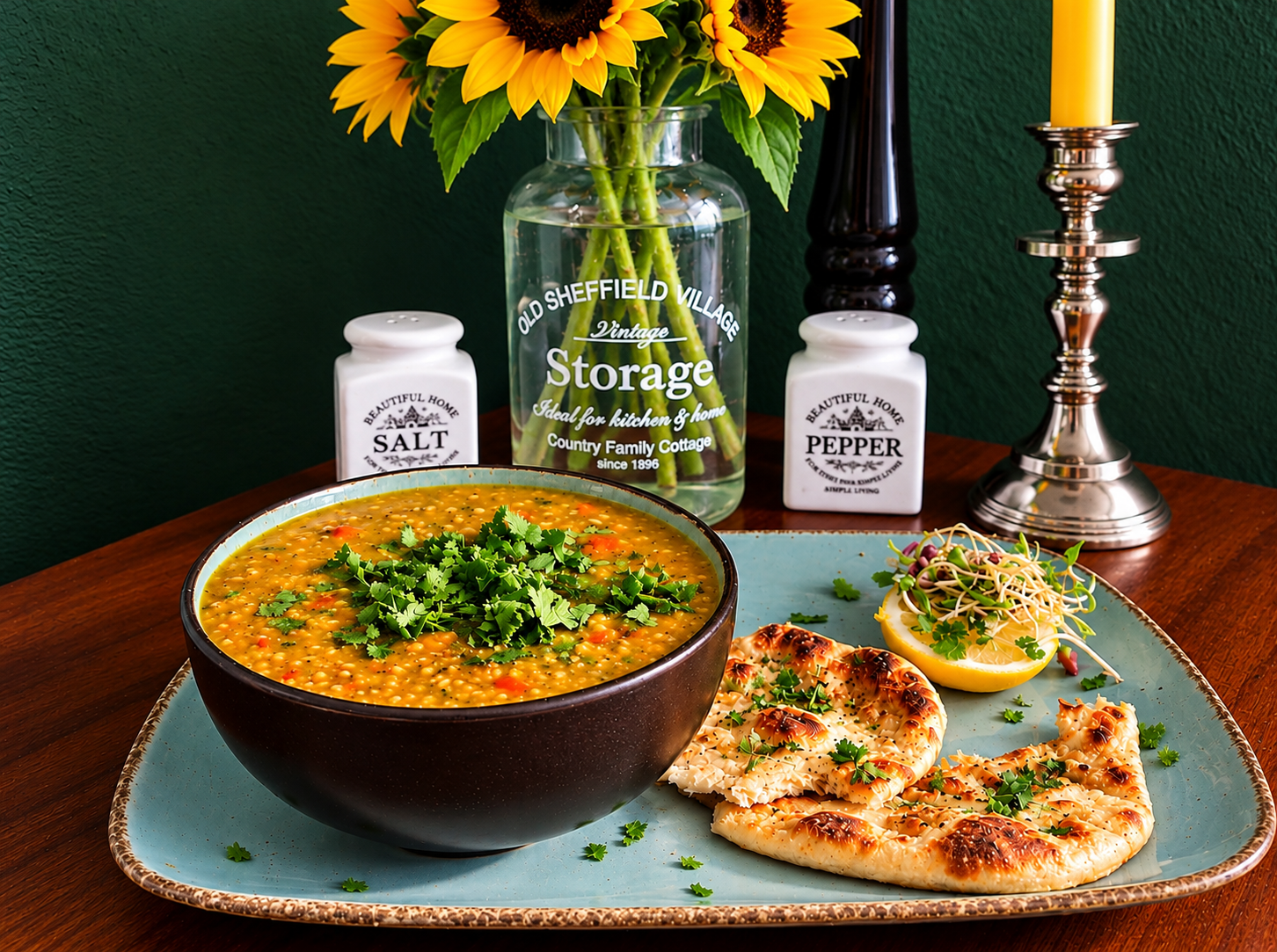
Bouneschlupp is one of Luxembourg's best-known traditional soups, prepared primarily with green beans and potatoes. Depending on the household and regional tradition, it may also contain onions, bacon, sausage, cream and aromatic herbs such as savory. The soup is particularly associated with simple, satisfying home cooking. This Via Veggie Vegan version keeps the green beans and potatoes at the heart of the dish while replacing traditional meat products with vegan beef-style pieces and crispy plant-based bacon. Vegan cooking cream creates a rich, comforting broth without dairy.
From my kitchen to your plate.
Lebanon – A Country of Ancient Traditions and Mediterranean Flavors
Lebanon is a small country on the eastern Mediterranean coast, celebrated for its rich culinary heritage, fresh ingredients and vibrant food culture. Lebanese cuisine combines Mediterranean and Levantine influences, with legumes, vegetables, olive oil, aromatic spices and fresh herbs playing central roles. From colorful mezze to hearty soups and freshly baked flatbreads, sharing food is an important part of Lebanese hospitality and everyday life.
What Is Shorbat Adas?
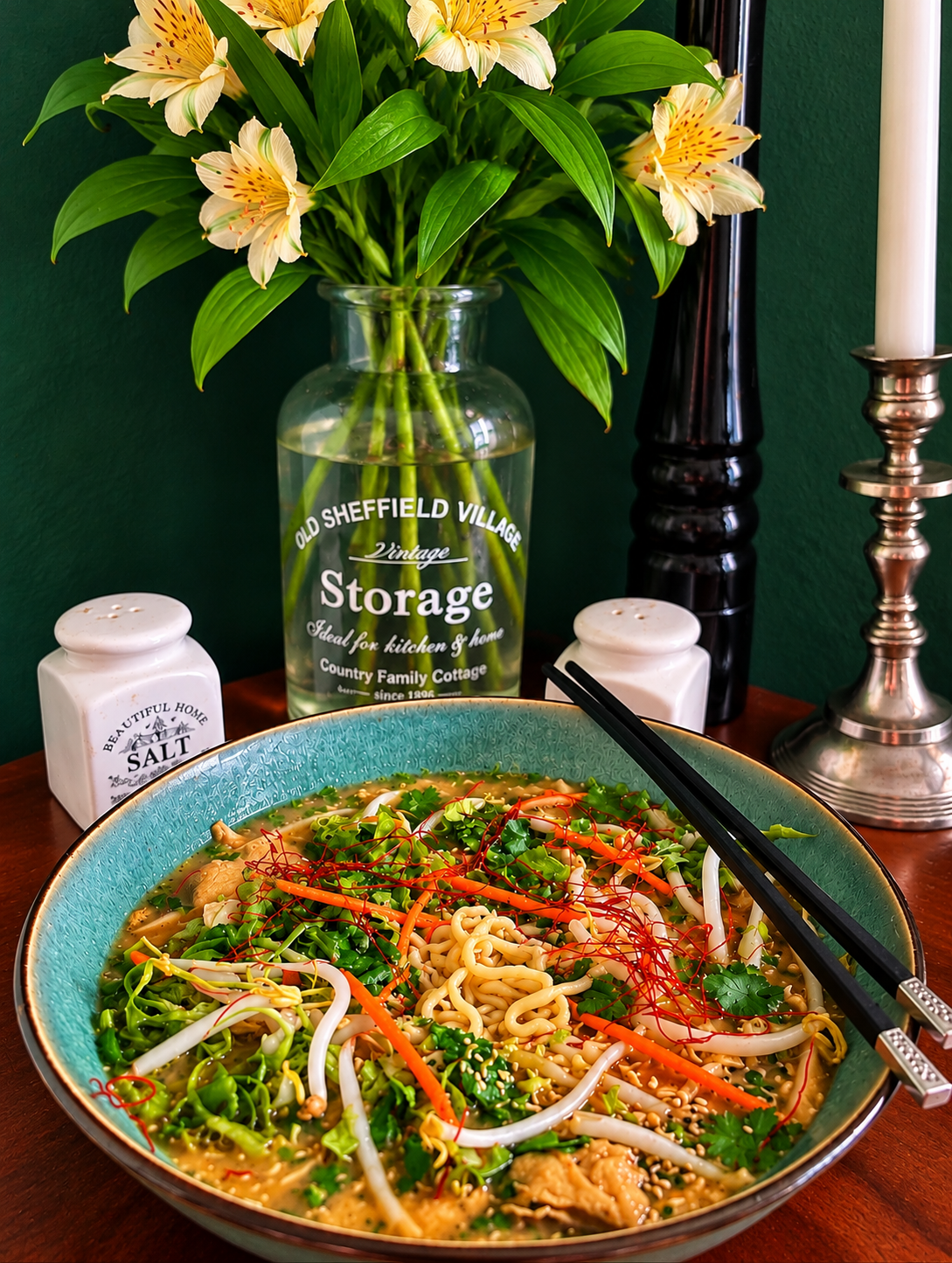
Shorbat Adas (شوربة عدس) literally means "lentil soup" and is a comforting dish enjoyed throughout Lebanon and the wider Middle East. Traditional versions commonly combine red or yellow lentils with onions, cumin and other vegetables, simmered until tender and naturally creamy. This Via Veggie Vegan version uses red lentils, carrots, onion and cumin, blended into a smooth, golden soup. Fresh lemon is served separately so everyone can adjust the acidity according to personal preference
From my kitchen to your plate.
Japan – A Culinary Tradition of Precision and Umami
Japan is an East Asian island nation celebrated for its diverse regional cuisines, seasonal ingredients and careful attention to flavor and presentation. Japanese cooking frequently highlights the natural character of ingredients, with fermented foods such as miso and soy sauce playing an important role. From traditional noodle shops to modern ramen restaurants, comforting bowls of noodles are an essential part of everyday food culture.
What Is Spicy Miso Ramen?
Ramen developed in Japan under the influence of Chinese wheat noodle traditions and has evolved into numerous regional styles. Miso ramen is particularly associated with Sapporo in Hokkaido, where miso-based ramen became popular during the twentieth century. This Via Veggie Vegan interpretation combines white miso, vegetable stock, soy milk, garlic, ginger and chili crisp to create a creamy, spicy broth. Ramen noodles, tofu, plant-based chicken and plenty of vegetables turn it into a generous, satisfying plant-based meal.
