From my kitchen to your plate.
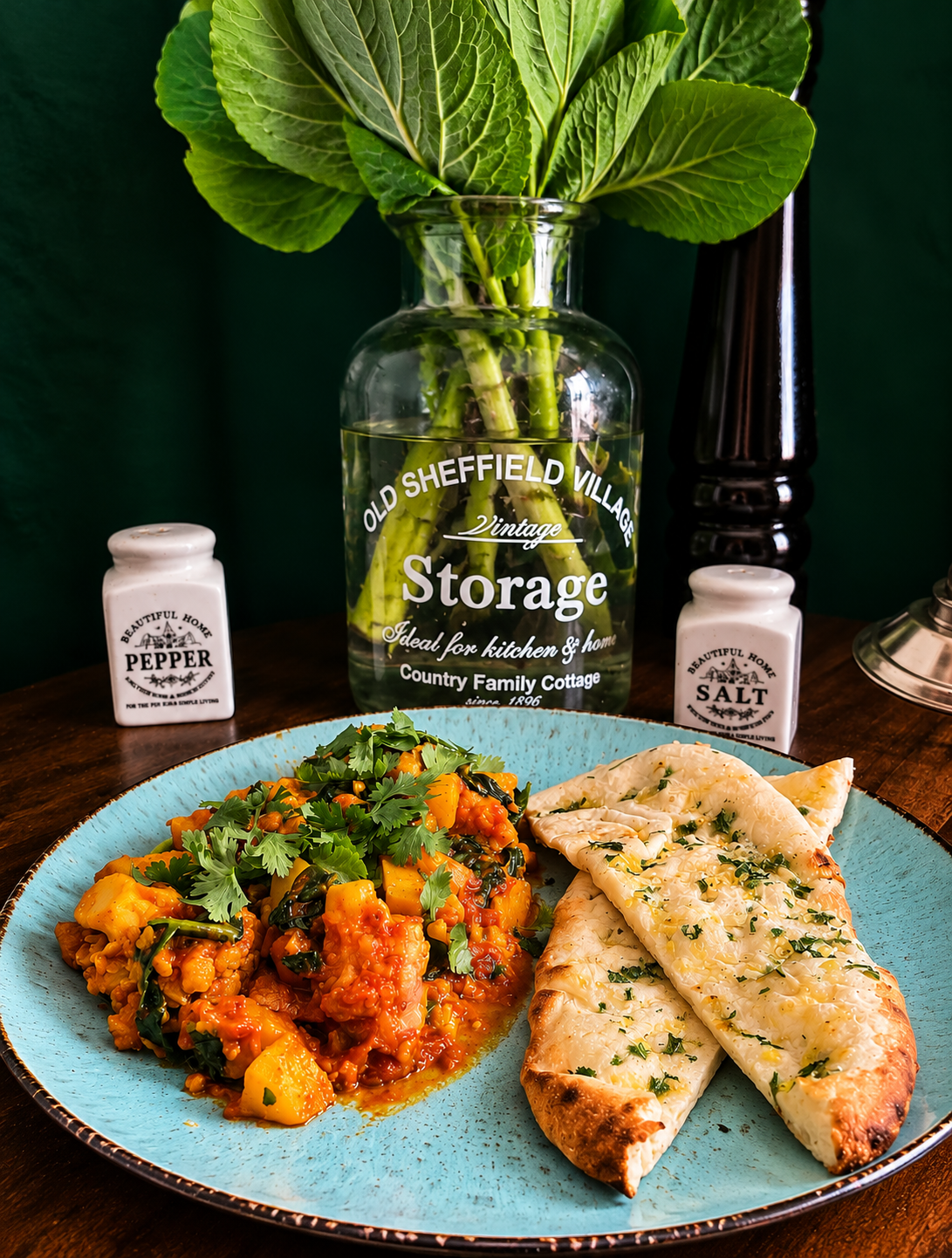
Pakistan – A Rich Tradition of Aromatic Home CookingPakistan's diverse culinary traditions feature fragrant spices, fresh vegetables, lentils, breads and richly seasoned curries. Everyday dishes often combine simple ingredients with carefully developed layers of flavour. Potatoes, cauliflower and spinach are familiar ingredients in Pakistani home cooking, while flatbreads such as naan and roti are popular accompaniments to vegetable curries.
What Is Aloo Gobi Palak?The name describes the three main ingredients: aloo means potato, gobi means cauliflower and palak means spinach. Aloo Gobi and Aloo Palak are both familiar vegetable preparations across Pakistan and the wider Indian subcontinent. This Via Veggie Vegan recipe combines all three vegetables in a fragrant tomato-based masala with cumin, coriander, turmeric, ginger, garlic and chilli. Homemade Garlic Naan, brushed with vegan butter and fresh garlic, completes this comforting plant-based interpretation.
From my kitchen to your plate.
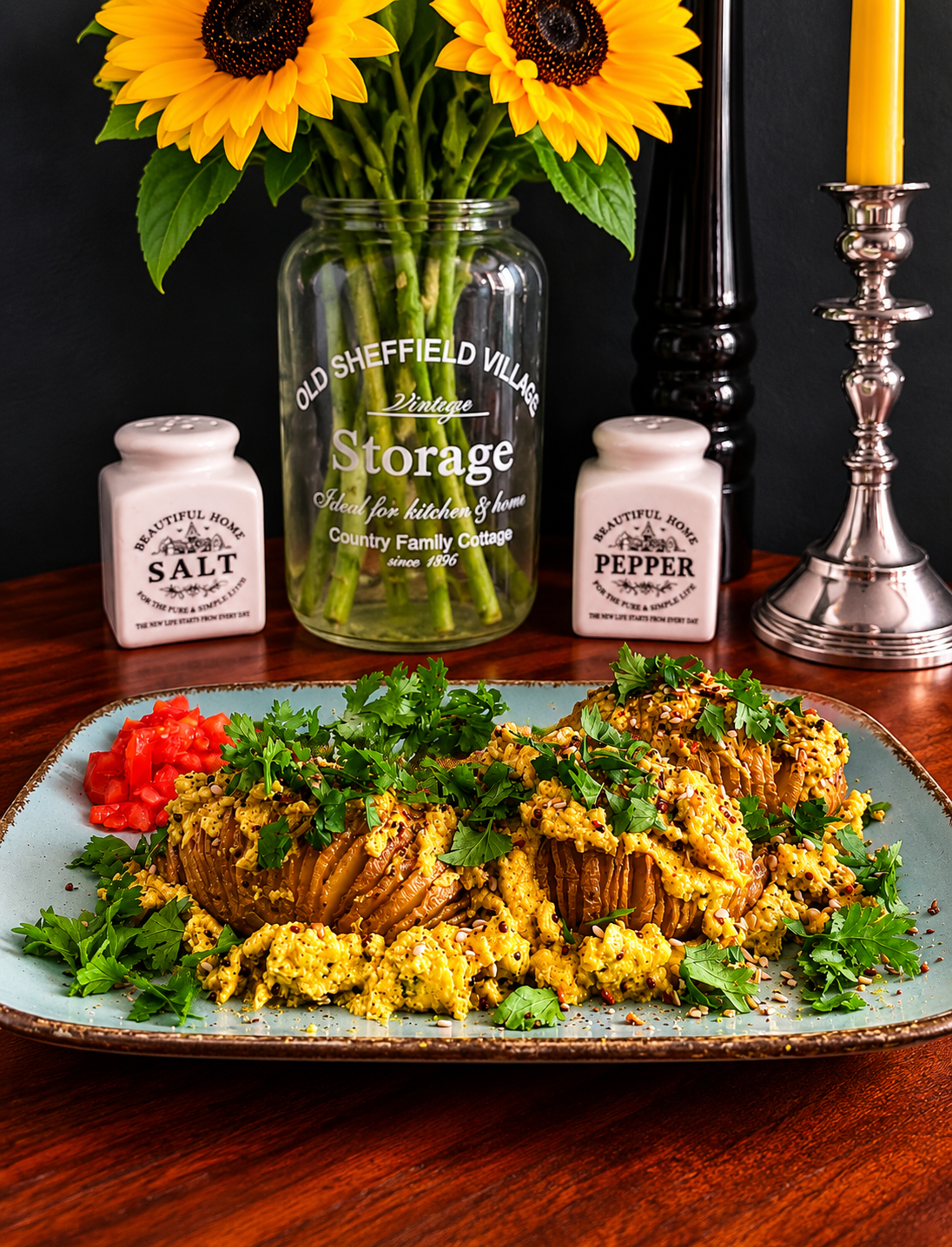
Myanmar – Aromatic Curries and the Art of Si PyanMyanmar, also known as Burma, is a Southeast Asian country with a diverse culinary heritage shaped by regional traditions and neighbouring food cultures. Onion, garlic, ginger, turmeric and chili are important ingredients in many Burmese curries. A characteristic technique in several Burmese curry preparations is known as si pyan, often translated as "the oil returns". As the curry cooks and moisture evaporates, the seasoned oil becomes visible again, signalling that the sauce has reduced and its flavours have concentrated.
What Is Aloo Hin?Aloo Hin is a Burmese-style potato curry. The name combines aloo, meaning potato, with hin, a Burmese term for curry or a cooked dish. Traditional preparations vary, but potatoes are commonly cooked with aromatic ingredients and spices until tender and well coated in the sauce. My Via Veggie Vegan version takes a deliberately creative approach by replacing ordinary potato pieces with slow-baked Hasselback potatoes. Black mustard seeds, mustard oil, sesame oil, vegan fish sauce and a garnish of coriander, sesame seeds and fresh tomato complete this fully plant-based, Burmese-inspired interpretation.
From my kitchen to your plate.
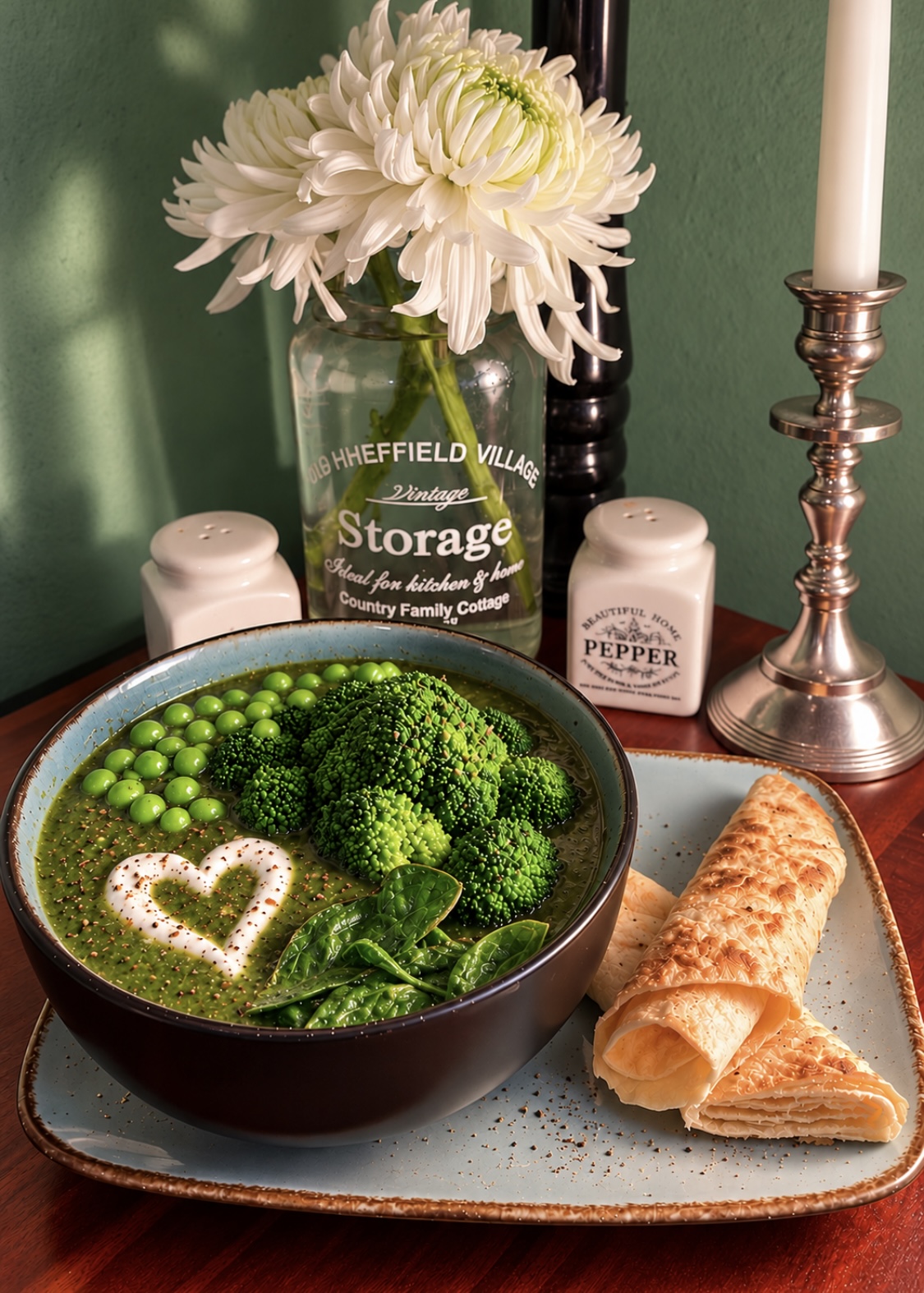
Dominica – The Nature Island of the CaribbeanDominica is a mountainous Caribbean island known for its lush rainforests, fertile volcanic landscapes and rich culinary heritage. Local cooking draws on fresh vegetables, tropical produce, herbs, root crops and traditional Caribbean seasonings. Callaloo is an important part of Dominican food culture, with recipes varying between families and households.
What Is Callaloo?Callaloo is a traditional Caribbean dish prepared with leafy greens and aromatic ingredients. In Dominica, dasheen leaves are traditionally associated with callaloo soup, although spinach can be used as an alternative. Okra contributes a characteristic texture, while coconut milk, thyme, onion, garlic and chilli create a fragrant, comforting combination. My Via Veggie Vegan version uses fresh spinach instead of dasheen leaves and adds broccoli, green peas, potato and a lighter coconut milk base. Crispy spinach leaves, two coconut cream hearts and optional rolled flatbread complete this colourful, fully plant-based interpretation.
From my kitchen to your plate.
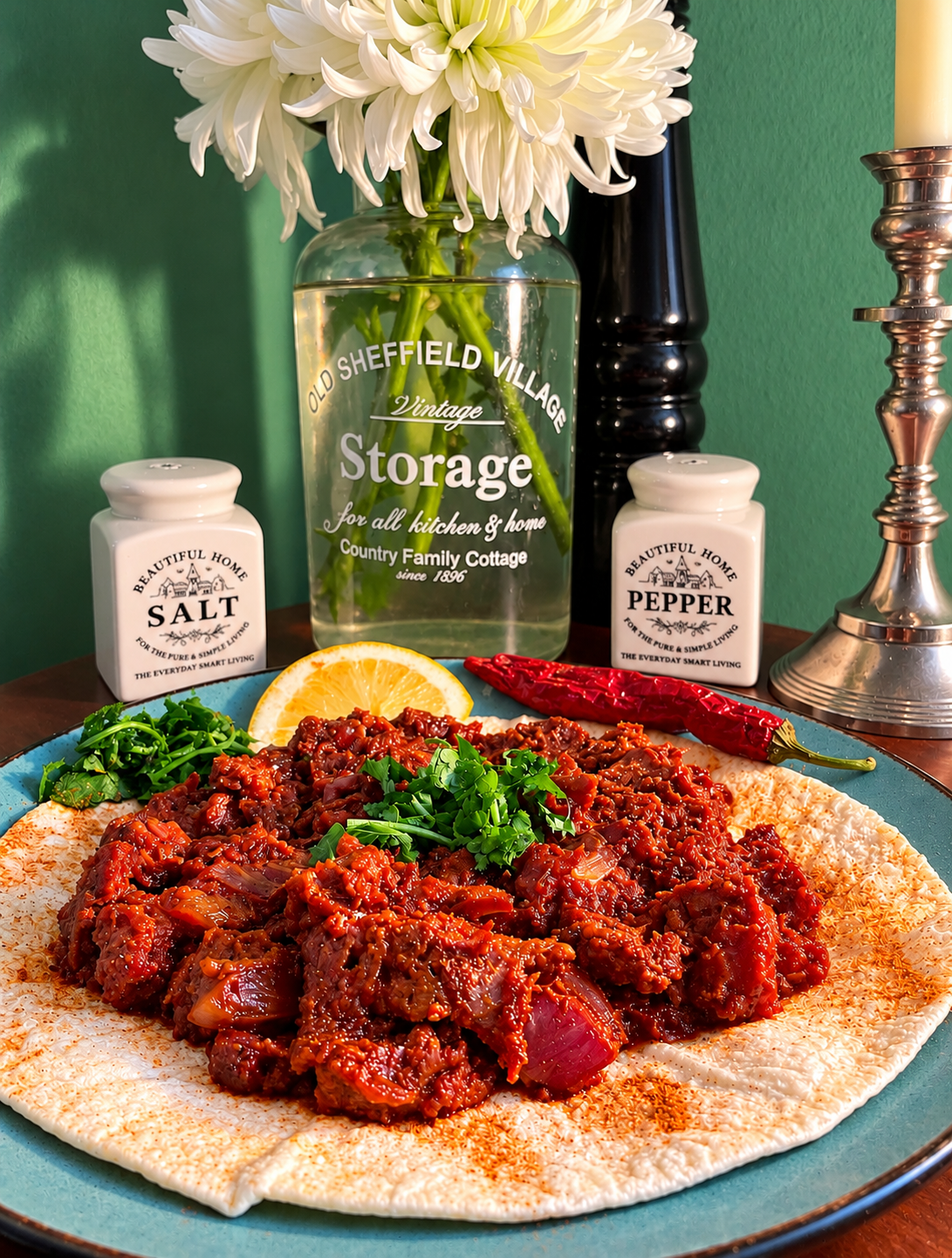
Eritrea – A Culinary Heritage of Spices and Shared TraditionsLocated in the Horn of Africa along the Red Sea, Eritrea has a diverse culinary heritage shaped by regional traditions, agriculture and centuries of cultural exchange. Aromatic spices, lentils, vegetables and richly flavoured stews play an important role in Eritrean cooking. Many traditional dishes are served with Injera, a soft, fermented flatbread that forms the foundation of a shared meal. Berbere, a distinctive chilli-based spice blend, is one of the country's most characteristic seasonings.
Zigni – Eritrea's Rich and Spicy Traditional StewZigni is one of Eritrea's best-known traditional dishes, typically prepared with beef simmered in a deeply flavoured tomato and onion sauce seasoned with Berbere. The generous quantity of slowly cooked onions creates natural sweetness and richness, while the spice mixture adds warmth, heat and complexity. My Via Veggie Vegan version replaces beef with plant-based steak strips and traditional spiced butter with vegan butter. Fresh tomatoes, homemade Berbere-inspired spices, plum syrup and a small piece of dark chocolate give the sauce its own deliciously intense character.
From my kitchen to your plate.
Peru – A Culinary Treasure of the Andes and Pacific CoastPeruvian cuisine is one of South America's most diverse culinary traditions, shaped by the country's Andean heritage, Pacific coastline, Amazonian biodiversity and centuries of cultural exchange. Potatoes, corn, beans, quinoa and countless varieties of chili peppers have been essential ingredients for generations. Peru is particularly famous for its extraordinary potato diversity and its distinctive ají peppers, which give many traditional dishes their characteristic flavour, colour and heat.
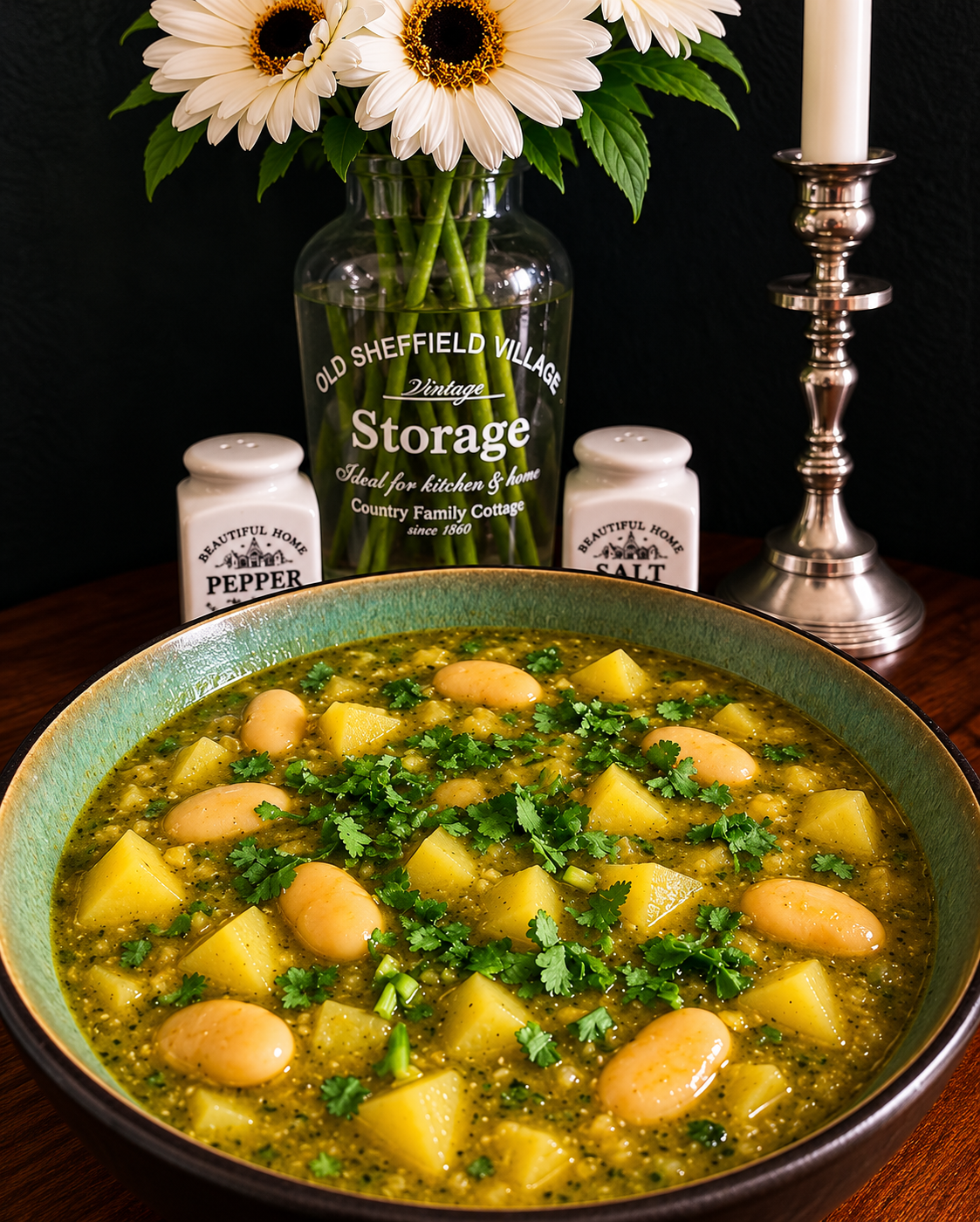
What Is Seco de Frijoles y Papas?Seco is a traditional herb-rich stew enjoyed in Peru and Ecuador, commonly prepared with meat and flavoured with fresh coriander, onions, garlic and chili peppers. Despite its name, which literally means "dry", seco is known for its generous, aromatic sauce. My Via Veggie Vegan interpretation replaces the meat with creamy white giant beans, tender potatoes and green peas. Homemade yellow chili paste, fresh coriander and a splash of alcohol-free lager create a wonderfully fragrant base, while plant-based cream and nutritional yeast add a personal creamy twist. Served without the traditional white rice, this is a hearty, colourful and entirely plant-based interpretation of a Peruvian classic.
From my kitchen to your plate.
Tunisia – North African Flavours with a Mediterranean SoulTunisia lies on the Mediterranean coast of North Africa, where Amazigh, Arab, Ottoman and Mediterranean influences have shaped a rich and distinctive culinary heritage. Olive oil, legumes, vegetables, garlic, cumin and chili peppers feature prominently in traditional cooking. Harissa, the country's famous chili paste, adds depth and heat to everything from soups and stews to vegetable dishes. Tunisian cuisine is known for its bold seasoning, comforting everyday meals and the wonderful ability to transform simple ingredients into something memorable.
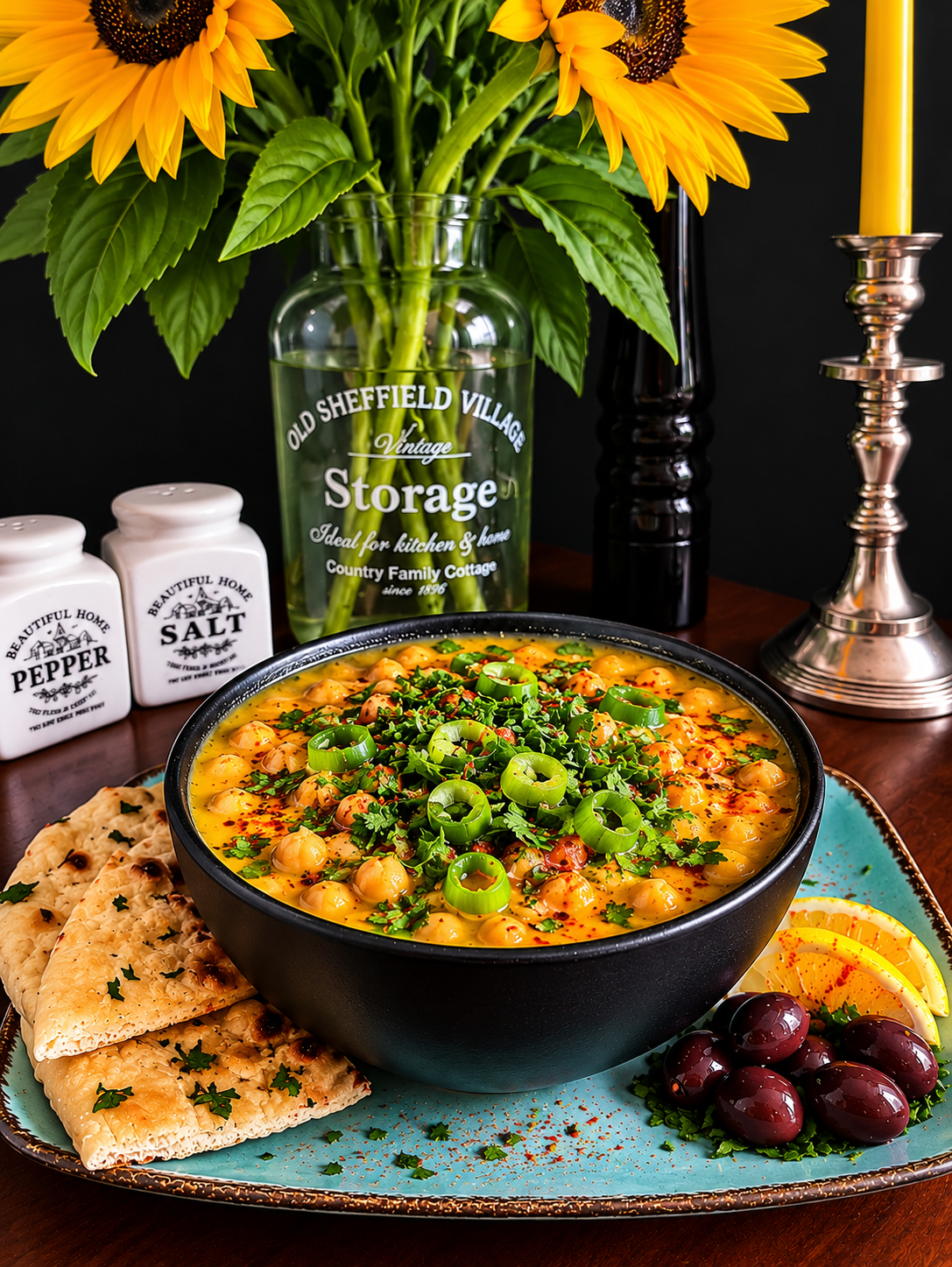
Lablabi – Tunisia's Beloved Chickpea and Bread SoupLablabi is a traditional Tunisian dish made with tender chickpeas, their cooking broth, garlic, cumin, harissa and pieces of bread. Particularly popular during the colder months, it is widely enjoyed as an affordable, filling street food and everyday comfort meal. The bread absorbs the fragrant broth, gradually turning the soup into a thick, rustic mixture. Depending on the preparation, Lablabi may be served with additional toppings such as eggs, tuna, capers or olives. My Via Veggie Vegan version keeps the chickpeas, spices, bread and olives while leaving out the animal-derived toppings. Fresh coriander and spring onion greens provide a colourful finishing touch.
From my kitchen to your plate.
Trinidad & Tobago – Where Indian and Caribbean Food Traditions MeetTrinidad and Tobago is a twin-island Caribbean nation whose cuisine reflects African, Indian, Indigenous, European and Chinese influences. Indian indentured labourers began arriving in Trinidad in 1845, bringing culinary techniques and food traditions that gradually became part of the islands' distinctive cuisine. Today, dishes such as roti, doubles and choka are closely associated with Indo-Trinidadian food culture. Garlic, hot peppers, fresh herbs and boldly seasoned vegetables play an important role in everyday cooking.
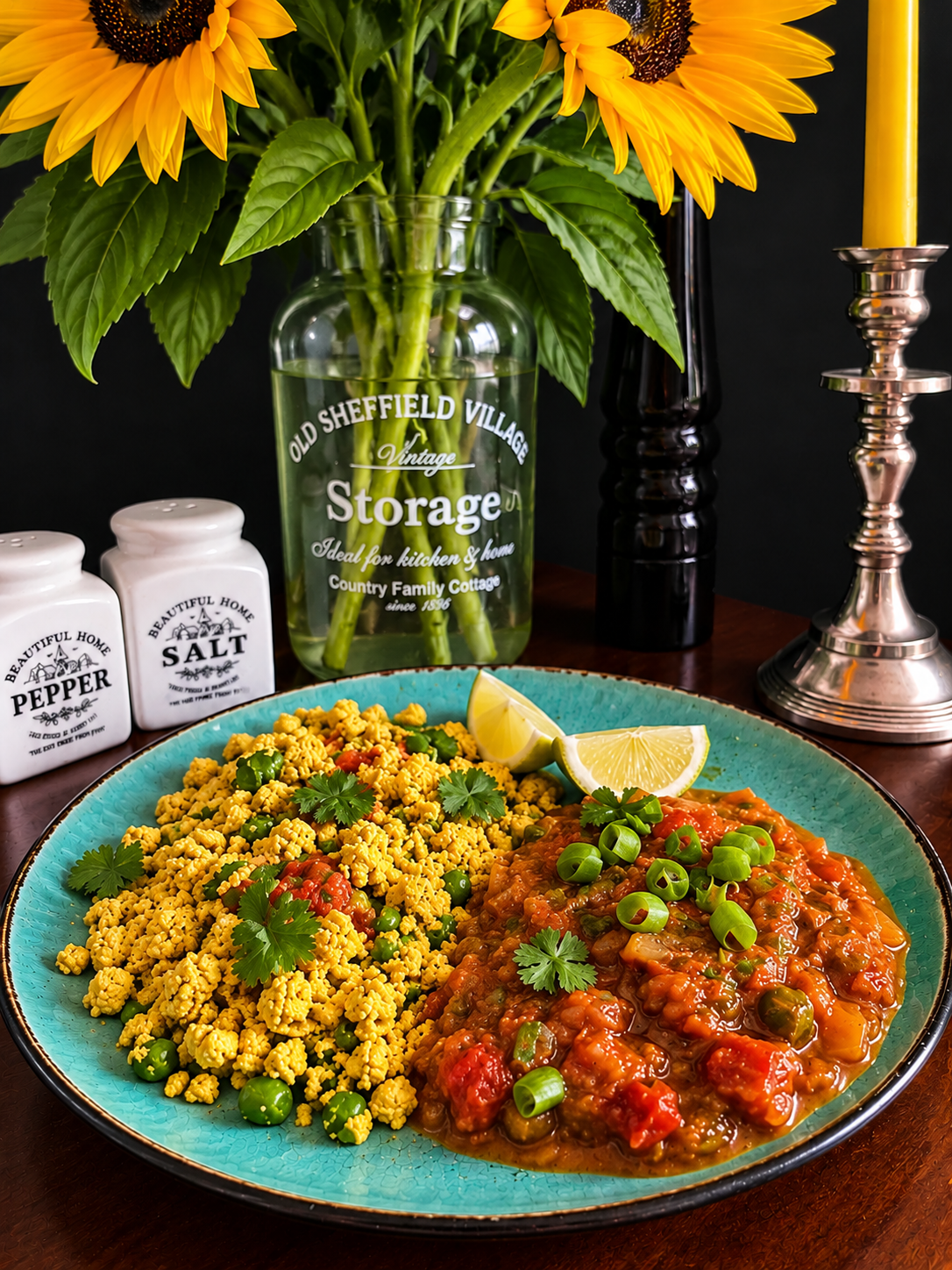
Tomato Choka – Smoky Roasted Tomatoes with a Sizzling FinishTomato Choka is a traditional Trinidadian preparation in which ripe tomatoes are roasted until soft and smoky, mashed and combined with garlic, onion and chili. One characteristic technique is known as chunkay: hot oil is poured over the seasoned vegetables to release their aromas. Tomato Choka is commonly enjoyed with Sada Roti, a simple unleavened flatbread. My Via Veggie Vegan version preserves the character of the tomato preparation but pairs it with creamy tofu scramble instead of the traditional bread accompaniment. The result is a completely plant-based breakfast combining authentic Trinidadian inspiration with a modern vegan twist.
From my kitchen to your plate.
Indonesia – A Culinary Journey to West JavaIndonesia is a vast Southeast Asian archipelago with an extraordinary diversity of regional cuisines, ingredients and culinary traditions. West Java is home to the Sundanese people, whose food culture is particularly associated with fresh vegetables, aromatic herbs, sambal and rice. Sundanese cuisine often celebrates the natural flavours and textures of vegetables, making it a wonderful source of inspiration for plant-based cooking. Fresh produce, chillies, garlic, peanuts and fragrant rhizomes such as kencur play important roles in many local preparations. Karedok is one of the region's best-known vegetable dishes and beautifully reflects this appreciation for freshness, texture and bold seasoning.
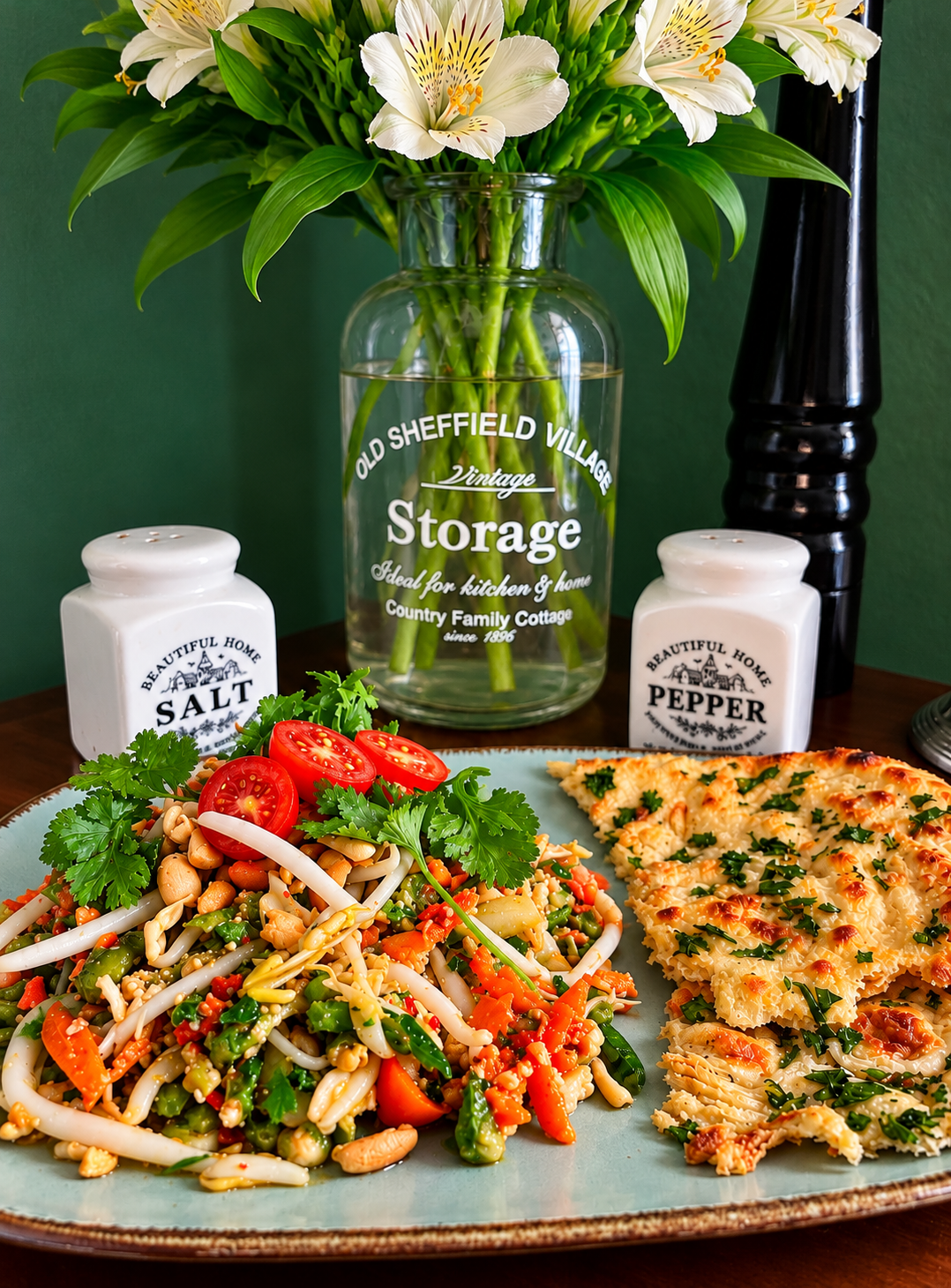
Karedok – A Traditional Sundanese Salad with a Vegan TwistKaredok is a traditional Sundanese vegetable salad from West Java, usually prepared with raw vegetables and a thick, aromatic peanut dressing. Common ingredients include cabbage, cucumber, bean sprouts, long beans and fresh herbs, while the dressing typically combines roasted peanuts, garlic, chilli, palm sugar, tamarind and kencur. Some versions also contain terasi, a fermented shrimp paste that adds savoury depth. My Via Veggie Vegan interpretation replaces terasi with white miso, adds carrot, Thai basil and fresh coriander, and uses thoroughly cooked ordinary green beans instead of raw long beans. The result is a colourful, crunchy and completely plant-based version inspired by the flavours of traditional Karedok.
From my kitchen to your plate.
Sri Lanka – The Pearl of the Indian OceanSri Lanka is an island nation in South Asia, situated in the Indian Ocean southeast of India. Often called the Pearl of the Indian Ocean, the country is known for its tropical landscapes, tea plantations, diverse wildlife and rich culinary traditions. Sri Lankan cooking makes extensive use of coconut, rice, vegetables, chillies, curry leaves and aromatic spices. Regional and cultural influences have shaped a cuisine that combines bold flavours with everyday ingredients, creating dishes that are both vibrant and deeply comforting.
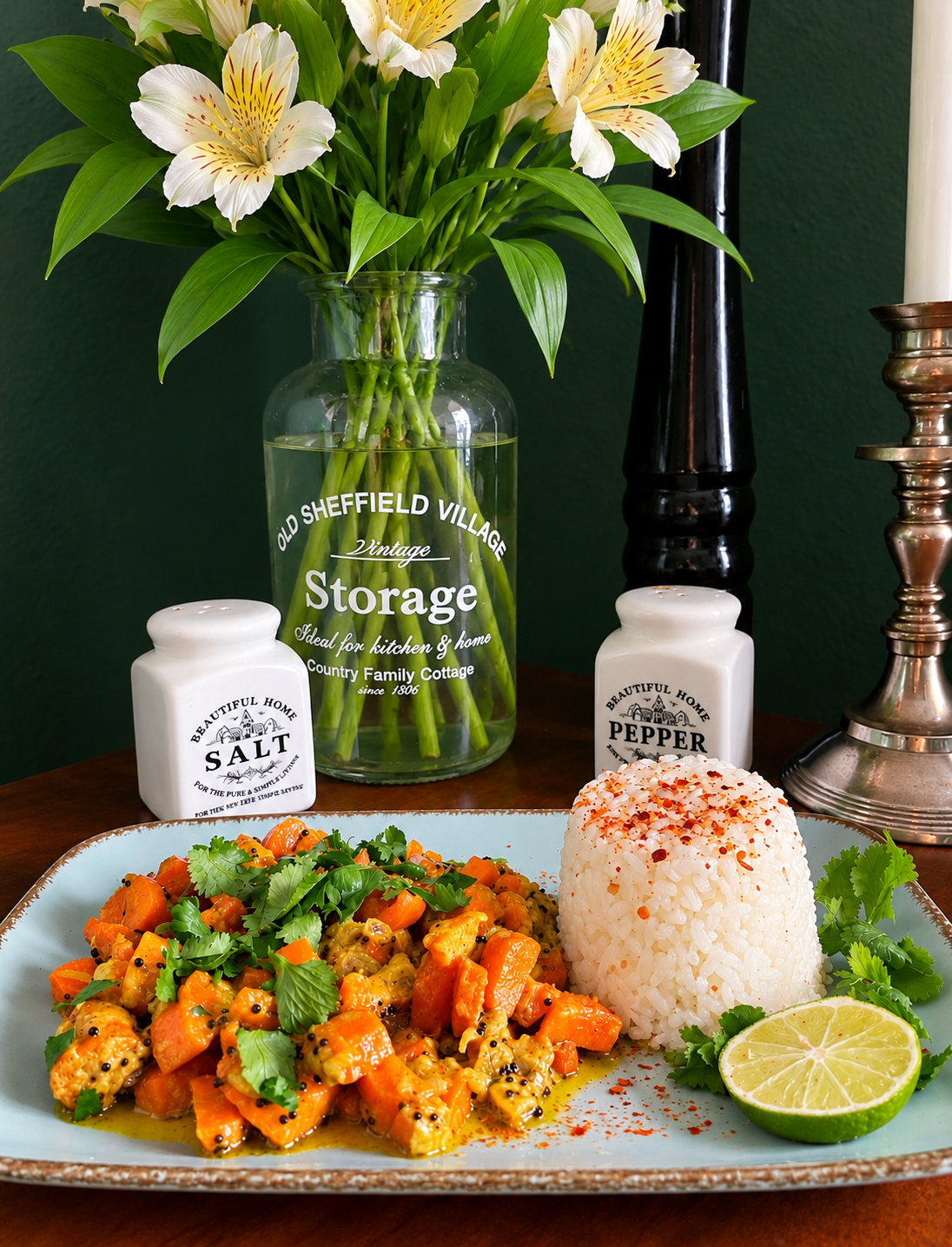
Carrot Mallum – A Colourful Sri Lankan Vegetable ClassicMallum, also spelled mallung, refers to a Sri Lankan preparation of finely chopped or shredded vegetables or leafy greens mixed with grated coconut and seasonings. Unlike a creamy coconut curry, mallum is generally relatively dry and retains more texture. Carrot Mallum brings together naturally sweet carrots, coconut, mustard seeds, curry leaves and fresh chillies. My Via Veggie Vegan version uses mustard oil for an additional aromatic note and finishes with fresh lime juice. Served alongside rice, it makes a colourful and satisfying plant-based meal.
From my kitchen to your plate.
Nepal – Culinary Traditions from the Himalayas
Nepal is a landlocked country in South Asia, home to the Himalayan mountains, including Mount Everest, and a remarkably diverse culinary heritage. Influenced by its geography, ethnic communities and neighbouring Tibetan and Indian food traditions, Nepalese cuisine features aromatic spices, rice, lentils, vegetables, pickles and freshly prepared breads. Food is an important part of family life, celebrations and hospitality.
Momos – Nepal's Beloved Steamed Dumplings
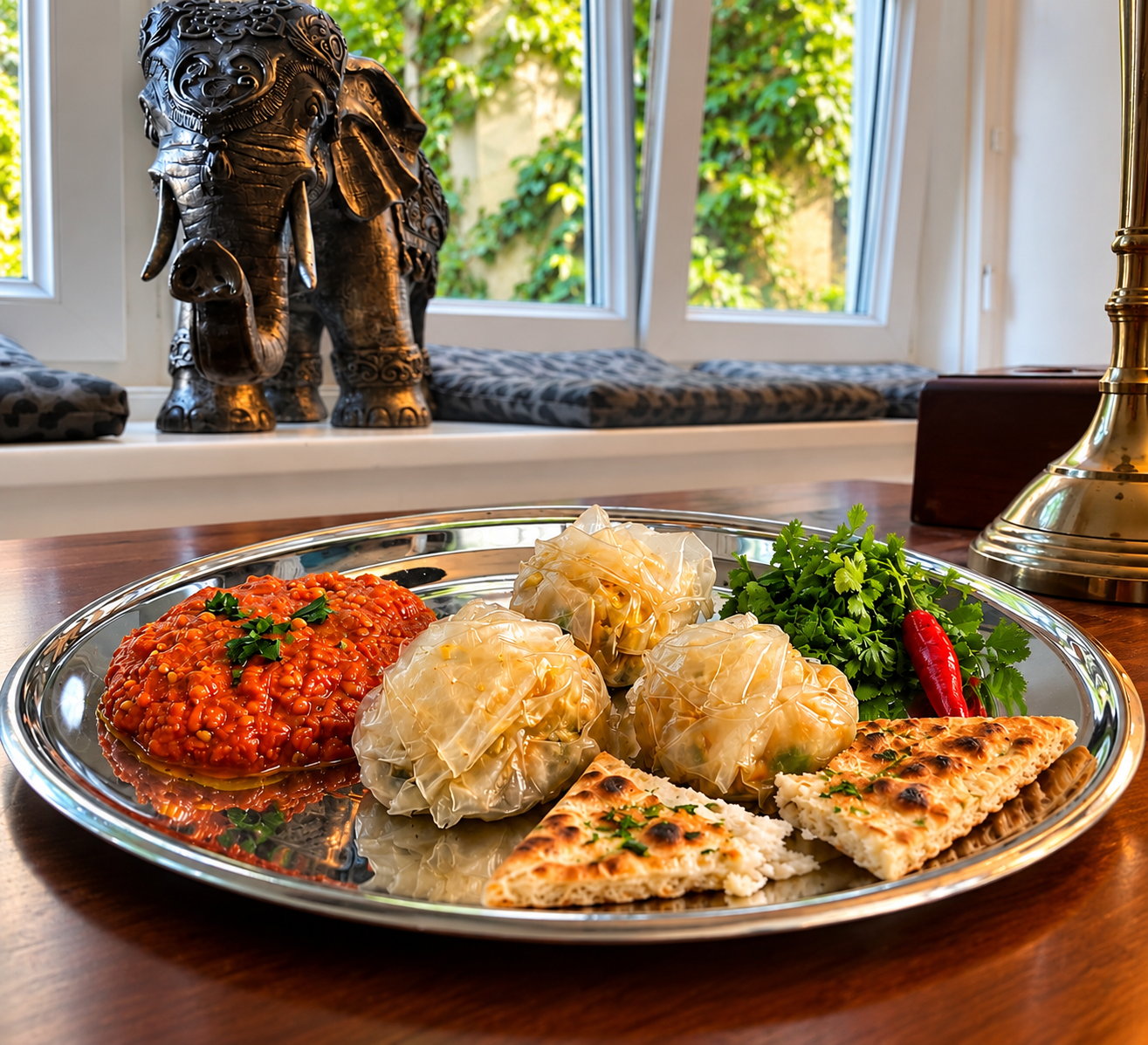
Momos are among Nepal's most popular dishes, with culinary roots closely connected to Tibetan dumpling traditions. These delicate parcels are typically filled with seasoned vegetables or meat, carefully folded by hand and steamed until tender. They are commonly served with a spicy dipping sauce known as achar, often prepared with tomatoes, sesame seeds and chillies. My Via Veggie Vegan version features a homemade vegetable filling, freshly ground Momo Masala and a fiery tomato sesame achar.
From my kitchen to your plate.
Libya – A North African Country of Mediterranean and Desert Traditions
Libya is a North African country bordering the Mediterranean Sea, with a culinary heritage shaped by Amazigh, Arab, Mediterranean and historical Ottoman influences. Its cuisine combines grains, vegetables, legumes, meat and aromatic spices, with dishes varying across regions and households. Tomatoes, garlic, chilies, olive oil and warming spice blends feature prominently in many Libyan preparations. Pasta also holds an important place in everyday cooking, reflecting the country's long history of Mediterranean cultural exchange.
What Is Mbakbaka?
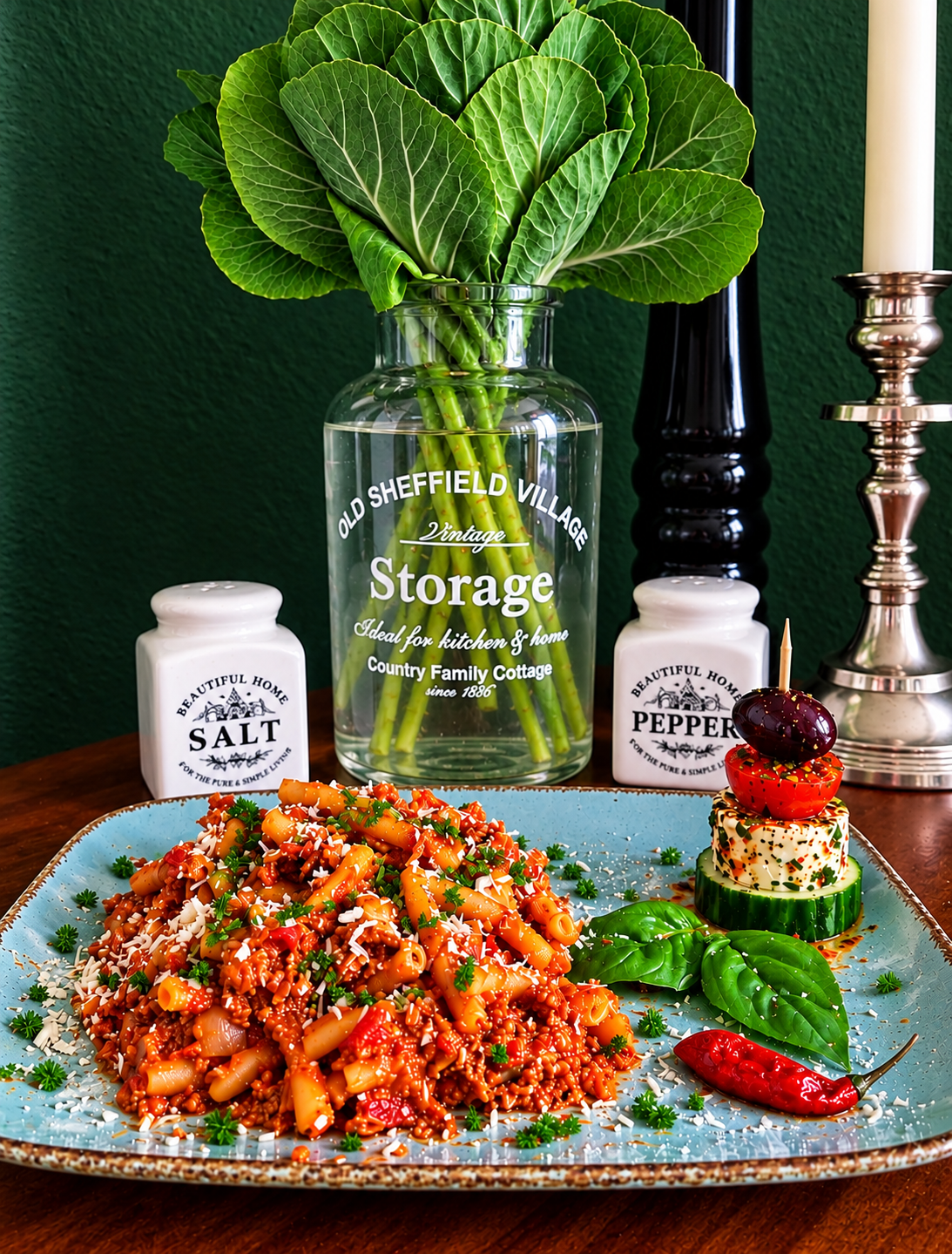
Mbakbaka, also written Imbakbaka, is a popular Libyan one-pot pasta dish traditionally prepared by simmering dry pasta directly in a seasoned tomato-based broth. Unlike conventional pasta recipes, the noodles absorb the flavors of the sauce while releasing starch, creating a rich consistency somewhere between pasta and stew. Many versions contain lamb, beef or chicken, while the spices and vegetables vary between families. This Via Veggie Vegan interpretation replaces meat with plant-based mince and uses a homemade Bzaar-inspired spice blend. Fresh parsley, lemon juice and vegan grated cheese complete this hearty, spicy dish.
From my kitchen to your plate.
Japan – A Culinary Tradition of Precision and Umami
Japan is an East Asian island nation celebrated for its diverse regional cuisines, seasonal ingredients and careful attention to flavor and presentation. Japanese cooking frequently highlights the natural character of ingredients, with fermented foods such as miso and soy sauce playing an important role. From traditional noodle shops to modern ramen restaurants, comforting bowls of noodles are an essential part of everyday food culture.
What Is Spicy Miso Ramen?
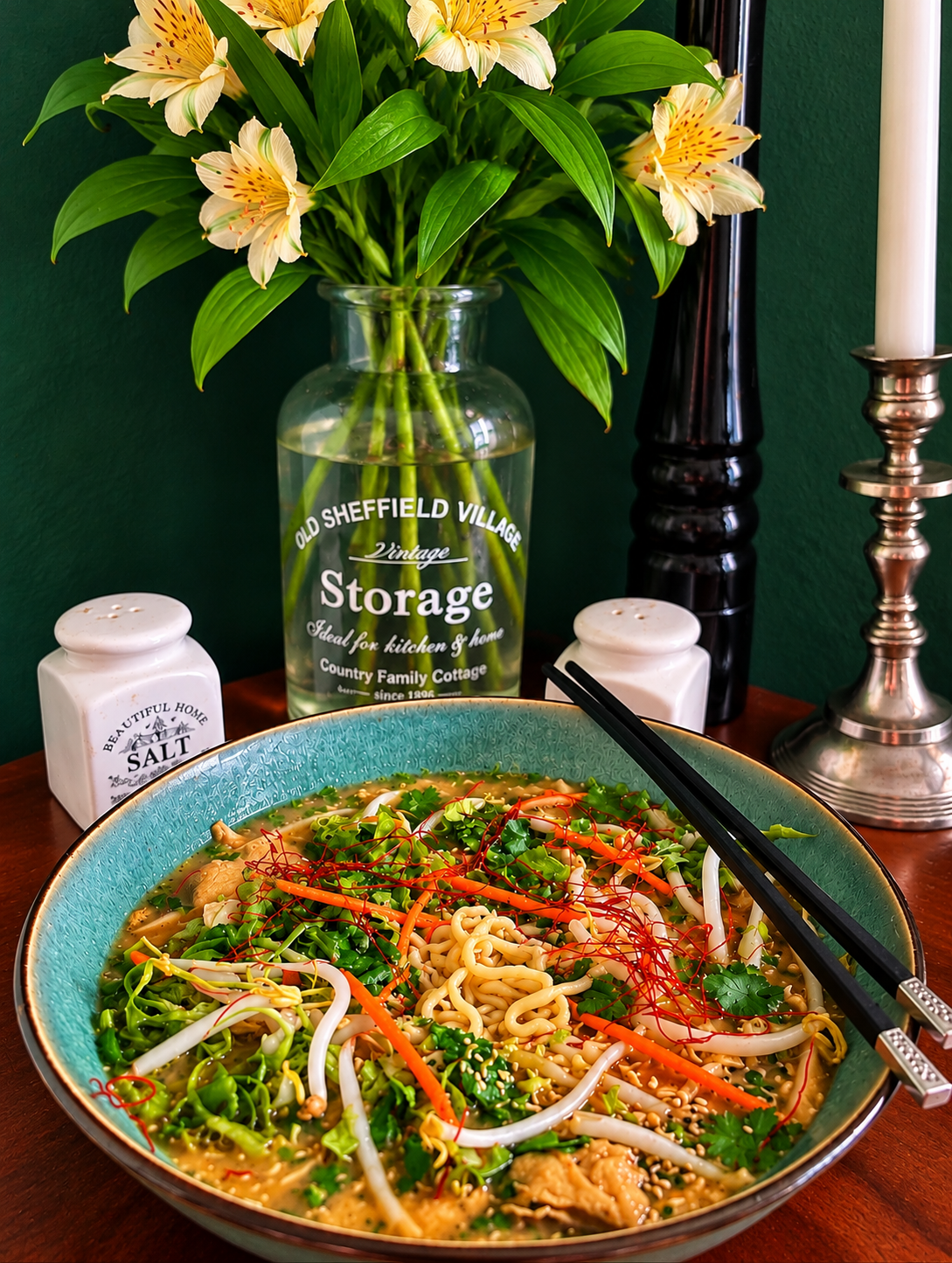
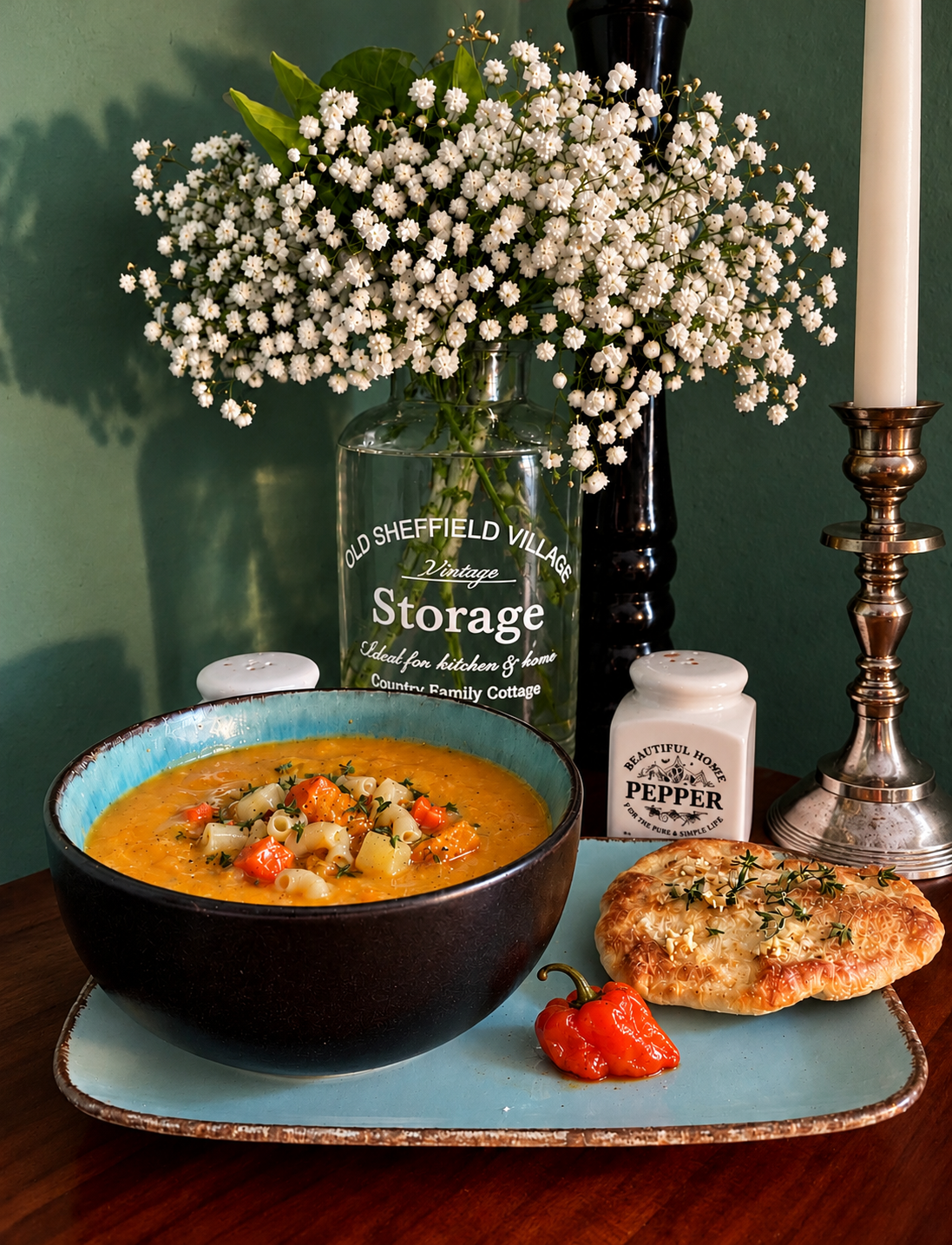
Ramen developed in Japan under the influence of Chinese wheat noodle traditions and has evolved into numerous regional styles. Miso ramen is particularly associated with Sapporo in Hokkaido, where miso-based ramen became popular during the twentieth century. This Via Veggie Vegan interpretation combines white miso, vegetable stock, soy milk, garlic, ginger and chili crisp to create a creamy, spicy broth. Ramen noodles, tofu, plant-based chicken and plenty of vegetables turn it into a generous, satisfying plant-based meal.
From my kitchen to your plate.
Haiti – The Caribbean Nation That Fought for FreedomHaiti occupies the western part of the Caribbean island of Hispaniola, which it shares with the Dominican Republic. Its culture reflects a rich heritage shaped by African traditions, Indigenous history, French colonial influence and the extraordinary struggle for independence. On 1 January 1804, Haiti declared its independence after a successful revolution against French colonial rule, becoming the first independent Black republic and the first state established through a successful revolt by enslaved people. Haitian cuisine is known for its vibrant seasonings, aromatic herbs, vegetables, rice, beans and deeply flavorful dishes. Food plays an important role in family gatherings, cultural identity and the preservation of traditions.
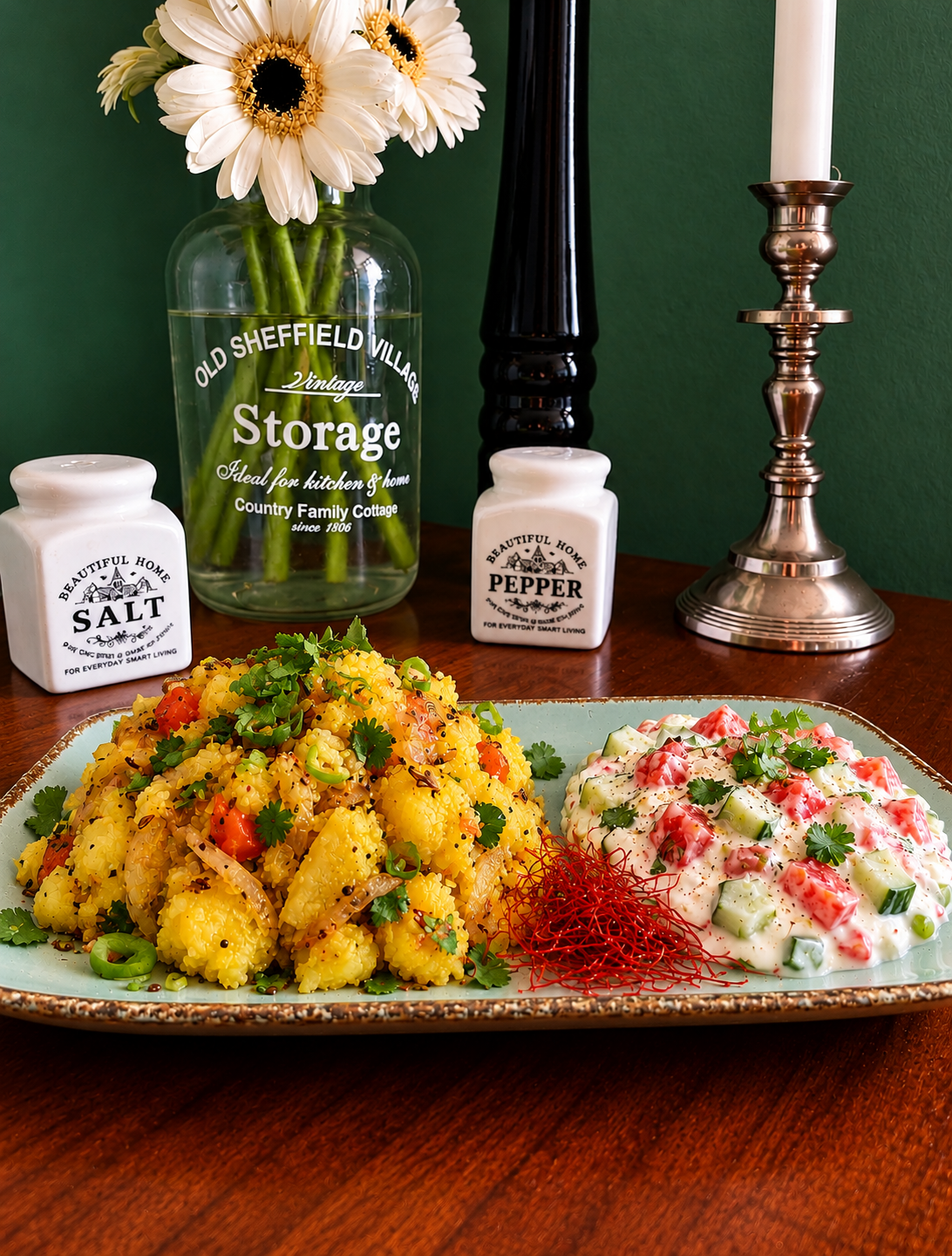
Soup Joumou – Haiti's Freedom Soup, Traditionally Eaten on 1 JanuarySoup Joumou is a traditional Haitian squash soup with profound historical and cultural significance. According to Haitian tradition, during French colonial rule, the richly prepared soup was associated with the colonial elite and denied to enslaved Haitians. Following independence on 1 January 1804, preparing and enjoying Soup Joumou became a powerful symbol of liberation, dignity and the freedom to enjoy what had previously been forbidden. Today, Haitian families and communities in Haiti and around the world traditionally prepare and share the soup on New Year's Day, which is also Haiti's Independence Day. Soup Joumou is often described as a soup of freedom, unity and peace. In 2021, UNESCO inscribed the knowledge and practices surrounding Joumou soup on its Representative List of the Intangible Cultural Heritage of Humanity. Traditional versions often contain meat, while this Via Veggie Vegan interpretation celebrates the dish with butternut squash, vegetables, pasta, homemade Haitian epis and vegetable broth.
From my kitchen to your plate.
Bangladesh – A Country of Rivers and Rich Culinary TraditionsBangladesh lies in South Asia, where the mighty Ganges, Brahmaputra and Meghna river systems have shaped the landscape, agriculture and food culture for centuries. Rice, lentils, vegetables, mustard oil and aromatic spices are important ingredients in everyday Bangladeshi cooking.
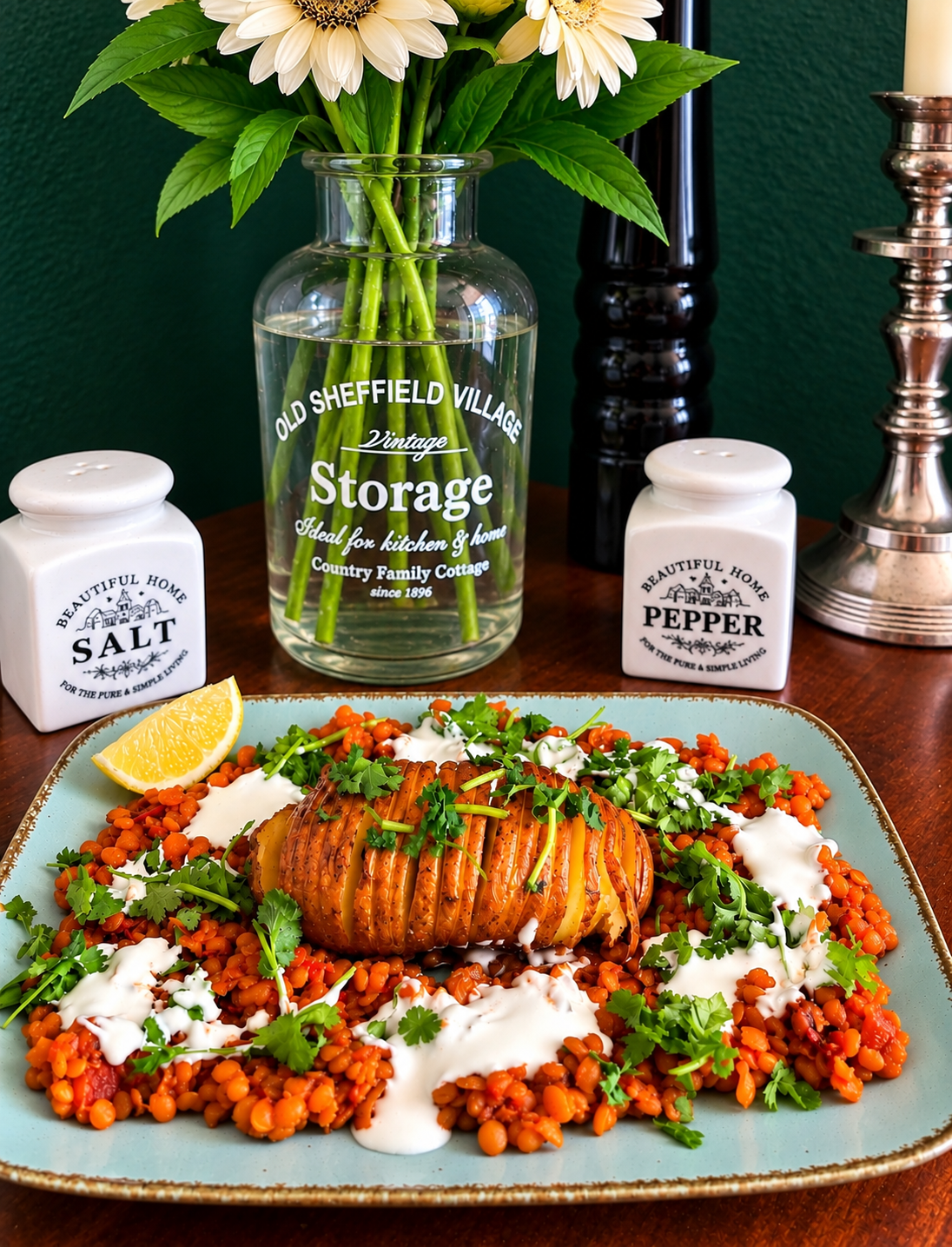
What Is Aloo Bharta?Aloo Bharta, more commonly known as Alu Bhorta in Bangladesh, is a traditional mashed potato preparation. The word alu means potato, while bhorta refers to a family of mashed or crushed dishes mixed with seasonings.
From my kitchen to your plate.
Ethiopia – A Rich Culinary HeritageEthiopia, located in the Horn of Africa, has a distinctive culinary tradition shaped by regional ingredients, agricultural practices and centuries of cultural history. Legumes, vegetables, aromatic spices and fermented flatbreads play important roles in many Ethiopian meals. Plant-based dishes are especially significant during religious fasting periods.
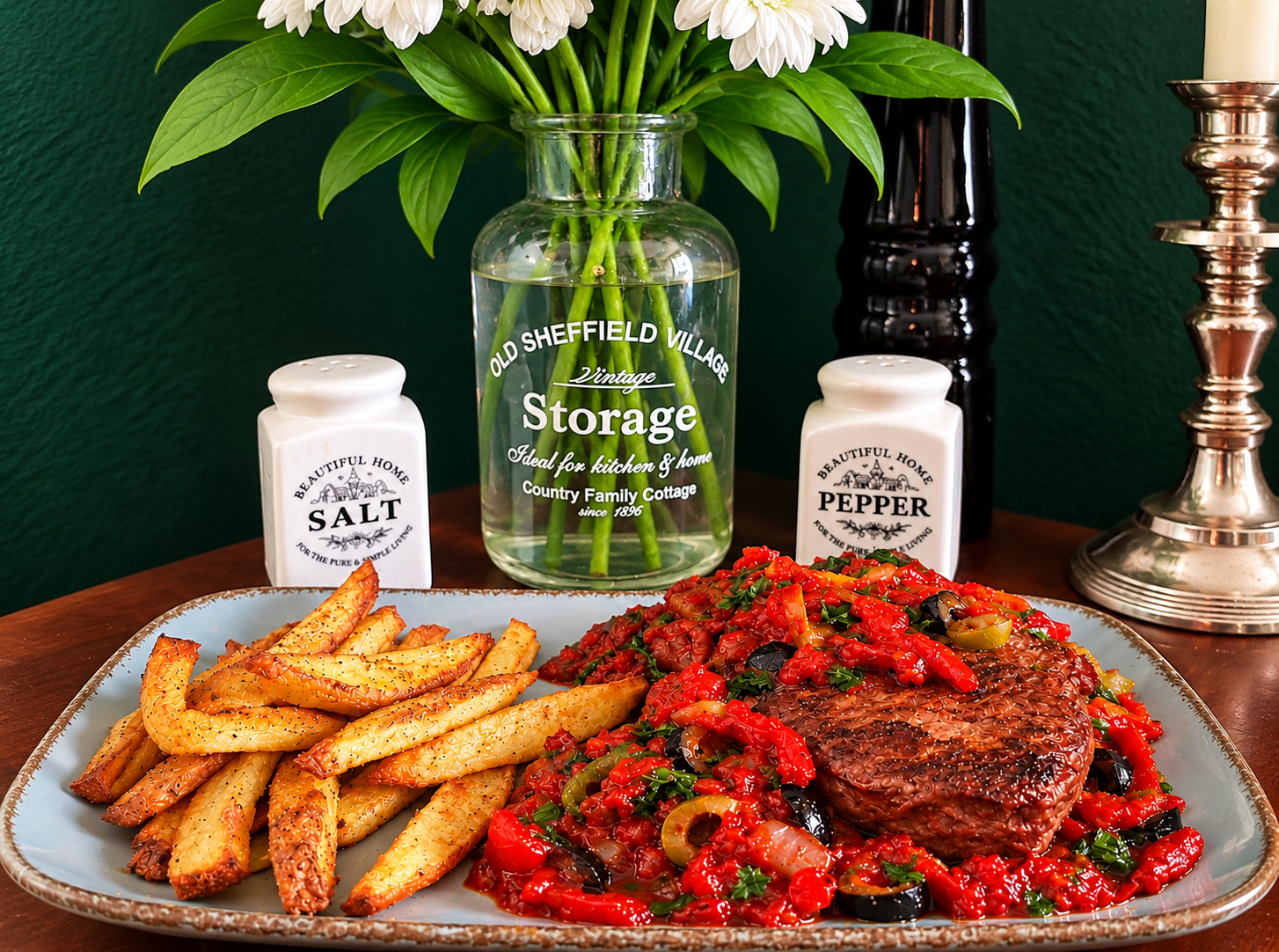
What Is Misir Wot?Misir Wot is a traditional Ethiopian red lentil stew, typically prepared with slowly cooked onions and berbere, a fragrant spice blend containing chilli and warming spices. Wot, also written wat, refers to a variety of Ethiopian stews made with vegetables, legumes or animal-based ingredients. My Via Veggie Vegan interpretation combines creamy, berbere-style red lentils with a golden Hasselback sweet potato, fresh coriander, vegan sour cream and lime. The Hasselback technique originates from Swedish cooking, making this colourful presentation a creative fusion rather than a traditional Ethiopian serving style.
From my kitchen to your plate.
Argentina – The Land of AsadoArgentina is famous for its asado, a traditional grilling culture that brings family and friends together. Grilled dishes are often accompanied by fresh, aromatic condiments such as Salsa Criolla, reflecting the country's passion for bold flavours and shared meals.
What Is Salsa Criolla?Salsa Criolla is a traditional Argentinian condiment made with finely chopped tomatoes, onions, bell peppers, oil, vinegar and seasonings. Unlike herb-based chimichurri, it is fresh, chunky and colourful. My Via Veggie Vegan interpretation combines a juicy Planted Steak with homemade Salsa Criolla, green and black olives, spicy peppers and beetroot juice instead of vinegar. A plant-based twist on an Argentinian classic!
From my kitchen to your plate.
Algeria – A Culinary Journey Through the MaghrebAlgeria is the largest country in Africa, stretching from the Mediterranean coast across the Atlas Mountains and deep into the Sahara Desert. Its cuisine reflects a rich combination of Amazigh, Arab, Mediterranean and other regional influences. Vegetables, legumes, aromatic herbs and warming spices play important roles in Algerian home cooking. Potatoes are particularly versatile and appear in numerous comforting everyday dishes.
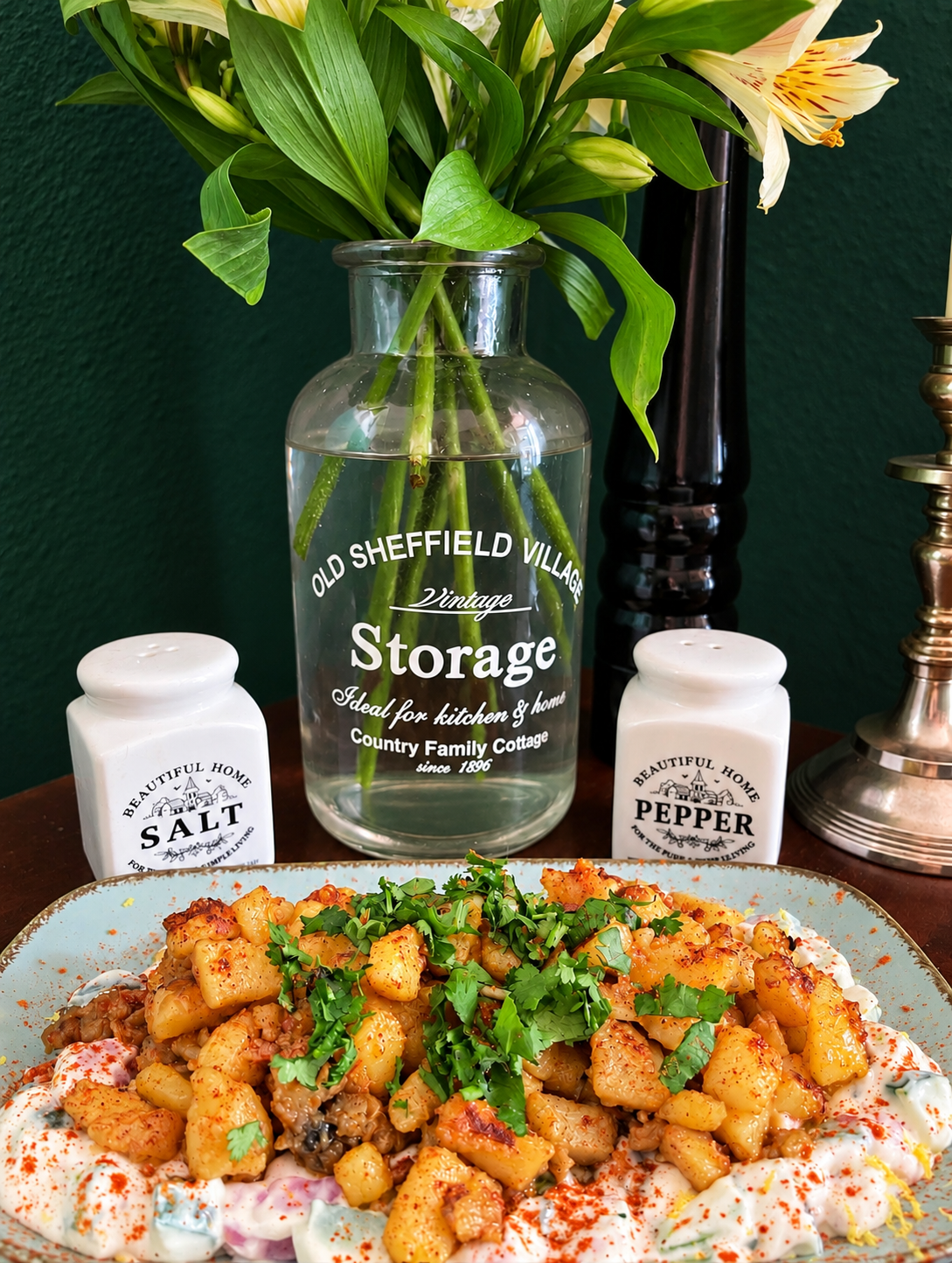
What Is Batata Mchermla?Batata Mchermla is an Algerian potato preparation in which potatoes are coated in a fragrant mixture of garlic, herbs and spices. The name refers to potatoes seasoned with chermoula, a North African preparation that varies considerably between regions and households. My Via Veggie Vegan version combines golden, crispy potatoes with garlic, cumin, paprika, harissa and fresh coriander, served on a cooling bed of unsweetened soy yogurt with cucumber, tomato and lemon zest. This creamy accompaniment is my personal plant-based interpretation rather than a traditional requirement of Batata Mchermla.
From my kitchen to your plate.
Bolivia – Andean Traditions and the Love of PumpkinBolivia is a landlocked country in South America, known for its spectacular Andean landscapes, rich Indigenous heritage and diverse regional food traditions. Potatoes, corn, legumes and squash have played an important role in local cooking for generations. In southern Bolivia, particularly around Tarija, hearty vegetable preparations reflect the region's culinary traditions. Pumpkin, known as zapallo in Spanish, is a popular ingredient in comforting dishes that combine seasonal vegetables, aromatic spices and locally available produce.
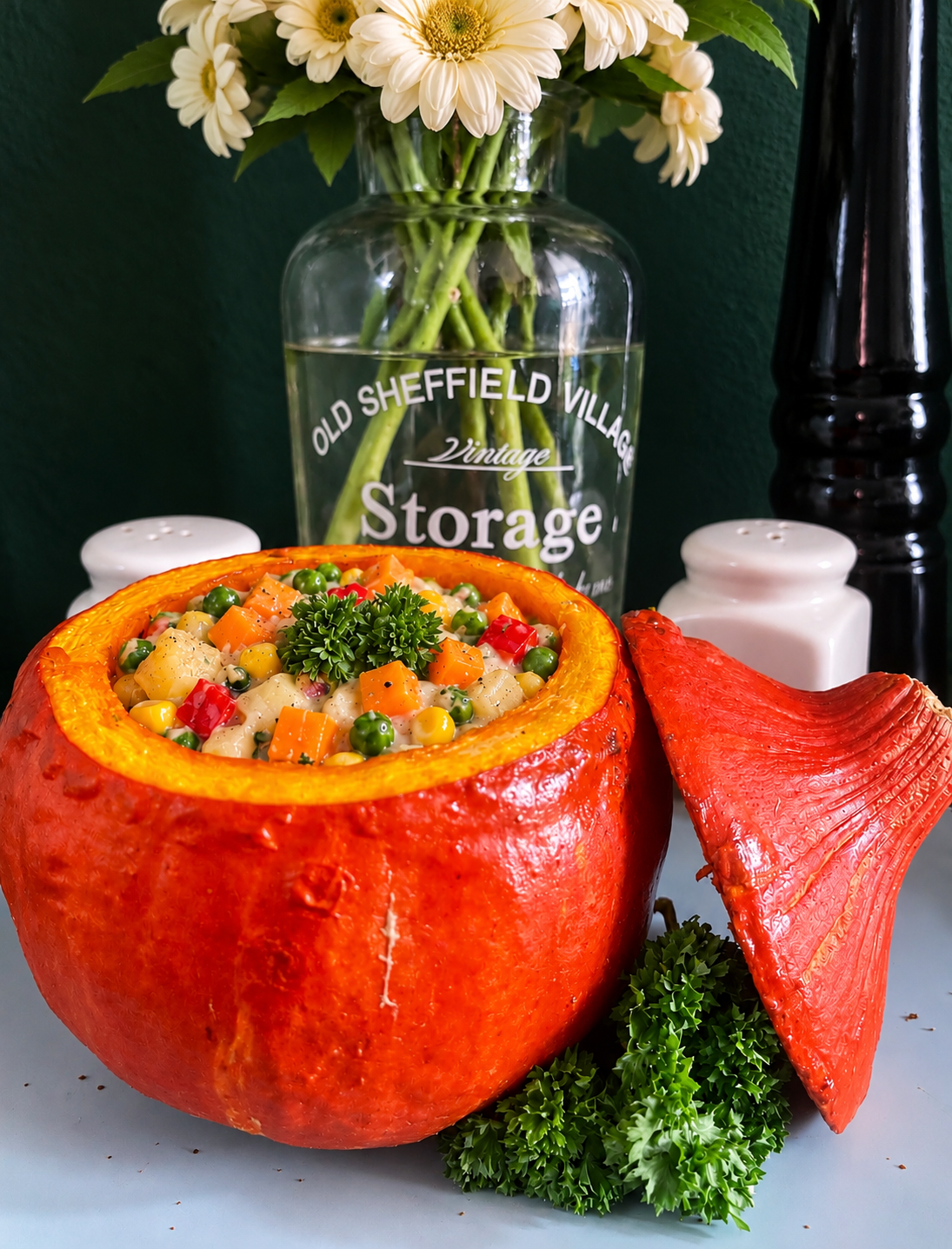
What Is Carbonada de Zapallo?Carbonada de Zapallo is a pumpkin-based stew associated with Bolivian and broader South American culinary traditions. Related dishes, including Locro de Zapallo, combine pumpkin with ingredients such as potatoes, corn, peas and other vegetables, although recipes vary considerably between regions and households. My Via Veggie Vegan interpretation transforms this hearty vegetable stew into a colourful plant-based main course served inside two roasted Hokkaido pumpkins. Brushed with chili oil and filled with potatoes, corn, peas, aromatic vegetables, cumin, oregano and melted vegan cheese, the pumpkins become edible serving bowls. Their naturally sweet flesh and tender skin complement the savoury, spicy filling, creating a delicious zero-waste dish inspired by Bolivia.
From my kitchen to your plate.
Palava Sauce is a well-known dish in Ghanaian cuisine and part of the wider culinary traditions of West Africa. At its heart are leafy greens cooked in a rich, savory sauce with tomatoes, onions and aromatic seasonings.
In Ghana, Palava Sauce is commonly prepared with kontomire, the leaves of cocoyam. These leafy greens are widely used in Ghanaian cooking and contribute a distinctive flavor and texture to traditional vegetable dishes.
Recipes vary between regions and households. Depending on the preparation, Palava Sauce may contain additional ingredients such as ground seeds, fish or other sources of protein. It is commonly served with a starchy accompaniment that balances the rich vegetable sauce.
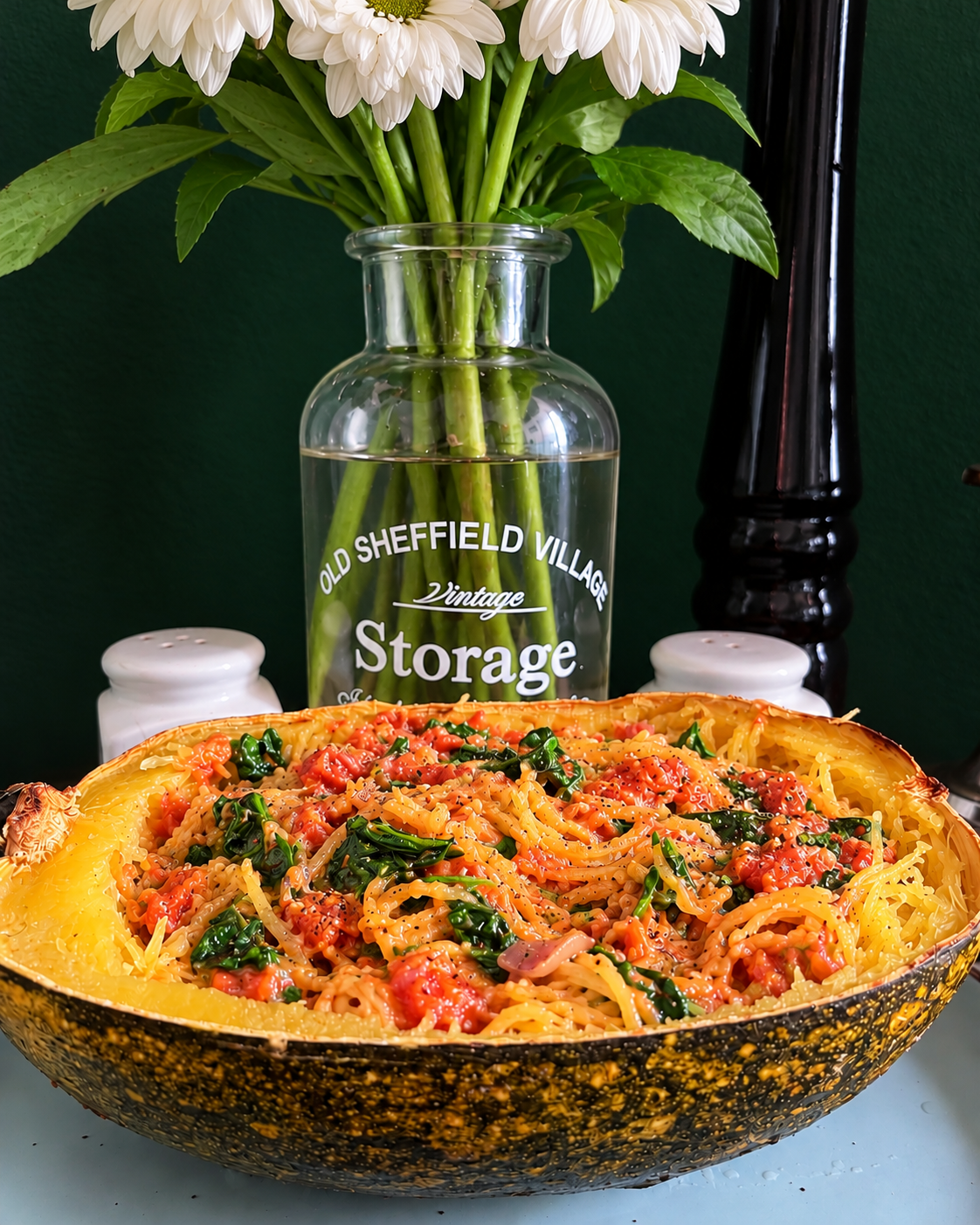
This plant-based version replaces traditional kontomire with fresh spinach, which is more readily available outside West Africa. Tomatoes, onions, garlic, ginger and chili create an aromatic base, while peanut butter adds creaminess and a nutty flavor.
Instead of serving the sauce with a traditional Ghanaian accompaniment, this version pairs it with roasted spaghetti squash. The squash develops tender, golden strands that resemble spaghetti when loosened with a fork.
Served directly inside the roasted squash halves, the dish combines a Ghanaian-inspired spinach sauce with a creative vegetable-based presentation. The mild sweetness of the squash complements the savory, slightly spicy Palava Sauce.
From my kitchen to your plate.
The Philippines – A Culinary Love Affair with Coconut
The Philippines is an archipelago of more than 7,600 islands in Southeast Asia, with a wonderfully diverse culinary heritage shaped by regional traditions, tropical ingredients and centuries of cultural exchange. Coconut is an essential ingredient in many Filipino kitchens, particularly in regions where coconut palms grow abundantly. One beloved cooking technique is known as ginataan, which involves simmering vegetables, seafood, meat or even sweet ingredients in coconut milk. Combined with aromatic garlic, ginger, onions and chili, coconut milk creates wonderfully rich and comforting dishes. Squash and yardlong beans are especially popular vegetables in Filipino home cooking, making their combination a delicious example of the country's flavorful everyday cuisine.
Ginataang Kalabasa at Sitaw – Filipino Comfort Food with a Creative Twist
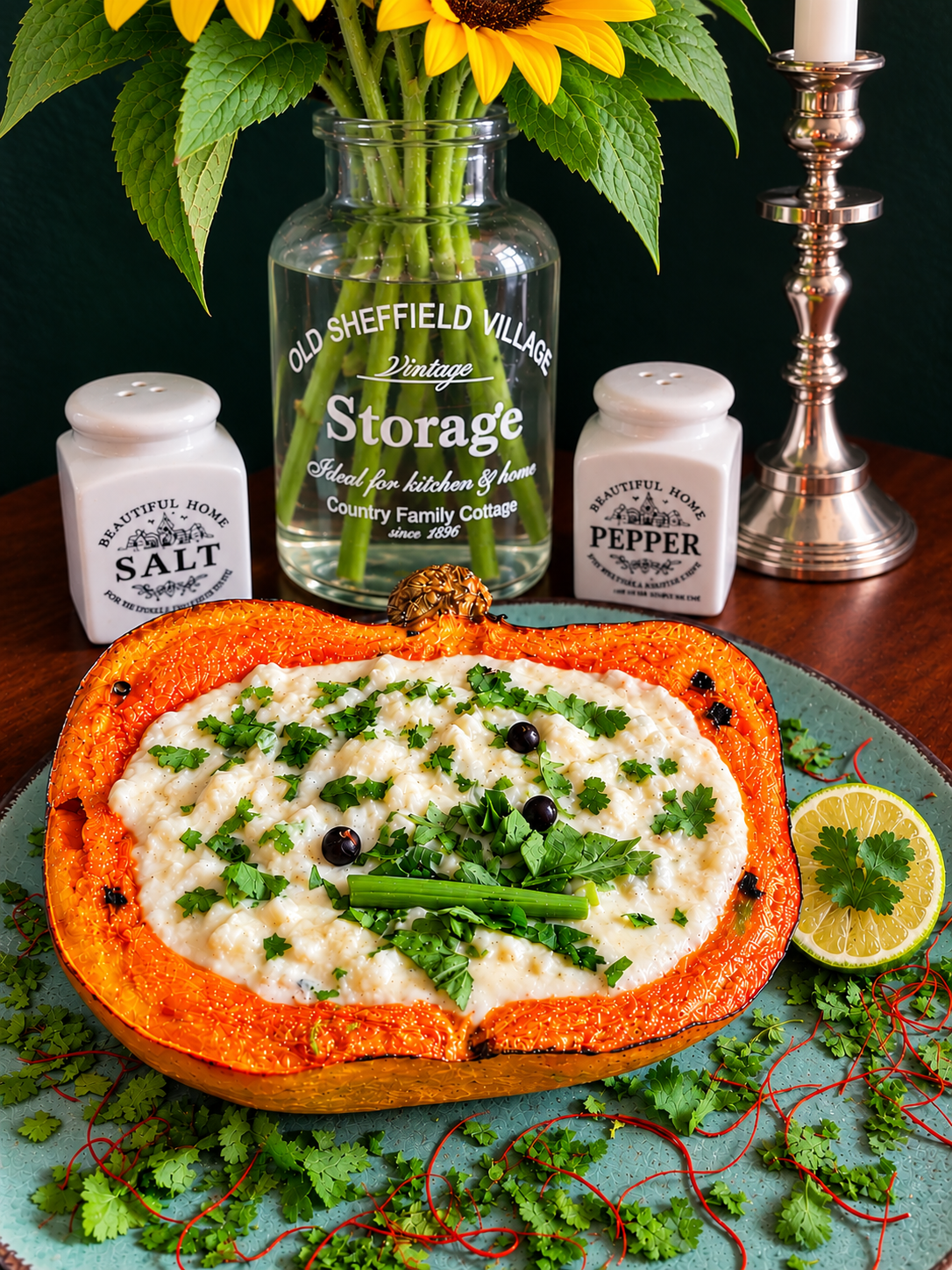
Ginataang Kalabasa at Sitaw translates roughly to squash and yardlong beans cooked in coconut milk. Kalabasa refers to squash, while sitaw describes the long, slender beans commonly used in Filipino cooking. Traditional preparations often include shrimp, pork or fish sauce, although the ingredients and seasonings vary between households. My completely vegan interpretation uses plant-based fish sauce, plenty of garlic, fresh ginger, chili and creamy coconut milk. Instead of traditional kalabasa, I roast a small Hokkaido squash and transform its two halves into edible serving bowls. Fresh coriander, lime and homemade lemongrass salt add my personal Via Veggie Vegan signature. The result is Filipino comfort food at heart, with a generous helping of Team Garlic, Team Spicy and a little zero-waste kitchen magic.
From my kitchen to your plate.
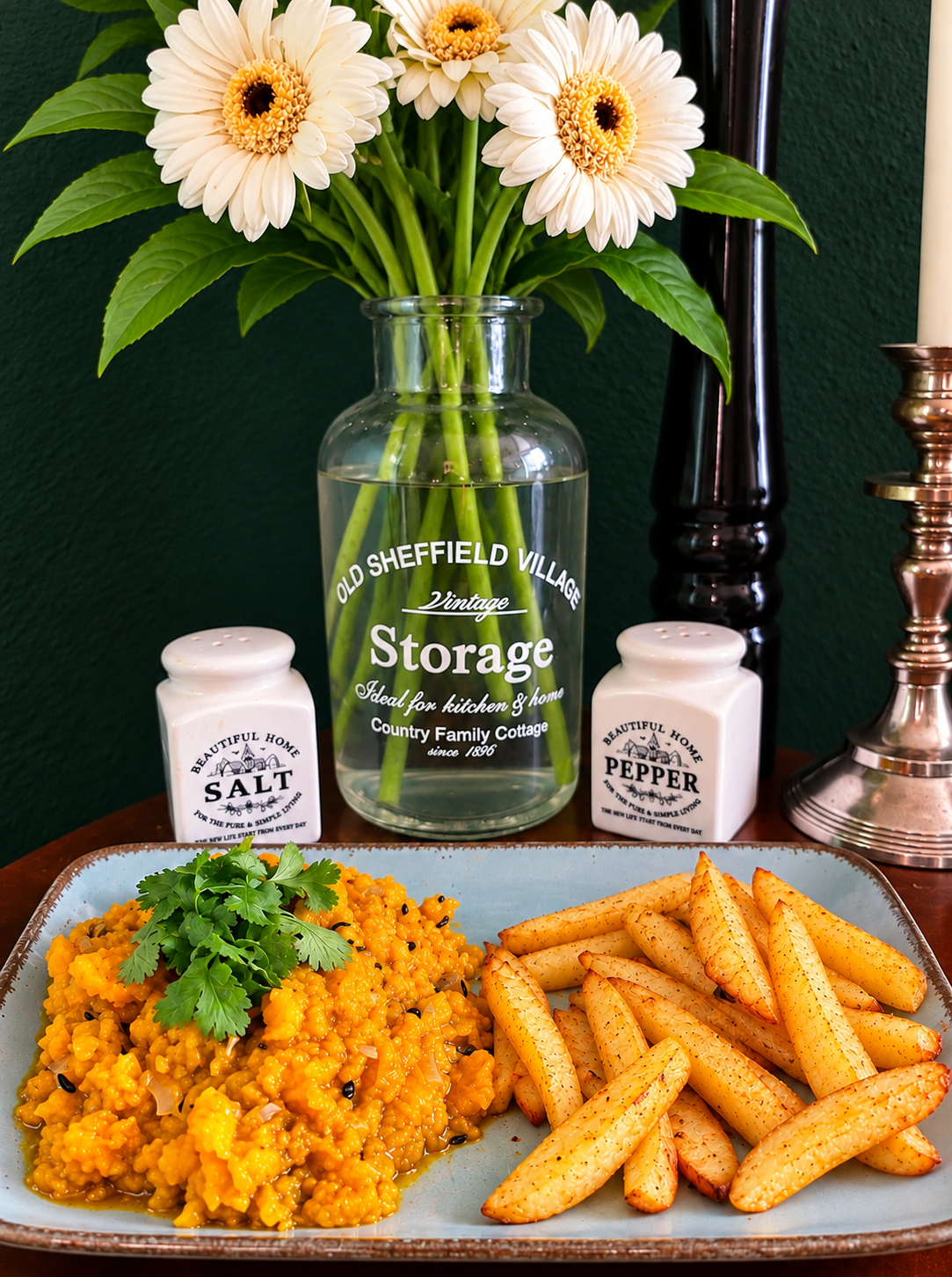
What Is Cari Giraumon?
Cari Giraumon is a pumpkin curry associated with Mauritian home cooking.
The name combines cari, the Mauritian Creole word for curry, with giraumon, a term used for pumpkin or squash.
Mauritian cuisine reflects a rich mixture of culinary influences, particularly from India, Africa, Europe and China.
Curries are an important part of the island's food culture, with recipes varying between families and communities.
What Makes This Pumpkin Curry Different?
Unlike coconut-based curries, this version relies on the natural moisture and starches of the pumpkin.
As the pumpkin cooks, some pieces soften and partially break down.
This naturally thickens the cooking liquid, creating a rich sauce without cream, coconut milk or additional thickeners.
The result is a curry that tastes intensely of pumpkin, supported by garlic, ginger, chili and fragrant herbs.
What Is Giraumon?
Giraumon refers to pumpkin or squash.
Different varieties can be used depending on availability.
A firm, flavorful pumpkin with relatively dense flesh works particularly well.
Butternut squash or other suitable cooking pumpkins can also be used if Sombra pumpkin is unavailable.
Why Use Curry Leaves?
Curry leaves have a distinctive aromatic flavor with citrusy, herbal and slightly nutty notes.
They are commonly used in Indian Ocean cuisines, including Mauritian cooking.
They are not the same as curry powder.
Fresh curry leaves are particularly fragrant, although frozen leaves can also work well.
Why Add Thyme?
Thyme is used in many Mauritian savory dishes.
It adds an earthy, herbal character that complements the sweetness of pumpkin and the warmth of ginger.
Cooking the whole sprig with the curry allows its flavor to infuse the sauce.
Remove the woody stem before serving.
What Is Traditionally Served with Cari Giraumon?
Mauritian curries are often enjoyed with flatbreads such as farata or roti, or with rice.
Farata is a layered Mauritian flatbread related to Indian paratha.
For this Via Veggie Vegan presentation, crispy potato wedges replace the more traditional accompaniment.
From my kitchen to your plate.
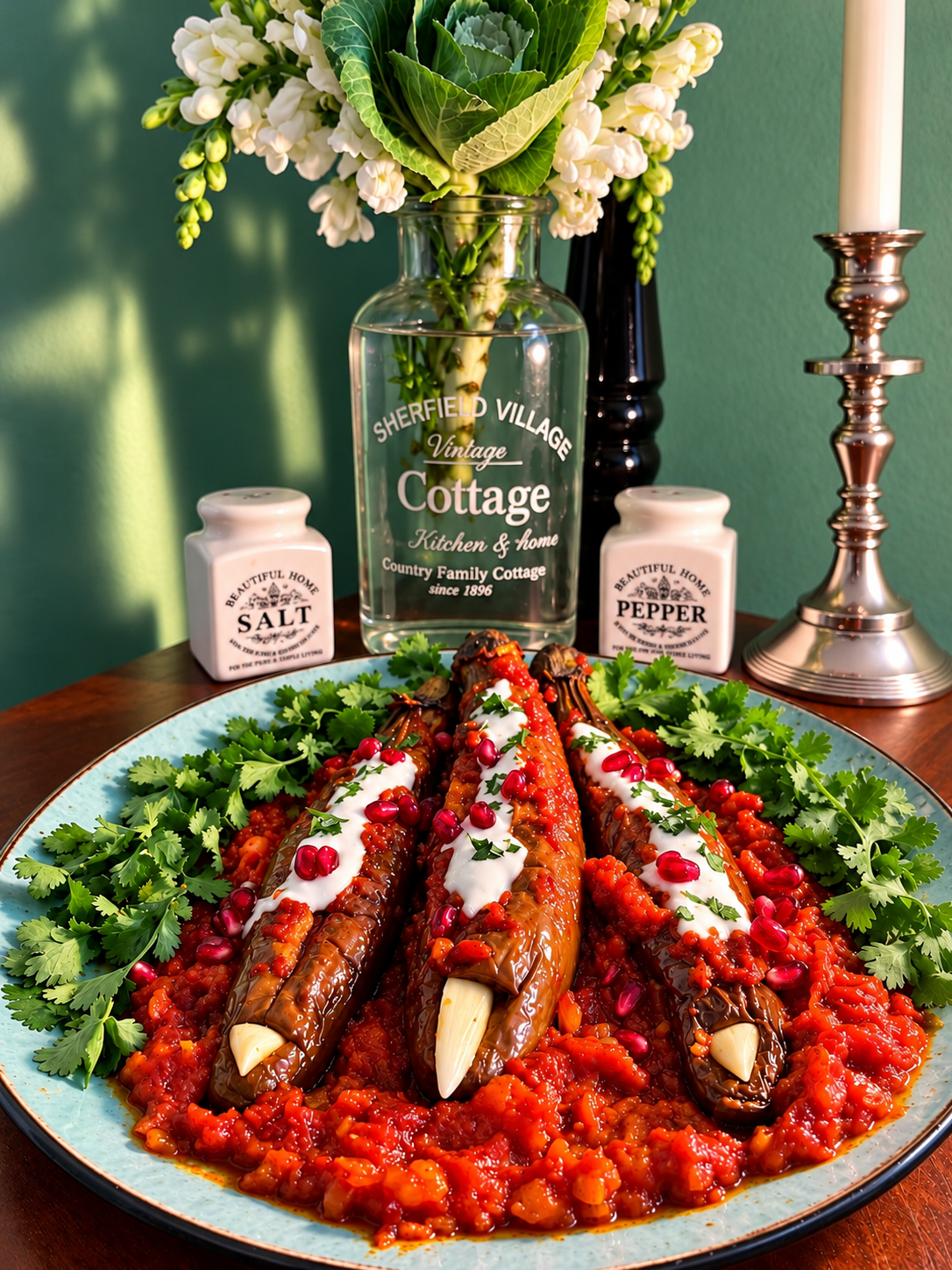
Tajikistan – Culinary Traditions Along the Silk RoadTajikistan is a mountainous country in Central Asia whose culinary heritage has been shaped by Persian influences, regional trade routes and centuries of cultural exchange along the Silk Road. Traditional Tajik cooking features bread, rice, legumes, vegetables, fresh herbs and aromatic spices. Eggplants, tomatoes, garlic and coriander are familiar ingredients across the wider Persian-influenced culinary region, where vegetable dishes are often paired with tangy yogurt sauces. Although Borani Banjan is particularly associated with Afghanistan rather than being a traditional Tajik national specialty, its combination of tender eggplant, richly seasoned tomatoes and cooling yogurt reflects flavors shared across neighboring culinary traditions.
Borani Banjan – Afghan Roots with a Vegan Central Asian TwistBorani Banjan is a beloved Afghan eggplant dish traditionally prepared with tender fried or cooked eggplants, a fragrant tomato sauce and a generous layer of garlic yogurt. My vegan interpretation takes inspiration from this classic while introducing a few personal Via Veggie Vegan touches. Instead of frying thick eggplant slices, I use six slender Japanese eggplants, carefully hollow them out, fill them with aromatic tomato sauce and bake them whole until wonderfully tender. Turmeric, cumin, coriander, cayenne pepper and black pepper give the sauce its warm, spicy character, while unsweetened soy yogurt and vegan crème fraîche create a cooling garlic topping with a hint of lemon zest. Fresh coriander, dried mint and jewel-like pomegranate seeds complete the dish. Rooted in Afghan cuisine, inspired by the wider culinary traditions of Central Asia and prepared as part of my journey through Tajikistan, this colorful creation brings together tradition, creativity and delicious plant-based flavors.

From my kitchen to your plate.
Italy – The Birthplace of Pizza
Italy is famous for its extraordinary culinary heritage, where simple ingredients, regional traditions and a passion for good food come together. Pizza is one of the country's most celebrated dishes, with Naples in southern Italy widely recognized as the birthplace of modern pizza. Traditional Neapolitan pizza is made with yeast-leavened dough and often topped with tomatoes, mozzarella and fresh basil. Over time, pizza has inspired countless regional and international variations, proving that a simple combination of dough, tomato sauce and delicious toppings offers endless possibilities for culinary creativity.
What Is Vegan Halloween Skull Pizza?
Vegan Halloween Skull Pizza is my playful Via Veggie Vegan interpretation of an Italian classic, transformed into two deliciously spooky edible skulls. Instead of traditional yeast dough, I use a quick homemade baking powder dough that can be shaped and baked without a long rising time. A fragrant Italian-inspired tomato sauce, melting plant-based pizza topping, vegan salami, black olives, artichoke hearts, sweetcorn and fiery green chillies create both the flavour and the frightening facial features. Finished with homemade chilli-garlic oil, these golden skull-shaped pizzas bring Italian inspiration, Halloween fun and creative vegan Food Art together on one plate.

From my kitchen to your plate.
Iraq – A Culinary Heritage Between Two RiversIraq lies in the historic region of Mesopotamia, between the Tigris and Euphrates rivers, where some of the world's earliest urban civilizations developed. Its cuisine reflects centuries of Arab, Persian, Kurdish, Turkish and other regional influences, combining hearty stews, vegetables, legumes, rice and aromatic spices. Garlic, cumin, coriander and tomato-based sauces are familiar elements of Iraqi home cooking. The Arabic word "maraq" refers to a broth or stew, while "qarnabit" means cauliflower. Together, they describe a comforting cauliflower dish rooted in the broader traditions of Iraqi cuisine.
Maraq Qarnabit – Iraqi Cauliflower Stew with a Spooky Vegan TwistTraditional Iraqi cauliflower stews can feature cauliflower simmered in a seasoned tomato-based broth, sometimes alongside meat and other vegetables. My Vegan Iraqi Maraq Qarnabit takes inspiration from these flavors but transforms the familiar stew into a completely plant-based Halloween centerpiece. Instead of cutting the cauliflower into florets, I cook it whole and carefully shape its surface to resemble a human brain. A rich tomato sauce seasoned with garlic, cumin, coriander, paprika and chili forms the base, while beetroot juice adds a dramatic blood-red finish. Fresh coriander and a punchy garlic-lemon drizzle complete the dish. It is a creative Iraqi-inspired interpretation rather than a traditional presentation – where comforting Middle Eastern flavors meet a deliciously wicked Halloween imagination.
