From my kitchen to your plate.
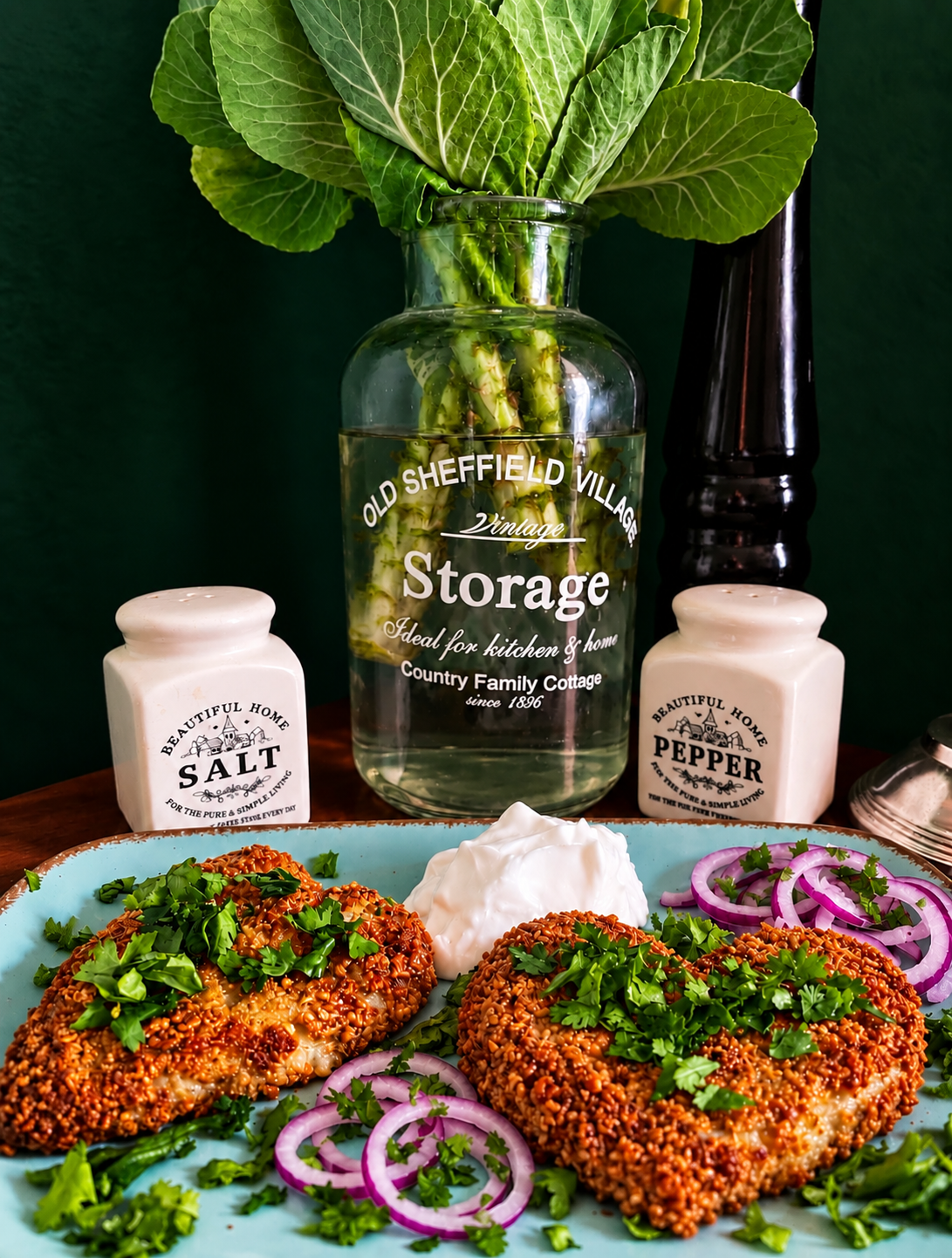
Nigeria – The Home of Suya and Bold West African FlavoursNigeria is a West African country with a remarkably diverse culinary heritage, shaped by its many ethnic communities and regional food traditions. Suya is one of its most recognisable street foods and is particularly associated with the Hausa culinary traditions of northern Nigeria. Traditionally, thin pieces of meat are coated in a fragrant, spicy peanut-based seasoning and grilled over charcoal. Suya is commonly served with sliced onions, tomatoes and other fresh accompaniments, creating a delicious contrast between smoky, spicy and refreshing flavours.
What Are Nigerian Suya Cauliflower Hearts?Suya Cauliflower Hearts are my creative Via Veggie Vegan interpretation of Nigerian suya flavours rather than a traditional Nigerian dish. Instead of meat, I use cooked cauliflower, remove the excess moisture and shape it into two decorative hearts. The cauliflower is coated with homemade Yaji, a seasoning inspired by Nigerian suya spice blends and made with roasted peanuts, chilli, ginger, garlic and aromatic spices. After baking, the golden hearts are served with vegan sour cream, red onion rings and fresh coriander. The result is a completely plant-based fusion dish with a nutty, spicy crust and a playful presentation.

From my kitchen to your plate.
Hungary – A Country with a Sweet Culinary HeritageHungary is a Central European country known for its rich culinary traditions, including comforting soups, pastries, chocolate desserts and sweet specialities. Hungarian cuisine is particularly famous for its use of paprika, although sweet dishes often feature ingredients such as chocolate, vanilla, walnuts and poppy seeds. Chocolate-based desserts have a place in Hungarian confectionery, but this particular chili chocolate soup should be understood as a modern Hungarian-inspired creation rather than a documented traditional national dish.
What Is Csokoládéleves?Csokoládéleves literally means chocolate soup in Hungarian. My Via Veggie Vegan interpretation transforms dark chocolate, unsweetened cocoa powder and oat drink into a rich, velvety dessert soup. Brown sugar adds sweetness, vanilla contributes a delicate aroma and a small amount of cornstarch creates a smooth, lightly thickened consistency. A quarter teaspoon of chili powder gives the chocolate a pleasantly warming finish. Served in dessert glasses, with an optional skull-shaped espresso ice cube for Halloween, this completely plant-based creation combines chocolate indulgence with a playful spooky-season twist.
From my kitchen to your plate.
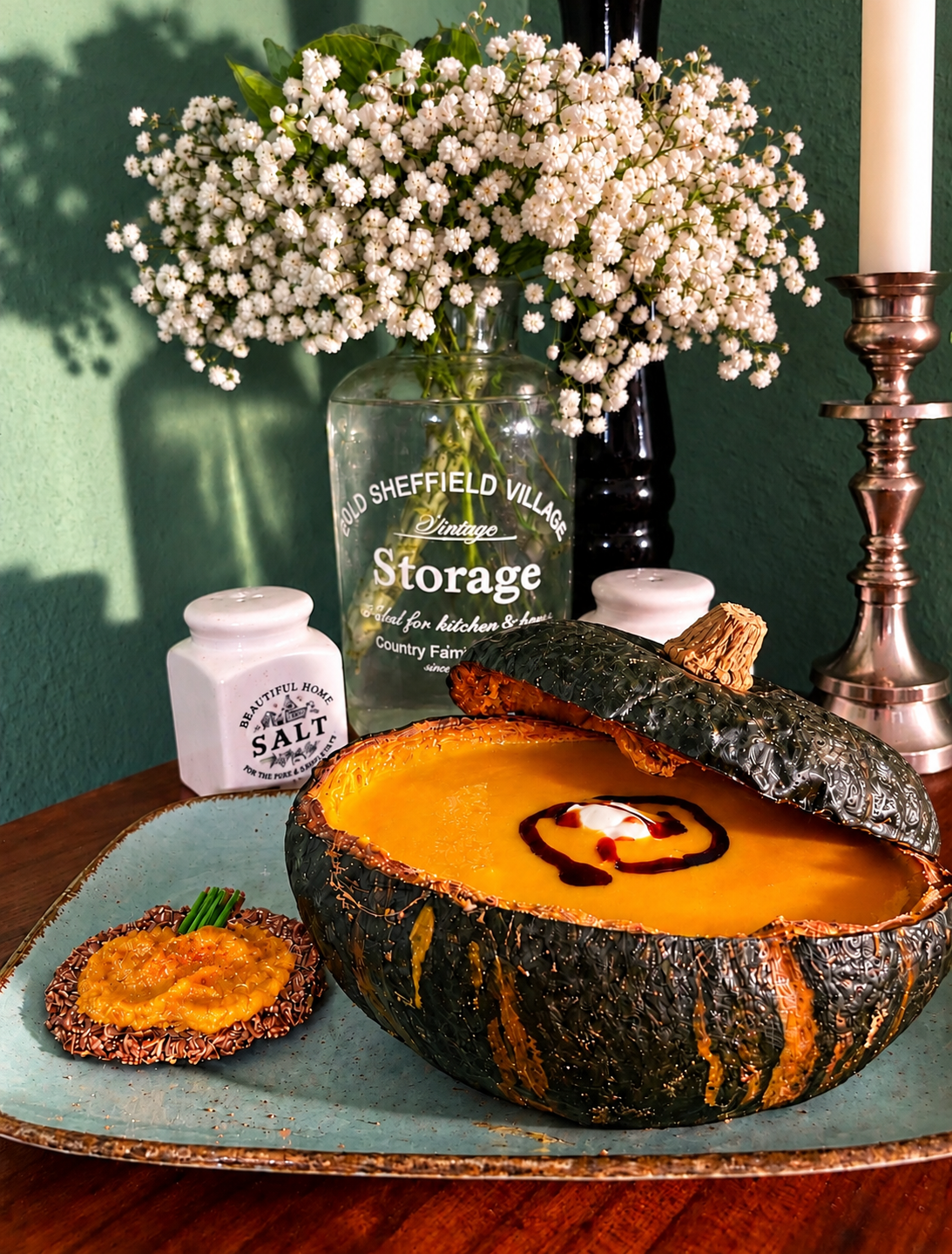
Saint Lucia – A Caribbean Island of Culinary InfluencesSaint Lucia is a beautiful island nation in the eastern Caribbean, known for its volcanic landscapes, tropical climate and rich cultural heritage. Its cuisine reflects African, Indigenous Caribbean, European and South Asian influences, with fresh local produce, aromatic spices, root vegetables and chilies playing important roles. Pumpkin and other varieties of squash are familiar ingredients in Caribbean home cooking, appearing in soups, stews and hearty vegetable dishes. The island's culinary traditions combine comforting ingredients with bold, fragrant flavors.
Soupe de Citrouille – A Caribbean-Inspired Pumpkin SoupSoupe de Citrouille translates from French as pumpkin soup, although there is no single definitive Saint Lucian recipe under this name. My Via Veggie Vegan interpretation combines tender pumpkin with garlic, ginger, Caribbean-style curry spices, coconut milk and freshly squeezed orange juice. Instead of serving the soup in ordinary bowls, I hollowed out two small green Hokkaido pumpkins, roasted them with chili oil and transformed them into edible serving bowls. A swirl of vegan sour cream and pumpkin seed oil completes this warming, aromatic and entirely plant-based Caribbean-inspired creation.
From my kitchen to your plate.
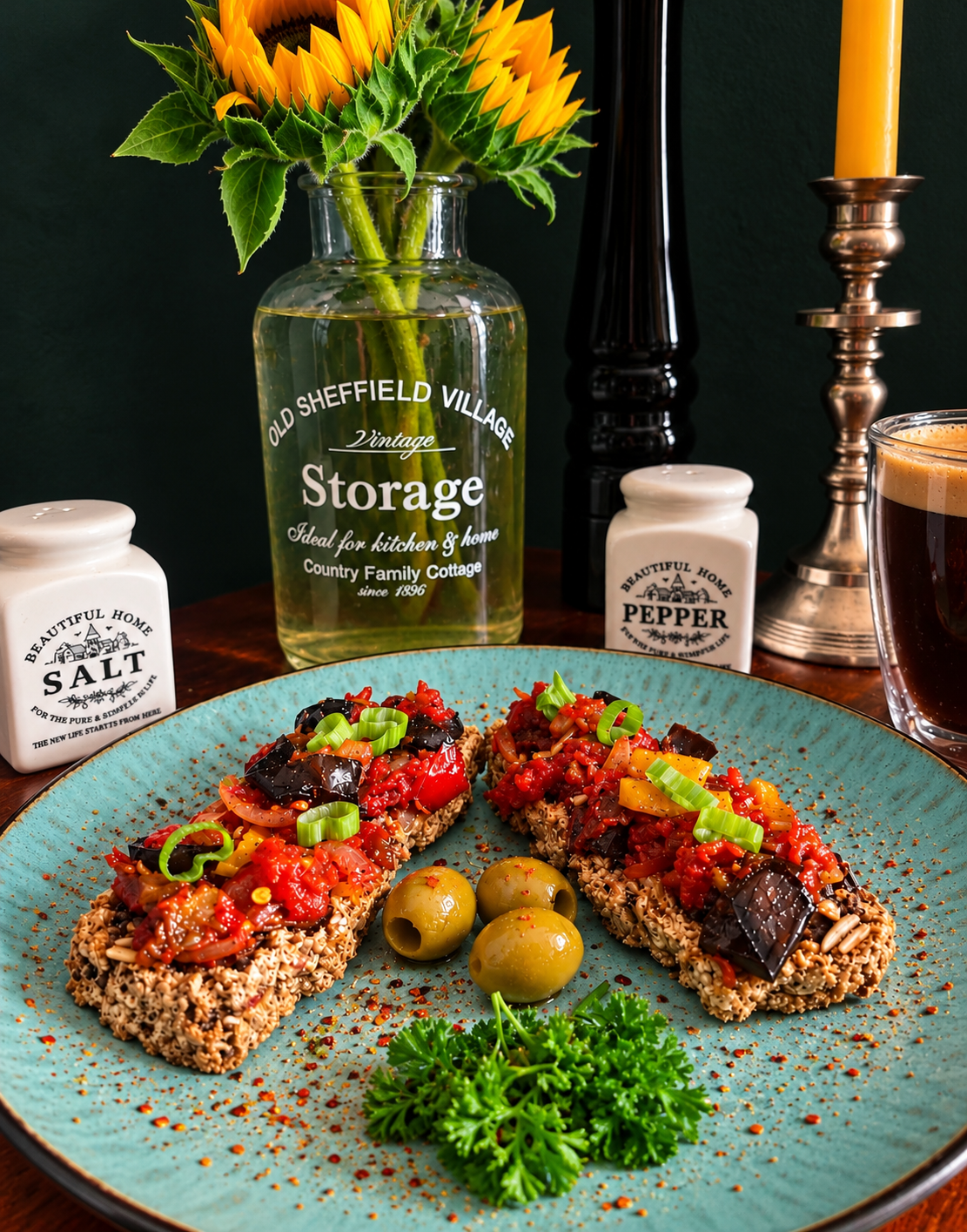
North Macedonia – A Culinary Crossroads in the BalkansNorth Macedonia is a landlocked country in southeastern Europe whose cuisine reflects centuries of Balkan, Mediterranean and Ottoman influences. Fresh vegetables, peppers, tomatoes, beans, herbs and rustic breads are essential parts of its culinary traditions. Roasted vegetable preparations, savory spreads and small dishes known as meze are particularly popular. Seasonal ingredients and traditional preservation methods play an important role, especially when preparing vegetables for the colder months.
Pindjur – A Rustic Roasted Vegetable SpecialtyPindjur is a traditional North Macedonian vegetable relish typically prepared with roasted peppers, tomatoes, garlic and, in many variations, eggplant. Unlike the better-known Ajvar, Pindjur generally has a chunkier consistency and a particularly juicy tomato character. The vegetables are chopped or crushed rather than blended into a completely smooth purée. Pindjur is naturally vegan when prepared without animal-derived additions and can be enjoyed as a spread, side dish or part of a meze selection. It is sometimes served with traditional white brined cheese, but my Via Veggie Vegan version skips the cheese entirely. Instead, I serve the rich, aromatic vegetable relish generously on crispy roasted farmhouse bread, accompanied by green olives and fresh parsley.
From my kitchen to your plate.
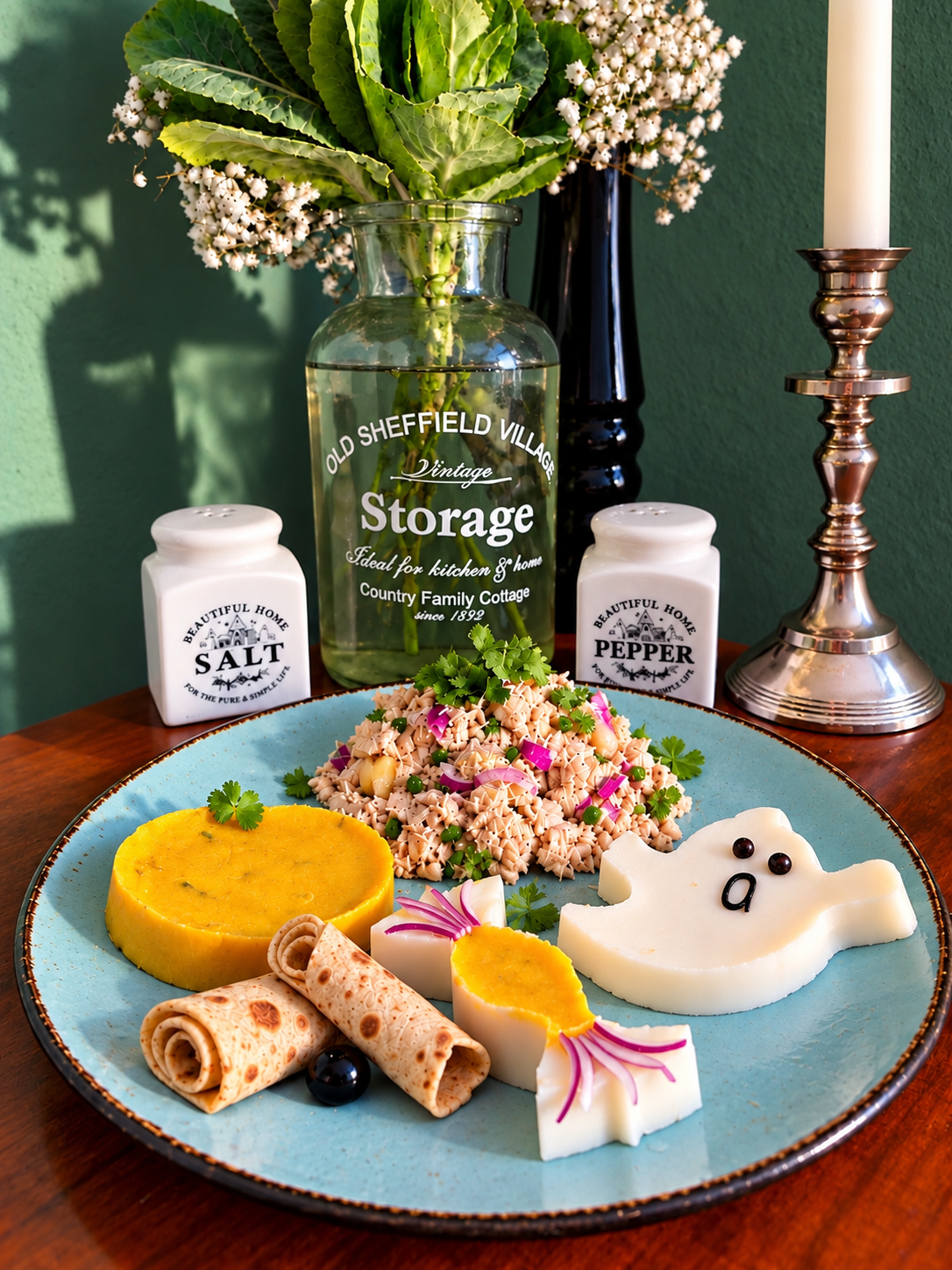
Maldives – Island Cuisine Shaped by the Indian OceanThe Maldives is a tropical island nation in the Indian Ocean, southwest of India and Sri Lanka. Its culinary traditions are closely connected to the sea, with tuna, coconut, chili and aromatic ingredients playing central roles in everyday cooking. Indian and Sri Lankan influences have also shaped Maldivian food culture over generations. Simple, fresh ingredients and the combination of savory, spicy and citrus flavors are characteristic of many traditional dishes.
Mas Huni & Roshi – The Classic Maldivian BreakfastMas Huni is one of the Maldives' most beloved breakfast dishes. Traditionally prepared with finely shredded tuna, freshly grated coconut, red onion, green chili and lime juice, this refreshing salad is commonly served with Roshi, a thin, unleavened flatbread cooked in a hot pan. My Via Veggie Vegan interpretation replaces tuna with a plant-based alternative and adds three playful Halloween decorations made from silken tofu. The result combines the familiar flavors of a Maldivian breakfast with a little seasonal kitchen magic.
From my kitchen to your plate.
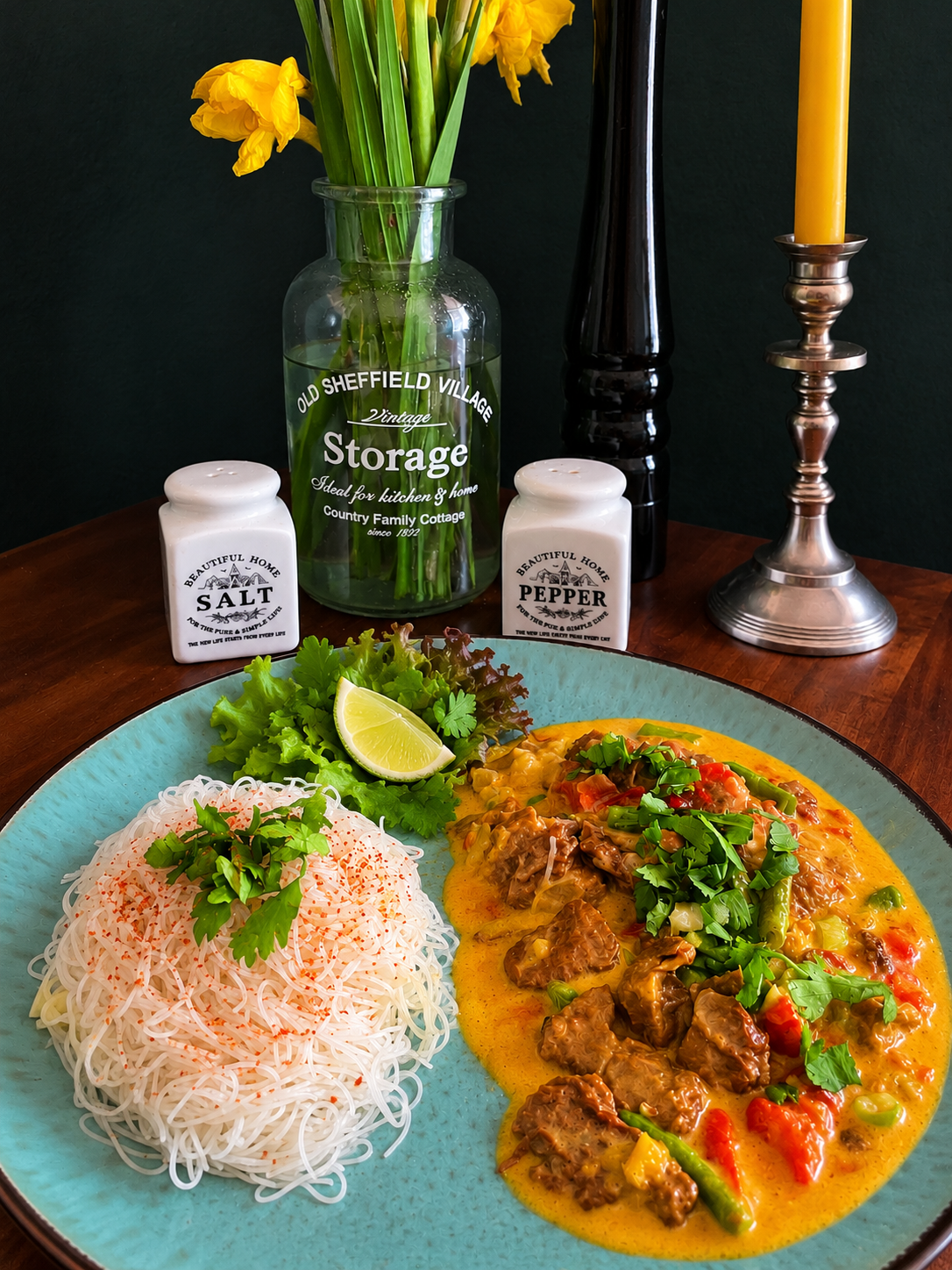
Laos – A Cuisine Built Around Fresh Herbs and Bold FlavorsLaos is a landlocked Southeast Asian country with a rich culinary heritage shaped by fresh herbs, fragrant aromatics and the balance of spicy, salty, sour and subtly sweet flavors. Lemongrass, galangal, chilies, makrut lime leaves and coriander play important roles in many dishes. One of the country's most important staples is sticky rice, known as khao niao, traditionally eaten with a wide variety of vegetables, dips, salads and savory dishes.
Lemongrass & Coconut Curry – A Lao-Inspired Vegan InterpretationThis Lemongrass & Coconut Curry is my own plant-based interpretation of characteristic Lao flavors rather than a recreation of one particular traditional dish. A homemade curry paste combines lemongrass, galangal, garlic, shallots and dried chilies, while coconut milk creates a silky, aromatic sauce. Mock Duck adds a satisfying, meaty texture, and fresh vegetables bring color and freshness. Instead of the more traditional sticky rice, I serve my curry with delicate rice noodles – a delicious little twist inspired by the contents of my kitchen.

From my kitchen to your plate.
Madagascar – The Island of Extraordinary FlavoursMadagascar, the world's fourth-largest island, lies in the Indian Ocean off the southeastern coast of Africa. Its remarkable culinary heritage reflects African, Asian and European influences, shaped by centuries of migration, trade and local traditions. Rice is central to everyday Malagasy food culture and is commonly served with vegetables, legumes, sauces or meat. Fresh ingredients, ginger, garlic, chilli and aromatic herbs contribute to the distinctive flavours of the island's cuisine.
Lasary Voatabia – Madagascar's Refreshing Tomato SaladLasary Voatabia is a traditional Malagasy tomato salad, typically prepared with fresh tomatoes, onions and a tangy dressing. Depending on the household and region, ginger, lime juice, vinegar, chilli and herbs may be added. The salad is commonly served as a refreshing accompaniment to rice and other savoury dishes. My Via Veggie Vegan interpretation combines the traditional tomato salad with tender French green beans and fresh coriander. A handmade Halloween skull shaped from sticky white rice adds a playful seasonal twist while celebrating rice's important place in Malagasy food culture.
From my kitchen to your plate.
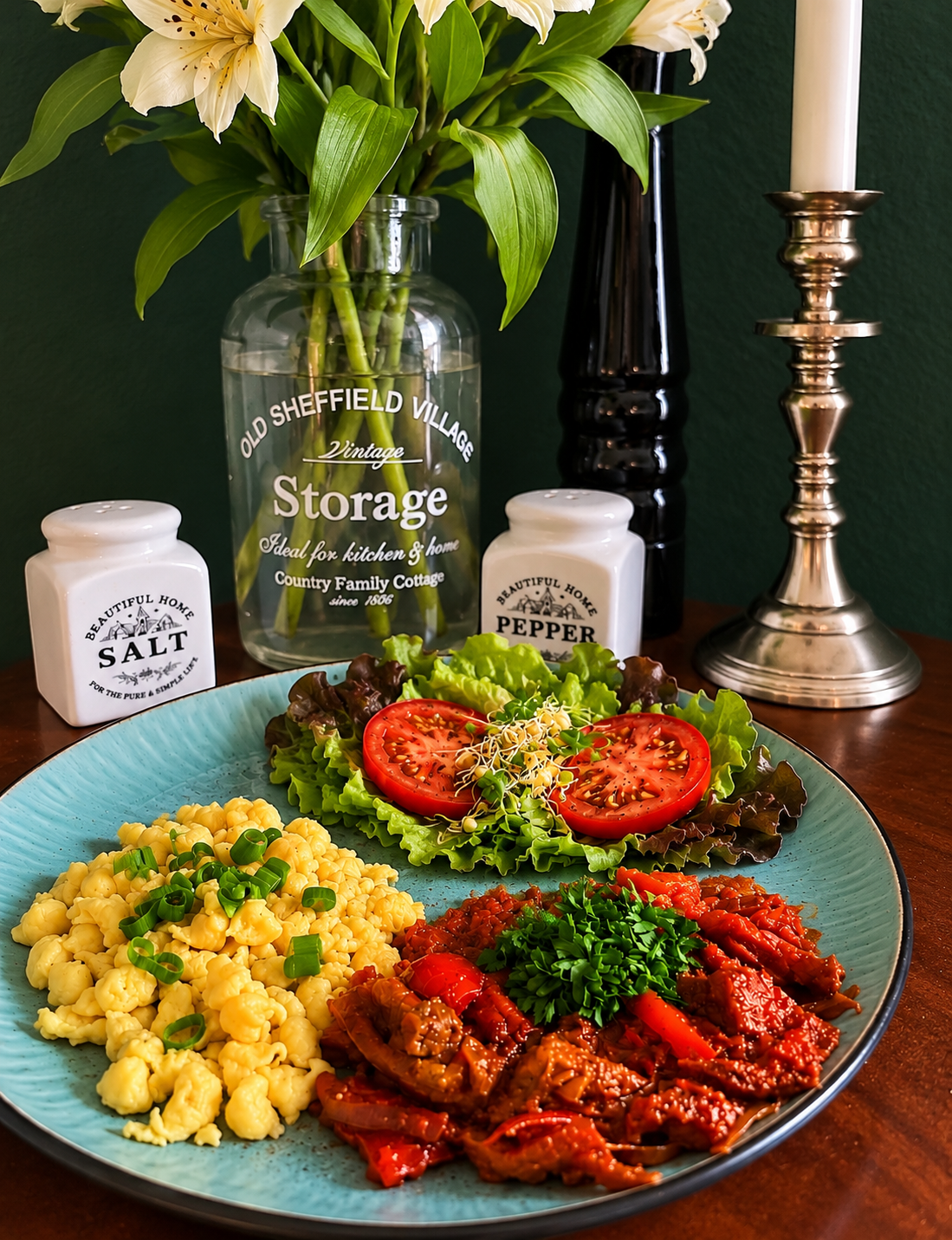
Hungary – The Land of Paprika and Hearty Comfort FoodHungary is a Central European country with a rich culinary heritage shaped by agricultural traditions, regional influences and a deep appreciation for warming, satisfying food. Hungarian cuisine is particularly famous for its generous use of paprika, onions, peppers and slow-cooked dishes. From the banks of the Danube to the vast Hungarian Great Plain, traditional cooking reflects a love of bold flavours, nourishing meals and hospitality. Goulash, paprikash and various dumpling dishes are among the country's best-known culinary specialities.
Goulash and Galuska – A Hungarian-Inspired CombinationGulyás, commonly known internationally as goulash, originated in Hungary and is traditionally associated with the cooking of cattle herders. In Hungary, gulyás is usually a substantial soup, while thicker paprika-based meat stews are more closely related to pörkölt. This Via Veggie Vegan version follows the familiar international interpretation of a thick, hearty goulash, replacing meat with a plant-based alternative. It is served with Galuska, also known as nokedli, small Hungarian dumplings traditionally made with flour, water and eggs. My egg-free version uses sparkling water, Kala Namak and a little turmeric to create deliciously tender dumplings without animal ingredients.
From my kitchen to your plate.
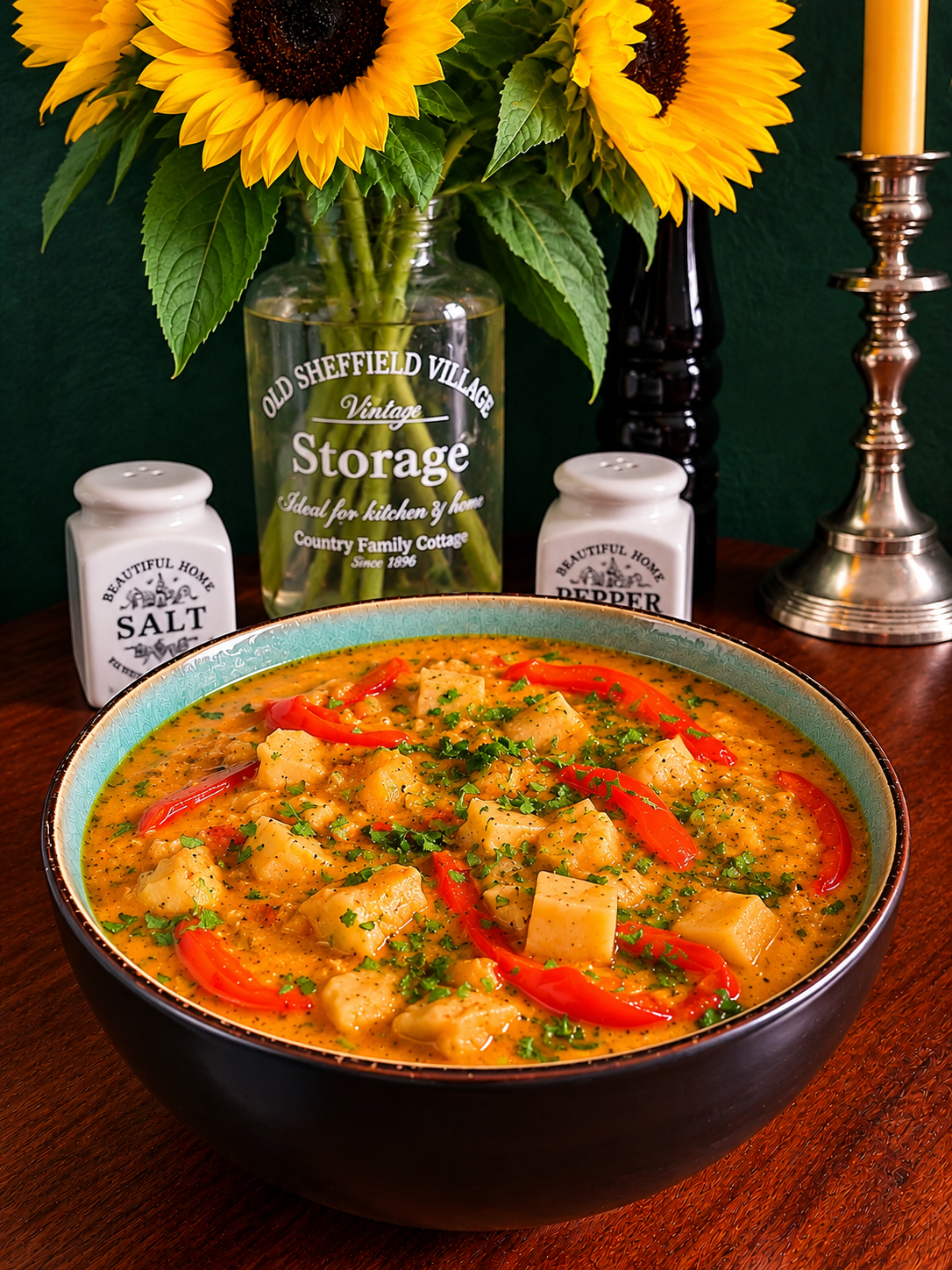
Brazil – A Country of Culinary DiversityBrazil is the largest country in South America, renowned for its extraordinary biodiversity, tropical landscapes, vibrant cities and rich cultural heritage. Its cuisine reflects centuries of Indigenous Brazilian, African, Portuguese and other cultural influences, creating a fascinating variety of regional food traditions. From the Amazon rainforest to the Atlantic coastline, local ingredients and cooking techniques differ considerably. Coconut milk, cassava, beans, peppers, fresh herbs and tropical fruits all play important roles in Brazilian cooking. The northeastern state of Bahia is particularly famous for its aromatic, colourful dishes and strong Afro-Brazilian culinary heritage, making it a wonderful source of inspiration for my Via Veggie Vegan journey.
What Is Moqueca de Salsão-Raiz?Moqueca is a traditional Brazilian stew particularly associated with the coastal states of Bahia and Espírito Santo. Moqueca baiana typically combines fish or seafood with coconut milk, red palm oil, tomatoes, peppers, onions and coriander, while moqueca capixaba follows a different regional tradition without coconut milk or palm oil. My Moqueca de Salsão-Raiz is a contemporary, Brazilian-inspired vegan interpretation that gives celeriac the leading role. Tender pieces of this wonderfully earthy root vegetable are cooked with tomatoes, red bell pepper, garlic and chili in a rich coconut sauce. Fresh turmeric and a little orange zest create a beautiful golden-orange colour without using traditional red palm oil, while lime juice and plenty of fresh coriander provide a vibrant, aromatic finish. A colourful, comforting plant-based tribute to the flavours of Bahia – with a very personal Via Veggie Vegan twist!
From my kitchen to your plate.
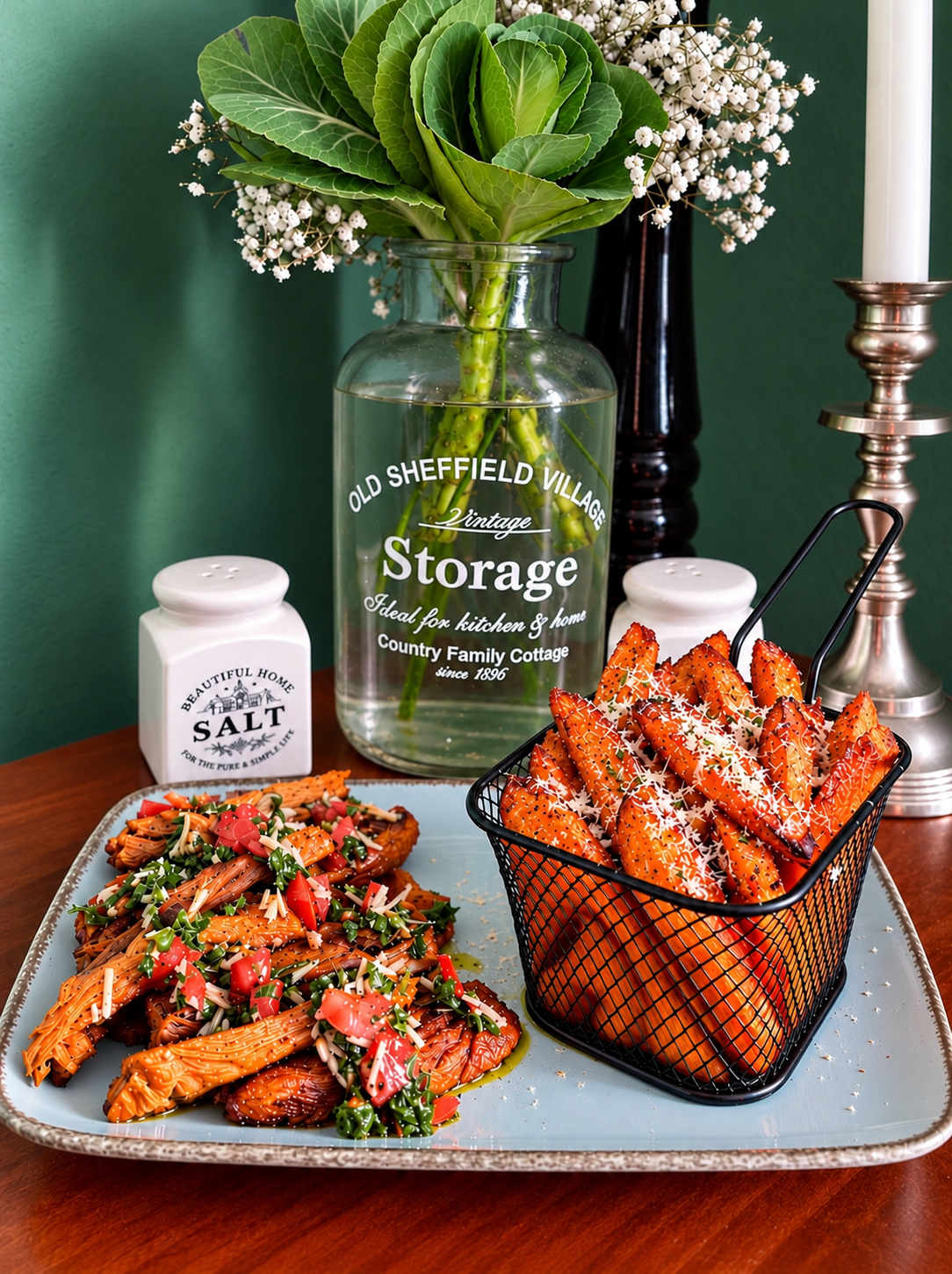
Uruguay – A Small Country with a Big Grilling Tradition
Uruguay lies on the Atlantic coast of southeastern South America, between Argentina and Brazil. Its food culture has been shaped by cattle ranching, European immigration and the traditions of the Río de la Plata region. Asado, the preparation of food over a grill or open fire, is deeply rooted in Uruguayan social life. Sharing grilled food with family and friends is about much more than eating: it is an important expression of hospitality and community.
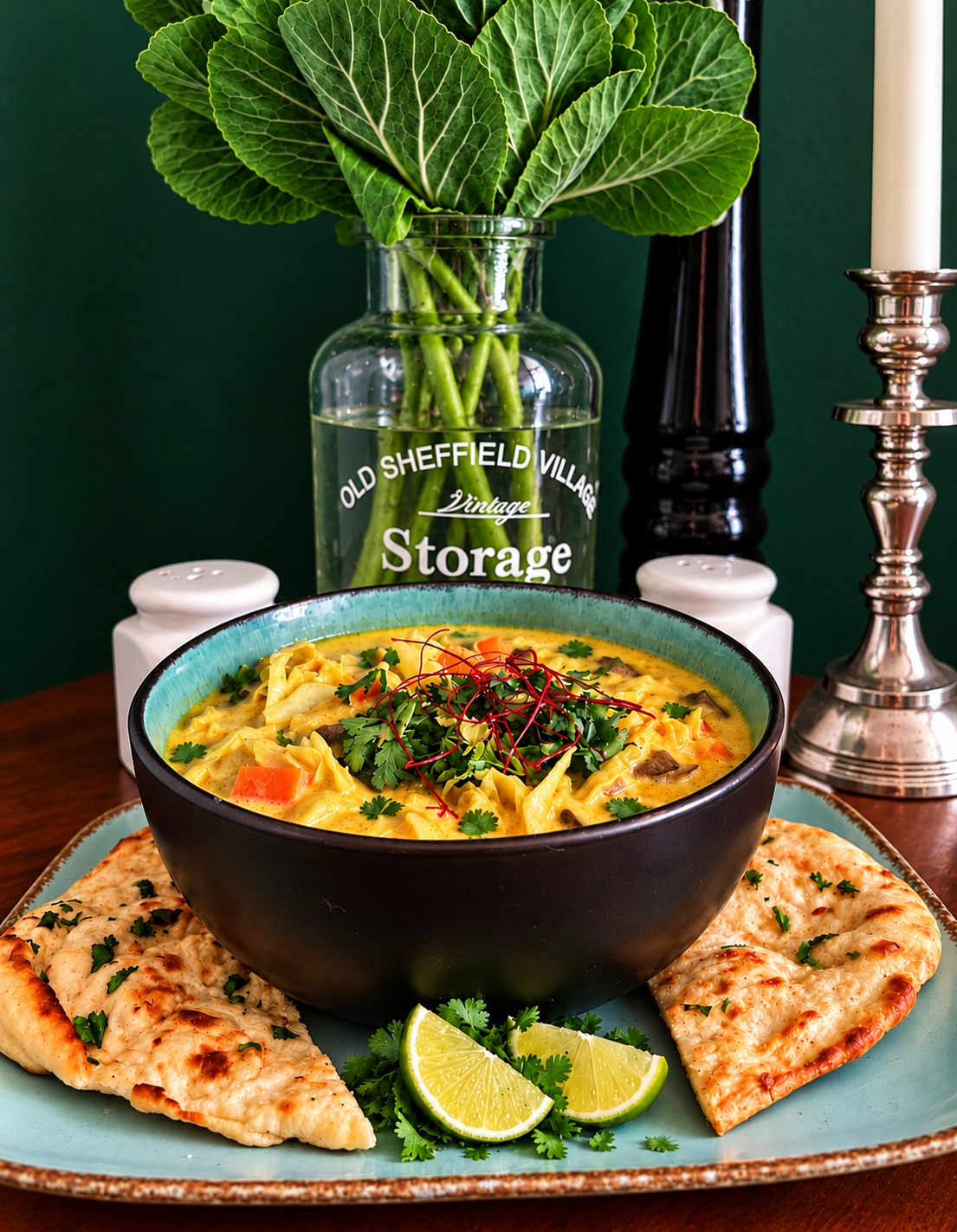
What Is Churrasco con Papas Fritas y Chimichurri?
Churrasco generally refers to a steak, often grilled or pan-seared, while papas fritas are French fries. Chimichurri is a fragrant condiment associated with the Río de la Plata region, especially Uruguay and Argentina. It traditionally combines chopped parsley, garlic, oregano, vinegar and oil, sometimes with chili. This Via Veggie Vegan version replaces beef with plant-based steak, uses oven-baked sweet potato fries instead of conventional potato fries and adds fresh tomato to the chimichurri. Vegan Parmesan provides a final savory touch. It is a contemporary vegan interpretation of a familiar steak-and-fries combination rather than a traditional Uruguayan recipe.
From my kitchen to your plate.
Malaysia – A Country of Tropical Rainforests, Islands and Culinary Diversity
Malaysia is a Southeast Asian country divided between Peninsular Malaysia and Malaysian Borneo. Its culinary traditions reflect centuries of cultural exchange between Malay, Chinese, Indian and Indigenous communities, alongside influences from regional trade routes. Coconut milk, lemongrass, turmeric, ginger, galangal and chili are important ingredients in many Malaysian dishes. From bustling street-food markets to traditional family kitchens, Malaysian cuisine is celebrated for its aromatic spice combinations, rich sauces and remarkable regional diversity.
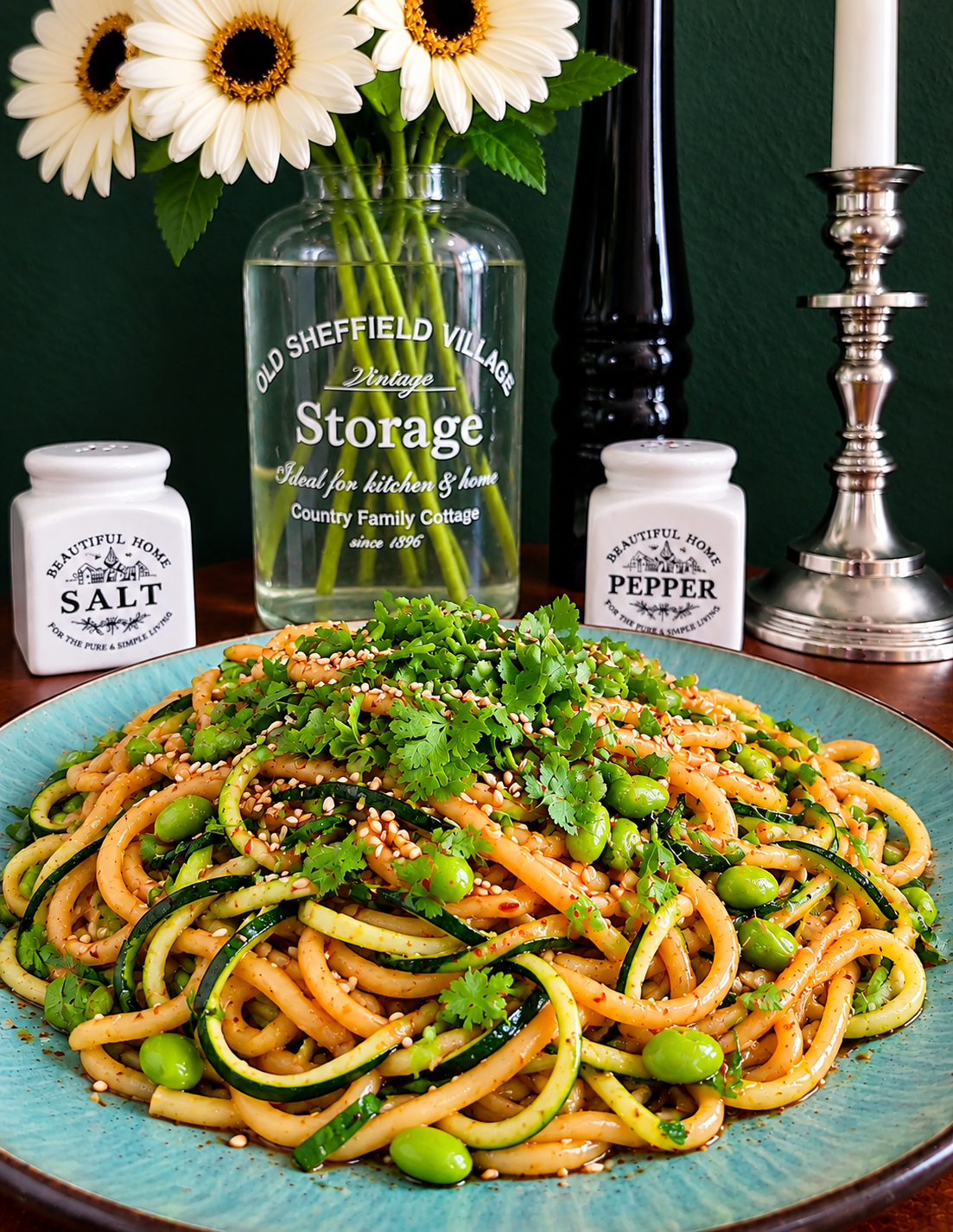
What Is Sayur Lodeh?
Sayur Lodeh is a vegetable dish cooked in a fragrant coconut milk broth, particularly associated with Indonesian and Malaysian cuisine. In Malaysia, it is also commonly known as Sayur Lemak Lodeh, referring to its rich, creamy character. Depending on the region and household, it may contain cabbage, long beans, carrots, tofu, tempeh and other vegetables. Some traditional preparations include shrimp-based seasonings for additional umami. This Via Veggie Vegan version uses white miso instead, creating a completely plant-based interpretation with a homemade rempah spice paste, golden coconut broth and a colorful mixture of vegetables.
From my kitchen to your plate.
South Korea – A Culinary Culture of Balance and Fermentation
South Korea is an East Asian country renowned for its diverse culinary traditions, fermented foods and colorful vegetable dishes. Korean cuisine combines savory, spicy, sweet and aromatic flavors, with ingredients such as garlic, sesame oil, soy sauce and gochugaru playing important roles. A traditional Korean meal often includes banchan, small side dishes served alongside rice and other preparations. Vegetables, seasonal ingredients and fermentation are central elements of this rich food culture.
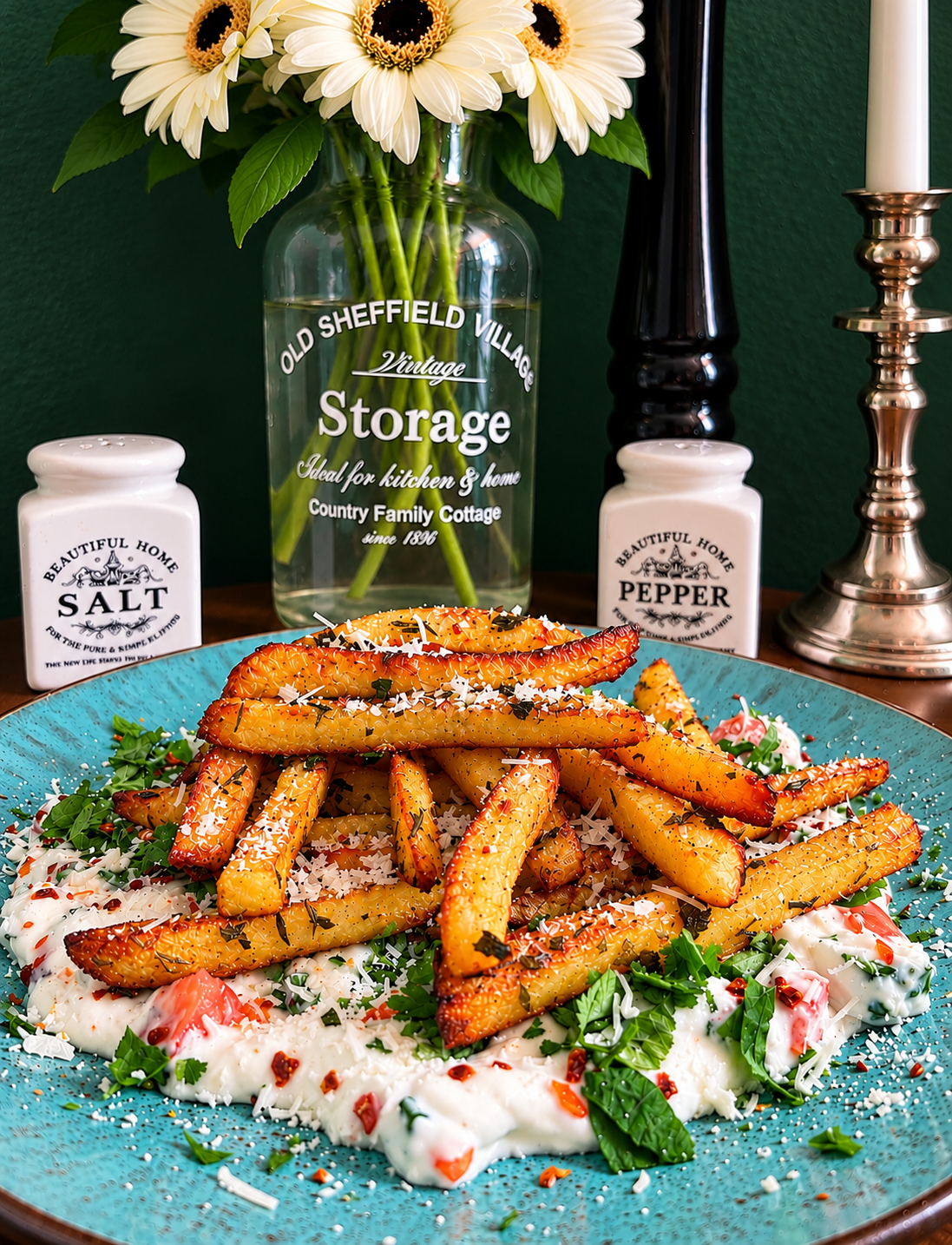
What Is Aehobak Bokkeum?
Aehobak Bokkeum (애호박볶음) is a traditional Korean stir-fried summer squash dish commonly served as banchan. Aehobak refers to Korean summer squash, while bokkeum means stir-fried. Traditionally, the squash is sliced and quickly cooked with ingredients such as garlic, spring onions and sesame oil. My Via Veggie Vegan interpretation replaces Korean aehobak with spiralized zucchini and transforms the vegetable side dish into a complete noodle meal with Udon, edamame and a savory miso-gochugaru sauce. Fresh coriander and sesame add the finishing touch.
From my kitchen to your plate.
Jamaica – The Island of Bold Flavours
Jamaica is a Caribbean island famous for its vibrant culture, reggae music and distinctive culinary traditions. Jamaican cuisine combines Indigenous, African, European and Asian influences, creating dishes rich in herbs, chilies and aromatic spices. Allspice, locally known as pimento, is particularly important, alongside Scotch Bonnet peppers, thyme, garlic and ginger. From traditional jerk preparations to comforting sweet potato pudding, Jamaican cooking celebrates bold flavors and local ingredients.
What Are Jamaican Spiced Sweet Potatoes?
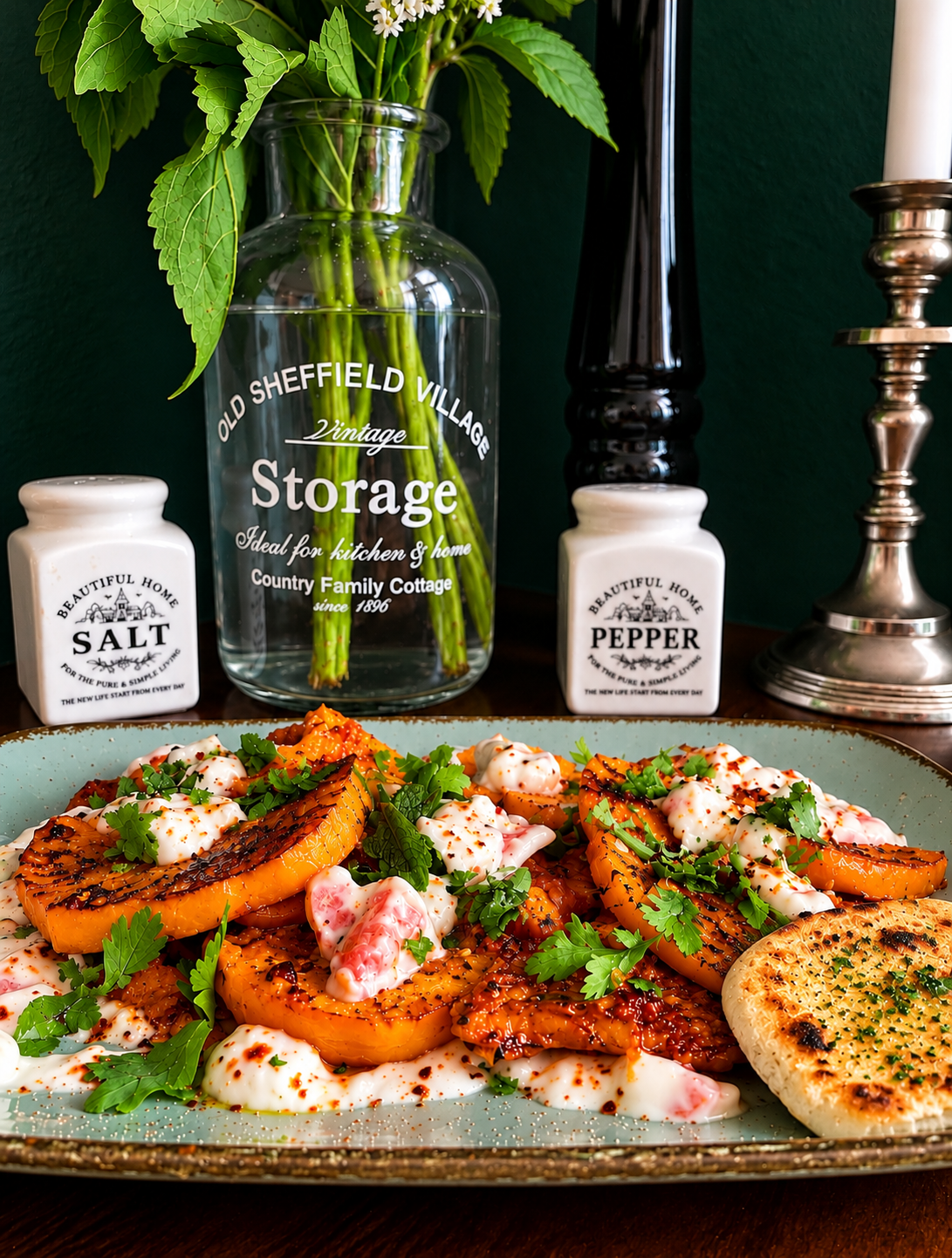
These Jamaican-inspired sweet potatoes are a creative Via Veggie Vegan interpretation rather than a specific traditional Jamaican dish. Thick sweet potato rounds are coated in olive oil, brown sugar, allspice, cinnamon, nutmeg and jerk seasoning before being roasted until tender and beautifully caramelized. A cool vegan yogurt dip with fresh lime, garlic, coriander and cumin balances their sweetness and spicy warmth. The result is a delicious combination of sweet, spicy, creamy and citrusy flavors.
From my kitchen to your plate.
Iran – A Land of Poetry, History and Persian Flavours
Iran, historically known as Persia, has one of the world's oldest and most fascinating culinary traditions. Persian cuisine celebrates fresh herbs, fragrant spices, seasonal vegetables and a delicate balance of sweet and sour flavors. From bustling bazaars to traditional family kitchens, food is deeply connected to hospitality, culture and centuries of history.
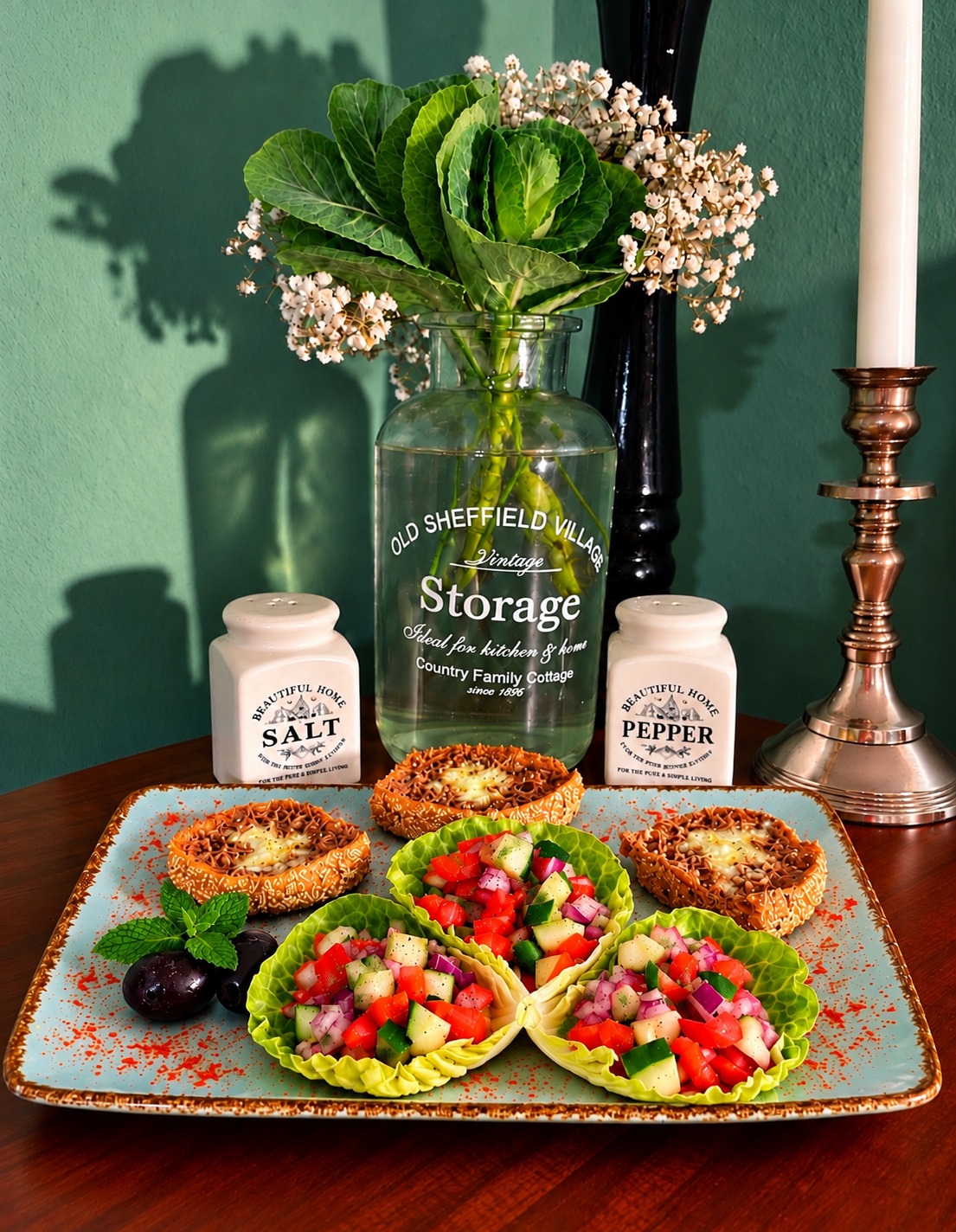
What Is Salad-e Shirazi?
Salad-e Shirazi takes its name from Shiraz, a historic city in southern Iran famous for its poetry, gardens and cultural heritage. This refreshing Persian salad traditionally combines finely diced cucumber, tomatoes and onion with dried mint and a tangy dressing made with ab-ghooreh, the juice of unripe grapes. My version uses fresh lime juice instead, with garlic, sumac and harissa for an extra kick. Served in crisp romaine lettuce boats, it becomes a colorful little dish that's naturally vegan.
From my kitchen to your plate.
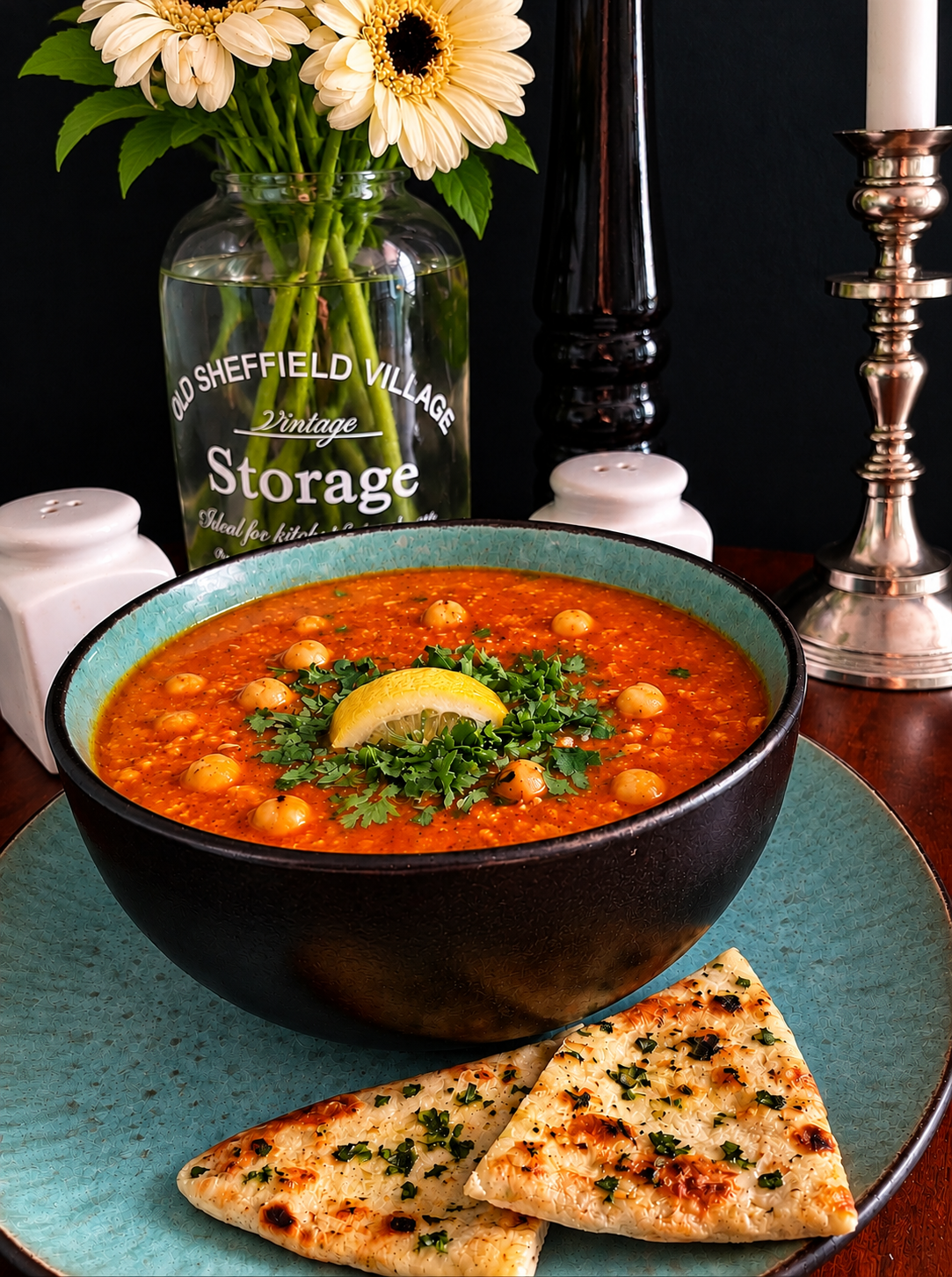
India – A Land of Spices and Culinary TraditionsIndia is a country of extraordinary culinary diversity, shaped by regional traditions, climate, agriculture, history and centuries of cultural exchange. From the aromatic dishes of North India to the coconut-rich cuisines of the south, spices play an important role in creating distinctive flavors. Cumin, coriander, turmeric, ginger, garlic and countless spice blends appear in a wide variety of regional preparations. Chickpeas are another important ingredient in Indian cooking, used in curries, snacks, salads, stews and soups. Their versatility makes them particularly suitable for satisfying plant-based dishes.
Chana Shorba – Indian Chickpea SoupChana means chickpeas, while shorba refers to soup or broth. Chana Shorba, also known as Chane Ka Shorba, is an Indian-style chickpea soup that can be prepared in several ways. Some versions are smooth and creamy, while others contain whole chickpeas in a fragrant broth. This Via Veggie Vegan interpretation combines chickpeas, tomatoes, onion, garlic, ginger, chili and aromatic spices. Blending a small portion of the soup creates natural creaminess without dairy or added cream. Fresh coriander and lemon bring brightness to the finished dish, while homemade Garlic Naan turns the soup into a delicious, satisfying meal.
From my kitchen to your plate.
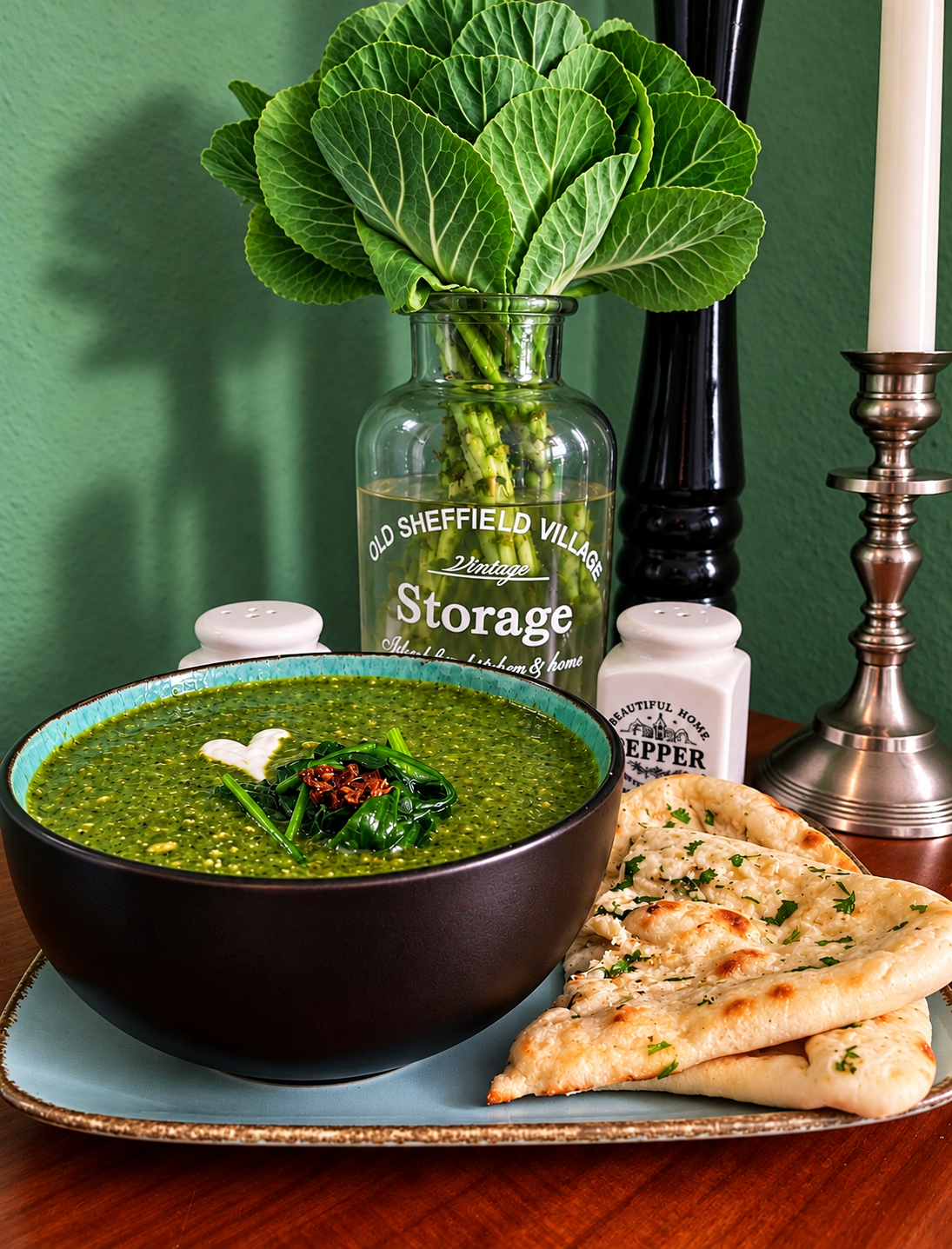
India – A Country of Extraordinary Culinary DiversityIndia is a vast South Asian country with a rich and remarkably diverse culinary heritage. Regional cooking traditions vary according to geography, climate, religion, history and local ingredients. In North India, dishes featuring spinach, lentils, aromatic spices, flatbreads and yogurt are particularly familiar. Fresh ginger, garlic, cumin, turmeric, coriander and garam masala contribute layers of flavor to countless savory preparations. Indian cuisine also makes extensive use of tadka, a technique in which spices and aromatics are briefly heated in fat to release their fragrance. From simple home-cooked meals to elaborate regional specialties, the combination of fresh ingredients and carefully balanced spices is central to many Indian food traditions.
Palak Shorba – A Fragrant Indian Spinach SoupPalak means spinach in Hindi, while shorba refers to soup or broth. The term shorba has connections with Persian and Arabic culinary vocabulary and is used for various soups and broths across South Asia and neighboring regions. Palak Shorba is a spinach-based soup associated with North Indian-inspired cooking, although preparations differ between cooks and households. This Via Veggie Vegan version combines fresh spinach with red onion, tomato, ginger, garlic, green chili, turmeric, cumin and whole spices. A final cumin-garlic tadka adds toasted aromas, while vegan sour cream provides a creamy contrast. Homemade Garlic Naan completes the meal, turning a light spinach soup into a satisfying plant-based dish.
From my kitchen to your plate.
5. SHORT DESCRIPTION / ORIGIN
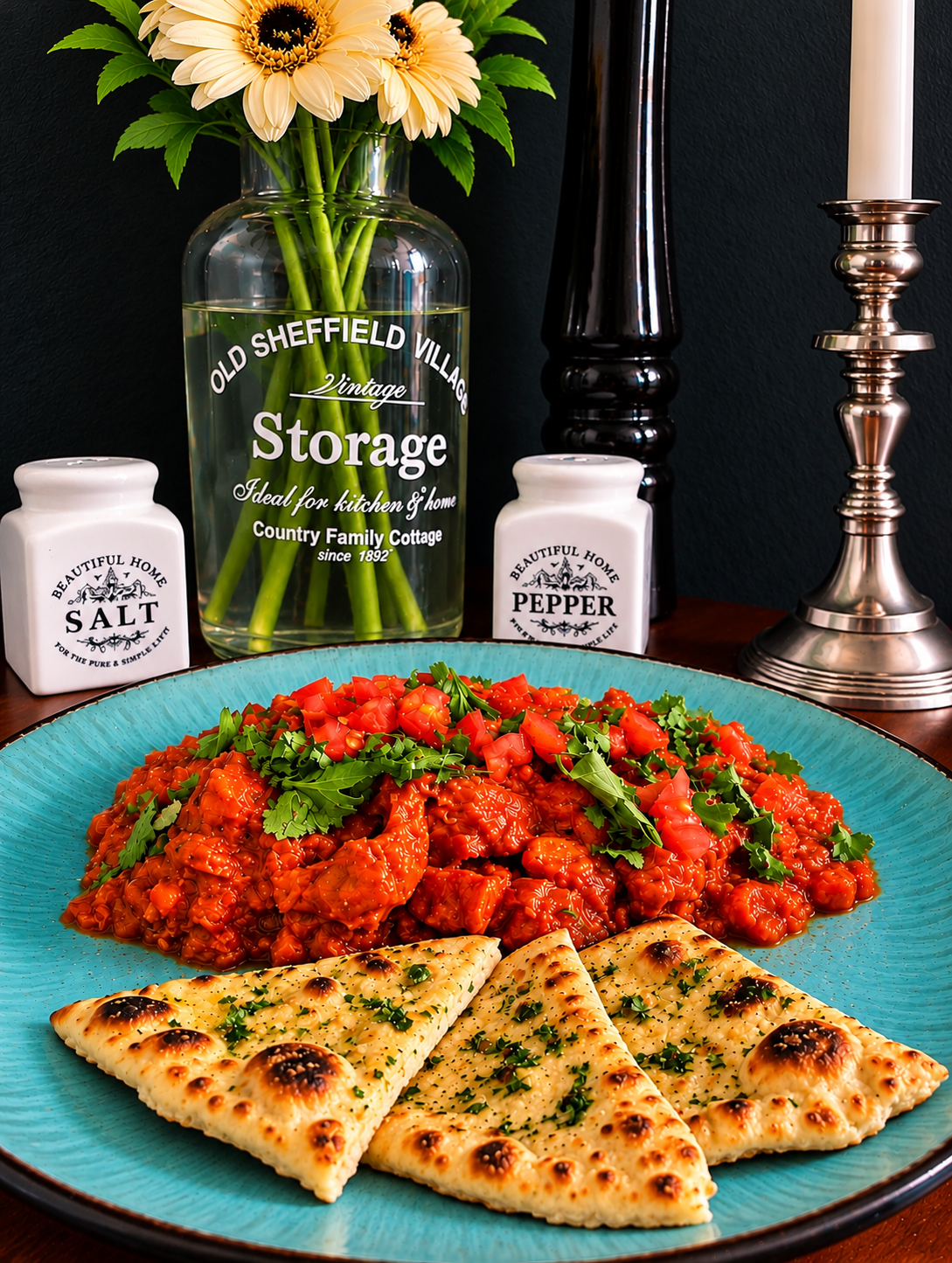
India – A Country of Many Religions and Culinary TraditionsIndia is a vast South Asian country with an extraordinarily diverse culinary heritage. Its regional cuisines reflect differences in geography, climate, history, religion and local ingredients. While cows are revered in many Hindu traditions and beef is avoided by many Hindus, dietary practices vary considerably across India. Hindu, Muslim, Christian and other communities have developed distinct food traditions over centuries. Kerala, on India's southwestern Malabar Coast, is particularly known for its coconut-based dishes, fragrant curry leaves, black pepper and aromatic spices. Its cuisine reflects the region's long history of maritime trade and its religious and cultural diversity.
Beef Ularthiyathu – Kerala's Famous Beef FryBeef Ularthiyathu, also known as Kerala Beef Fry, is a well-known preparation associated with Kerala's regional food culture. The Malayalam term ularthiyathu describes a cooking technique in which ingredients are sautéed or roasted while moisture is reduced, concentrating their flavors. Traditional versions commonly combine beef with shallots, garlic, ginger, curry leaves, black pepper and spices, often with coconut pieces. The finished dish is generally relatively dry and intensely seasoned. This Via Veggie Vegan interpretation replaces beef with LikeMeat plant-based pieces and adds fresh tomatoes, tomato paste and coconut milk for a richer, saucier result. It preserves the aromatic inspiration of Kerala cuisine while giving the dish a completely plant-based makeover.
From my kitchen to your plate.
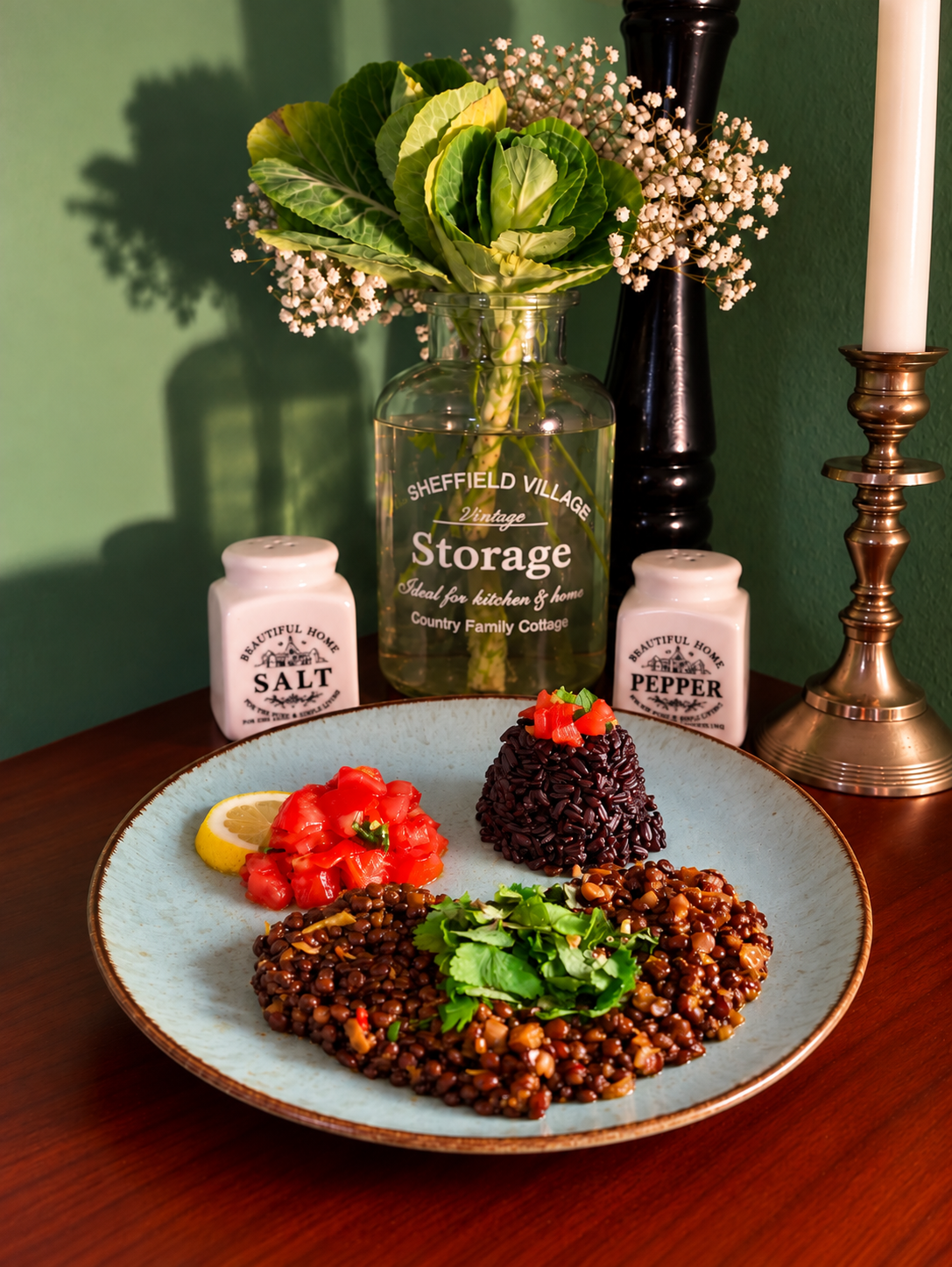
India – A Country of Extraordinary Culinary DiversityIndia is a vast South Asian country with an exceptionally diverse culinary heritage shaped by regional traditions, geography, climate, religion and history. From the fragrant rice dishes of the south to the rich lentil preparations of the north, Indian cuisine offers an extraordinary variety of ingredients, cooking techniques and flavors. Pulses, rice, vegetables, herbs and spices are central to many regional food traditions. Fresh coriander, known as hara dhaniya in Hindi, is widely used in chutneys, curries and vegetable dishes, while dried coriander seeds provide a distinctly different, warm and aromatic flavor. Indian cuisine includes countless naturally plant-based dishes, making it a wonderful source of inspiration for vegan cooking.
Hara Dhaniya Dal – A Fresh Coriander Lentil CurryIn Hindi, hara means green, dhaniya means coriander and dal refers to certain pulses or dishes prepared from them. Hara Dhaniya Dal can therefore be understood as a lentil dish featuring fresh green coriander. This Via Veggie Vegan creation is inspired by Indian ingredients and flavors rather than representing a specific traditional regional recipe. Black Beluga lentils are combined with onion, garlic, cinnamon, bay leaf, garam masala and ground coriander, then coated in a vibrant paste of fresh coriander, green chili, ginger and lemon juice. Served with black rice, the dish brings together earthy lentils, aromatic spices and bright herbal freshness in a colorful, naturally vegan interpretation of Indian-inspired comfort food.
From my kitchen to your plate.
Afghanistan – A Country of Hospitality and Rich Culinary TraditionsAfghanistan lies at the crossroads of Central and South Asia, and its cuisine reflects centuries of cultural exchange. Fragrant spices, fresh herbs, vegetables, flatbreads and yogurt-based accompaniments play important roles in Afghan cooking, where sharing food is an expression of hospitality.
What Is Borani Kadoo?Borani Kadoo is an Afghan pumpkin dish featuring tender pumpkin cooked in a richly seasoned tomato sauce and served with garlic yogurt. Kadoo refers to pumpkin or squash, while borani describes a family of vegetable dishes accompanied by yogurt. The contrast between sweet pumpkin, savory tomato sauce and cool, tangy yogurt makes this dish particularly memorable. My version replaces dairy yogurt with a plant-based Chaka-inspired sauce and adds a few Via Veggie Vegan touches.
From my kitchen to your plate.
Australia – Native Flavours & Culinary DiversityAustralia's contemporary cuisine combines Aboriginal and Torres Strait Islander food traditions with influences from Europe, Asia and the Pacific. Lemon myrtle, a native Australian plant with an intense citrus fragrance, and macadamia nuts, known for their rich, buttery flavour, are two distinctive ingredients with deep roots in Australia's culinary heritage.
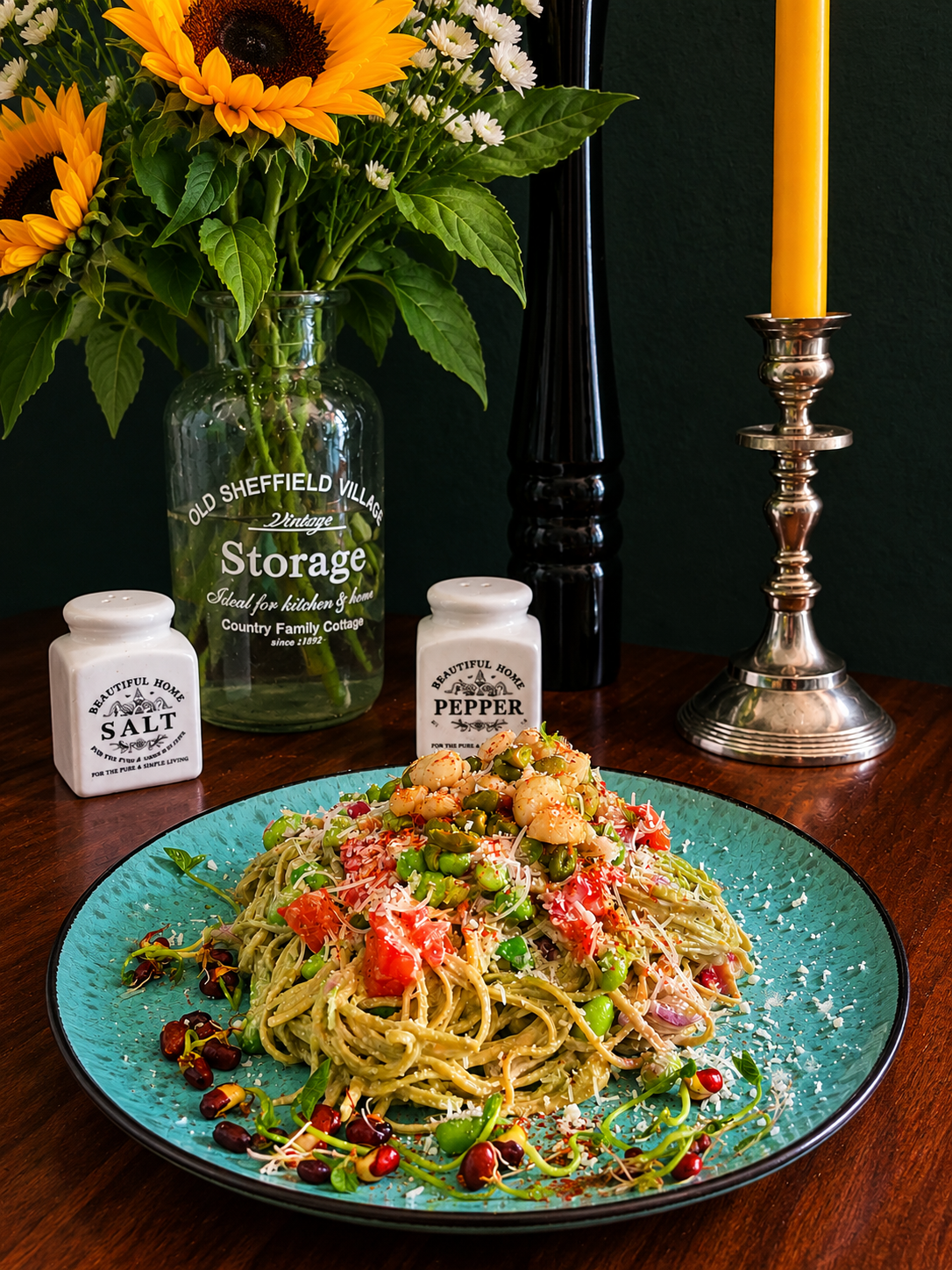
What Are Edamame Spaghetti with Lemon Myrtle & Macadamia?This Via Veggie Vegan creation combines protein-rich edamame spaghetti with fragrant Australian lemon myrtle, crunchy macadamias, pistachios and fresh vegetables in a creamy oat sauce. Finished with lime, vegan Parmesan alternative and homegrown sprouts, this colourful dish celebrates Australian native ingredients through modern plant-based fusion cooking rather than recreating a traditional Australian recipe.
From my kitchen to your plate.
Egypt – A Rich Culinary TraditionEgyptian cuisine is known for its comforting vegetable dishes, aromatic spices and richly seasoned sauces. Eggplant plays an important role in many traditional recipes, often combined with tomatoes, garlic, onions and cumin. Egyptian home cooking offers numerous regional and family variations, including naturally plant-based dishes.
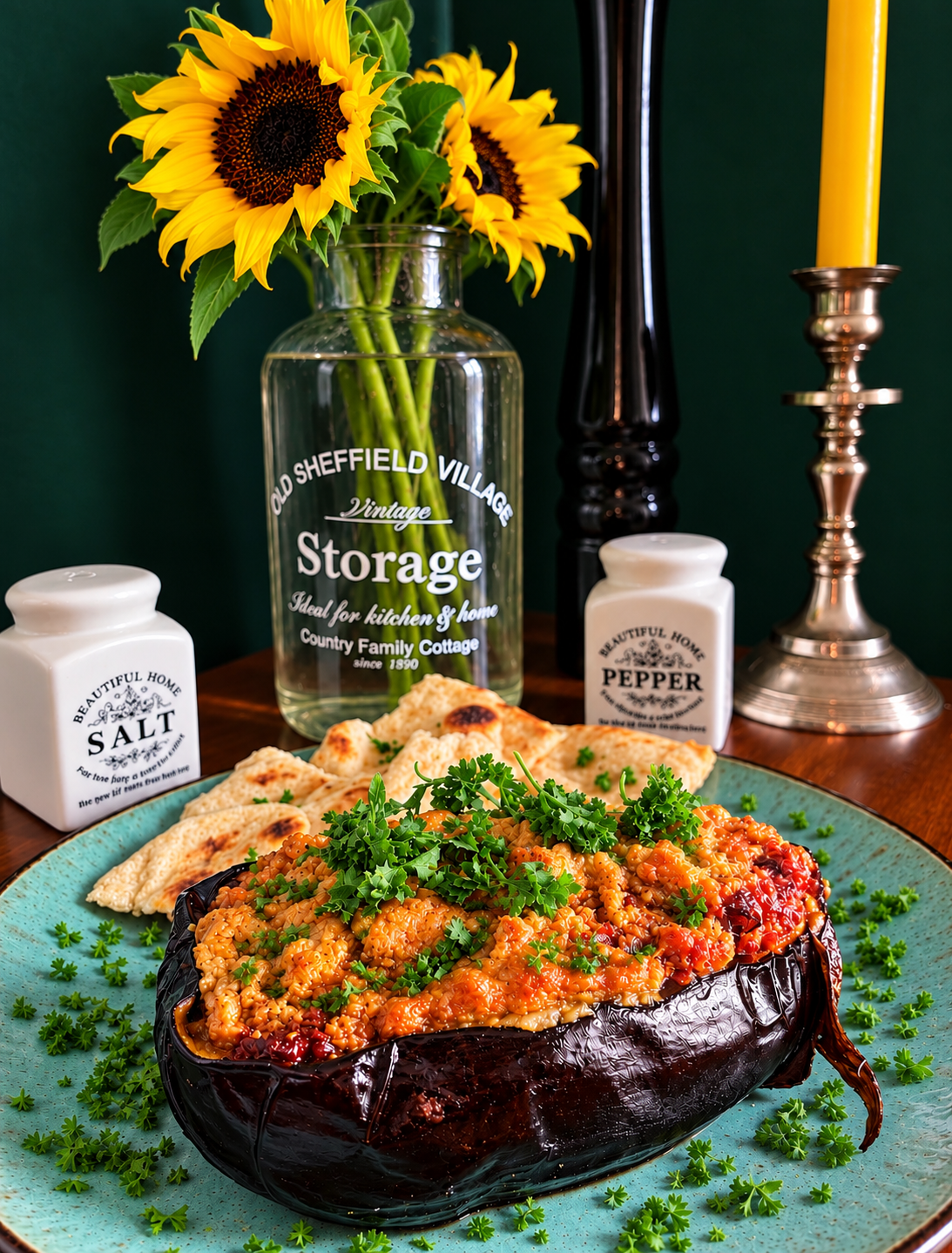
What Is Egyptian Messa'a?Egyptian Messa'a (مسقعة) is a traditional eggplant dish prepared with a richly seasoned tomato sauce. Unlike Greek moussaka, Egyptian versions often contain no potatoes and may be served warm or at room temperature. Some variations include meat or béchamel, while others focus on vegetables and aromatic spices. My Via Veggie Vegan interpretation transforms roasted eggplant halves into edible bowls filled with spiced tomato sauce and the scooped-out eggplant flesh. A generous layer of creamy vegan béchamel completes this Egyptian-inspired dish with a creative plant-based twist.
From my kitchen to your plate.
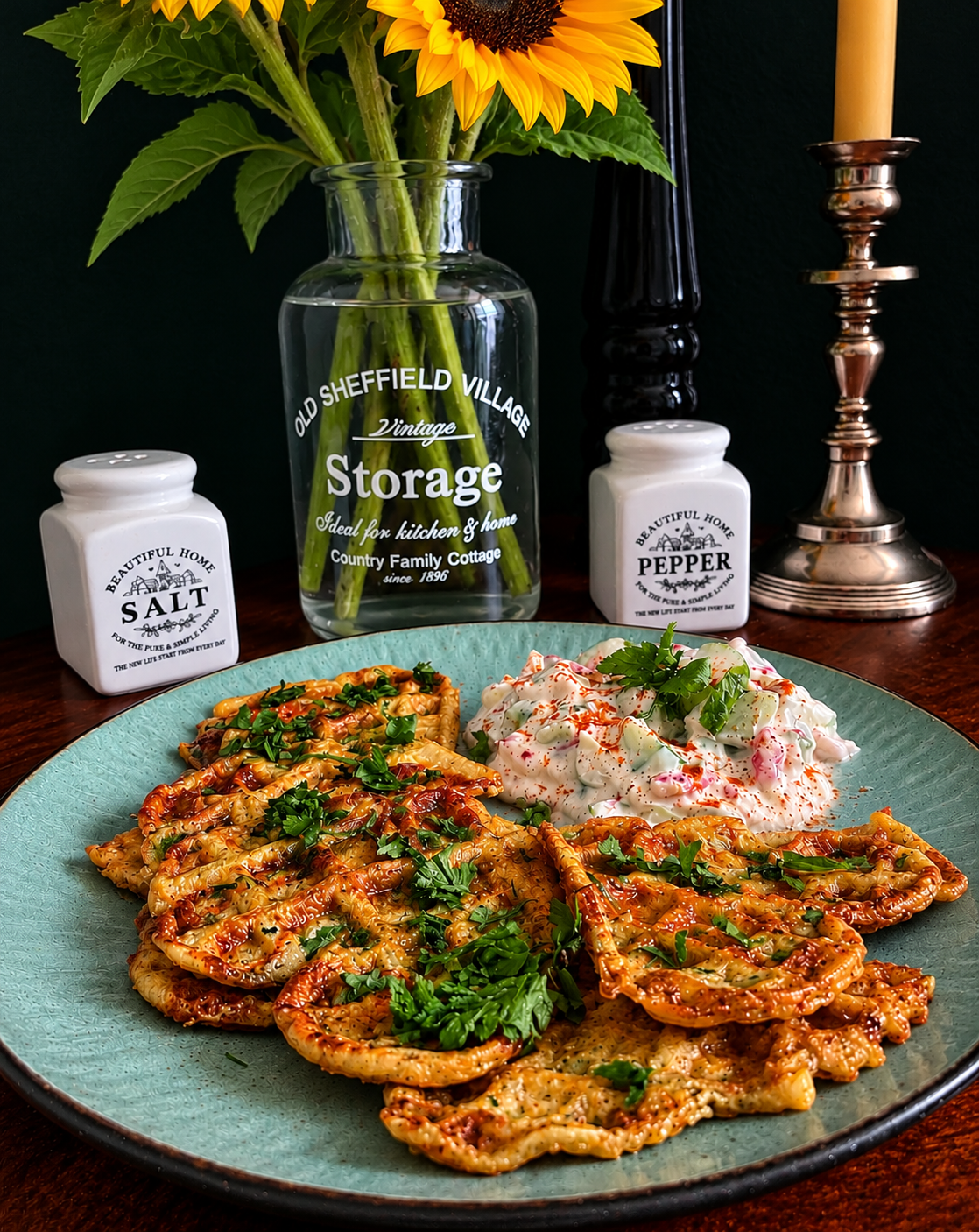
Ukoy, also spelled Okoy, is a traditional Filipino fritter made with vegetables and often small shrimp. Popular variations include bean sprouts, squash, sweet potatoes and other locally available ingredients.
The vegetables are coated in batter and fried until golden and crispy. Ukoy is commonly enjoyed as a snack, appetiser or street food, traditionally accompanied by a tangy vinegar dipping sauce known as Sawsawang Suka.
My version takes a creative detour through the waffle iron. Butternut squash, zucchini and onions meet chickpea flour, while the familiar crispy texture gets a modern, oil-conscious twist.
Traditional Filipino inspiration, a brand-new kitchen gadget and a little Via Veggie Vegan mischief.
From my kitchen to your plate.
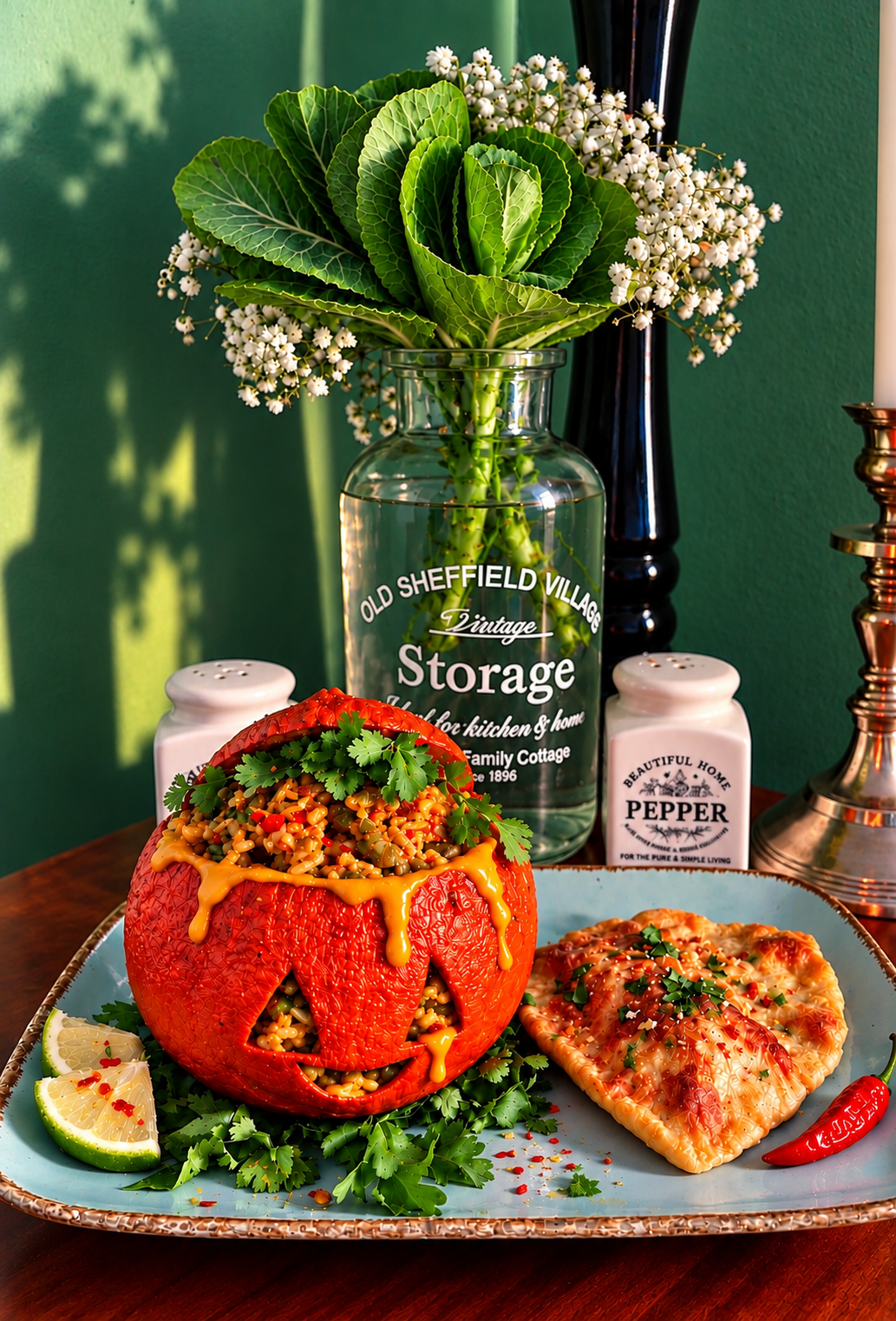
A Taste of CambodiaSomlor Kari, also spelled Samlor Kari, refers to a Cambodian curry preparation. Cambodian curries combine fragrant aromatic pastes with ingredients such as coconut milk, vegetables and, in many traditional versions, meat.
Halloween Meets Cambodian-Inspired CookingThe smiling jack-o'-lantern presentation is my own creative addition rather than a traditional Cambodian serving style. The roasted Hokkaido becomes both an edible bowl and an ingredient, making this dish a playful celebration of aromatic cooking and zero-waste creativity.
From my kitchen to your plate.
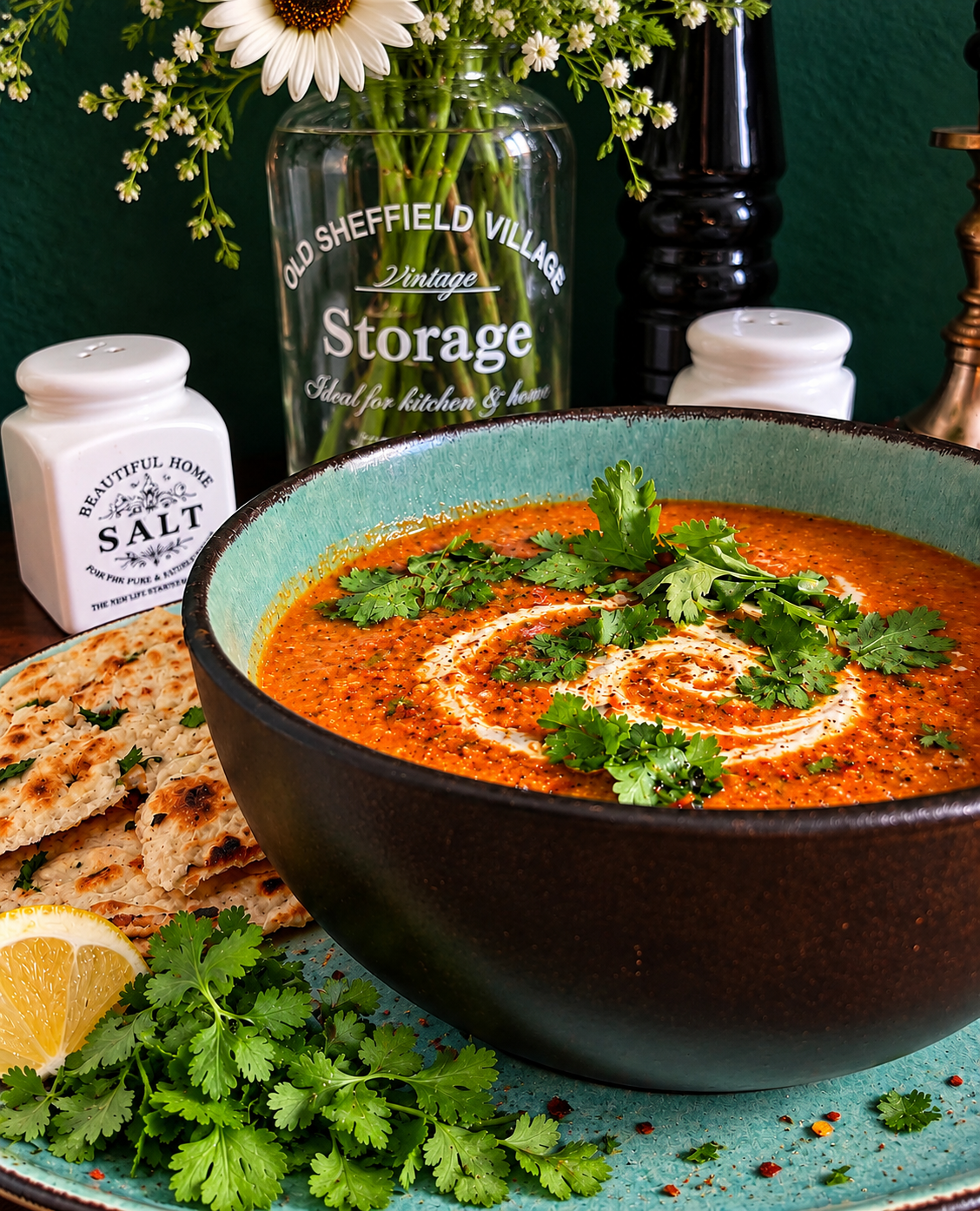
Armenia – A Rich Tradition of Roasted VegetablesArmenia is located in the South Caucasus, at the crossroads of Europe and Asia. Armenian cuisine is known for its aromatic herbs, fresh vegetables, traditional flatbreads and flavorful dishes prepared over open flames or in clay ovens. Eggplants are particularly popular in Armenian cooking, where they are frequently roasted, grilled or stuffed. Their wonderfully smoky flavor is an important inspiration for this rustic vegan soup.
What Is Armenian Roasted Eggplant Soup?Armenian Roasted Eggplant Soup is a modern, Armenian-inspired vegan creation rather than a documented traditional national dish. Oven-roasted eggplants are combined with tomatoes, garlic, onion, cumin and smoked paprika to create a deeply aromatic, slightly chunky soup. Fresh coriander, flat-leaf parsley, lemon zest and lemon juice add brightness, while a swirl of vegan sour cream provides a creamy finishing touch. Served with warm Armenian lavash, this comforting soup celebrates the flavors of roasted vegetables and the culinary traditions of Armenia.
