From my kitchen to your plate.
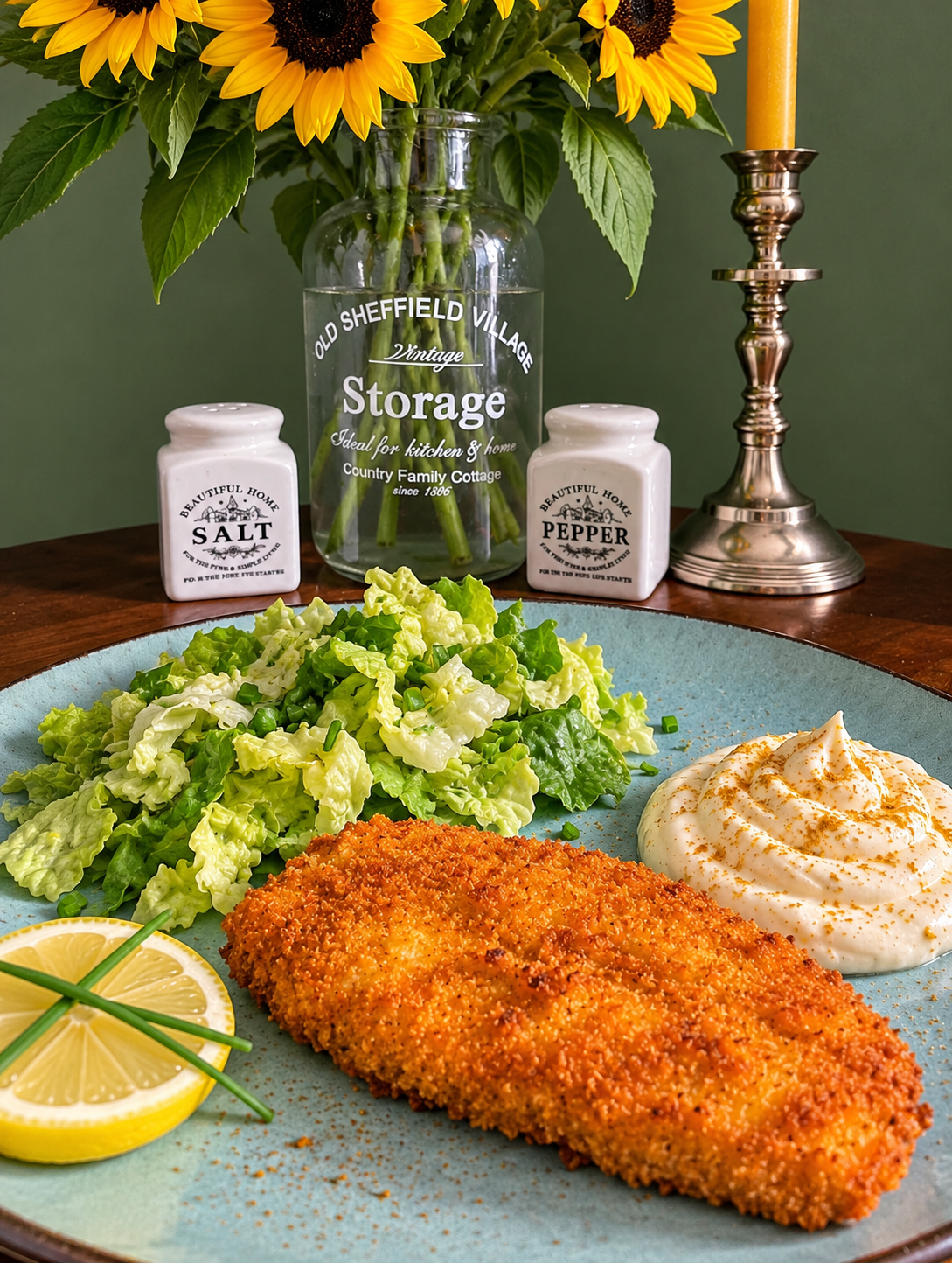
Denmark – Nordic Comfort Food and Seasonal IngredientsDenmark is a Scandinavian country known for its coastal landscapes, agricultural traditions and appreciation of simple, seasonal food. Danish cuisine has long made use of root vegetables, potatoes, cabbage, rye bread, fresh herbs and creamy sauces. From traditional home cooking to modern Nordic cuisine, familiar ingredients are often transformed into satisfying dishes that celebrate flavour, texture and seasonality. Celeriac is particularly well suited to this style of cooking, offering a delicate, earthy flavour and a wonderfully tender texture when prepared correctly.
From Danish Dildsovs to Crispy Celeriac with Curry MayoDildsovs is a traditional Danish dill sauce, often prepared with a light roux, fresh dill and a creamy liquid. It is commonly associated with fish and other classic Danish meals. This Via Veggie Vegan recipe began with the idea of pairing celeriac with a Danish-inspired sauce, but the final plate took a different direction: breaded, golden-fried celeriac served with homemade vegan curry mayonnaise. Curry-flavoured dressings and remoulade-style sauces are familiar accompaniments in Danish food culture, particularly with certain sandwiches, fish dishes and fried foods. My version combines that flavour inspiration with a completely plant-based, egg-free mayonnaise and a fresh green salad.
From my kitchen to your plate.
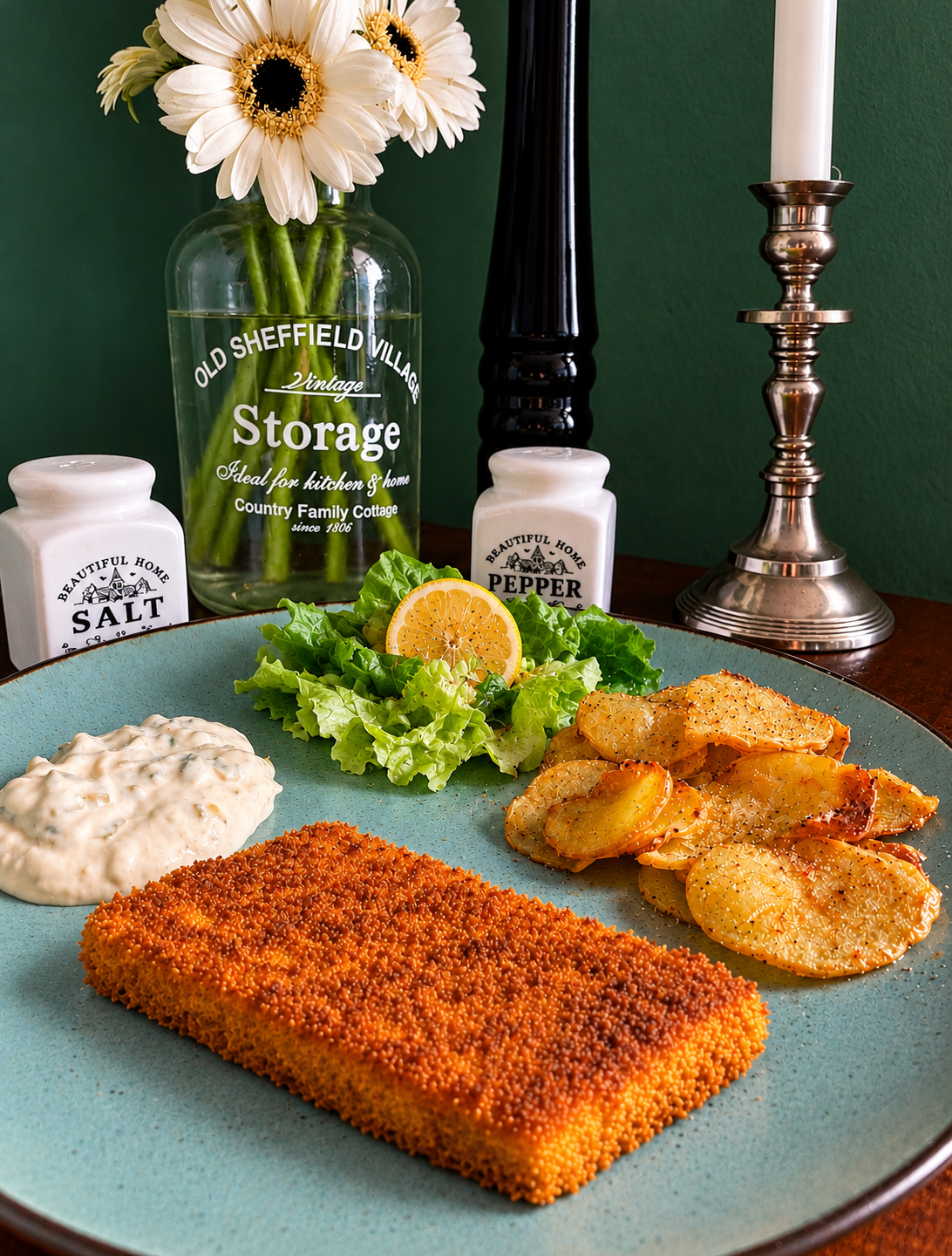
England – The Home of Fish and ChipsEngland is famous for its comforting pub food, seaside traditions and classic dishes enjoyed across generations. One of the country's best-known culinary symbols is fish and chips, traditionally consisting of battered fried fish served with thick-cut fried potatoes. The dish became especially popular during the nineteenth century, when fish-and-chip shops developed into an important part of British everyday food culture. Today, fish and chips remain closely associated with seaside holidays, takeaway meals and traditional British comfort food.
From Fish and Chips to Vegan Fish & CrispsTraditional British fish and chips usually features white fish such as cod or haddock, coated in batter and fried until golden. In this Via Veggie Vegan interpretation, firm tofu replaces the fish, while nori seaweed, lemon juice and soy sauce provide a savoury, sea-inspired flavour. Instead of a conventional batter-only coating, the tofu receives a crunchy breadcrumb crust. And here's the twist: British chips are thick-cut fries, whereas thin potato chips are called crisps. My accidental interpretation of the famous dish therefore became Vegan Fish & Crisps, served with homemade vegan remoulade.
From my kitchen to your plate.
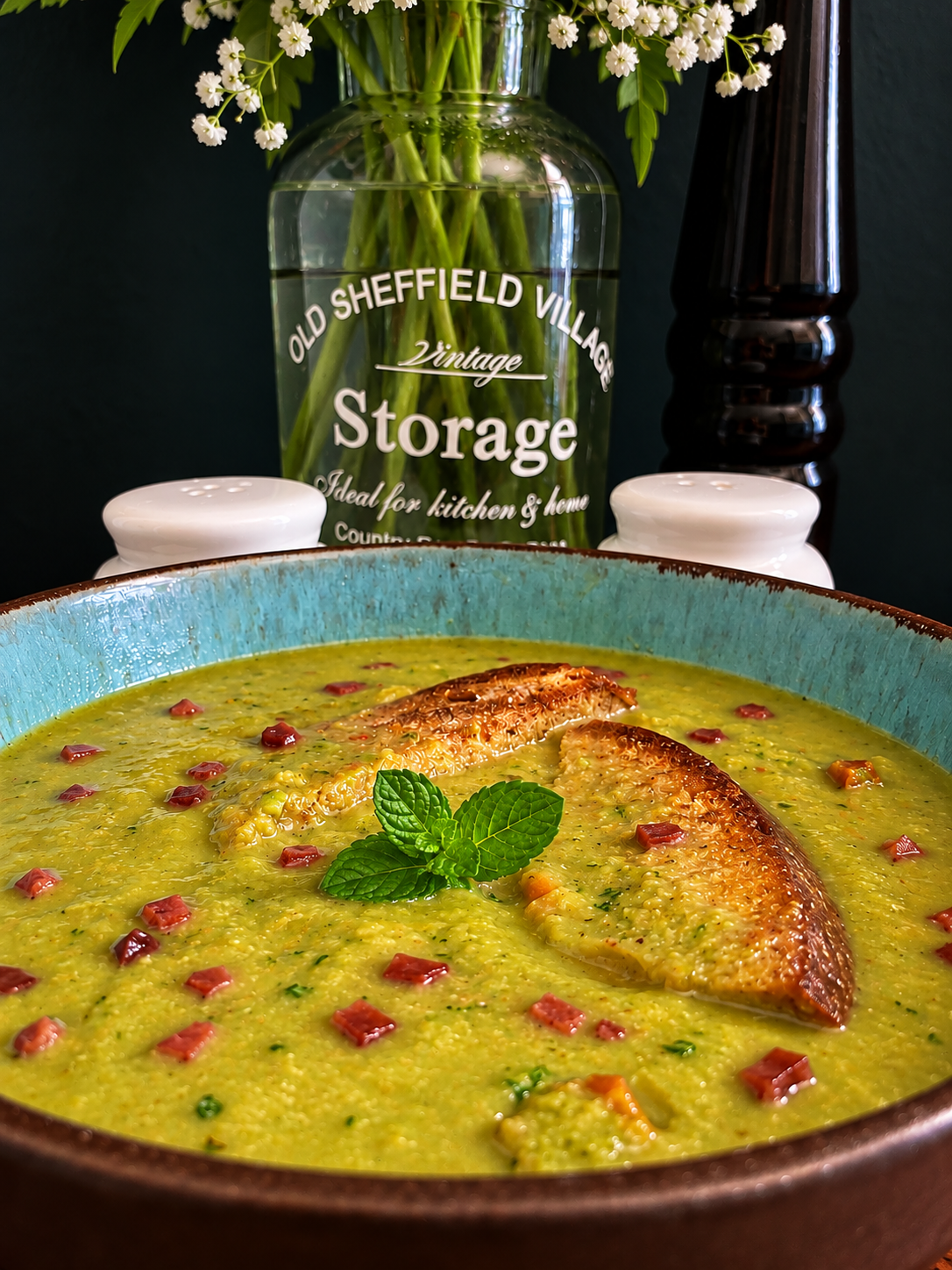
England – A Country of Gardens, Traditions and Comfort FoodEngland is the largest constituent country of the United Kingdom, known for its historic cities, picturesque countryside, traditional gardens and diverse culinary heritage. British cooking has long celebrated seasonal vegetables, hearty soups, homemade bread and comforting family meals. Garden peas are particularly popular during spring and summer, when their natural sweetness pairs beautifully with fresh herbs. Mint has an equally established place in English cooking, appearing in everything from sauces and vegetable dishes to refreshing drinks and desserts.
Pea & Mint Soup – A Fresh British FavouritePea and mint soup is a familiar dish in British home cooking, bringing together the sweetness of green peas and the refreshing aroma of garden mint. It can be prepared with fresh or frozen peas and is often finished with cream, crème fraîche or yoghurt. Depending on the season, it may be served warm or chilled. My Via Veggie Vegan interpretation uses soy cream for a silky texture, while crispy vegan bacon and warm lemon farmhouse bread provide an optional savoury and citrusy contrast.
From my kitchen to your plate.
Cyprus – An Island of Mediterranean Flavours
Located in the eastern Mediterranean, Cyprus has a rich culinary heritage shaped by its geography, agricultural traditions and centuries of cultural exchange. Fresh vegetables, olive oil, herbs, citrus fruits and legumes are essential ingredients in everyday cooking. Family meals often celebrate seasonal produce and dishes designed to be shared around the table.
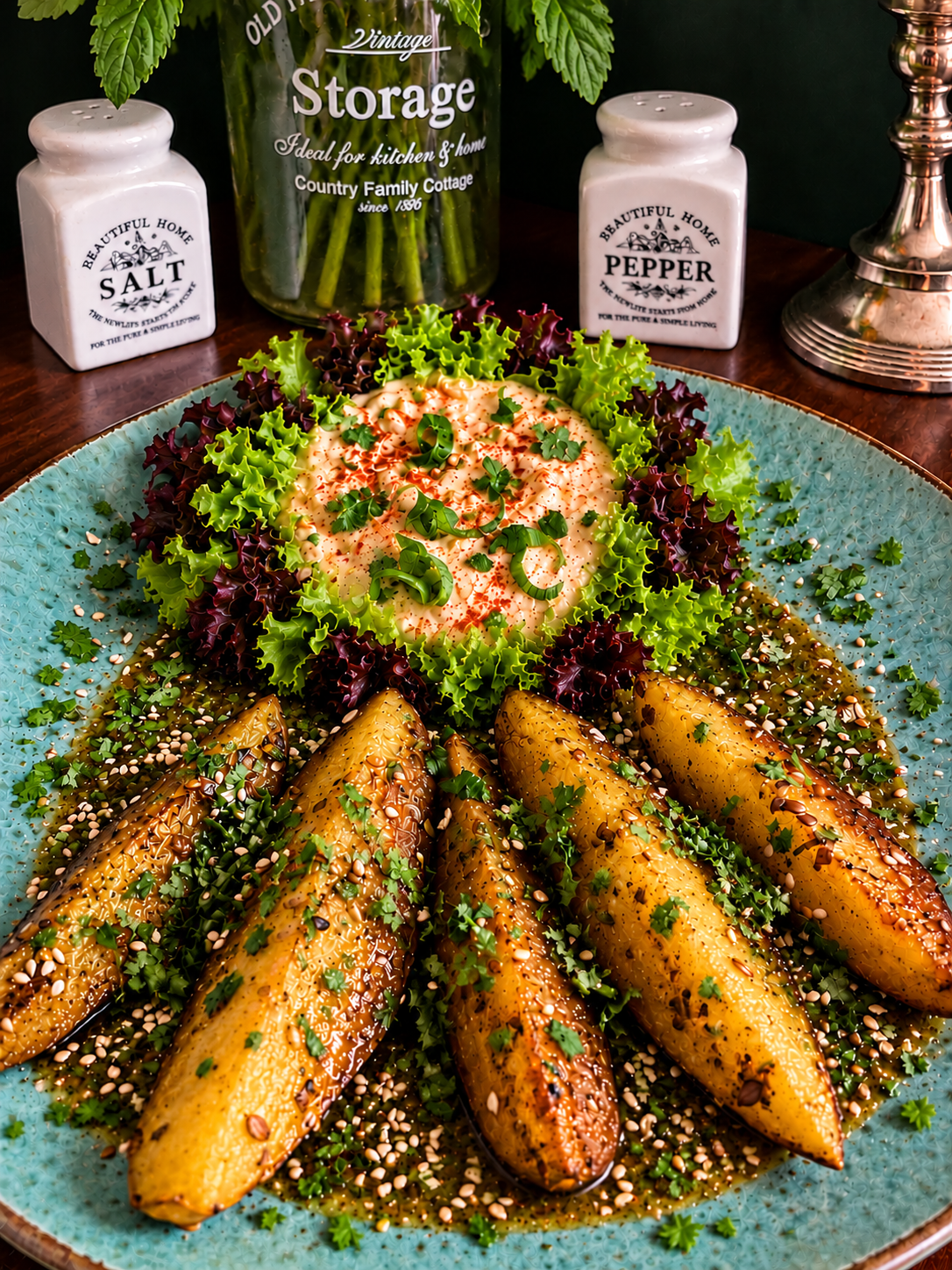
Patates tou Fournou – Traditional Cypriot Oven Potatoes
Patates tou Fournou (Πατάτες του Φούρνου) literally means oven potatoes. Unlike ordinary roasted potatoes, this traditional Cypriot speciality is slowly cooked with olive oil, aromatic oregano, tomatoes, onions and a little liquid. The potatoes first become tender through gentle steaming and braising before developing beautifully golden edges during the final uncovered roasting stage. A wonderfully rustic Mediterranean dish that is naturally vegan when prepared with vegetable stock.
From my kitchen to your plate.
Cyprus – A Mediterranean Island with a Rich Culinary Heritage
Cyprus is an island in the eastern Mediterranean, famous for its beautiful coastline, mountainous landscapes and a cuisine shaped by centuries of Greek, Turkish and wider Mediterranean influences. Olive oil, potatoes, pulses, fresh herbs, citrus fruits and sesame-based sauces play important roles in Cypriot cooking. Sharing several small dishes, known as meze, is an especially cherished part of the island's food culture.
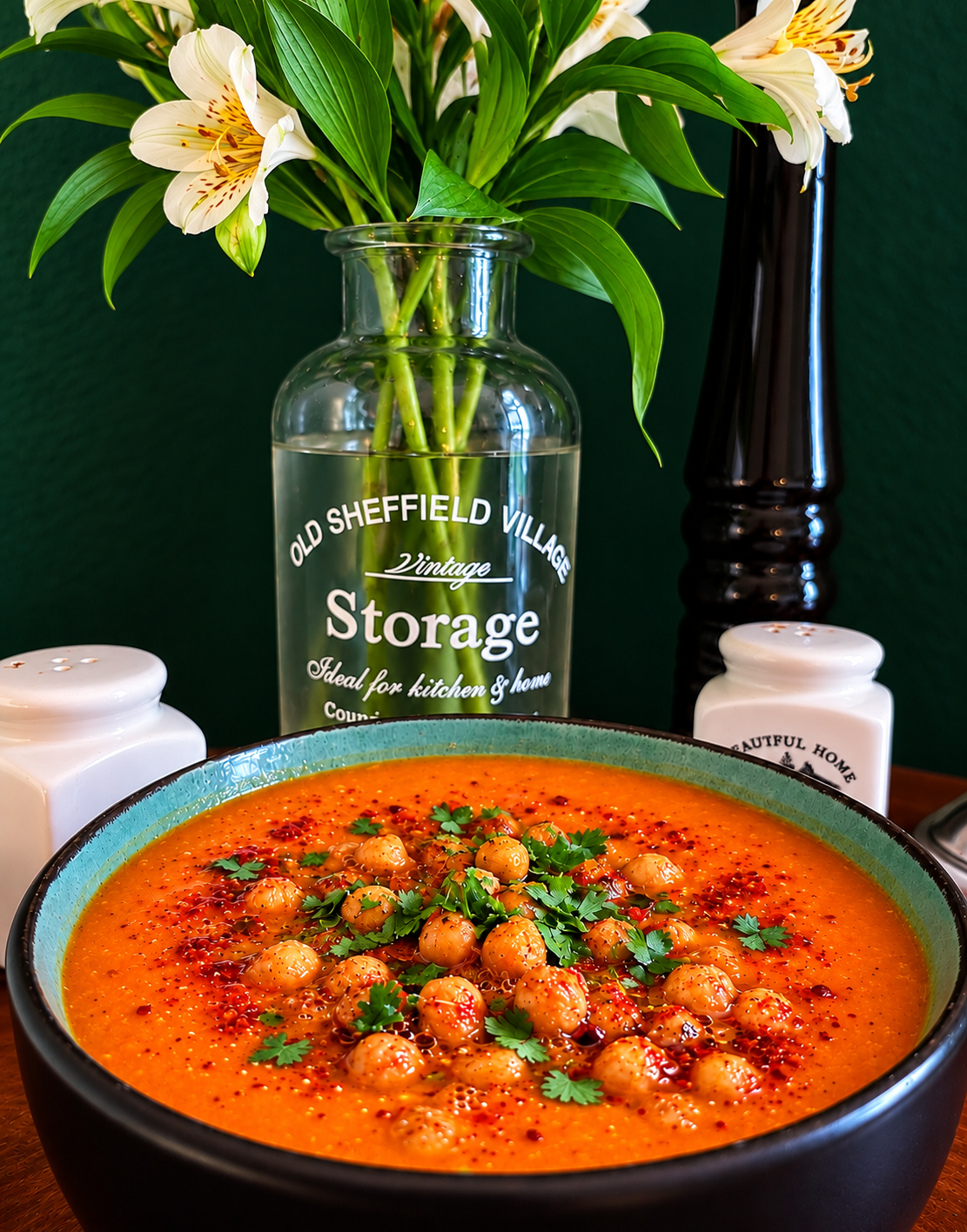
Patátes Antinahtés – Cyprus's Famous Shaken Potatoes
Patátes Antinahtés are a traditional Cypriot potato speciality, typically prepared with crushed coriander seeds and dry red wine. The name refers to the shaking or tossing technique used to coat the potatoes in their aromatic cooking juices. My Via Veggie Vegan interpretation replaces the wine with pomegranate juice and balsamic vinegar, roasts the potatoes in the oven and pairs them with a creamy soy yoghurt and tahini dip. The result is a colourful, completely plant-based variation inspired by this beloved Cypriot classic.
From my kitchen to your plate.
Morocco – A Country of Mountains, Deserts and Aromatic Spices
Morocco lies in northwestern Africa, where the Atlantic Ocean, Mediterranean coastline, Atlas Mountains and Sahara create an extraordinary diversity of landscapes. Moroccan cuisine reflects Amazigh, Arab, Andalusian, Mediterranean and African influences developed through centuries of cultural exchange. Fragrant spices such as cumin, ginger, coriander, cinnamon and paprika are important elements of its culinary traditions. From bustling souks filled with aromatic spices to family kitchens preparing slow-cooked tagines, soups and vegetable dishes, Moroccan cooking celebrates the balance between warmth, freshness and deeply developed flavors.
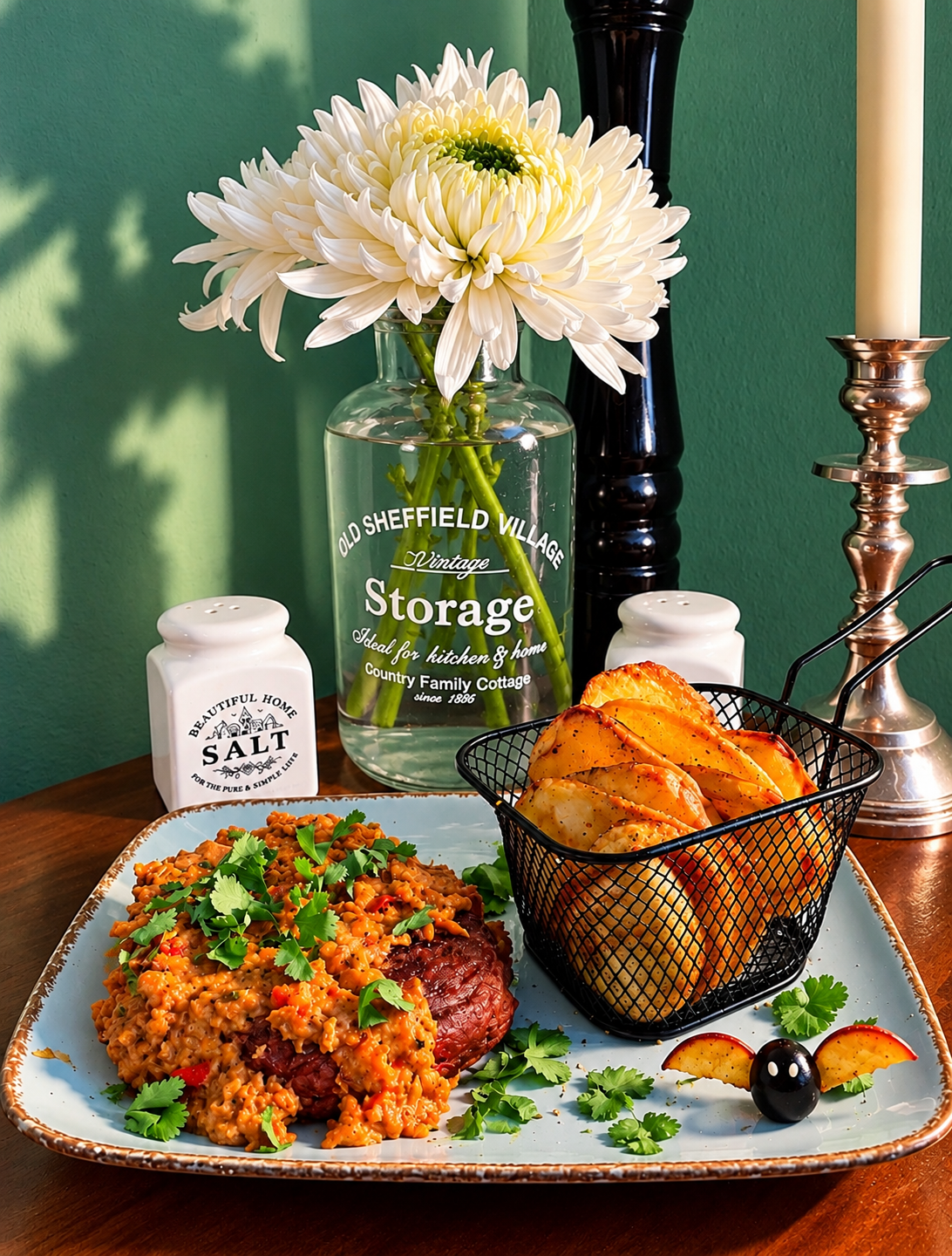
What Is Shorba al-Ghazar?
Shorba al-Ghazar (شوربة الجزر) simply means carrot soup in Arabic. Carrot soups appear in different forms throughout North Africa and the wider Arabic-speaking world, but there is no single universally established Moroccan recipe under this name. This Via Veggie Vegan interpretation draws inspiration from Moroccan spice combinations, bringing together naturally sweet carrots, cumin, coriander, ginger, cinnamon and paprika. The vegetables are blended into a smooth, dairy-free soup and finished with lightly spiced chickpeas, fresh coriander and chili flakes for extra texture, flavor and color.
From my kitchen to your plate.
Costa Rica – A Country of Rainforests, Volcanoes and Pura VidaCosta Rica is a Central American country bordered by Nicaragua, Panama, the Pacific Ocean and the Caribbean Sea. Famous for its extraordinary biodiversity, tropical rainforests, volcanic landscapes and protected national parks, the country is also known for its philosophy of Pura Vida, an expression associated with enjoying life and appreciating everyday moments. Costa Rican cuisine reflects its agricultural traditions, with rice, beans, plantains, potatoes, vegetables and fresh tropical ingredients playing important roles in everyday cooking.
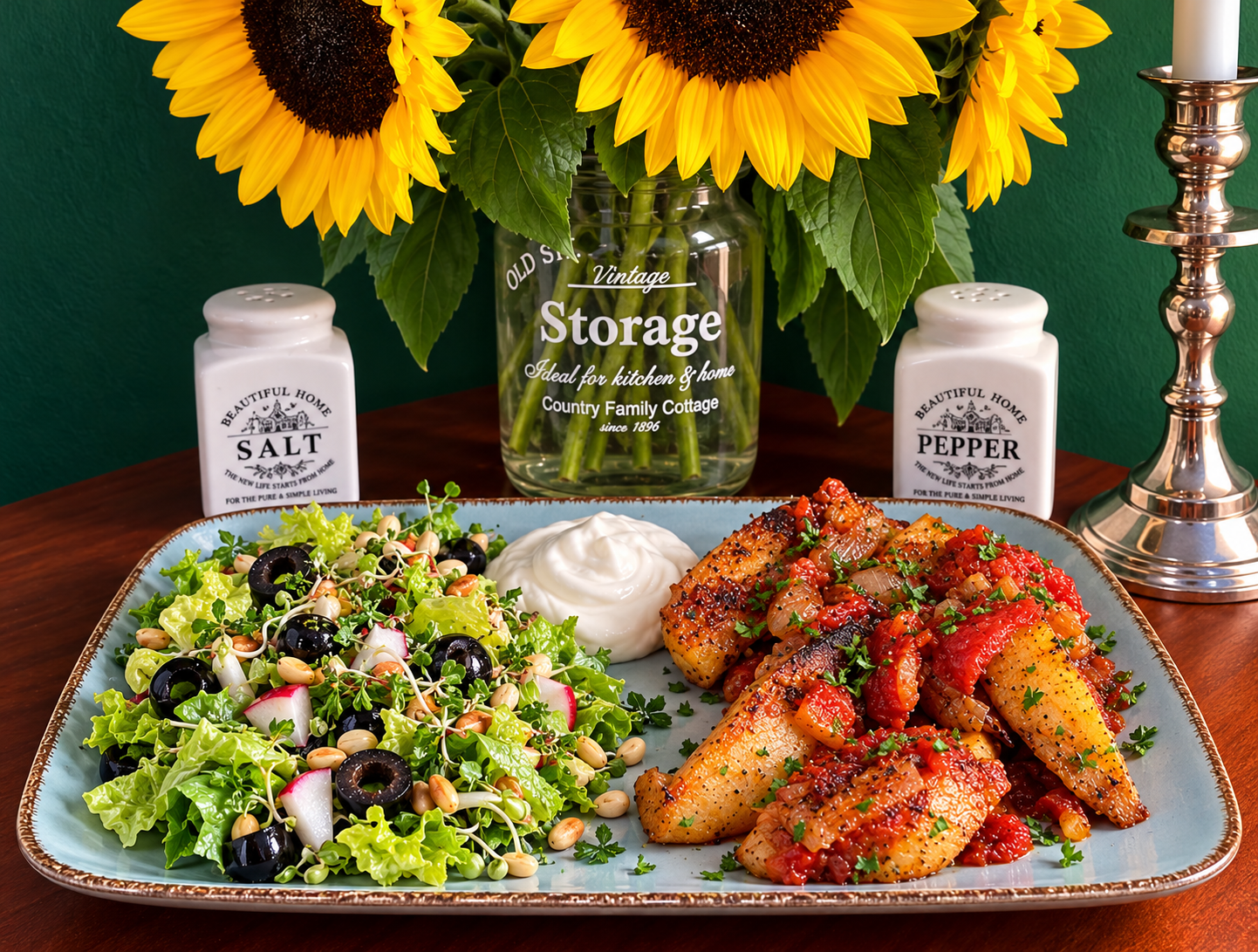
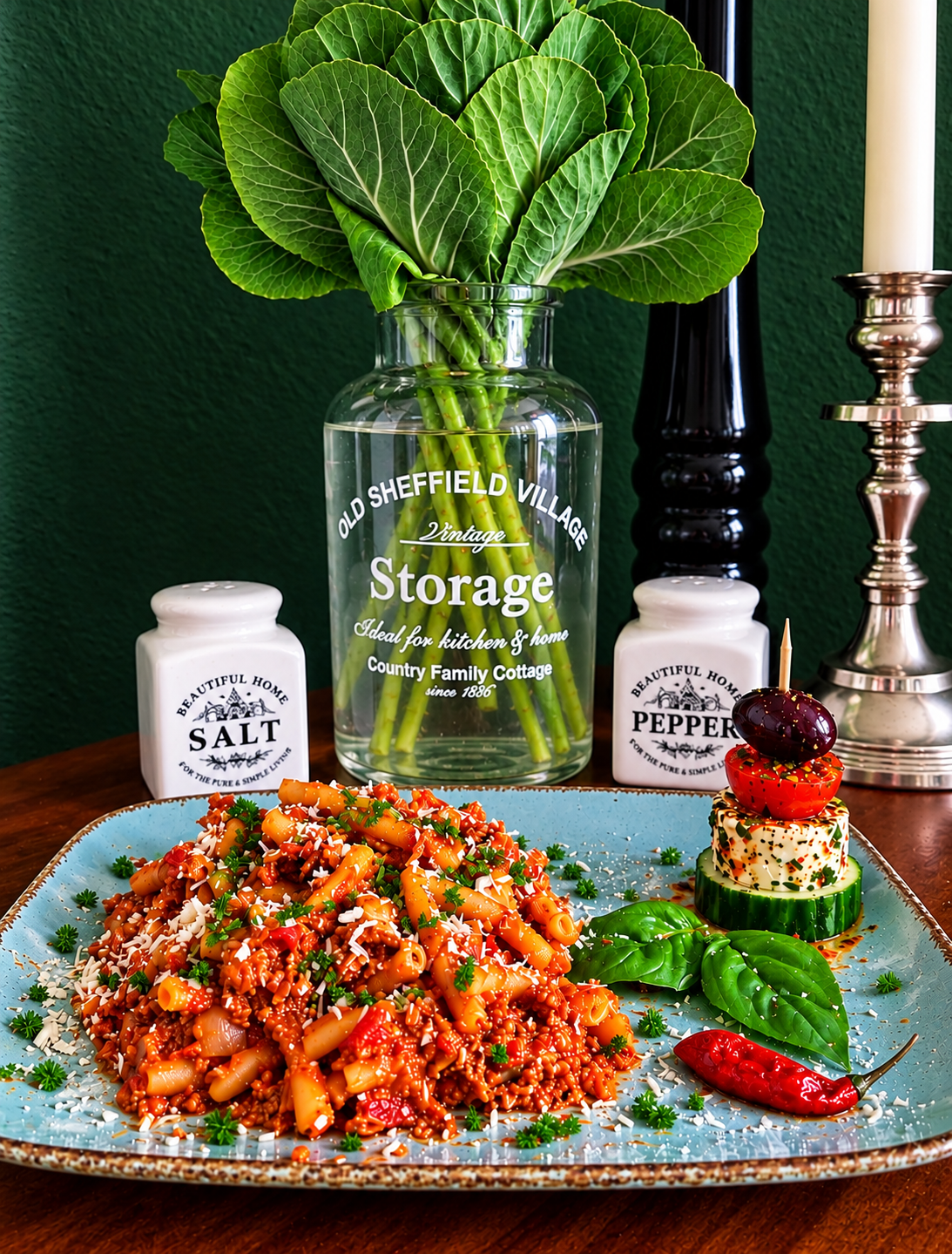
What Is Bistec Encebollado con Papas?Bistec Encebollado is a popular Latin American dish consisting of thinly sliced steak cooked with onions. In Costa Rica, versions may be seasoned with garlic, cumin, oregano and Salsa Lizano, the country's distinctive sweet and savory table sauce. Papas simply means potatoes, making Bistec Encebollado con Papas a satisfying combination of steak, onions and potatoes. This Via Veggie Vegan interpretation replaces beef with plant-based steak, serves crispy golden potato slices alongside it and uses a generous coating of homemade Salsa Lizano instead of a traditional marinade.
From my kitchen to your plate.
Libya – A North African Country of Mediterranean and Desert Traditions
Libya is a North African country bordering the Mediterranean Sea, with a culinary heritage shaped by Amazigh, Arab, Mediterranean and historical Ottoman influences. Its cuisine combines grains, vegetables, legumes, meat and aromatic spices, with dishes varying across regions and households. Tomatoes, garlic, chilies, olive oil and warming spice blends feature prominently in many Libyan preparations. Pasta also holds an important place in everyday cooking, reflecting the country's long history of Mediterranean cultural exchange.
What Is Mbakbaka?
Mbakbaka, also written Imbakbaka, is a popular Libyan one-pot pasta dish traditionally prepared by simmering dry pasta directly in a seasoned tomato-based broth. Unlike conventional pasta recipes, the noodles absorb the flavors of the sauce while releasing starch, creating a rich consistency somewhere between pasta and stew. Many versions contain lamb, beef or chicken, while the spices and vegetables vary between families. This Via Veggie Vegan interpretation replaces meat with plant-based mince and uses a homemade Bzaar-inspired spice blend. Fresh parsley, lemon juice and vegan grated cheese complete this hearty, spicy dish.
From my kitchen to your plate.
Lebanon – A Country of Ancient Traditions and Mediterranean Flavors
Lebanon is a small country on the eastern Mediterranean coast, celebrated for its rich culinary heritage, fresh ingredients and vibrant food culture. Lebanese cuisine combines Mediterranean and Levantine influences, with legumes, vegetables, olive oil, aromatic spices and fresh herbs playing central roles. From colorful mezze to hearty soups and freshly baked flatbreads, sharing food is an important part of Lebanese hospitality and everyday life.
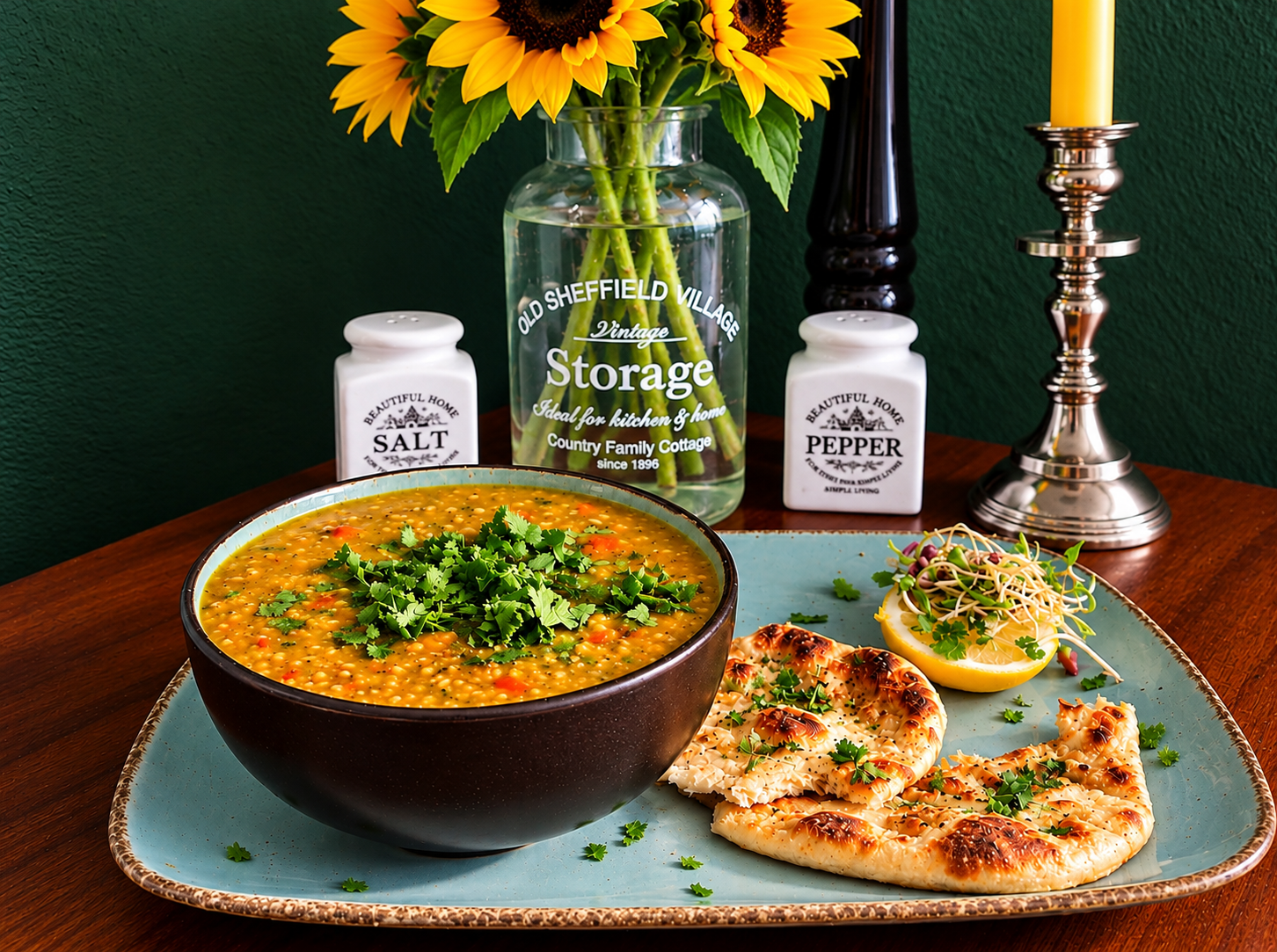
What Is Shorbat Adas?
Shorbat Adas (شوربة عدس) literally means "lentil soup" and is a comforting dish enjoyed throughout Lebanon and the wider Middle East. Traditional versions commonly combine red or yellow lentils with onions, cumin and other vegetables, simmered until tender and naturally creamy. This Via Veggie Vegan version uses red lentils, carrots, onion and cumin, blended into a smooth, golden soup. Fresh lemon is served separately so everyone can adjust the acidity according to personal preference
From my kitchen to your plate.
Yemen – A Land of Ancient Traditions and Aromatic Cuisine
Yemen is located at the southern end of the Arabian Peninsula and has a rich culinary heritage shaped by centuries of trade, agriculture and cultural exchange. Its cuisine is known for aromatic spices, hearty stews, traditional breads and distinctive condiments. Ingredients such as garlic, herbs, legumes and sesame appear in different regional preparations, reflecting Yemen's connections with the wider Middle East.
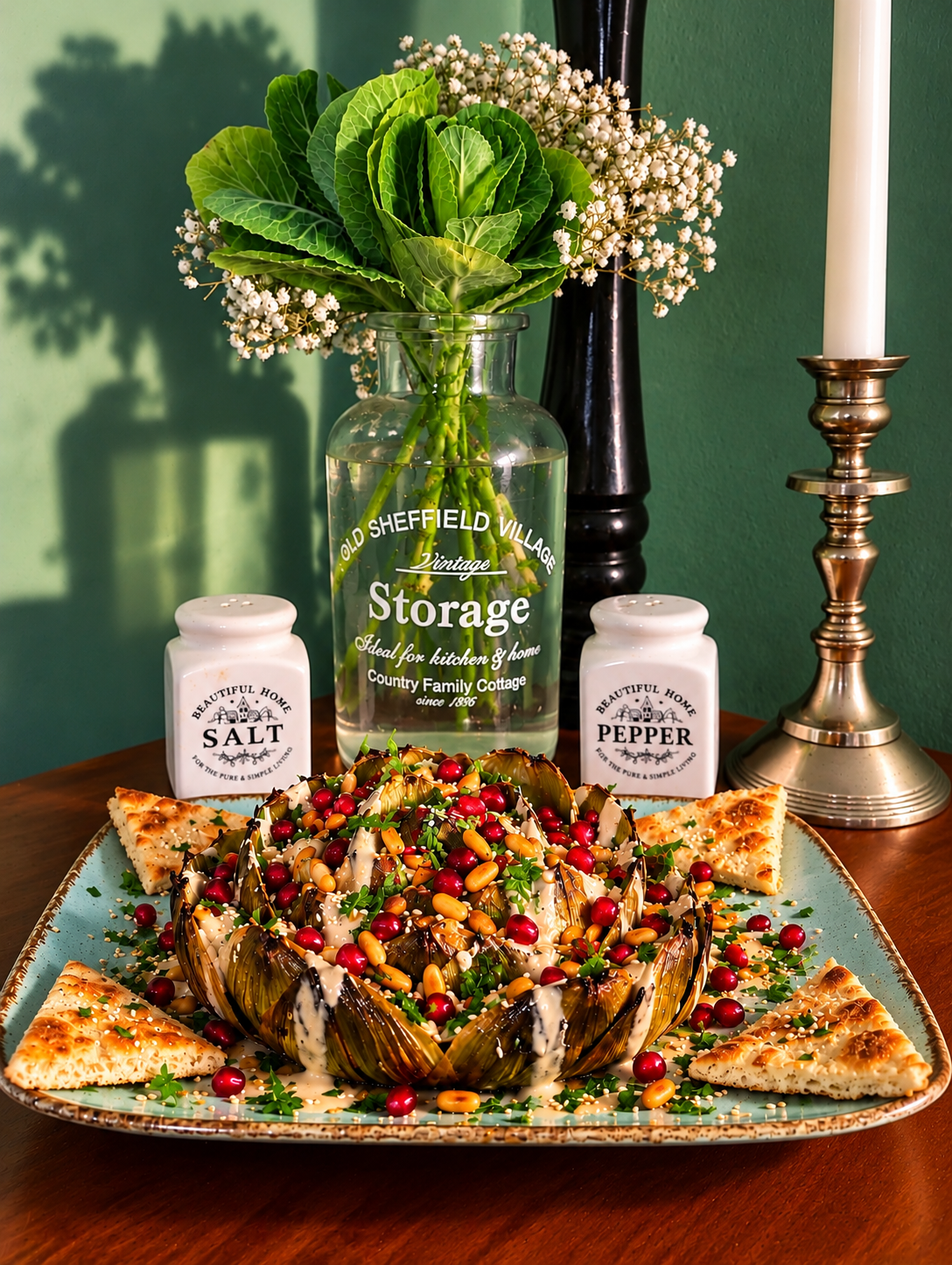
What Are Roasted Artichokes with Tahini Sauce?
These roasted artichokes are a Via Veggie Vegan creation inspired by Middle Eastern and Levantine flavors rather than a documented traditional Yemeni national dish. Whole artichokes are roasted with olive oil and lemon until tender, then generously coated with taratur, a creamy sauce made from tahini, garlic, lemon juice and water. Toasted pine nuts, pomegranate seeds, sesame and fresh parsley add contrasting textures and flavors, while warm flatbread makes the dish perfect for sharing.
From my kitchen to your plate.
Israel – A Crossroads of Culinary Traditions
Located on the eastern Mediterranean, Israel has a diverse food culture shaped by Jewish communities from around the world and the culinary traditions of the wider Middle East. Markets, bakeries and street-food stalls offer fresh vegetable salads, aromatic flatbreads, hummus, tahini and falafel. Tel Aviv is particularly known for its lively food scene, where regional traditions and contemporary cooking meet.
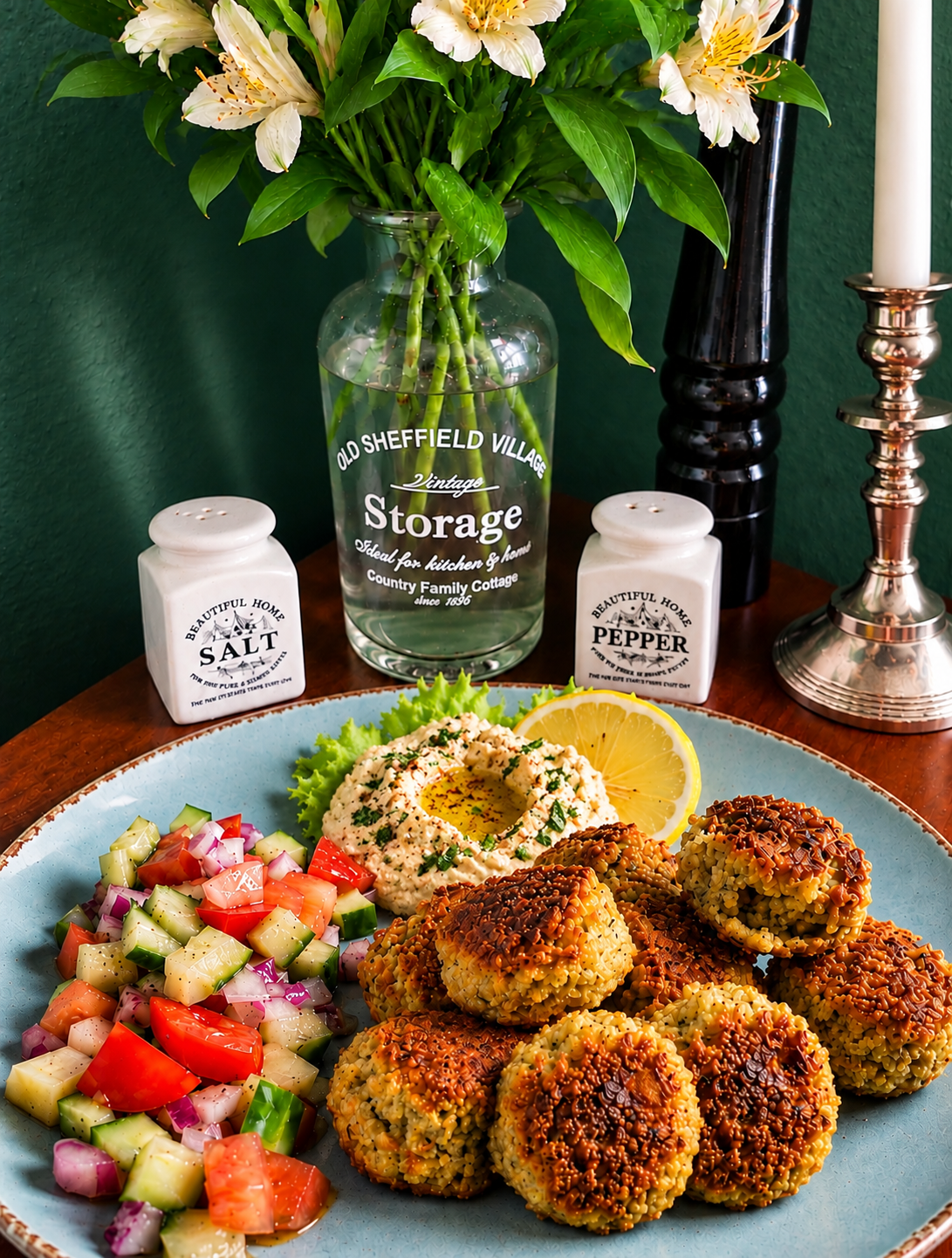
What Are Falafel with Hummus and Israeli Salad?
Falafel are crispy fried balls or patties made from soaked chickpeas, fava beans or both, seasoned with herbs and spices. Their origins are often associated with Egypt, and they have become popular throughout the Middle East, including Palestinian and Israeli cuisine. Served with creamy hummus and a finely chopped tomato-cucumber salad, they create a satisfying combination of textures and flavors. This naturally vegan version celebrates a classic Middle Eastern combination with plenty of garlic, cumin and coriander.

From my kitchen to your plate.
Halloween – A Celebration of Pumpkins and CreativityHalloween is celebrated on October 31 and has roots in traditions associated with the Celtic festival of Samhain, later influenced by Christian observances and regional customs. Today, pumpkins are among its most recognizable symbols, particularly in the form of carved jack-o'-lanterns. Pumpkin-shaped foods have also become a popular way to bring a playful seasonal touch to the table. This homemade cashew cheese takes inspiration from that tradition, transforming a savory plant-based spread into an edible Halloween decoration.
Homemade Cashew Cream Cheese – A Plant-Based AlternativeCashew-based cheese is a modern plant-based alternative to dairy cheese rather than a traditional regional dish. Soaked cashews create a creamy base, while nutritional yeast, lemon juice, garlic and thyme provide a savory, slightly tangy flavor. Agar-agar helps the mixture hold its shape once chilled. For this Halloween version, the cashew cheese is divided into two portions, coated with grated carrots and shaped using kitchen string. A pretzel stick becomes the pumpkin stem, and fresh thyme completes the decoration. The result is a creamy, spreadable vegan cheese with a wonderfully festive appearance.
From my kitchen to your plate.
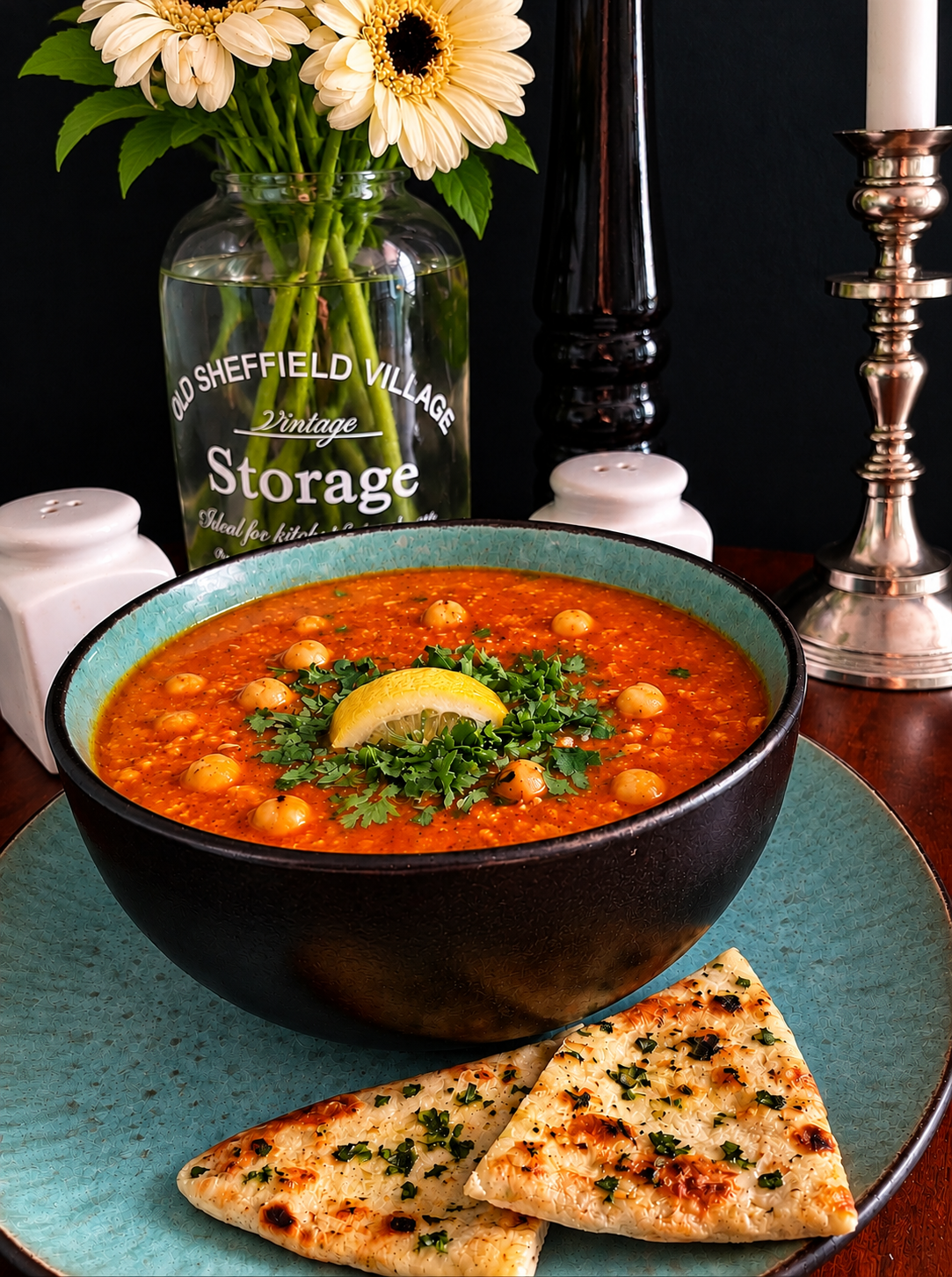
India – A Land of Spices and Culinary TraditionsIndia is a country of extraordinary culinary diversity, shaped by regional traditions, climate, agriculture, history and centuries of cultural exchange. From the aromatic dishes of North India to the coconut-rich cuisines of the south, spices play an important role in creating distinctive flavors. Cumin, coriander, turmeric, ginger, garlic and countless spice blends appear in a wide variety of regional preparations. Chickpeas are another important ingredient in Indian cooking, used in curries, snacks, salads, stews and soups. Their versatility makes them particularly suitable for satisfying plant-based dishes.
Chana Shorba – Indian Chickpea SoupChana means chickpeas, while shorba refers to soup or broth. Chana Shorba, also known as Chane Ka Shorba, is an Indian-style chickpea soup that can be prepared in several ways. Some versions are smooth and creamy, while others contain whole chickpeas in a fragrant broth. This Via Veggie Vegan interpretation combines chickpeas, tomatoes, onion, garlic, ginger, chili and aromatic spices. Blending a small portion of the soup creates natural creaminess without dairy or added cream. Fresh coriander and lemon bring brightness to the finished dish, while homemade Garlic Naan turns the soup into a delicious, satisfying meal.
From my kitchen to your plate.
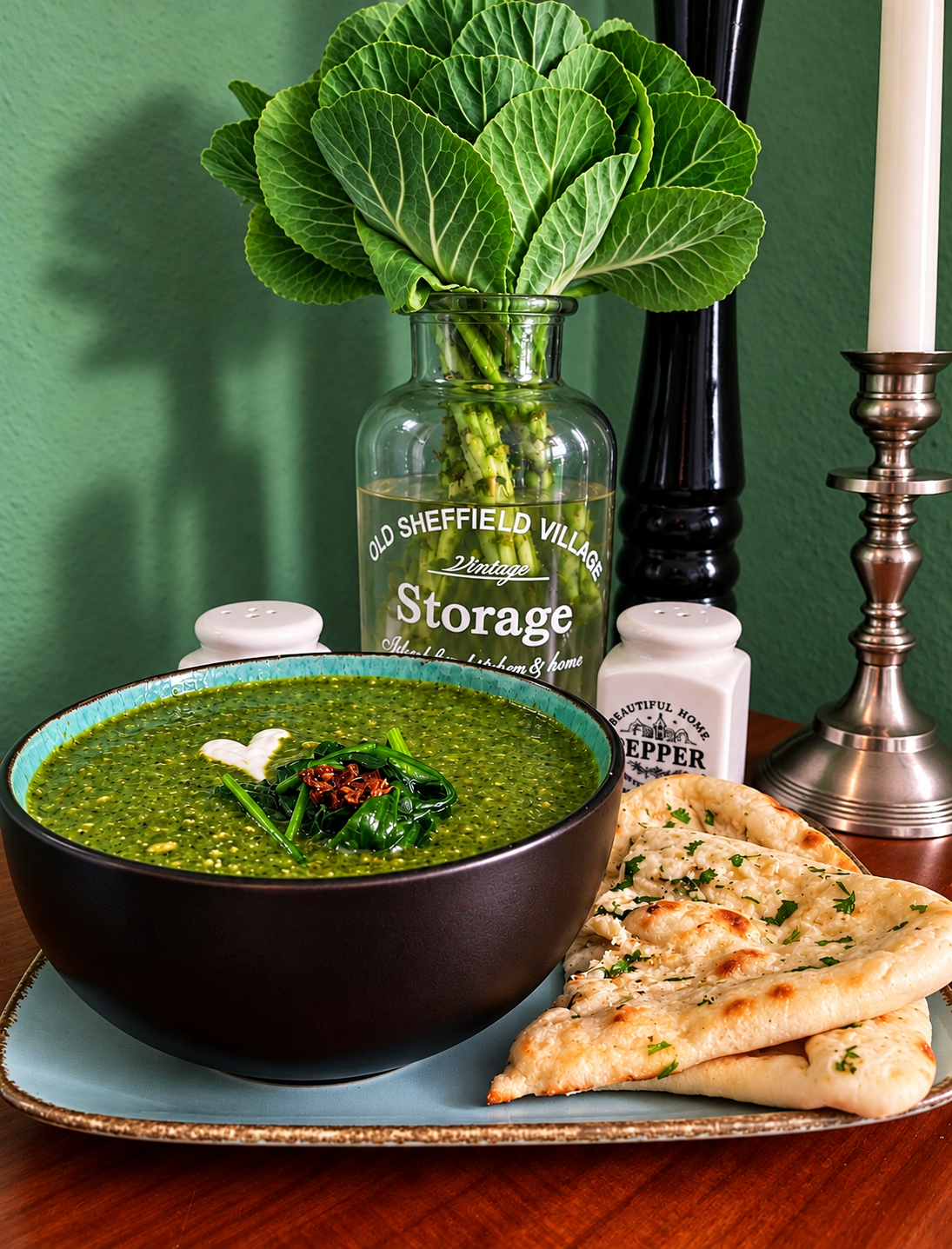
India – A Country of Extraordinary Culinary DiversityIndia is a vast South Asian country with a rich and remarkably diverse culinary heritage. Regional cooking traditions vary according to geography, climate, religion, history and local ingredients. In North India, dishes featuring spinach, lentils, aromatic spices, flatbreads and yogurt are particularly familiar. Fresh ginger, garlic, cumin, turmeric, coriander and garam masala contribute layers of flavor to countless savory preparations. Indian cuisine also makes extensive use of tadka, a technique in which spices and aromatics are briefly heated in fat to release their fragrance. From simple home-cooked meals to elaborate regional specialties, the combination of fresh ingredients and carefully balanced spices is central to many Indian food traditions.
Palak Shorba – A Fragrant Indian Spinach SoupPalak means spinach in Hindi, while shorba refers to soup or broth. The term shorba has connections with Persian and Arabic culinary vocabulary and is used for various soups and broths across South Asia and neighboring regions. Palak Shorba is a spinach-based soup associated with North Indian-inspired cooking, although preparations differ between cooks and households. This Via Veggie Vegan version combines fresh spinach with red onion, tomato, ginger, garlic, green chili, turmeric, cumin and whole spices. A final cumin-garlic tadka adds toasted aromas, while vegan sour cream provides a creamy contrast. Homemade Garlic Naan completes the meal, turning a light spinach soup into a satisfying plant-based dish.
From my kitchen to your plate.
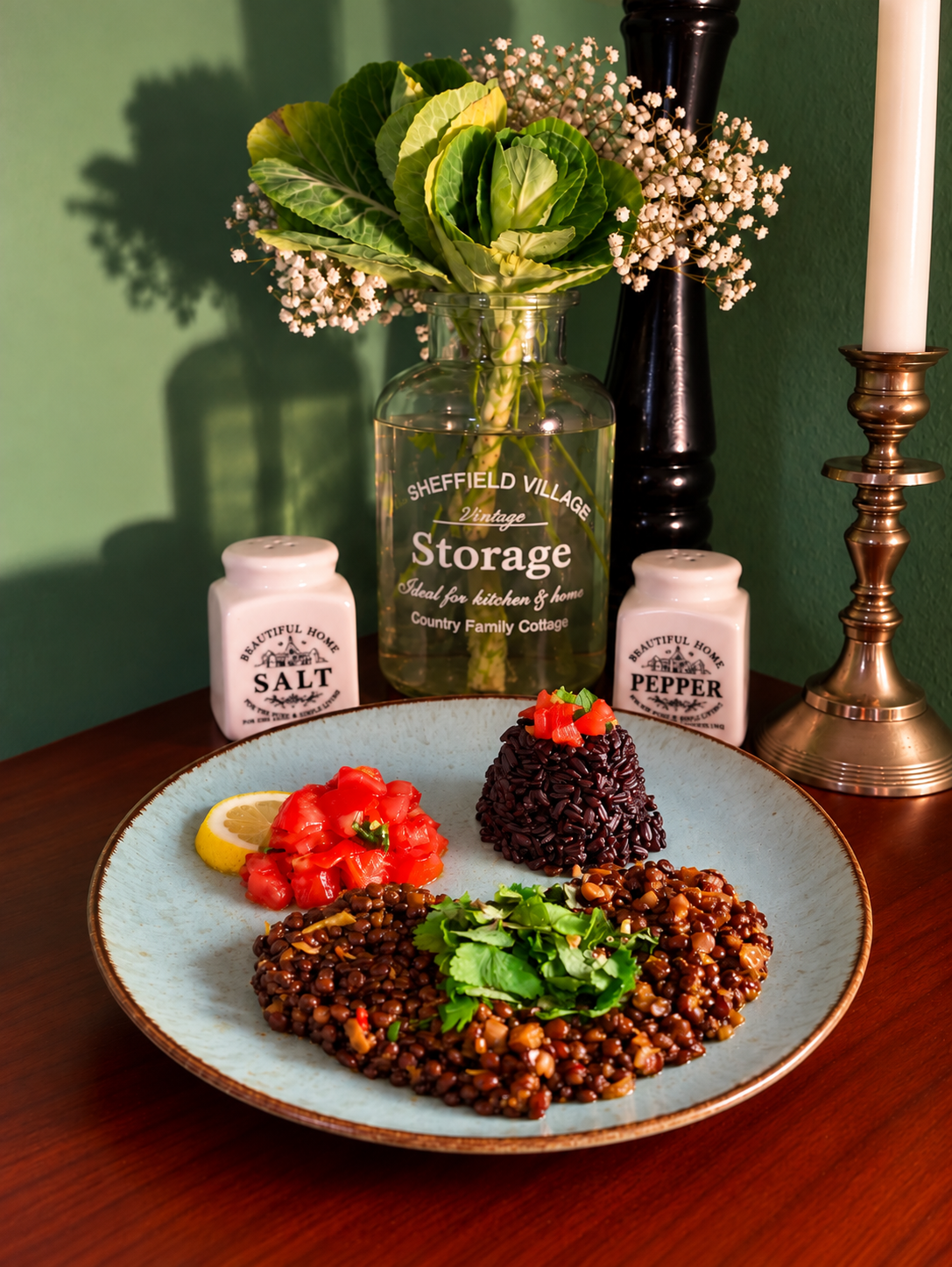
India – A Country of Extraordinary Culinary DiversityIndia is a vast South Asian country with an exceptionally diverse culinary heritage shaped by regional traditions, geography, climate, religion and history. From the fragrant rice dishes of the south to the rich lentil preparations of the north, Indian cuisine offers an extraordinary variety of ingredients, cooking techniques and flavors. Pulses, rice, vegetables, herbs and spices are central to many regional food traditions. Fresh coriander, known as hara dhaniya in Hindi, is widely used in chutneys, curries and vegetable dishes, while dried coriander seeds provide a distinctly different, warm and aromatic flavor. Indian cuisine includes countless naturally plant-based dishes, making it a wonderful source of inspiration for vegan cooking.
Hara Dhaniya Dal – A Fresh Coriander Lentil CurryIn Hindi, hara means green, dhaniya means coriander and dal refers to certain pulses or dishes prepared from them. Hara Dhaniya Dal can therefore be understood as a lentil dish featuring fresh green coriander. This Via Veggie Vegan creation is inspired by Indian ingredients and flavors rather than representing a specific traditional regional recipe. Black Beluga lentils are combined with onion, garlic, cinnamon, bay leaf, garam masala and ground coriander, then coated in a vibrant paste of fresh coriander, green chili, ginger and lemon juice. Served with black rice, the dish brings together earthy lentils, aromatic spices and bright herbal freshness in a colorful, naturally vegan interpretation of Indian-inspired comfort food.
From my kitchen to your plate.
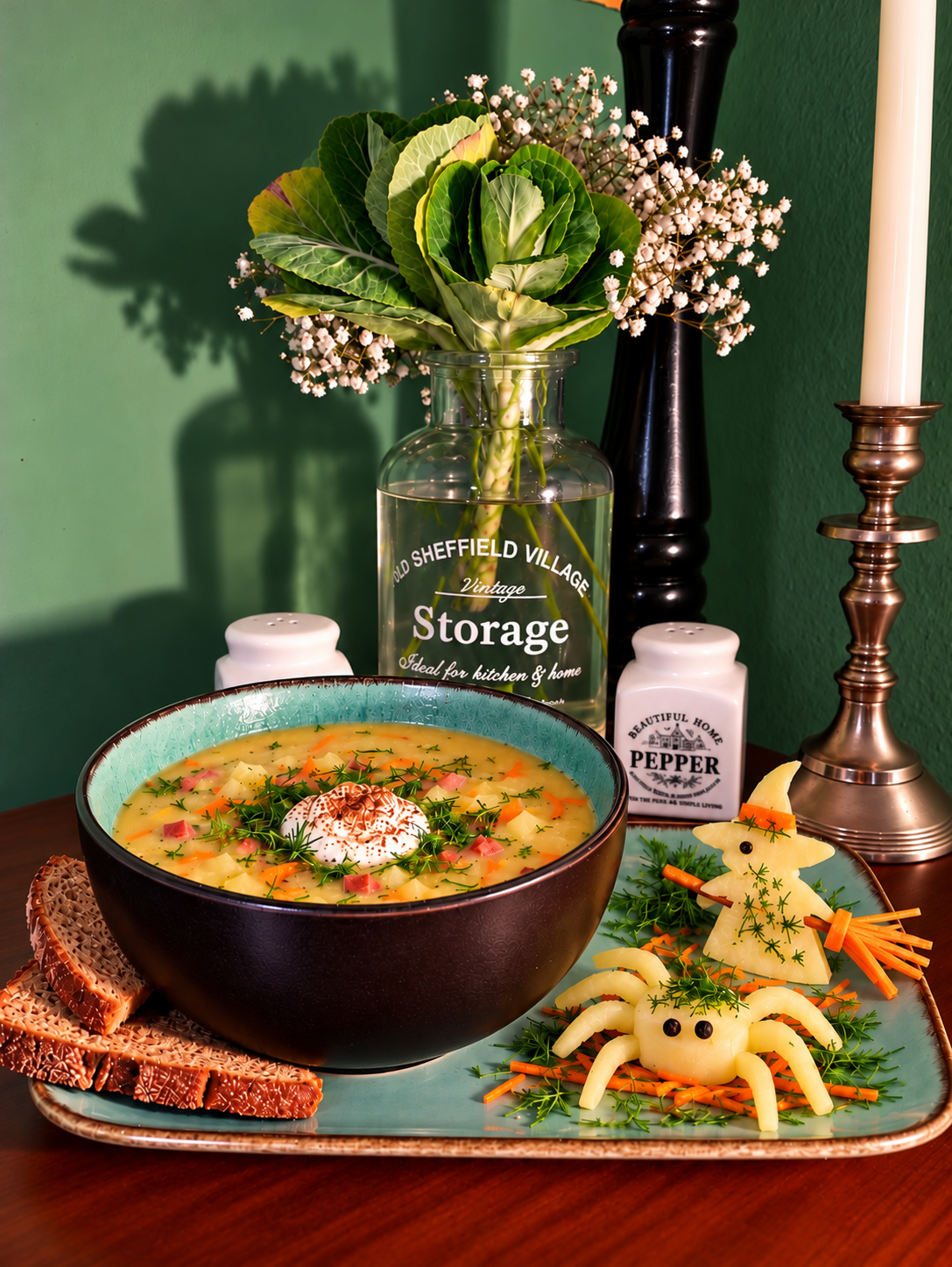
Estonia – Seasonal Comfort Food from the Baltic RegionEstonia is a Northern European country on the Baltic Sea, known for its forests, islands and strong connection to seasonal ingredients. Traditional Estonian cuisine features potatoes, cabbage, root vegetables, rye bread and fresh herbs. Dill is particularly popular in soups, potato dishes and salads, while sour cream is a familiar accompaniment to many savory meals. Simple, warming dishes have long played an important role in everyday Estonian home cooking, especially during the colder months.
Estonian Kohlrabi Soup – A Creamy Vegan InterpretationThis Estonian-inspired Kohlrabisupp draws on the region's love of seasonal vegetables, potatoes and fresh dill rather than reproducing a specific traditional national dish. Kohlrabi and potatoes are simmered in vegetable stock and blended with soy cooking cream to create a smooth, comforting soup. Finely grated carrots provide a delicate texture, while nutritional yeast, crispy vegan bacon-style cubes and plant-based sour cream add savory richness. For Halloween, cooked kohlrabi is transformed into a handmade witch and spider, bringing a playful Via Veggie Vegan twist to this Baltic-inspired autumn recipe.
From my kitchen to your plate.
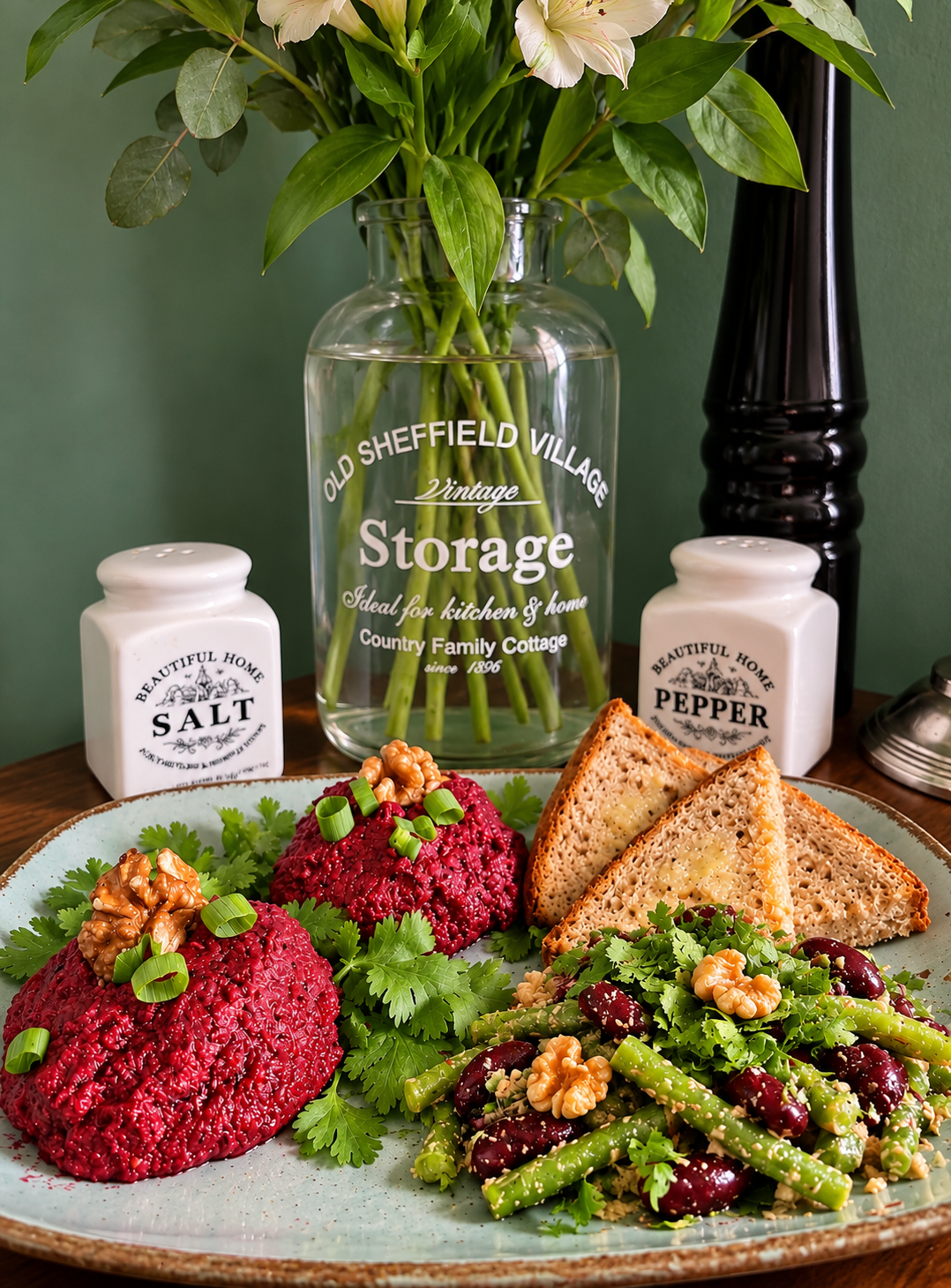
Georgia – Where Europe and Asia MeetGeorgia lies in the Caucasus region, between the Black Sea and the mountains of the Greater Caucasus. Its cuisine is famous for generous hospitality, fresh herbs, walnuts, garlic, aromatic spices and a remarkable variety of vegetable and bean dishes. Traditional Georgian meals often feature several small plates shared around the table, creating a colorful combination of flavors and textures. Walnuts are especially important in Georgian cooking, appearing in sauces, spreads, vegetable dishes and fillings.
Charkhlis Pkhali & Mtsvane Lobio – Two Georgian SpecialtiesCharkhlis Pkhali (ჭარხლის ფხალი) is a beetroot variation of Pkhali, a family of Georgian vegetable dishes prepared with ground walnuts, garlic, herbs and spices. Beetroot Pkhali is commonly made with cooked beetroot, but this Via Veggie Vegan version uses fresh raw beetroot for a firmer texture and particularly earthy flavor. Mtsvane Lobio (მწვანე ლობიო) means green beans and refers to Georgian preparations centered on this vegetable. My interpretation combines green beans with red kidney beans, fresh coriander and a walnut dressing enriched with pomegranate molasses and lemon juice. Served together with toasted bread, the two dishes make a satisfying plant-based meal.
From my kitchen to your plate.
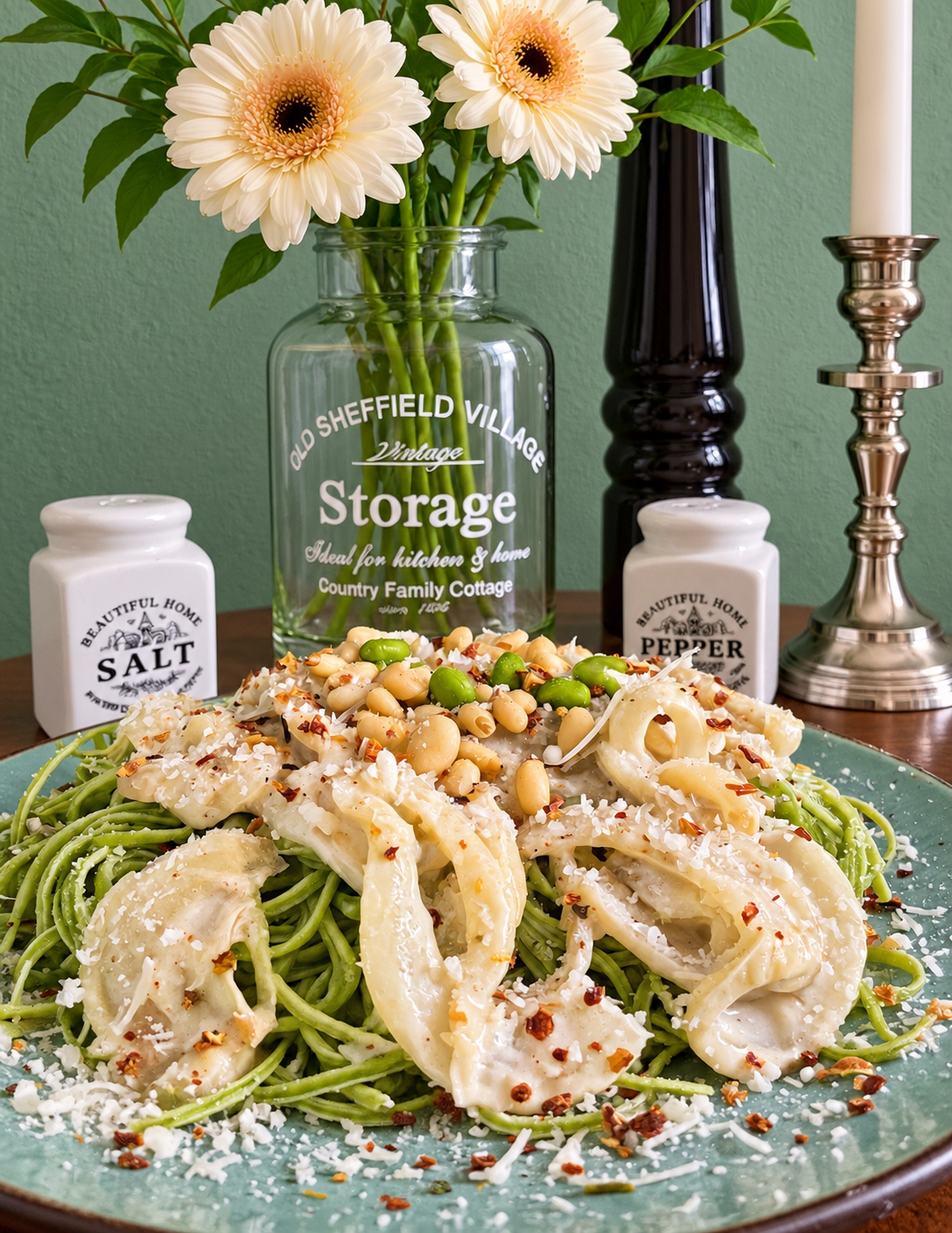
France – A Country of Culinary TraditionsFrance is renowned for its diverse regional cuisine, centuries-old culinary traditions and appreciation of carefully prepared food. From rustic countryside dishes to refined restaurant cooking, French cuisine places great importance on developing flavor through ingredients and technique. Onions, butter, fresh herbs, cheese and rich stocks are familiar elements in many traditional preparations. One of the country's best-known comfort foods is Soupe à l'oignon, the classic French onion soup, especially associated with Parisian bistro cooking.
What Is French Onion Pasta?French Onion Pasta is not a traditional French dish. It is a modern pasta creation inspired by the flavors of French onion soup, particularly its slowly caramelized onions, thyme, savory broth and melted cheese. Viral versions reinterpret these familiar ingredients as a creamy pasta sauce. My vegan variation uses Edamame Spaghetti, homemade vegetable stock, vegan cheddar-style cheese, nutritional yeast and plant-based cream. Apple cider vinegar replaces the acidity sometimes provided by wine, while lemon zest, nutmeg, toasted pine nuts and pistachios add my own personal touch.
From my kitchen to your plate.
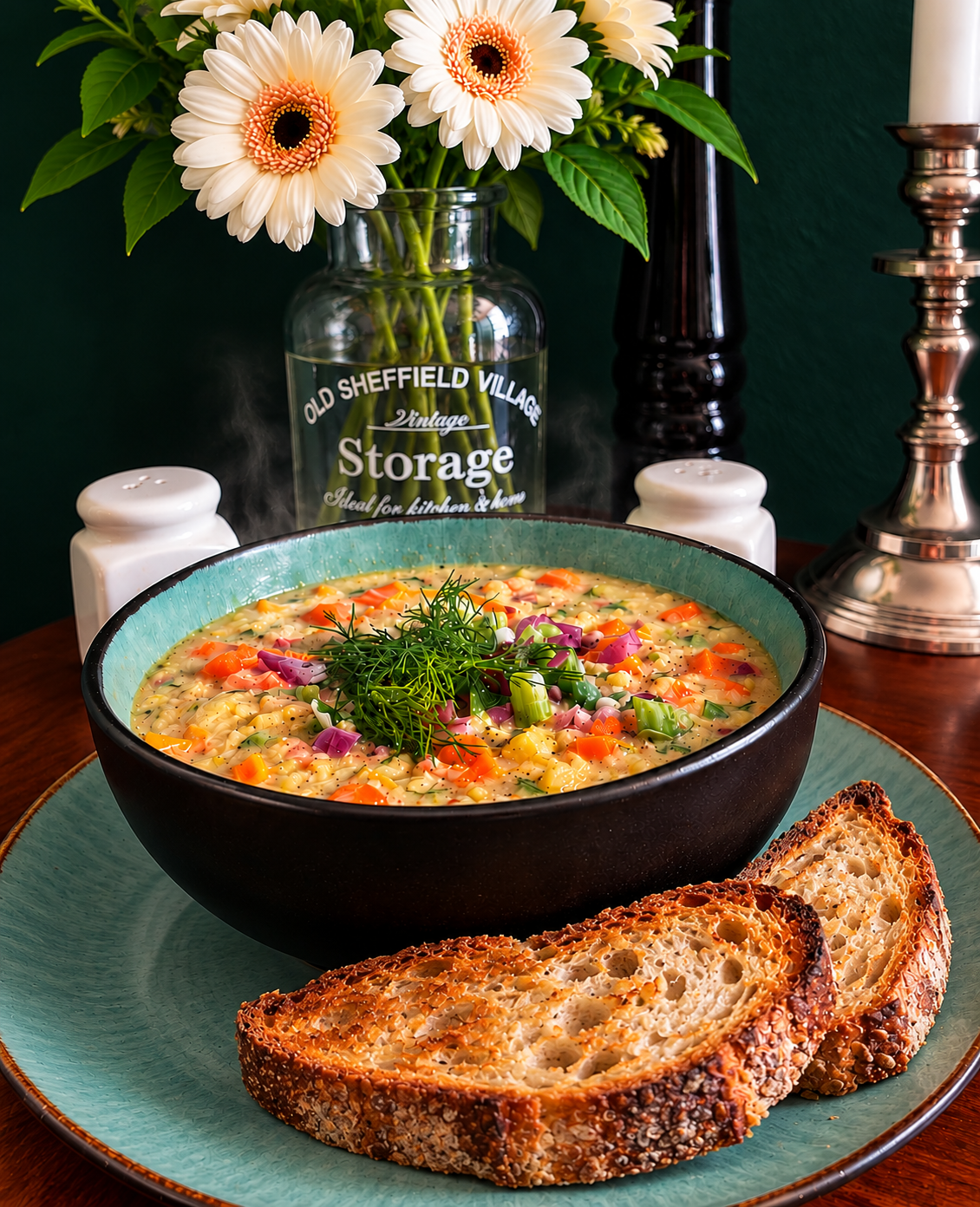
Finland – The Land of a Thousand LakesFinland is a Nordic country known for its forests, countless lakes, long winters and strong connection to nature. Its traditional cuisine reflects the country's geography and climate, with potatoes, root vegetables, rye bread, berries, mushrooms and fish playing important roles. Simple, warming soups are particularly popular, and fresh herbs such as dill bring characteristic Nordic flavors to many dishes.
What Is Lohikeitto?Lohikeitto is a traditional Finnish salmon soup made with fresh salmon, potatoes, leek, often carrots, cream and fresh dill. The name comes from the Finnish words "lohi" (salmon) and "keitto" (soup). My vegan interpretation replaces the salmon with homemade carrot lox, marinated in nori, soy sauce, lemon and liquid smoke. Oat cream and unsweetened oat drink create a rich, comforting broth without dairy, while the classic combination of potatoes, vegetables and dill remains.
