From my kitchen to your plate.
Country of Origin: Jordan
Jordanian cuisine is deeply rooted in the culinary traditions of the Levant, where mezze plays an important role in everyday meals and social gatherings. Small dishes such as creamy vegetable dips, olives, fresh salads and warm flatbread are often enjoyed together, encouraging everyone around the table to share.
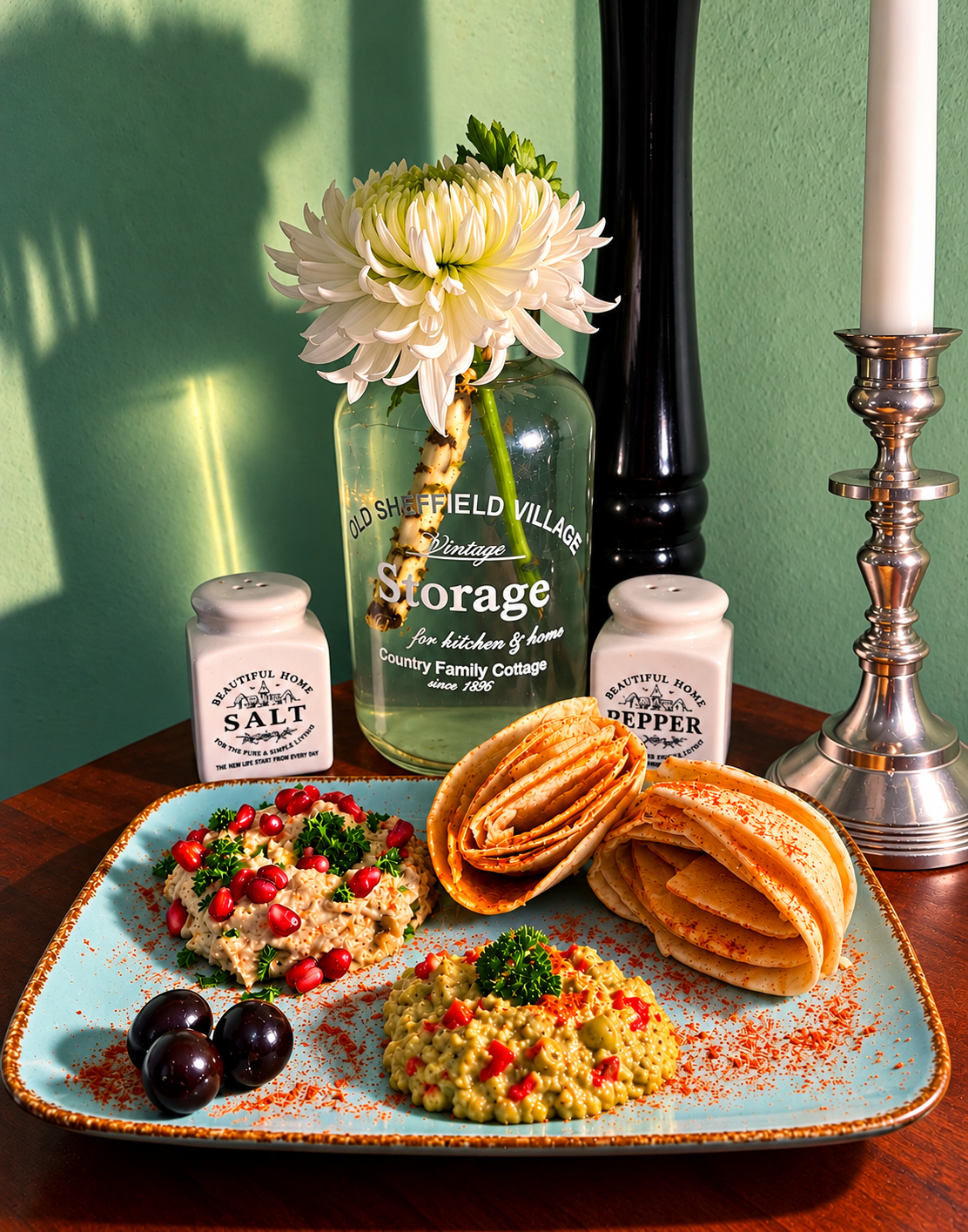
What Are Mutabbal & Maazat Zaytoon?
Mutabbal is a traditional Levantine eggplant dip made with roasted eggplant, tahini, garlic and lemon juice. Some Jordanian variations include yogurt for an especially creamy, delicate texture. Maazat Zaytoon, meaning olive appetisers or olive mezze, is used here for a green olive spread flavoured with tahini, lemon, garlic and za’atar. Za’atar is the aromatic herb and sesame seasoning, not the name of the olive paste itself. Both dishes are naturally suited to a plant-based mezze table when prepared with vegan yogurt.
From my kitchen to your plate.
Russia – A Culinary Tradition of Refreshing Summer DishesRussian cuisine is known for its hearty soups, comforting potato dishes, fresh vegetables and seasonal ingredients. During the warmer months, cold soups provide a refreshing alternative to traditional hot meals. Okroshka is particularly associated with Russian summer cooking and is often enjoyed at family gatherings, in countryside homes and during hot afternoons.
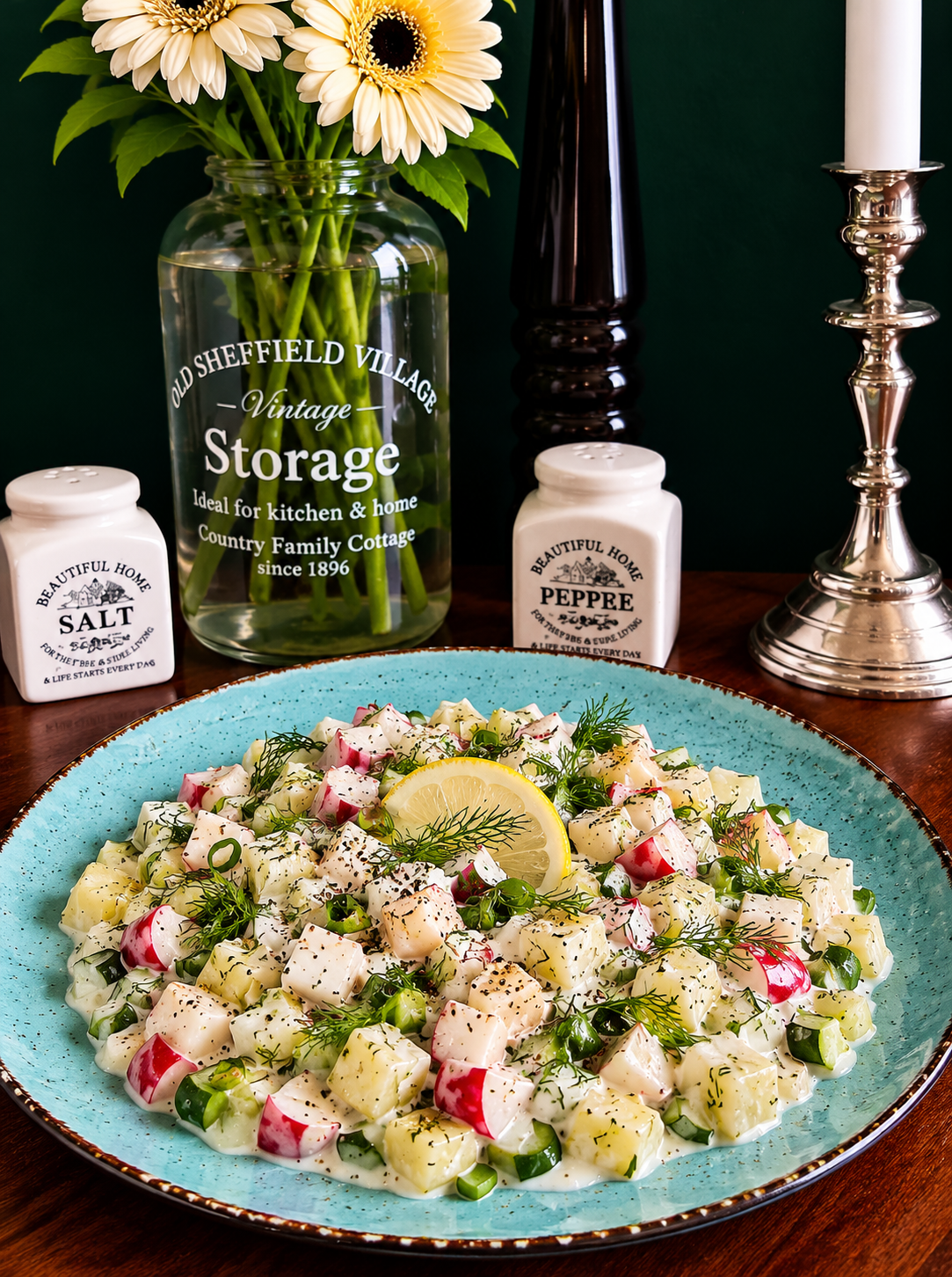
What Is Okroshka?Okroshka is a traditional Russian cold soup made with finely chopped vegetables, herbs and a chilled liquid base. Classic versions often contain kvass, a fermented beverage, or kefir, and may also include eggs or meat. My Via Veggie Vegan interpretation uses unsweetened soy yogurt instead, creating a thicker, creamy salad-style version with potatoes, cucumber, radishes, spring onions, fresh dill and lemon. It preserves the refreshing character of Okroshka while giving the dish a completely plant-based twist.
From my kitchen to your plate.
Pakistan – A Rich Tradition of Aromatic Home CookingPakistan's diverse culinary traditions feature fragrant spices, fresh vegetables, lentils, breads and richly seasoned curries. Everyday dishes often combine simple ingredients with carefully developed layers of flavour. Potatoes, cauliflower and spinach are familiar ingredients in Pakistani home cooking, while flatbreads such as naan and roti are popular accompaniments to vegetable curries.
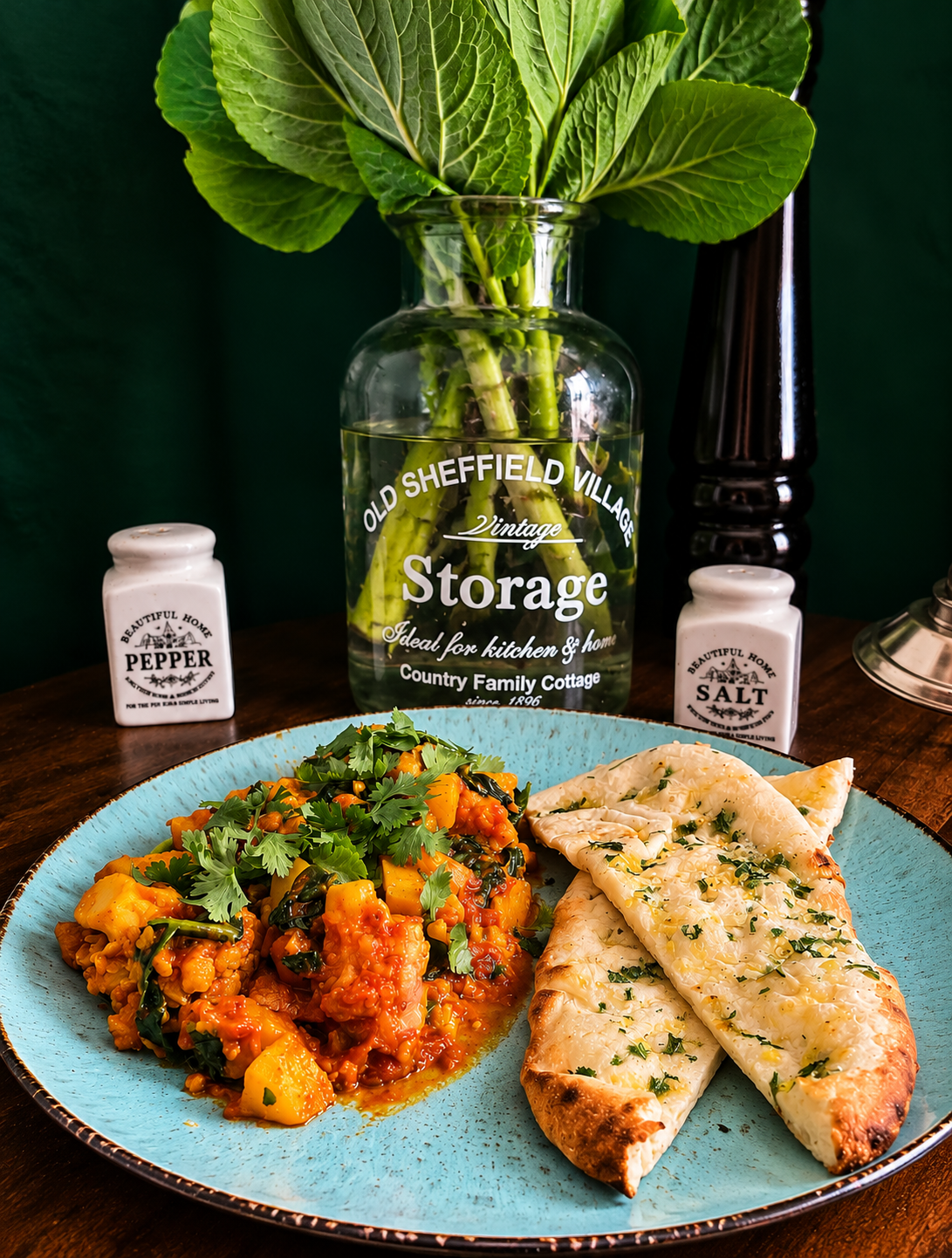
What Is Aloo Gobi Palak?The name describes the three main ingredients: aloo means potato, gobi means cauliflower and palak means spinach. Aloo Gobi and Aloo Palak are both familiar vegetable preparations across Pakistan and the wider Indian subcontinent. This Via Veggie Vegan recipe combines all three vegetables in a fragrant tomato-based masala with cumin, coriander, turmeric, ginger, garlic and chilli. Homemade Garlic Naan, brushed with vegan butter and fresh garlic, completes this comforting plant-based interpretation.
From my kitchen to your plate.
Nigeria – The Home of Suya and Bold West African FlavoursNigeria is a West African country with a remarkably diverse culinary heritage, shaped by its many ethnic communities and regional food traditions. Suya is one of its most recognisable street foods and is particularly associated with the Hausa culinary traditions of northern Nigeria. Traditionally, thin pieces of meat are coated in a fragrant, spicy peanut-based seasoning and grilled over charcoal. Suya is commonly served with sliced onions, tomatoes and other fresh accompaniments, creating a delicious contrast between smoky, spicy and refreshing flavours.
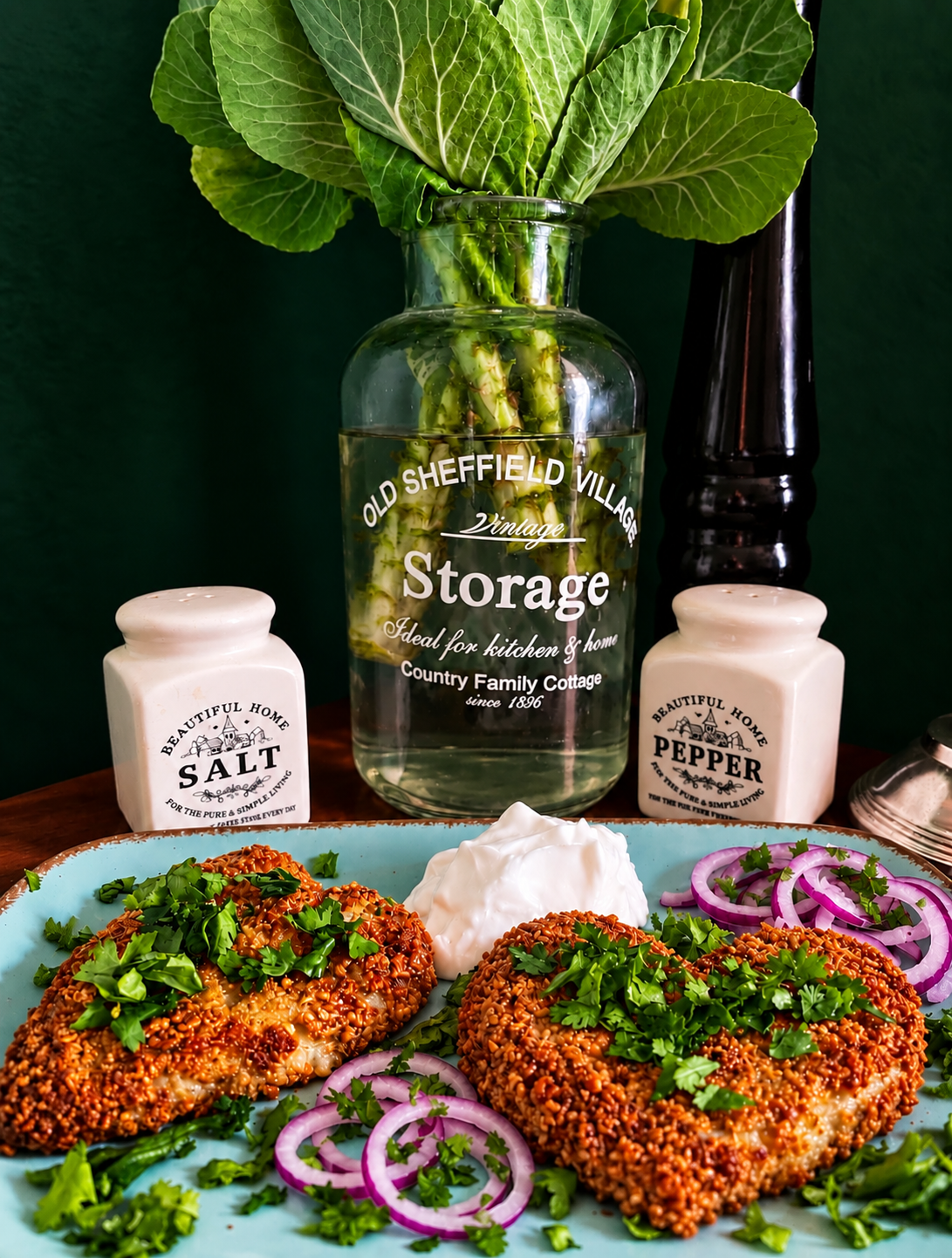
What Are Nigerian Suya Cauliflower Hearts?Suya Cauliflower Hearts are my creative Via Veggie Vegan interpretation of Nigerian suya flavours rather than a traditional Nigerian dish. Instead of meat, I use cooked cauliflower, remove the excess moisture and shape it into two decorative hearts. The cauliflower is coated with homemade Yaji, a seasoning inspired by Nigerian suya spice blends and made with roasted peanuts, chilli, ginger, garlic and aromatic spices. After baking, the golden hearts are served with vegan sour cream, red onion rings and fresh coriander. The result is a completely plant-based fusion dish with a nutty, spicy crust and a playful presentation.
From my kitchen to your plate.
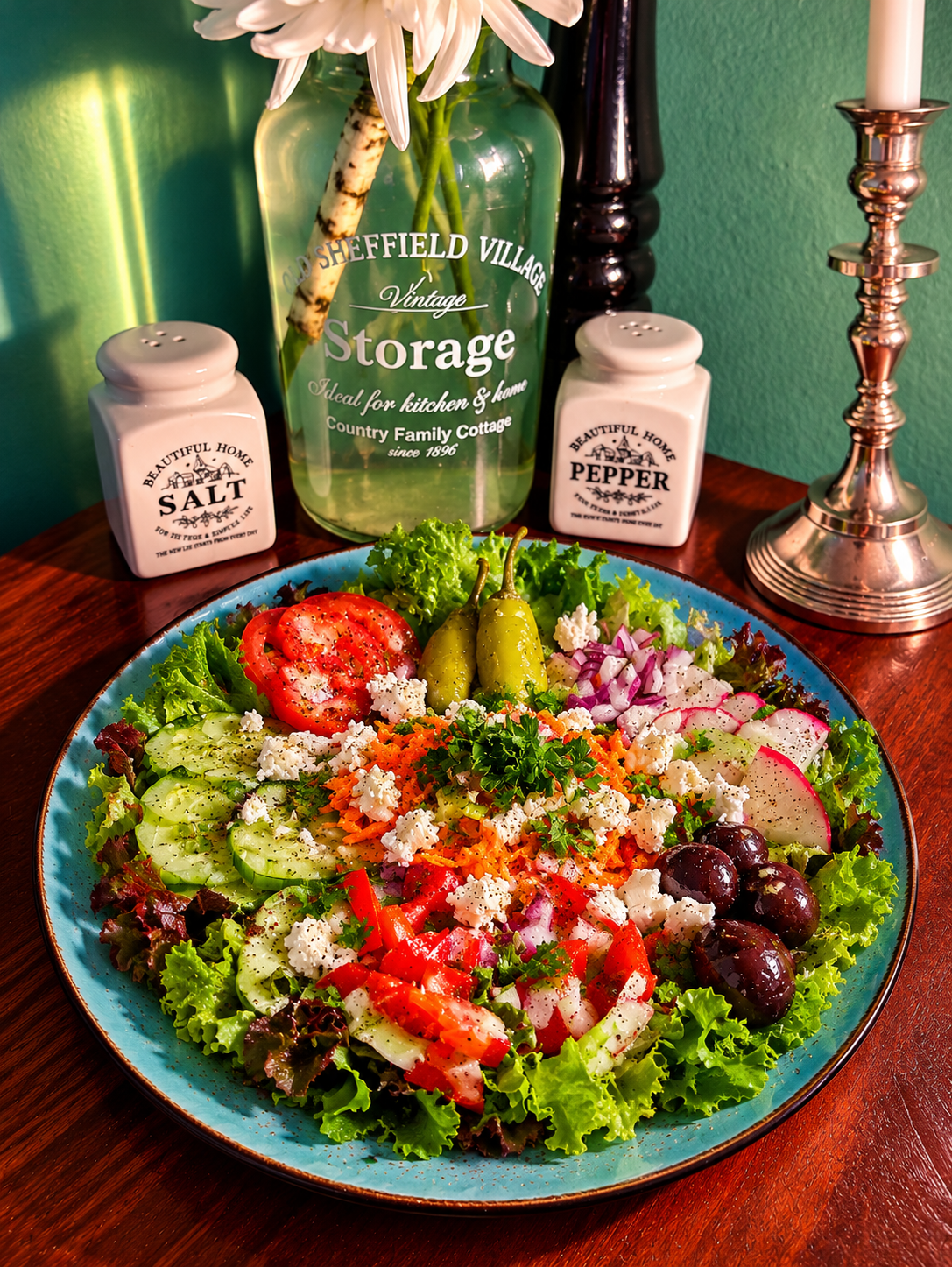
Bulgaria – Fresh Flavours from the BalkansBulgaria is a country in southeastern Europe with a rich culinary heritage influenced by Balkan, Mediterranean and Ottoman traditions. Fresh vegetables, herbs, peppers, yogurt and white brined cheese play an important role in Bulgarian cooking. Shopska Salata became widely popular during the 1950s and developed into one of the country's most recognisable dishes. Its combination of red tomatoes, green cucumber and peppers, and white cheese is often associated with the colours of the Bulgarian flag.
What Is Shopska Salata?Shopska Salata is a traditional Bulgarian salad usually made with tomatoes, cucumber, peppers, onion, parsley and generously grated Sirene, a white brined cheese. My Via Veggie Vegan interpretation replaces the dairy cheese with a vegan feta alternative and adds leafy greens, radishes, carrots, black olives and mild pickled peppers for extra colour and crunch. Instead of a classic oil-and-vinegar dressing, I prepare a creamy Zero-Waste cucumber dressing using the reserved cucumber peel, unsweetened soy yogurt, garlic, mustard and apple cider vinegar. The result is a refreshing, colourful and fully plant-based version of this beloved Bulgarian classic.

From my kitchen to your plate.
France – The Culinary Traditions of AlsaceAlsace is a region in northeastern France, bordering Germany and Switzerland, with a distinctive culinary heritage influenced by both French and German traditions. One of its best-known specialities is Flammkuchen, called Tarte Flambée in French and Flammekueche in Alsatian. Traditionally prepared with an exceptionally thin dough base, cream, onions and bacon, it is baked at high temperatures until beautifully crisp. Today, countless modern variations celebrate the versatility of this rustic regional dish.
What Is Pumpkin-Shaped Vegan Flammkuchen?My Via Veggie Vegan interpretation gives the Alsatian classic a playful autumn makeover. A simple homemade dough made from flour, water, vegetable oil and salt is shaped into two pumpkins, complete with curved pastry ribs and rosemary stems. Chili oil adds gentle heat, while vegan sour cream mixed with nutritional yeast creates a savoury base. Muscat pumpkin purée, thinly sliced fresh figs and fragrant rosemary bring together the flavours of autumn. During the final minute of baking, a little maple syrup is carefully drizzled over the Flammkuchen using a food-safe syringe, adding a delicate sweet finish to this fully plant-based creation.

From my kitchen to your plate.
Hungary – A Country with a Sweet Culinary HeritageHungary is a Central European country known for its rich culinary traditions, including comforting soups, pastries, chocolate desserts and sweet specialities. Hungarian cuisine is particularly famous for its use of paprika, although sweet dishes often feature ingredients such as chocolate, vanilla, walnuts and poppy seeds. Chocolate-based desserts have a place in Hungarian confectionery, but this particular chili chocolate soup should be understood as a modern Hungarian-inspired creation rather than a documented traditional national dish.
What Is Csokoládéleves?Csokoládéleves literally means chocolate soup in Hungarian. My Via Veggie Vegan interpretation transforms dark chocolate, unsweetened cocoa powder and oat drink into a rich, velvety dessert soup. Brown sugar adds sweetness, vanilla contributes a delicate aroma and a small amount of cornstarch creates a smooth, lightly thickened consistency. A quarter teaspoon of chili powder gives the chocolate a pleasantly warming finish. Served in dessert glasses, with an optional skull-shaped espresso ice cube for Halloween, this completely plant-based creation combines chocolate indulgence with a playful spooky-season twist.
From my kitchen to your plate.
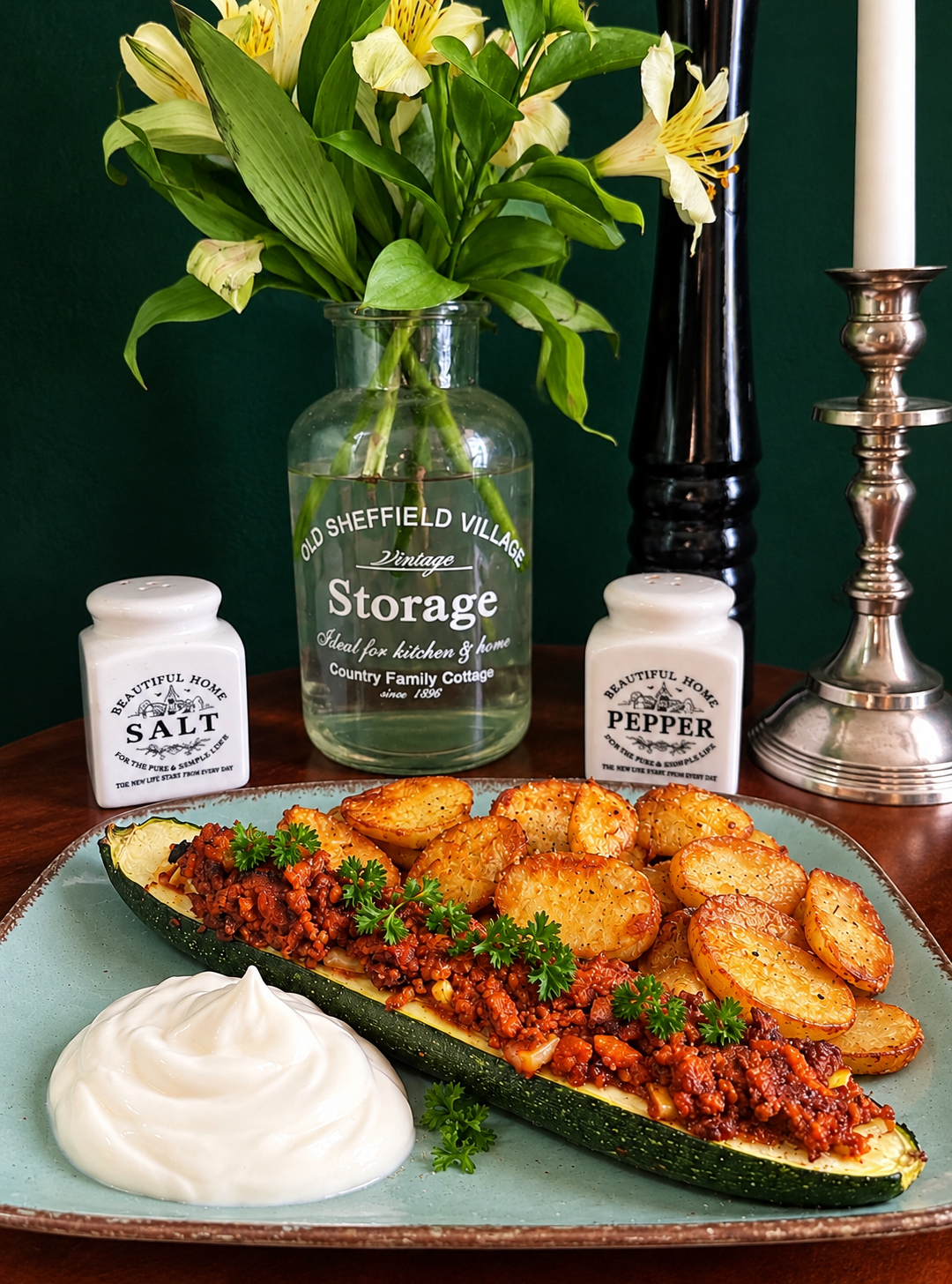
Bosnia & Herzegovina – A Country of Rich Balkan Food TraditionsBosnia & Herzegovina lies in southeastern Europe on the Balkan Peninsula. Its cuisine reflects a long history of cultural exchange, including Ottoman, Central European and Mediterranean influences. Traditional home cooking often features vegetables, grains, legumes, aromatic seasonings and slow-cooked dishes. Stuffed vegetables are particularly characteristic of the region, with peppers, cabbage leaves, onions and zucchini frequently used as edible containers for savory fillings. These dishes are closely associated with family kitchens, hospitality and comforting meals shared around the table.
What Are Punjene Tikvice or Dolma od Tikvica?Punjene Tikvice literally means stuffed zucchini, while Dolma od Tikvica refers to zucchini prepared in the wider tradition of stuffed vegetables known as dolma. Bosnian versions are commonly filled with minced meat, rice, onion and spices, then gently cooked in a tomato-based sauce. Some preparations use thick, hollowed-out zucchini cylinders, while others use zucchini halves or boats. My Via Veggie Vegan version follows the latter approach: the zucchini are halved lengthwise and filled with soy mince instead of beef. The traditional rice is omitted, and crispy oven-roasted potato slices provide a delicious accompaniment. Vegan sour cream replaces the dairy-based topping, creating a completely plant-based interpretation of this comforting Balkan favorite.
From my kitchen to your plate.
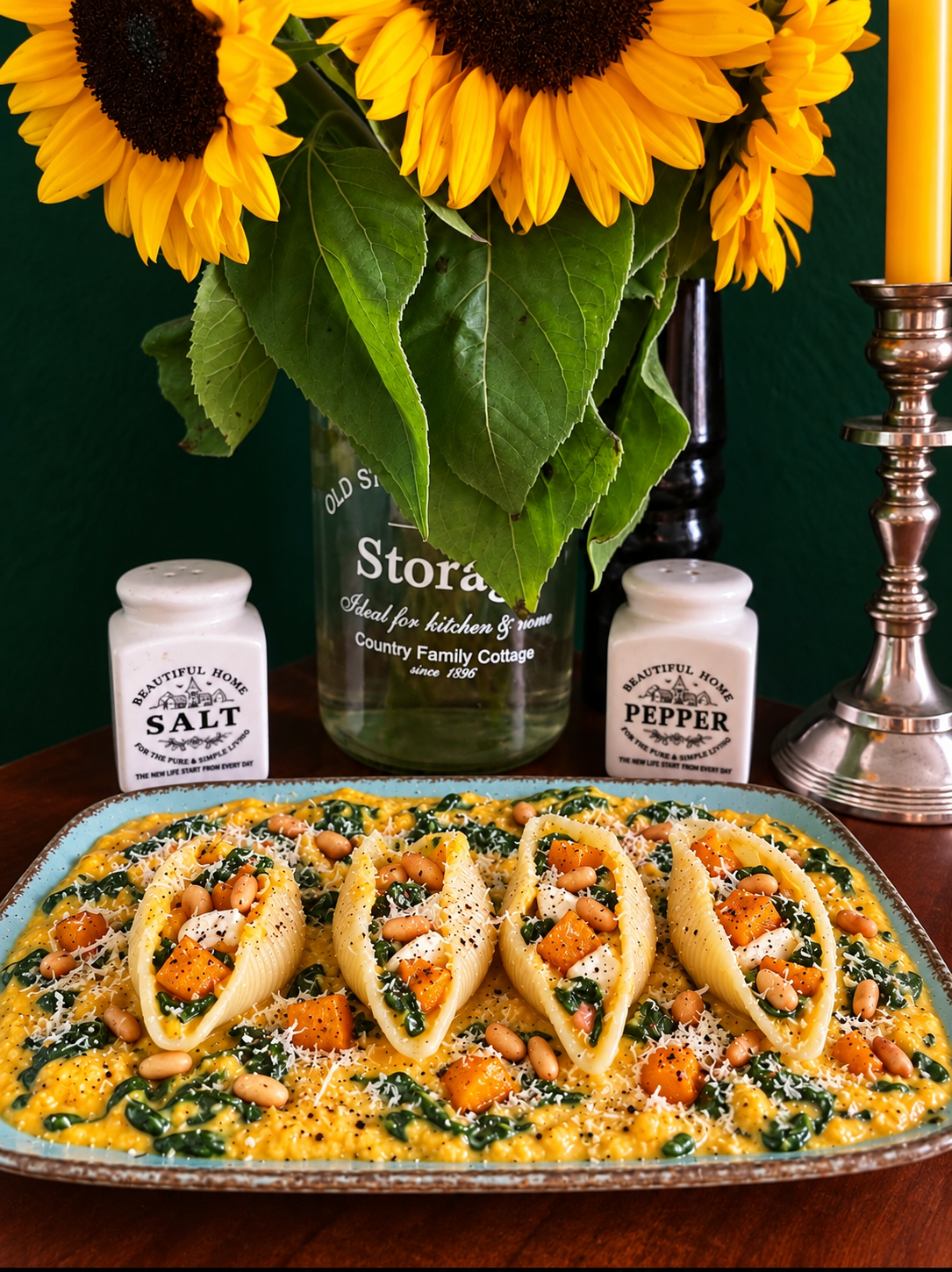
South Africa – A Country of Diverse Culinary InfluencesSouth Africa is a country with an exceptionally diverse food culture shaped by Indigenous African traditions and influences from Europe, Asia and other parts of the world. Its cuisine includes everything from maize-based dishes and vegetable stews to curries, grilled foods and contemporary fusion cooking. Butternut squash is a familiar ingredient in South African home kitchens, appearing in soups, roasted vegetable dishes, salads and comforting family meals. Modern South African food magazines also celebrate creative combinations of seasonal vegetables and international cooking techniques, reflecting the country's evolving culinary landscape.
What Are Butternut & Spinach Stuffed Conchiglioni?This dish is inspired by the recipe “Pasta served with butternut, spinach and lemon sauce” from the South African food magazine Food & Home. Rather than presenting it as a traditional South African national dish, my Via Veggie Vegan version celebrates a contemporary South African-inspired flavor combination. I transformed the original concept into stuffed Italian conchiglioni, combining roasted butternut squash with spinach, garlic, vegan sour cream, oat cream, nutritional yeast, vegan mozzarella and freshly grated nutmeg. Lemon and orange zest bring a fresh citrus aroma, while toasted pine nuts and vegan Parmesan add the finishing touches. The result is a colorful meeting of South African inspiration, Italian pasta and entirely plant-based creativity.
From my kitchen to your plate.
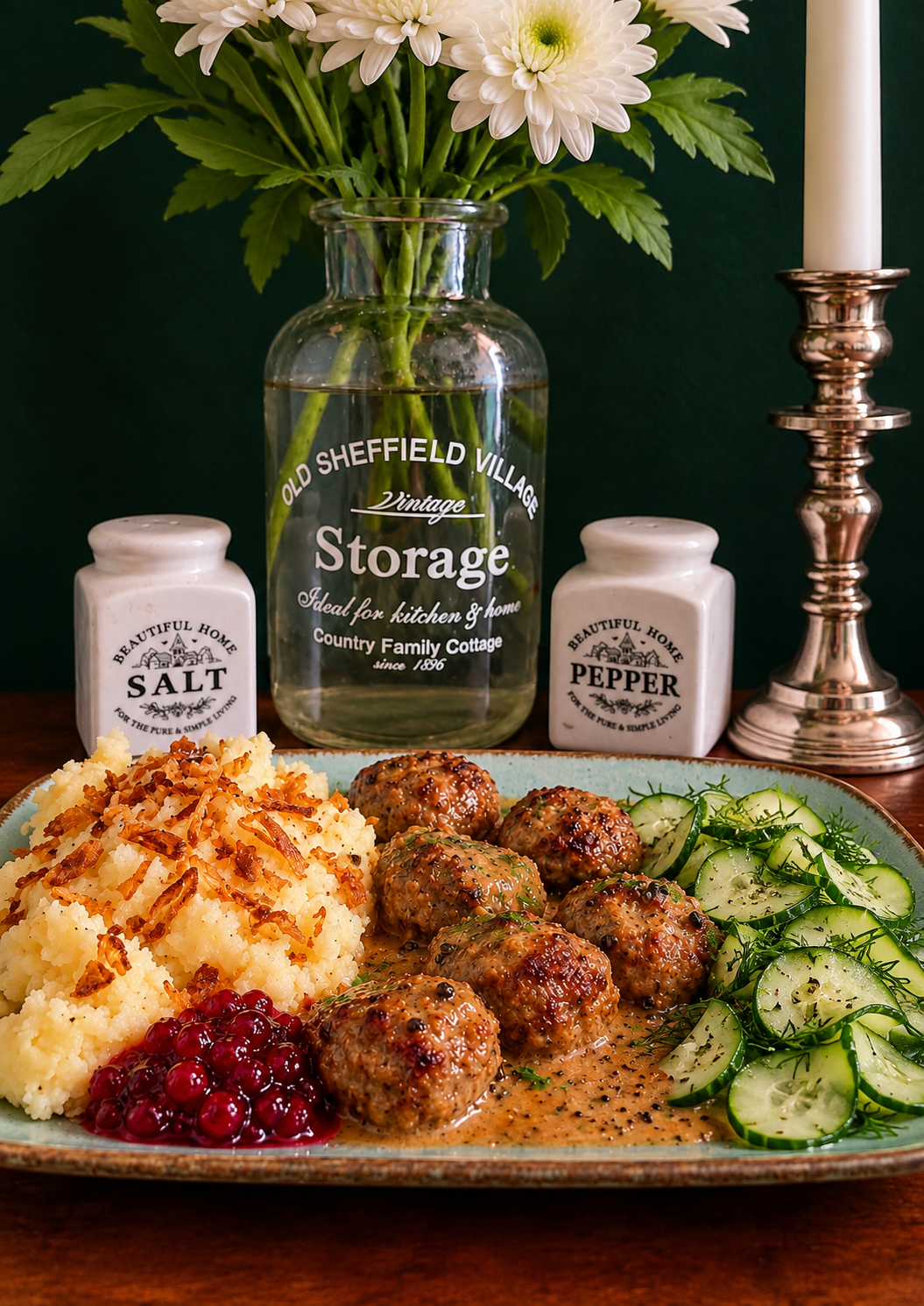
Sweden – Scandinavian Comfort Food and Culinary TraditionsSwedish cuisine is deeply influenced by the country's northern climate, agricultural heritage and long-standing traditions of home cooking. Potatoes, root vegetables, berries, fresh herbs and preserved ingredients have played an important role in everyday meals for generations. Swedish food culture is particularly known for its comforting dishes, balanced flavours and the tradition of husmanskost – simple, hearty home-style cooking. From cosy family kitchens to traditional restaurants, these dishes reflect Sweden's appreciation for satisfying meals made from familiar ingredients.
Köttbullar – Sweden's Famous MeatballsKöttbullar are among Sweden's most internationally recognised dishes. Traditionally made with minced meat, breadcrumbs, onion, milk or cream and warming spices, Swedish meatballs are commonly served with creamy gravy, mashed potatoes, lingonberry jam and sometimes pickled cucumber. Allspice is a particularly characteristic seasoning in many traditional recipes. This Via Veggie Vegan interpretation replaces the meat and dairy products with plant-based alternatives while preserving the essential flavours and classic accompaniments. Homemade vegan meatballs, rich gravy, fluffy potatoes, sweet-tart lingonberries and fresh dill cucumber salad create a completely plant-based version of this beloved Swedish comfort food.
From my kitchen to your plate.
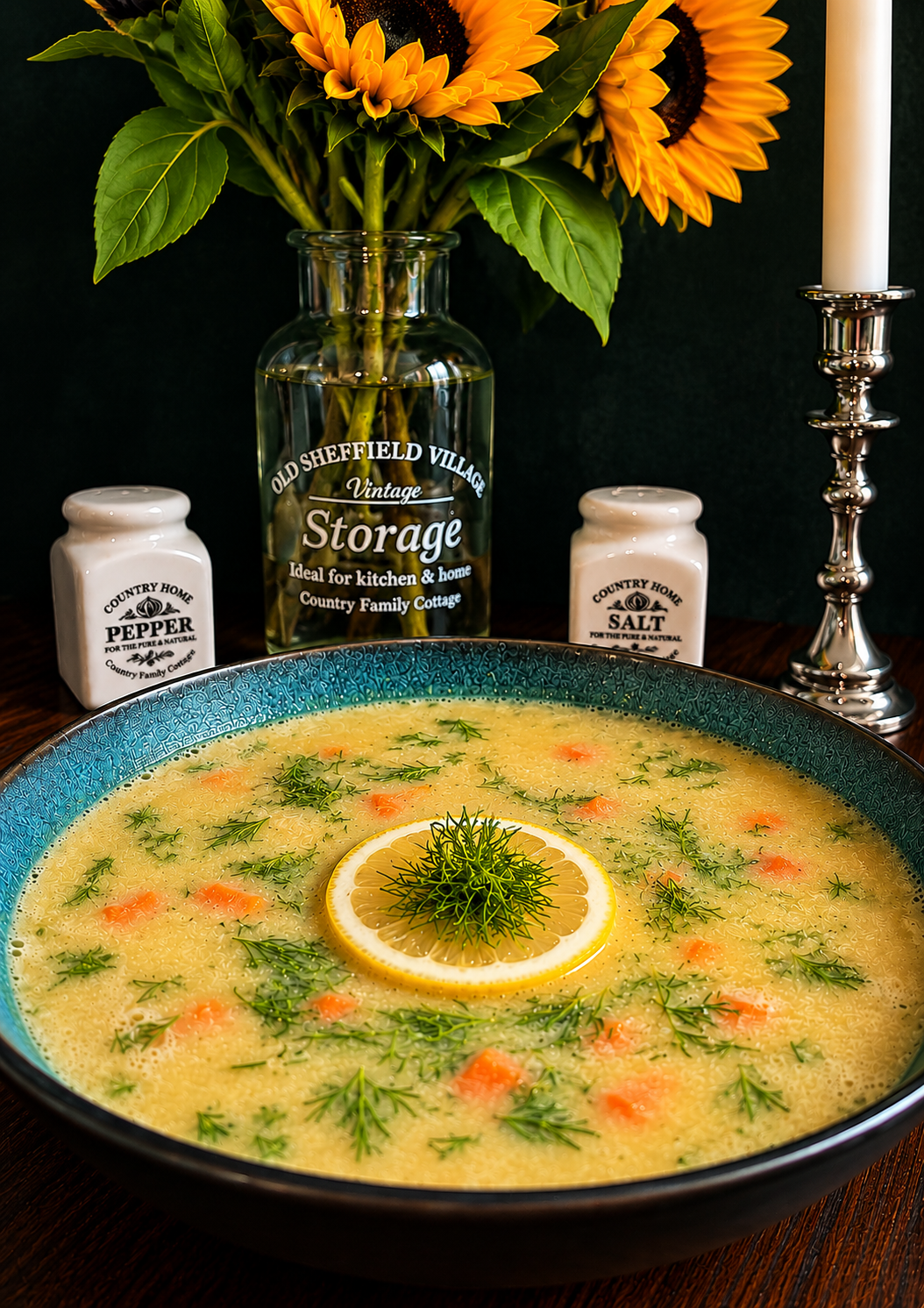
Greece – A Mediterranean Tradition of Fresh, Simple IngredientsGreek cuisine is deeply rooted in the Mediterranean way of eating, with olive oil, vegetables, legumes, herbs and citrus fruits playing central roles. From the sun-soaked islands to the mountainous mainland, traditional Greek cooking celebrates seasonal ingredients and straightforward preparation. Chickpeas have been part of the region's food culture since ancient times and remain an important ingredient in many everyday dishes, from hearty stews to nourishing soups.
Greek Chickpea Lemon Soup – A Fresh Plant-Based InterpretationChickpea soups have a long tradition in Greece, where dishes such as revithosoupa are commonly prepared with chickpeas, olive oil, onions and lemon. This modern, plant-based interpretation combines the creamy texture of blended chickpeas with fresh lemon, carrots, oat cream and aromatic dill. The result is a comforting soup that captures the spirit of Mediterranean cooking while adding a few contemporary touches. Its balance of earthy legumes, bright citrus and fresh herbs makes it both satisfying and refreshing.
From my kitchen to your plate.
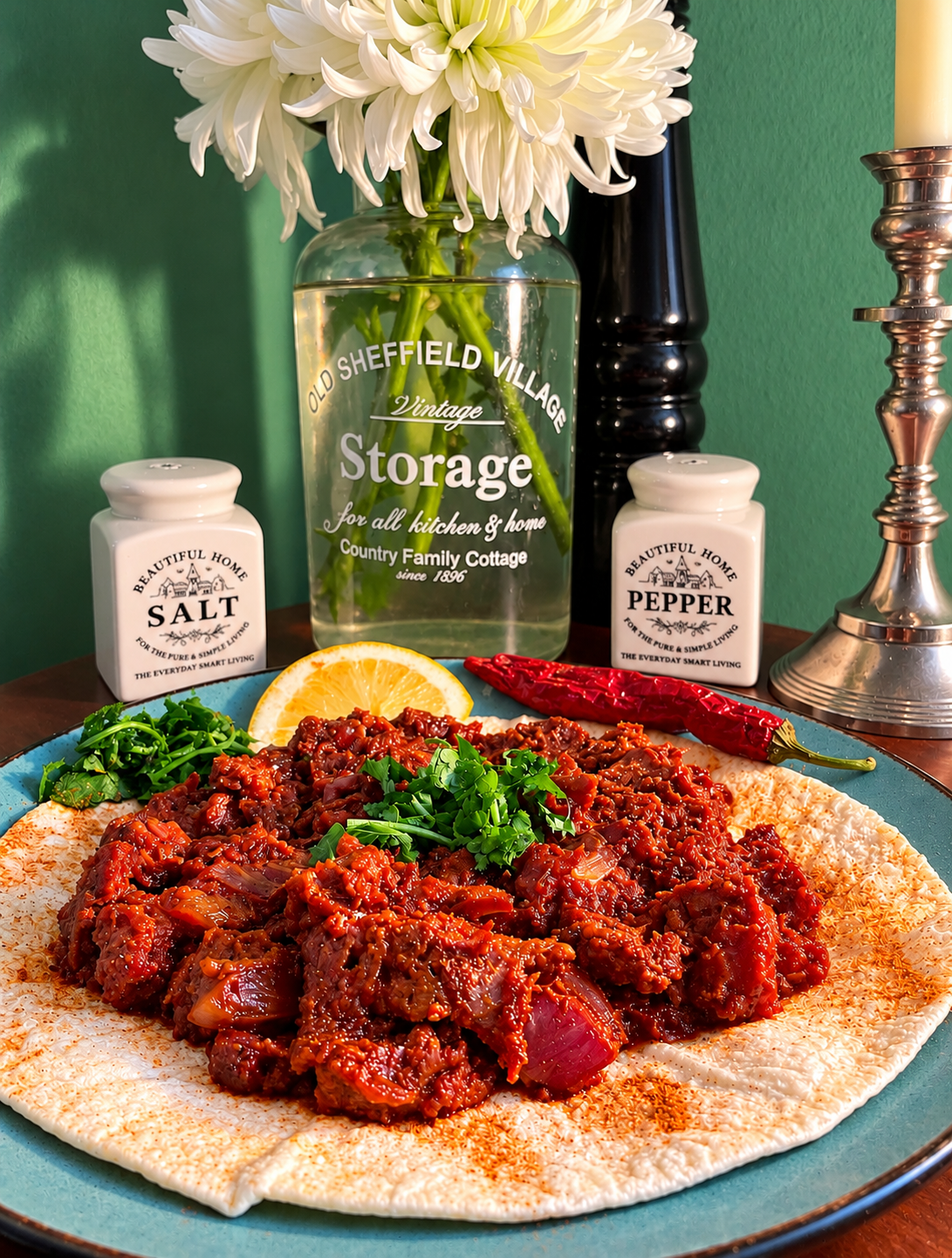
Eritrea – A Culinary Heritage of Spices and Shared TraditionsLocated in the Horn of Africa along the Red Sea, Eritrea has a diverse culinary heritage shaped by regional traditions, agriculture and centuries of cultural exchange. Aromatic spices, lentils, vegetables and richly flavoured stews play an important role in Eritrean cooking. Many traditional dishes are served with Injera, a soft, fermented flatbread that forms the foundation of a shared meal. Berbere, a distinctive chilli-based spice blend, is one of the country's most characteristic seasonings.
Zigni – Eritrea's Rich and Spicy Traditional StewZigni is one of Eritrea's best-known traditional dishes, typically prepared with beef simmered in a deeply flavoured tomato and onion sauce seasoned with Berbere. The generous quantity of slowly cooked onions creates natural sweetness and richness, while the spice mixture adds warmth, heat and complexity. My Via Veggie Vegan version replaces beef with plant-based steak strips and traditional spiced butter with vegan butter. Fresh tomatoes, homemade Berbere-inspired spices, plum syrup and a small piece of dark chocolate give the sauce its own deliciously intense character.
From my kitchen to your plate.
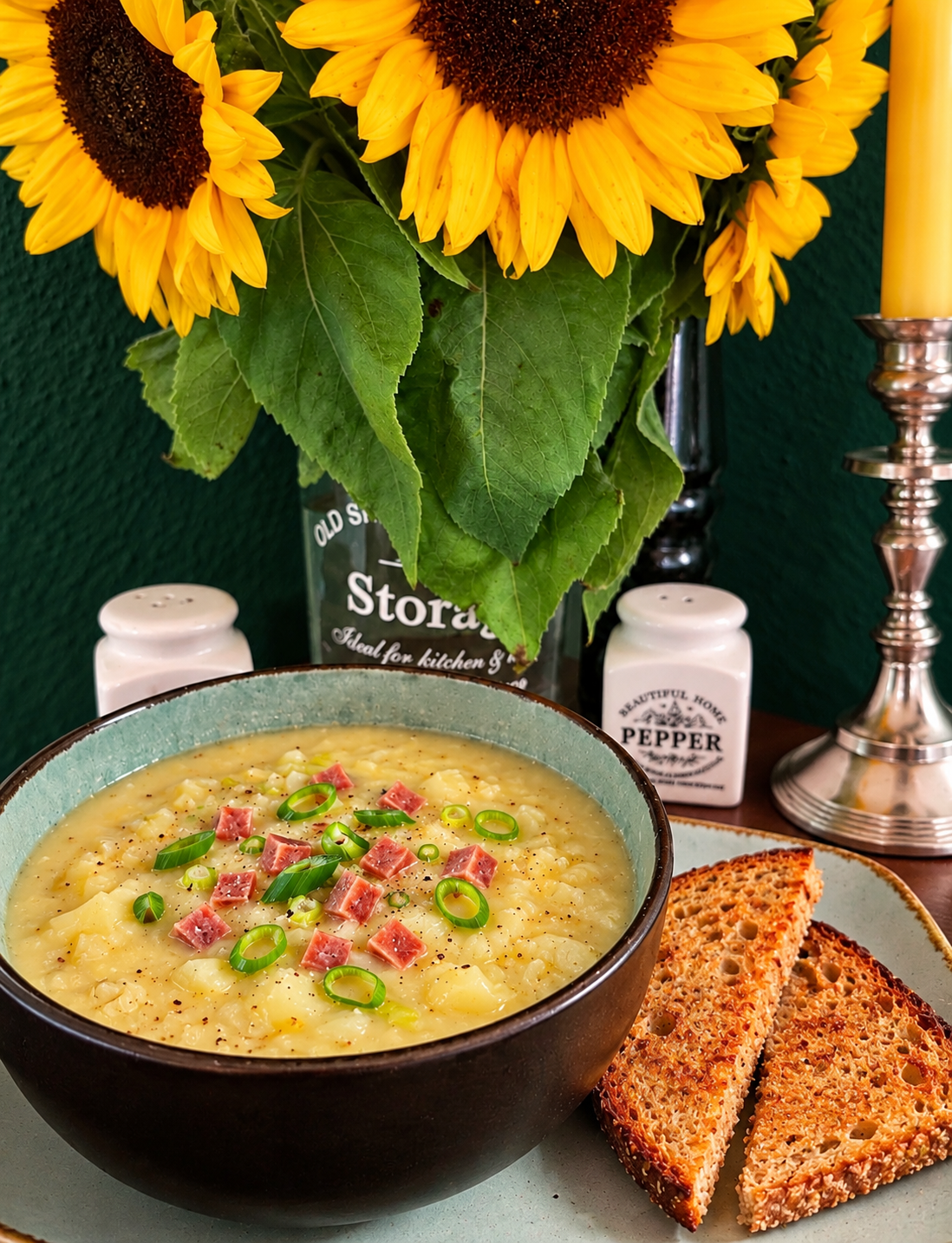
Norway – Nordic Simplicity and Seasonal Comfort FoodNorwegian cuisine is deeply influenced by the country's northern climate, agricultural traditions and appreciation for simple, nourishing ingredients. Root vegetables, potatoes, cabbage and other cool-weather crops have long been important in everyday home cooking. Warming soups are especially popular during the colder months, when hearty, practical dishes bring comfort to the table. Norwegian cooking often allows the natural flavours of its ingredients to shine without overwhelming them with complicated seasonings.
Blomkålsuppe – Norway's Creamy Cauliflower SoupBlomkålsuppe literally means cauliflower soup and is a familiar favourite in Norwegian home kitchens. Traditionally prepared with cauliflower, broth, milk or cream and a delicate touch of nutmeg, it is often served with tender cauliflower florets and savoury toppings such as crispy bacon or ham. My Via Veggie Vegan interpretation replaces dairy milk, cream and butter with oat drink, soy cream and vegan butter, while crispy plant-based ham cubes and fresh spring onions provide a delicious finishing touch.
From my kitchen to your plate.
The Netherlands – A Country of Hearty, Practical Home CookingDutch cuisine has traditionally made excellent use of affordable, locally grown vegetables, especially potatoes, leeks, carrots, onions and cabbage. The Netherlands has a long agricultural history, and simple, nourishing dishes have been part of everyday family cooking for generations. From hearty stamppot to warming vegetable soups, Dutch comfort food is all about making the most of seasonal ingredients and transforming them into satisfying meals.
Aardappel-preisoep – Traditional Dutch Potato Leek SoupAardappel-preisoep literally translates to potato leek soup. This familiar Dutch home-style dish combines potatoes and leeks in a warming, gently flavoured soup. Some versions are blended until completely smooth, while others retain chunks of vegetables for a more rustic consistency. My Via Veggie Vegan interpretation combines both textures and adds plant-based cooking cream, nutritional yeast, crispy vegan bacon and a spoonful of vegan sour cream for an extra comforting finish.

From my kitchen to your plate.
Slovenia – Alpine Traditions and Hearty Home CookingNestled between the Alps, the Mediterranean and the Pannonian Plain, Slovenia has a wonderfully diverse culinary heritage shaped by its neighbouring countries and regional farming traditions. Bread, potatoes, cabbage, herbs and seasonal vegetables feature prominently in Slovenian home cooking. Dumplings, known as cmoki, are particularly popular in Central European-inspired dishes, reflecting a tradition of turning simple, affordable ingredients into comforting family meals.
Kruhovi Cmoki – Slovenia's Traditional Bread DumplingsKruhovi cmoki are Slovenian bread dumplings traditionally prepared with stale bread, milk, onions, herbs and eggs. They are closely related to bread dumplings found throughout the Alpine and Central European regions. Their soft, rustic texture makes them ideal for soaking up rich sauces and gravies. My vegan interpretation replaces the traditional egg and dairy ingredients with plant-based alternatives and serves the dumplings with Čebulna Omaka, a deeply savoury onion gravy enriched with tomato paste and beetroot juice.
From my kitchen to your plate.
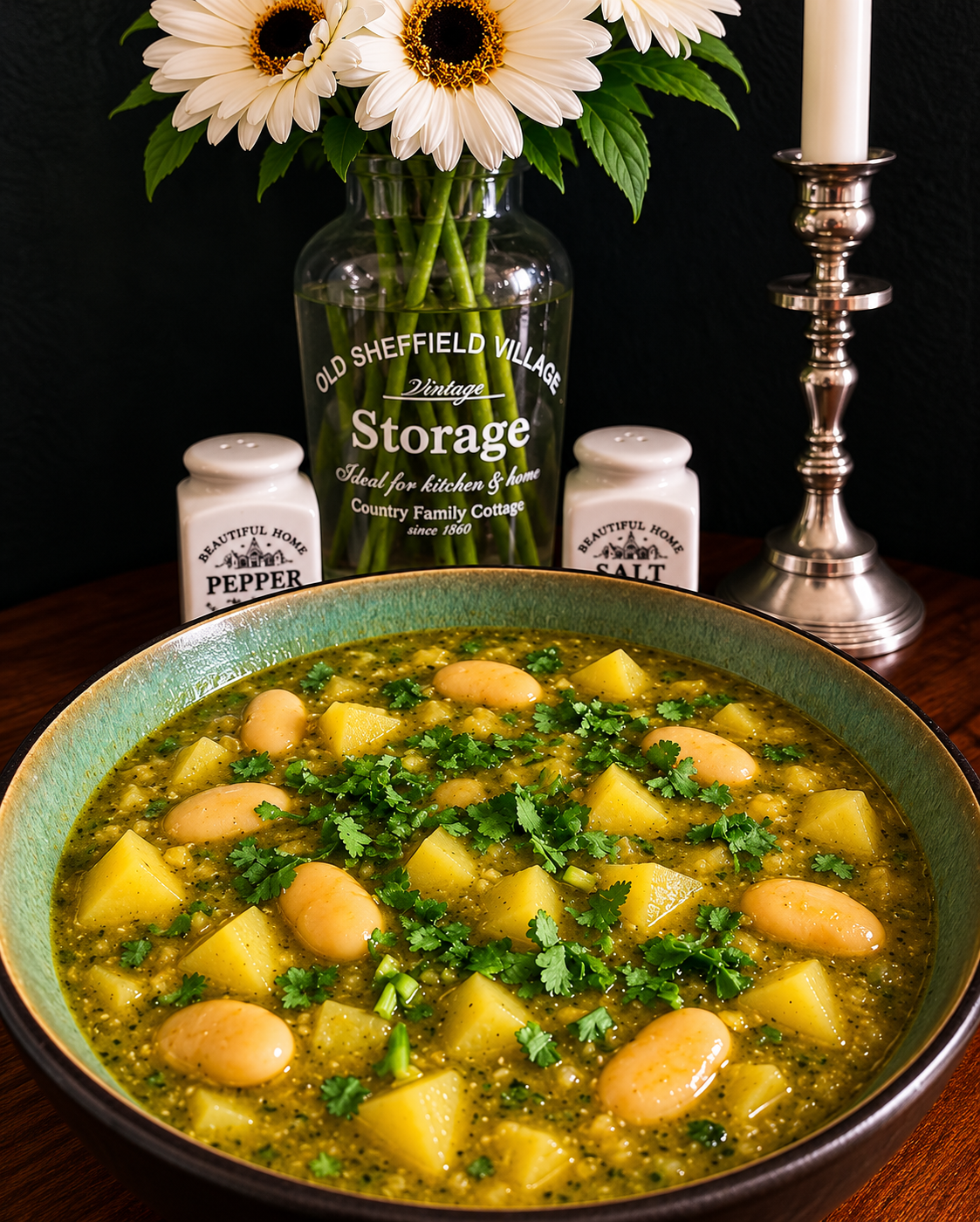
Peru – A Culinary Treasure of the Andes and Pacific CoastPeruvian cuisine is one of South America's most diverse culinary traditions, shaped by the country's Andean heritage, Pacific coastline, Amazonian biodiversity and centuries of cultural exchange. Potatoes, corn, beans, quinoa and countless varieties of chili peppers have been essential ingredients for generations. Peru is particularly famous for its extraordinary potato diversity and its distinctive ají peppers, which give many traditional dishes their characteristic flavour, colour and heat.
What Is Seco de Frijoles y Papas?Seco is a traditional herb-rich stew enjoyed in Peru and Ecuador, commonly prepared with meat and flavoured with fresh coriander, onions, garlic and chili peppers. Despite its name, which literally means "dry", seco is known for its generous, aromatic sauce. My Via Veggie Vegan interpretation replaces the meat with creamy white giant beans, tender potatoes and green peas. Homemade yellow chili paste, fresh coriander and a splash of alcohol-free lager create a wonderfully fragrant base, while plant-based cream and nutritional yeast add a personal creamy twist. Served without the traditional white rice, this is a hearty, colourful and entirely plant-based interpretation of a Peruvian classic.
From my kitchen to your plate.
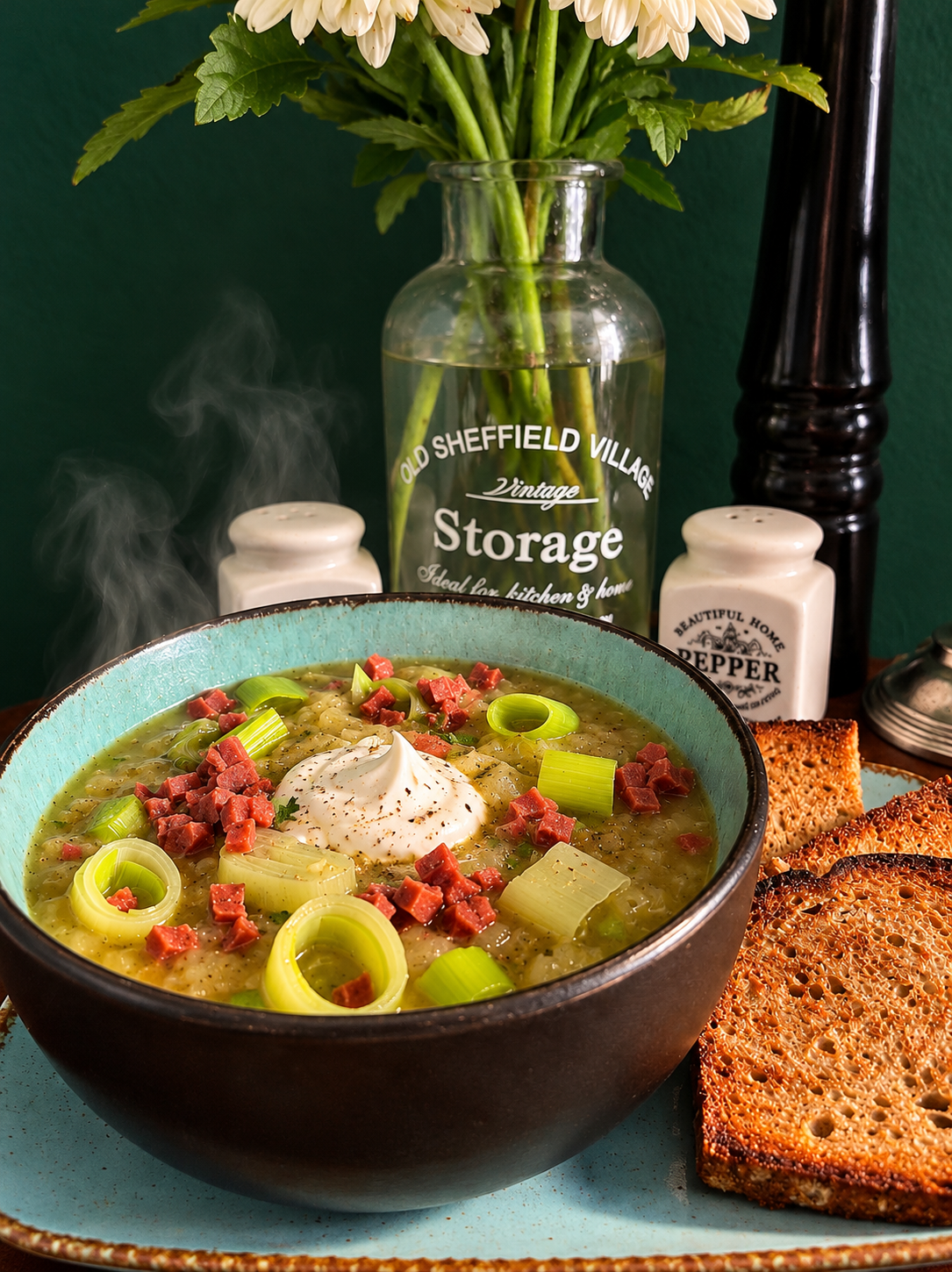
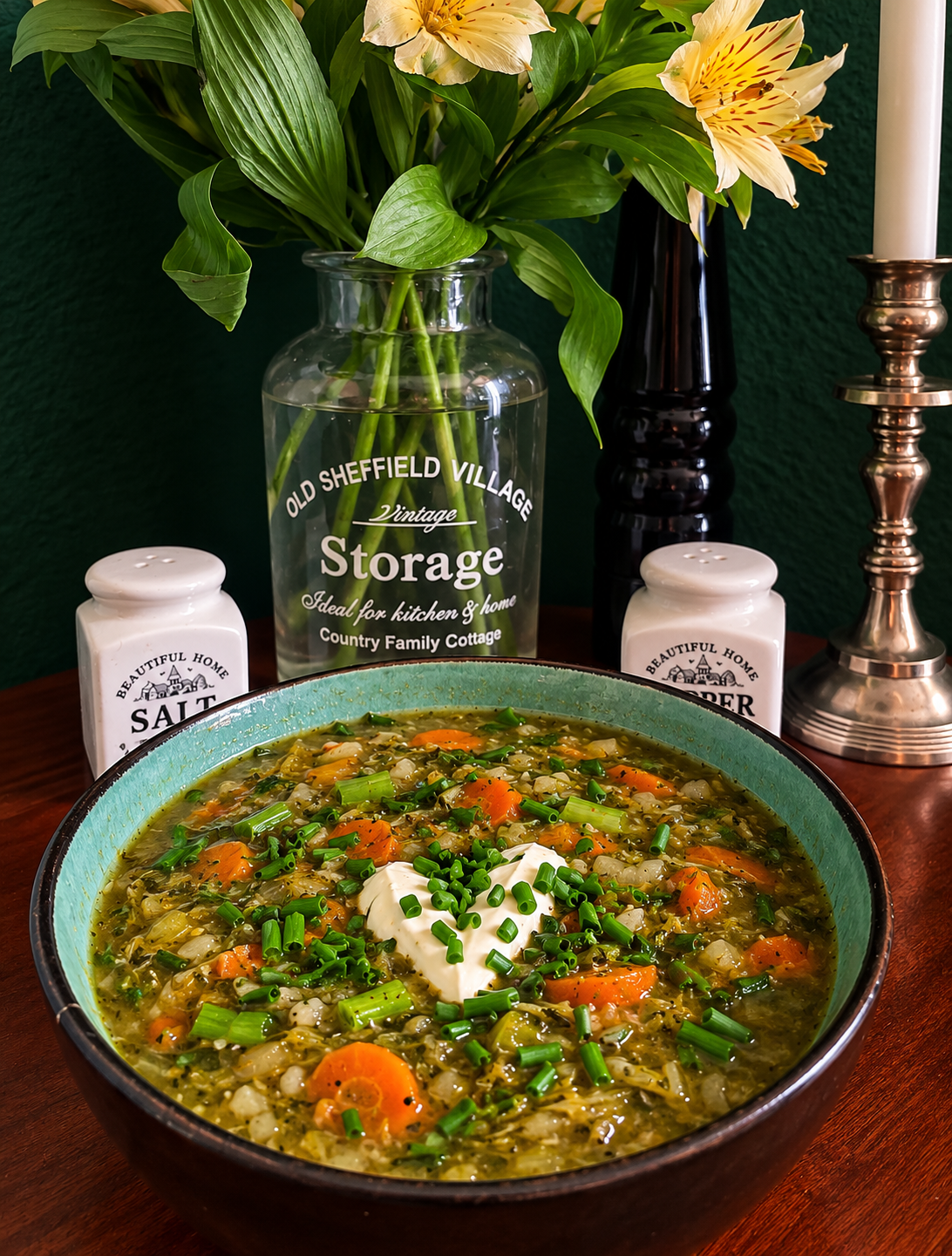
Romania – A Country of Hearty Soups and Culinary TraditionsRomanian cuisine is shaped by regional traditions, seasonal vegetables and influences from the Balkans, Central Europe and the Ottoman world. Soups are an important part of everyday food culture, particularly ciorbă, a family of soups known for their pleasantly tangy flavour. Fresh herbs such as lovage and parsley, root vegetables and homemade vegetable broths give these dishes their distinctive character. Orthodox Christian fasting traditions have also influenced Romanian cooking, inspiring a rich variety of naturally plant-based dishes.
What Is Ciorbă de Praz de Post?Ciorbă de praz de post is a Romanian fasting-style leek soup. The word "praz" means leek, while "de post" indicates a dish prepared according to religious fasting traditions, generally without meat, dairy products or eggs. Traditional versions combine tender leeks, root vegetables, vegetable broth and fresh herbs, often finished with a pleasantly sour note. My Via Veggie Vegan version uses lemon juice, a little plant-based sour cream for creaminess and fresh chives for a colourful finish. The soup is entirely plant-based and inspired by Romania's tradition of simple, nourishing fasting dishes.
From my kitchen to your plate.
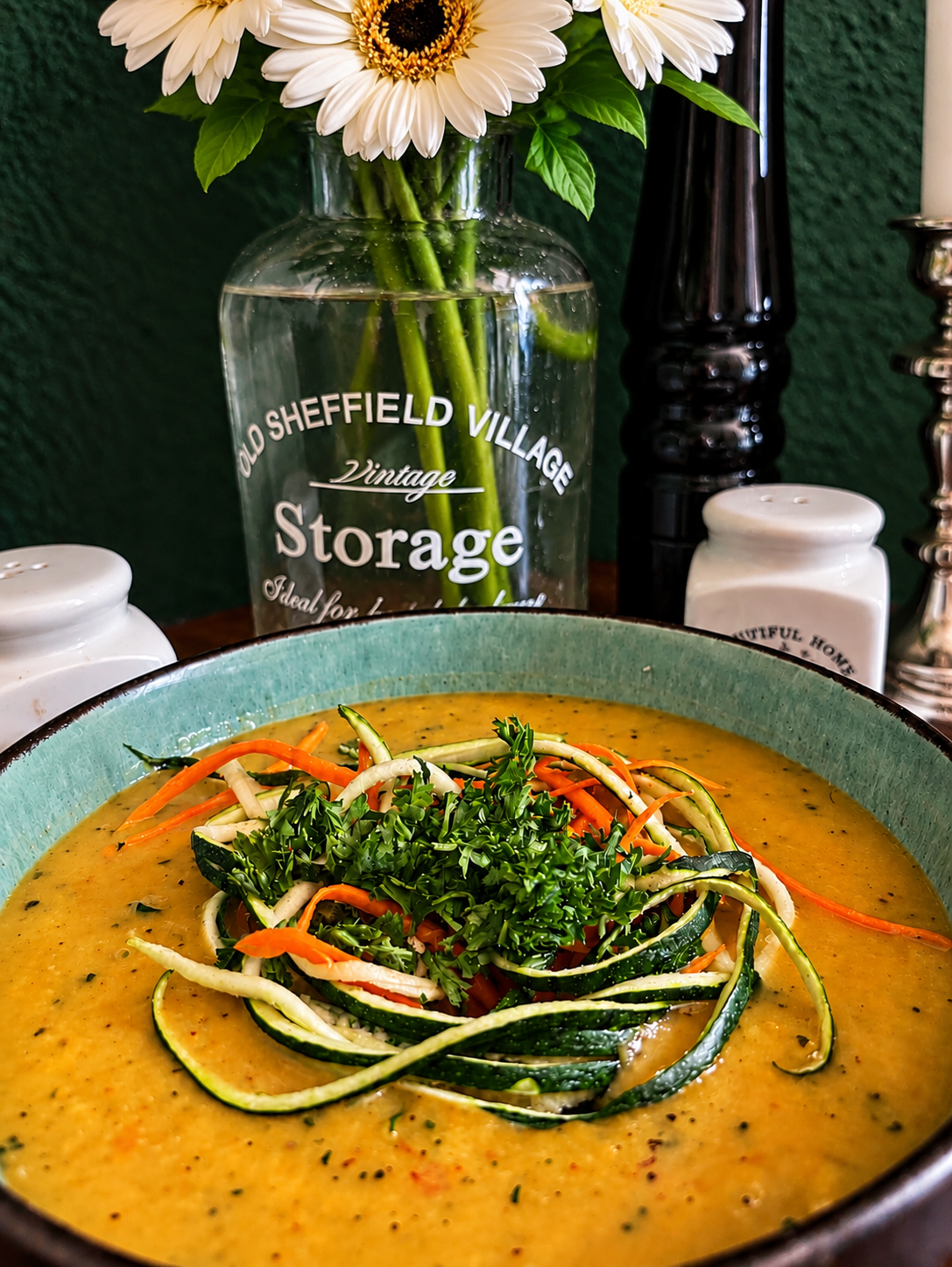
Serbia – A Country of Hearty Balkan CookingSerbian cuisine reflects centuries of Balkan culinary traditions, combining influences from Central Europe, the Ottoman Empire and neighboring southeastern European countries. Hearty soups, slow-cooked stews, seasonal vegetables, aromatic paprika and fresh herbs are important elements of Serbian home cooking. Traditional meals often celebrate simple, affordable ingredients transformed into satisfying dishes, with warm soups playing a particularly important role during the colder months.
Čorba sa Tikvicama i Šargarepom – Zucchini & Carrot SoupČorba is a Serbian term commonly used for a hearty soup, often with vegetables, meat or other substantial ingredients. Čorba sa tikvicama i šargarepom simply means soup with zucchini and carrots. Rather than representing one strictly standardized national recipe, this dish reflects the tradition of preparing comforting vegetable soups with seasonal produce. My Via Veggie Vegan interpretation combines zucchini, carrots, potatoes, garlic, paprika and marjoram with a creamy soy-based finish. A portion of the soup is blended to create a velvety consistency while preserving some of the vegetables' natural texture. Fresh parsley, delicate vegetable ribbons and an optional touch of chili bring this rustic Balkan-inspired soup to life.
From my kitchen to your plate.
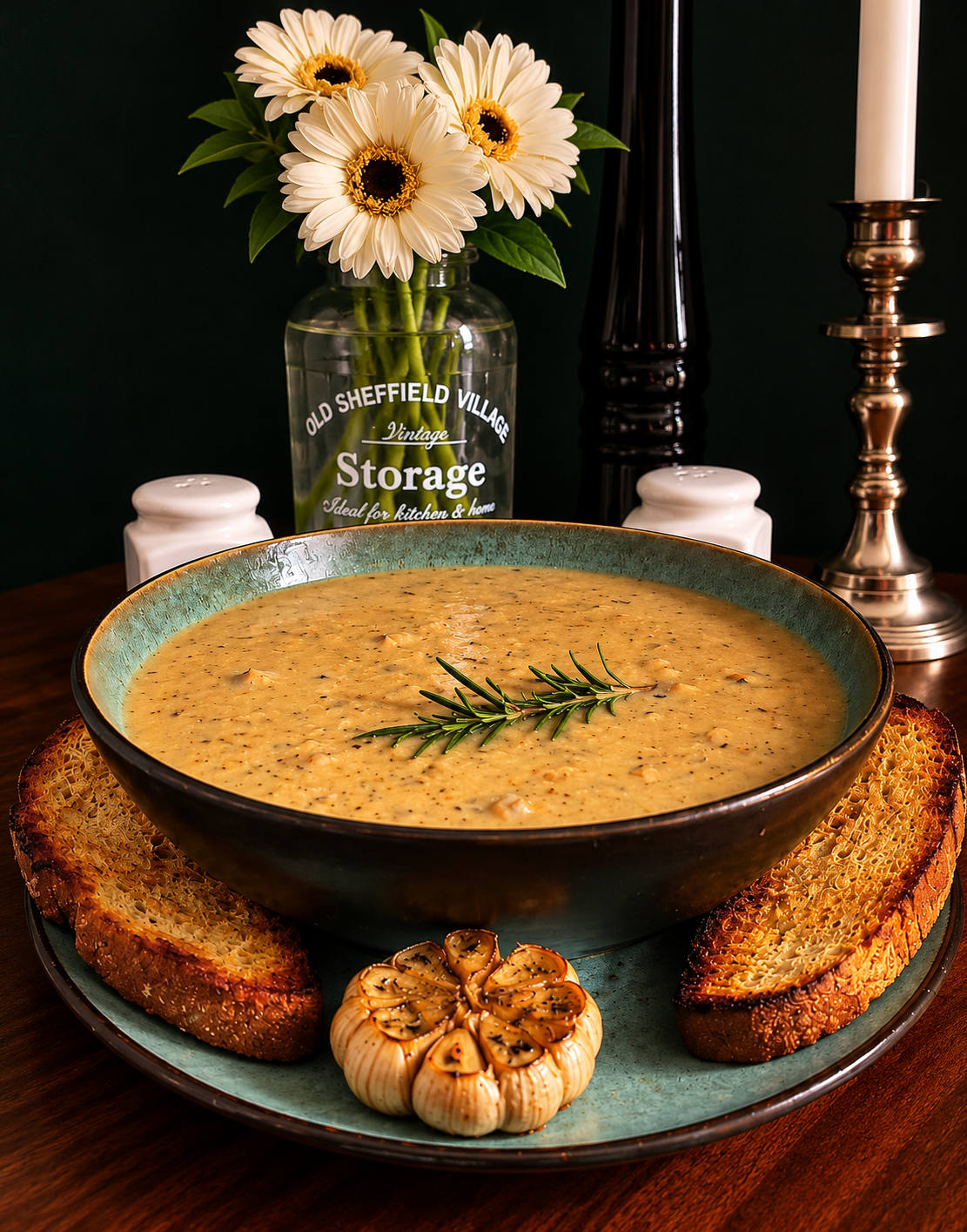
Spain – A Country of Regional Culinary TraditionsSpanish cuisine is shaped by remarkable regional diversity, from the seafood traditions of the Mediterranean coast to the hearty stews and rustic dishes of the country's interior. Olive oil, garlic, bread, legumes, vegetables and aromatic spices form the foundation of countless traditional recipes. In Castile, where winters can be cold and rural cooking has historically relied on affordable ingredients, warming soups and bread-based dishes have long played an important role in everyday food culture.
Sopa de Ajo – The Traditional Spanish Garlic SoupSopa de Ajo, also known as Sopa Castellana, is a traditional garlic soup particularly associated with Castile. Originally a humble rural dish, it was prepared using stale bread, garlic, olive oil, paprika and water or broth. Many traditional versions include eggs, while others contain ham or other meat products. My Via Veggie Vegan interpretation replaces the meat with vegan bacon and leaves out the eggs. Instead, soy cream, nutritional yeast and a pinch of Kala Namak create a creamy, savory finish with a subtle egg-like note. The result is a warming, aromatic garlic soup that celebrates the comforting character of the Spanish original while being entirely plant-based.
From my kitchen to your plate.
Saint Lucia – A Caribbean Island of Culinary InfluencesSaint Lucia is a beautiful island nation in the eastern Caribbean, known for its volcanic landscapes, tropical climate and rich cultural heritage. Its cuisine reflects African, Indigenous Caribbean, European and South Asian influences, with fresh local produce, aromatic spices, root vegetables and chilies playing important roles. Pumpkin and other varieties of squash are familiar ingredients in Caribbean home cooking, appearing in soups, stews and hearty vegetable dishes. The island's culinary traditions combine comforting ingredients with bold, fragrant flavors.
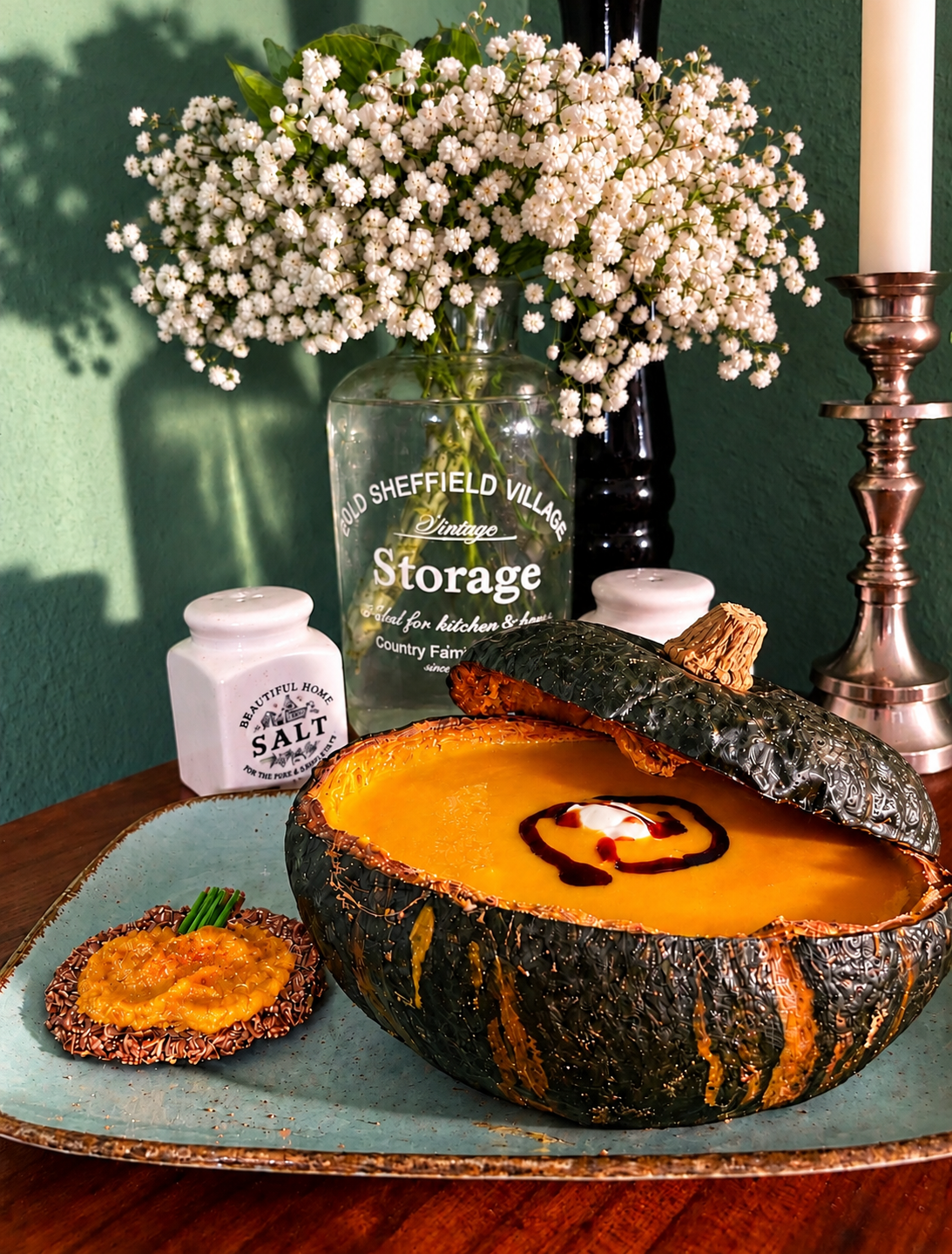
Soupe de Citrouille – A Caribbean-Inspired Pumpkin SoupSoupe de Citrouille translates from French as pumpkin soup, although there is no single definitive Saint Lucian recipe under this name. My Via Veggie Vegan interpretation combines tender pumpkin with garlic, ginger, Caribbean-style curry spices, coconut milk and freshly squeezed orange juice. Instead of serving the soup in ordinary bowls, I hollowed out two small green Hokkaido pumpkins, roasted them with chili oil and transformed them into edible serving bowls. A swirl of vegan sour cream and pumpkin seed oil completes this warming, aromatic and entirely plant-based Caribbean-inspired creation.
From my kitchen to your plate.
Ukraine – A Culinary Heritage of Hospitality and ResilienceUkraine is a country in Eastern Europe with a rich agricultural heritage and a deeply rooted food culture. Fertile farmland, seasonal vegetables, grains and traditional preservation methods have shaped Ukrainian cooking for generations. Beetroot, cabbage, potatoes, carrots, onions and dill are familiar ingredients in many everyday dishes. Soups hold a particularly important place in Ukrainian cuisine, bringing families together around the table. Ukrainian borscht is much more than a recipe: it represents hospitality, family traditions and cultural identity. In 2022, UNESCO inscribed the culture of Ukrainian borscht cooking on its List of Intangible Cultural Heritage in Need of Urgent Safeguarding, recognising the importance of protecting this living culinary tradition.
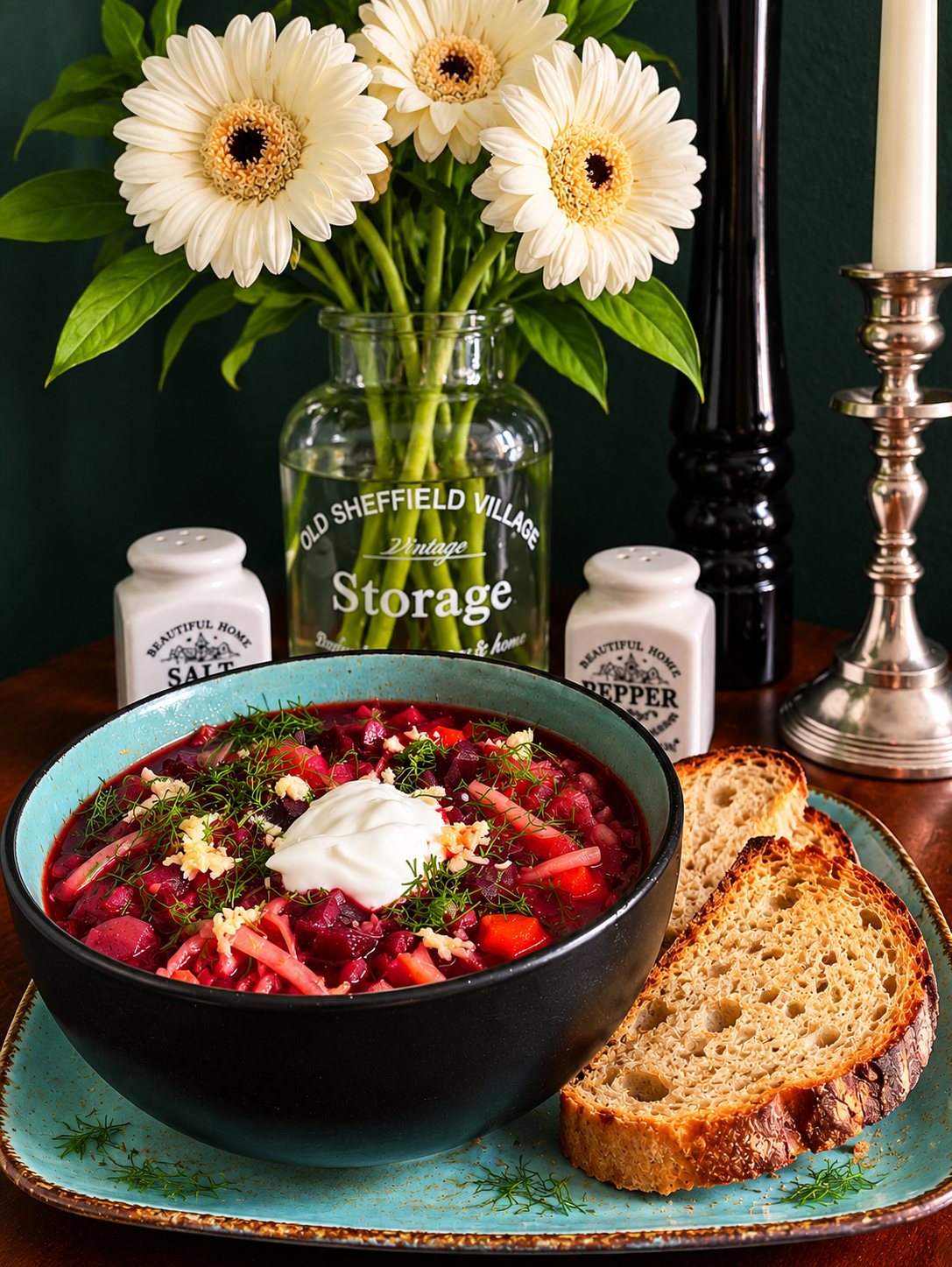
Ukrainian Borscht – A Beloved Beetroot Soup with Many VariationsBorscht is one of Ukraine's best-known traditional dishes. There is no single universal recipe: ingredients and preparation methods vary between regions, families and seasons. Many versions combine beetroot, cabbage, potatoes, carrots, onions and tomatoes in a flavourful broth. Some are prepared with meat, while others are vegetarian or suitable for periods of religious fasting. My Via Veggie Vegan version uses a rich vegetable broth instead of beef stock and finishes the soup with plant-based sour cream, fresh dill and garlic. The beetroot is gently sautéed with tomato paste and lemon juice before being added to the soup, helping to develop its earthy sweetness and beautiful red colour. Served with rustic rye bread, this is a comforting Ukrainian-inspired classic made entirely from plants.
From my kitchen to your plate.
Switzerland – Alpine Comfort Food and Regional Culinary TraditionsSwitzerland is famous for its Alpine landscapes, regional food traditions and long history of cheese-making. Swiss cuisine reflects influences from neighbouring Germany, France, Italy and Austria, while also maintaining its own distinctive regional specialities. In German-speaking Switzerland, hearty dishes made with potatoes, flour, dairy products and cheese have long been associated with everyday home cooking and mountain life. The country's different regions have developed their own culinary identities, making Switzerland a fascinating destination for anyone exploring traditional European comfort food.
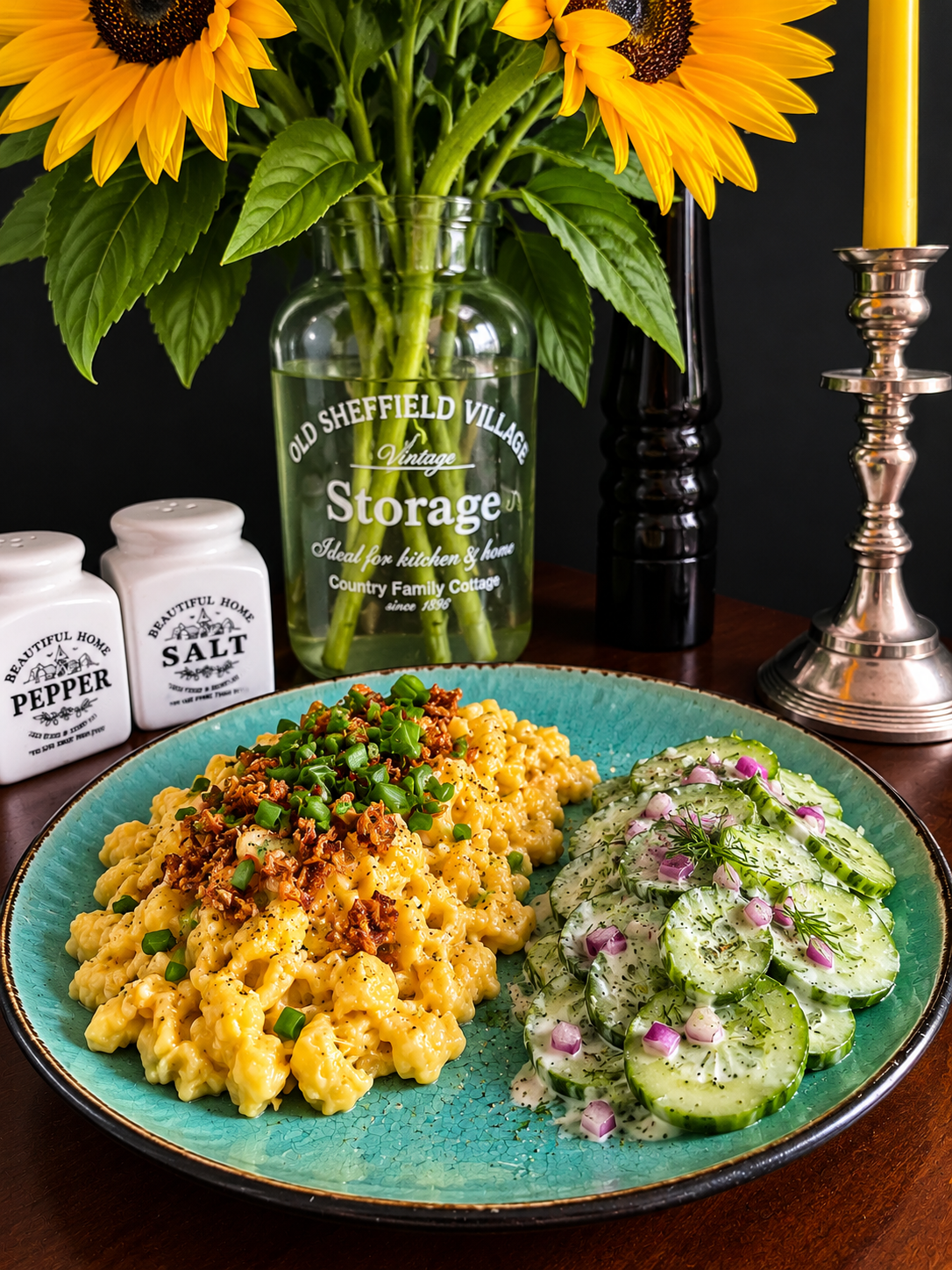
Chäschnöpfli – Switzerland's Beloved Cheese SpätzleSpätzle and Knöpfli belong to the shared culinary heritage of the German-speaking Alpine region, with particularly well-known traditions in southern Germany, Austria and Switzerland. In Switzerland, the small dumpling-like pasta is often called Knöpfli, while versions combined with melted cheese are known as Chäschnöpfli or Käsespätzli. Traditional preparations generally use eggs in the dough and regional cheeses for their rich flavour. My Via Veggie Vegan version replaces the eggs with sparkling mineral water, Kala Namak and turmeric, while plant-based cheddar, almond butter and nutritional yeast create a creamy, savoury finish. A fresh cucumber dill salad provides a colourful contrast to this wonderfully comforting Swiss-inspired dish.
From my kitchen to your plate.
Fiji – A South Pacific Island Nation with a Remarkable Culinary HeritageFiji is an island nation in the South Pacific, consisting of more than 300 islands. Its cuisine reflects Indigenous Fijian traditions alongside Indian and other cultural influences. Root vegetables, tropical fruits, leafy greens and coconut feature in many local food traditions, while Indo-Fijian cuisine is especially known for aromatic vegetable curries, roti, dhal and carefully balanced spice mixtures. Beginning in 1879, Indian indentured labourers were brought to Fiji during the British colonial period. Over generations, their culinary traditions evolved alongside local ingredients and food cultures, creating the distinctive Indo-Fijian cuisine enjoyed today.
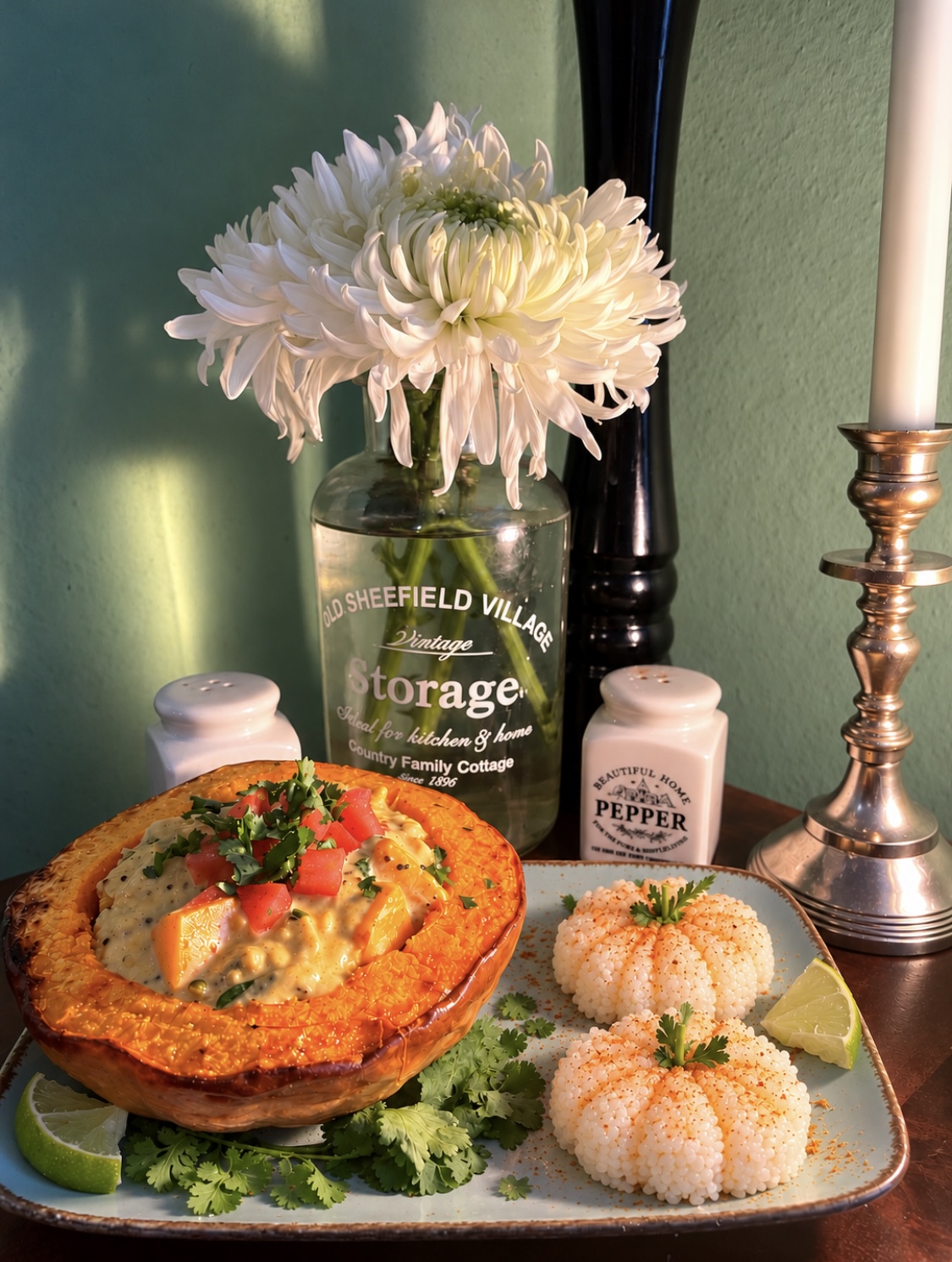
Kaddu Tarkari – Indo-Fijian Pumpkin Curry with a Creative Halloween TwistKaddu means pumpkin or squash in Hindi, while tarkari refers to a vegetable dish or curry. Indo-Fijian pumpkin curry is commonly prepared with pumpkin, onions, garlic, chilli and aromatic spices, often using relatively little liquid. As the pumpkin softens, some of the flesh breaks down and creates a naturally thick texture. My Via Veggie Vegan version takes inspiration from these flavours but introduces a few personal twists: a whole muscat pumpkin roasted with chilli oil, a creamy coconut milk sauce and two decorative pumpkins shaped from leftover basmati rice. The roasted pumpkin becomes both an ingredient and an edible serving vessel. This is a creative Indo-Fijian-inspired interpretation rather than a traditional Fijian presentation.
From my kitchen to your plate.
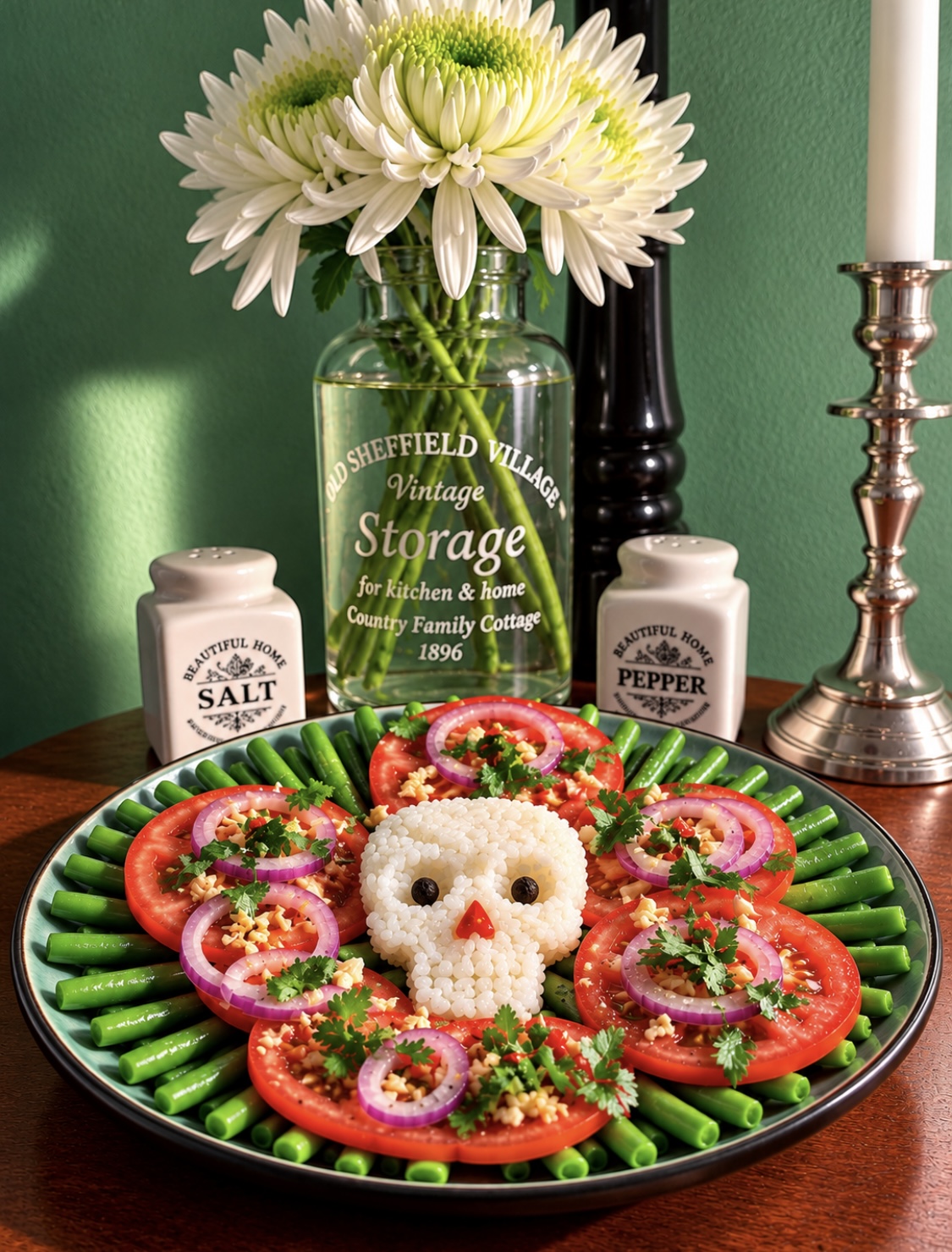
Madagascar – The Island of Extraordinary FlavoursMadagascar, the world's fourth-largest island, lies in the Indian Ocean off the southeastern coast of Africa. Its remarkable culinary heritage reflects African, Asian and European influences, shaped by centuries of migration, trade and local traditions. Rice is central to everyday Malagasy food culture and is commonly served with vegetables, legumes, sauces or meat. Fresh ingredients, ginger, garlic, chilli and aromatic herbs contribute to the distinctive flavours of the island's cuisine.
Lasary Voatabia – Madagascar's Refreshing Tomato SaladLasary Voatabia is a traditional Malagasy tomato salad, typically prepared with fresh tomatoes, onions and a tangy dressing. Depending on the household and region, ginger, lime juice, vinegar, chilli and herbs may be added. The salad is commonly served as a refreshing accompaniment to rice and other savoury dishes. My Via Veggie Vegan interpretation combines the traditional tomato salad with tender French green beans and fresh coriander. A handmade Halloween skull shaped from sticky white rice adds a playful seasonal twist while celebrating rice's important place in Malagasy food culture.
