From my kitchen to your plate.
Bosnia & Herzegovina – A Country of Rich Balkan Food TraditionsBosnia & Herzegovina lies in southeastern Europe on the Balkan Peninsula. Its cuisine reflects a long history of cultural exchange, including Ottoman, Central European and Mediterranean influences. Traditional home cooking often features vegetables, grains, legumes, aromatic seasonings and slow-cooked dishes. Stuffed vegetables are particularly characteristic of the region, with peppers, cabbage leaves, onions and zucchini frequently used as edible containers for savory fillings. These dishes are closely associated with family kitchens, hospitality and comforting meals shared around the table.
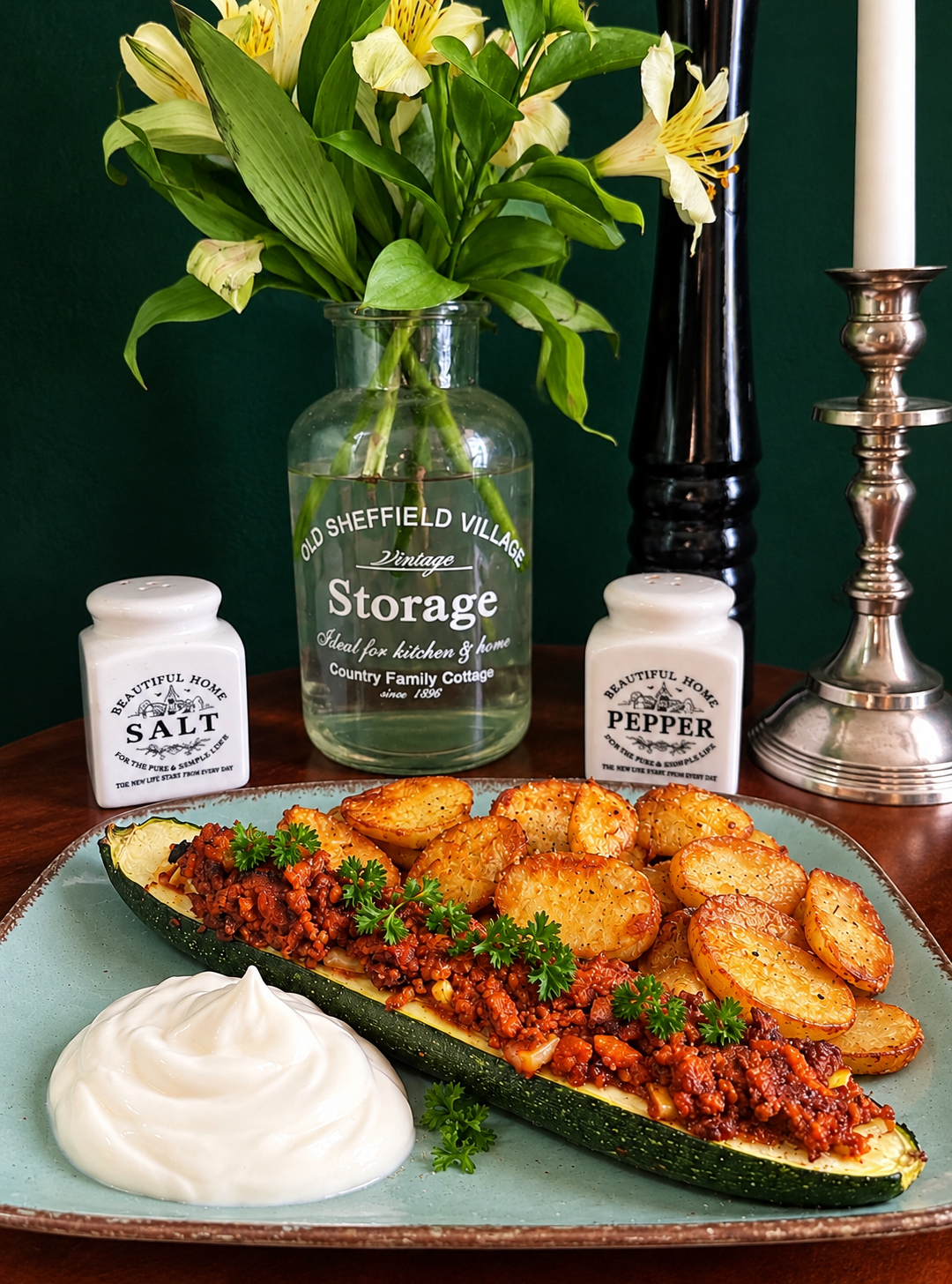
What Are Punjene Tikvice or Dolma od Tikvica?Punjene Tikvice literally means stuffed zucchini, while Dolma od Tikvica refers to zucchini prepared in the wider tradition of stuffed vegetables known as dolma. Bosnian versions are commonly filled with minced meat, rice, onion and spices, then gently cooked in a tomato-based sauce. Some preparations use thick, hollowed-out zucchini cylinders, while others use zucchini halves or boats. My Via Veggie Vegan version follows the latter approach: the zucchini are halved lengthwise and filled with soy mince instead of beef. The traditional rice is omitted, and crispy oven-roasted potato slices provide a delicious accompaniment. Vegan sour cream replaces the dairy-based topping, creating a completely plant-based interpretation of this comforting Balkan favorite.
From my kitchen to your plate.
Sweden – Scandinavian Comfort Food and Culinary TraditionsSwedish cuisine is deeply influenced by the country's northern climate, agricultural heritage and long-standing traditions of home cooking. Potatoes, root vegetables, berries, fresh herbs and preserved ingredients have played an important role in everyday meals for generations. Swedish food culture is particularly known for its comforting dishes, balanced flavours and the tradition of husmanskost – simple, hearty home-style cooking. From cosy family kitchens to traditional restaurants, these dishes reflect Sweden's appreciation for satisfying meals made from familiar ingredients.
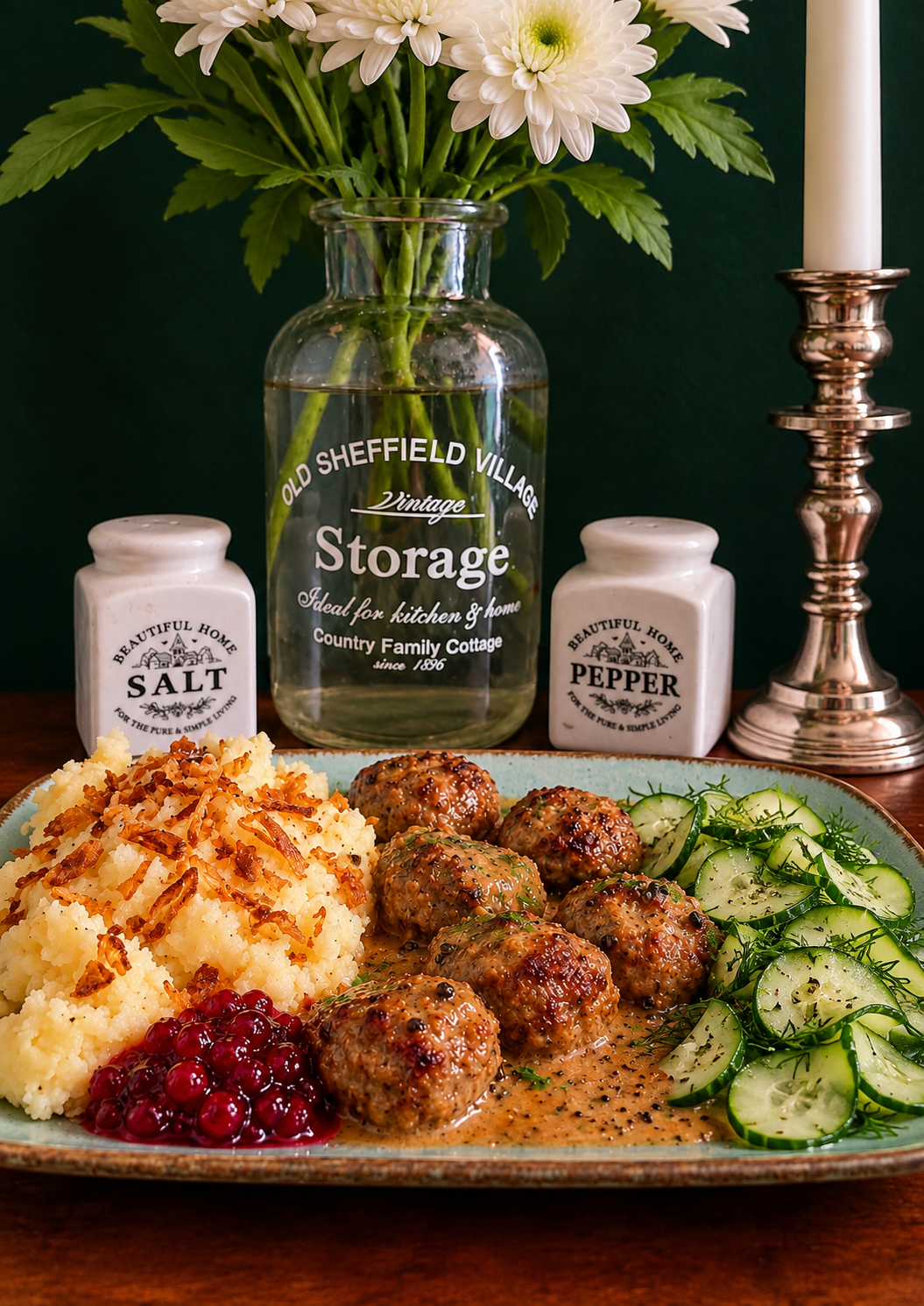
Köttbullar – Sweden's Famous MeatballsKöttbullar are among Sweden's most internationally recognised dishes. Traditionally made with minced meat, breadcrumbs, onion, milk or cream and warming spices, Swedish meatballs are commonly served with creamy gravy, mashed potatoes, lingonberry jam and sometimes pickled cucumber. Allspice is a particularly characteristic seasoning in many traditional recipes. This Via Veggie Vegan interpretation replaces the meat and dairy products with plant-based alternatives while preserving the essential flavours and classic accompaniments. Homemade vegan meatballs, rich gravy, fluffy potatoes, sweet-tart lingonberries and fresh dill cucumber salad create a completely plant-based version of this beloved Swedish comfort food.
From my kitchen to your plate.
Portugal – The Rustic Culinary Heritage of AlentejoPortugal's Alentejo region stretches across the country's sun-drenched south, where rolling plains, olive groves and traditional villages have shaped a cuisine rooted in simplicity and resourcefulness. Bread, olive oil, garlic and fresh coriander are central to many regional dishes. Rather than relying on elaborate ingredients, Alentejan cooking transforms everyday staples into deeply comforting meals. This tradition reflects generations of rural households where wasting food was rarely an option and yesterday's bread was far too valuable to throw away.
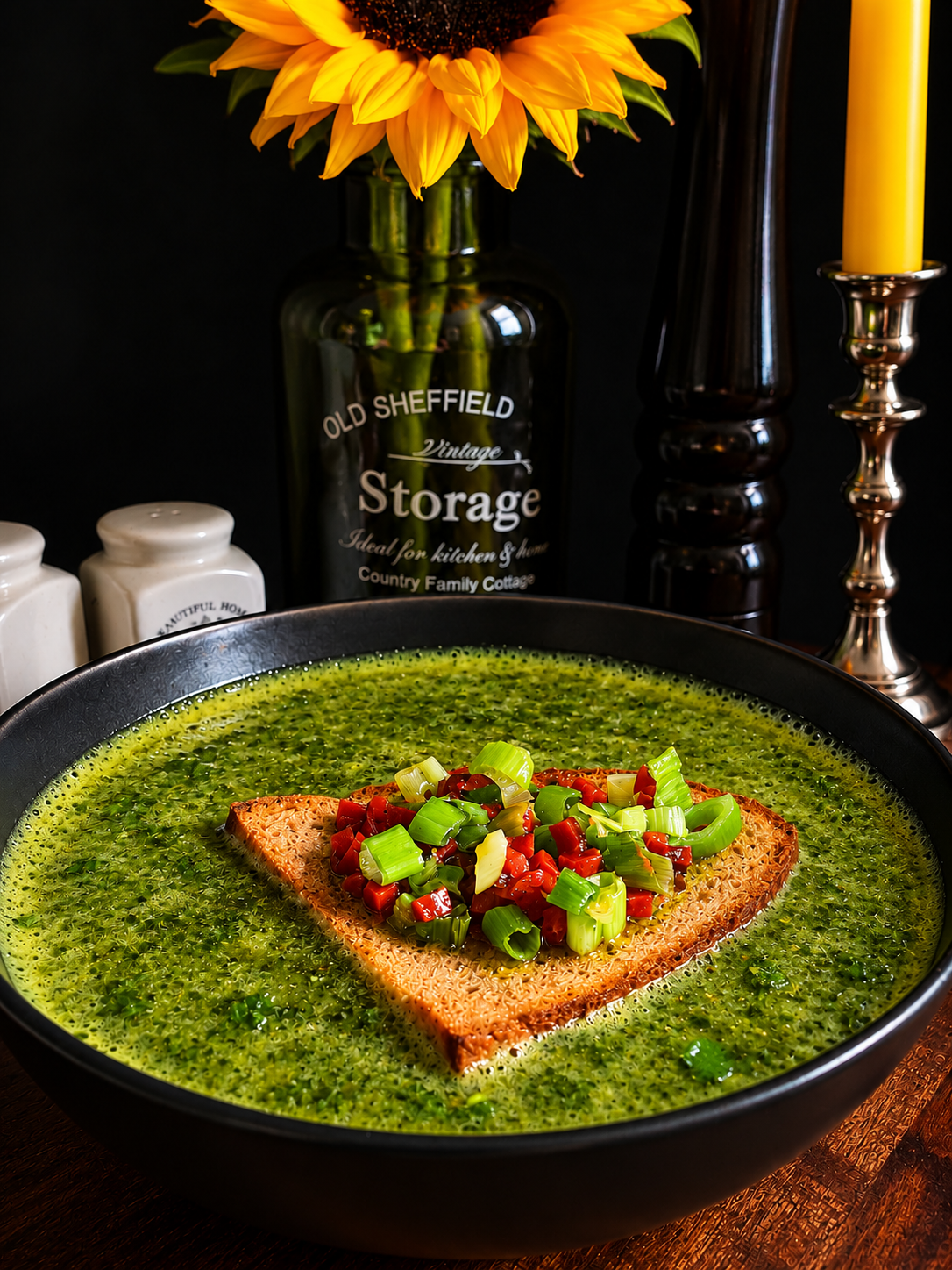
Açorda à Alentejana – A Portuguese Bread Soup with HistoryAçorda à Alentejana is one of Portugal's most distinctive traditional bread soups. Unlike thicker versions of açorda found elsewhere in the country, the Alentejan preparation typically consists of rustic bread served in a fragrant broth seasoned with garlic, coriander, olive oil and salt. A poached egg is a common traditional addition. The dish's name is often linked to Arabic culinary influences, reflecting the historical presence of Moorish culture on the Iberian Peninsula. This Via Veggie Vegan interpretation replaces the egg with smoky vegan bacon and adds fresh spring onion, while preserving the essential combination of bread, coriander, garlic and aromatic broth.
From my kitchen to your plate.
Eritrea – A Culinary Heritage of Spices and Shared TraditionsLocated in the Horn of Africa along the Red Sea, Eritrea has a diverse culinary heritage shaped by regional traditions, agriculture and centuries of cultural exchange. Aromatic spices, lentils, vegetables and richly flavoured stews play an important role in Eritrean cooking. Many traditional dishes are served with Injera, a soft, fermented flatbread that forms the foundation of a shared meal. Berbere, a distinctive chilli-based spice blend, is one of the country's most characteristic seasonings.
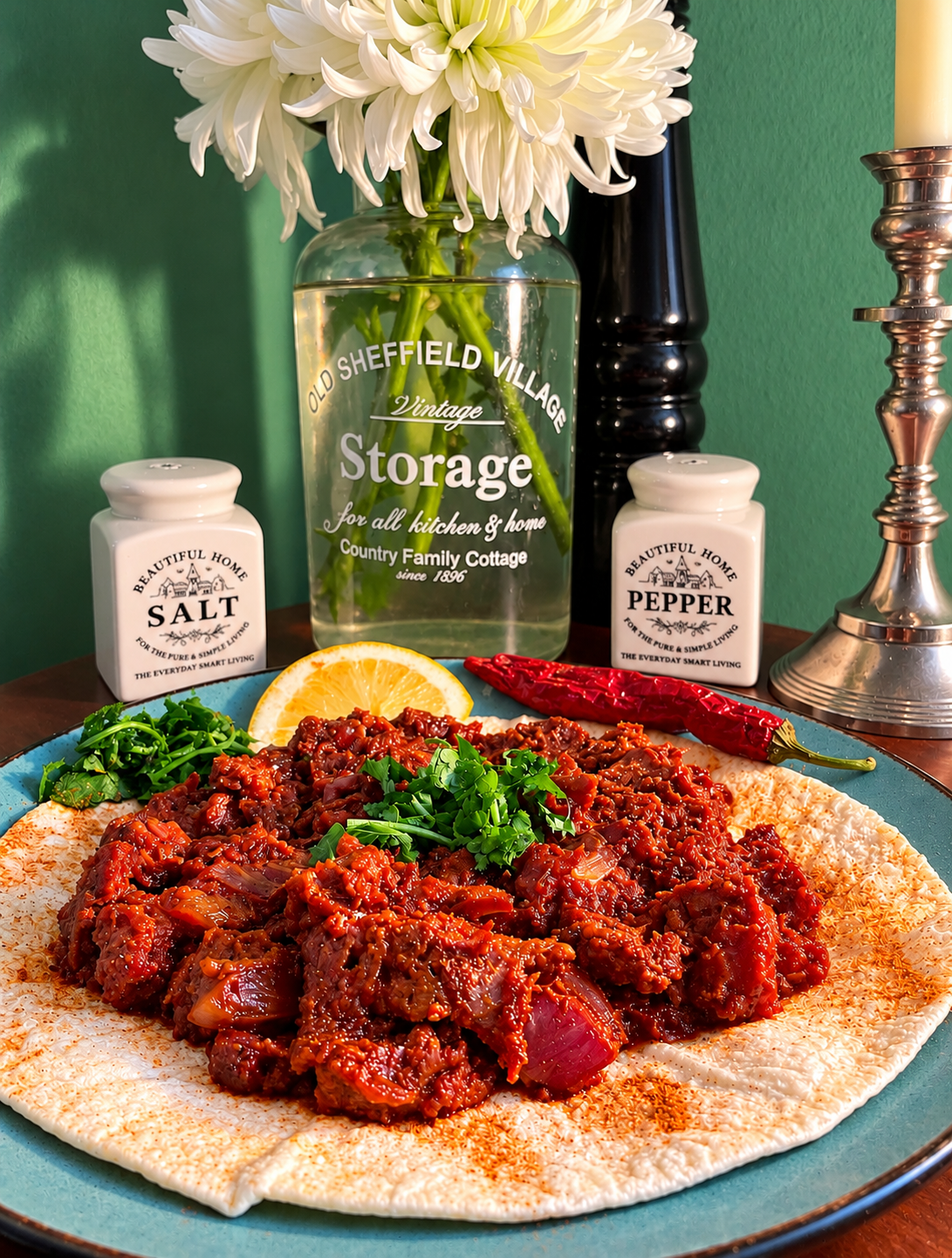
Zigni – Eritrea's Rich and Spicy Traditional StewZigni is one of Eritrea's best-known traditional dishes, typically prepared with beef simmered in a deeply flavoured tomato and onion sauce seasoned with Berbere. The generous quantity of slowly cooked onions creates natural sweetness and richness, while the spice mixture adds warmth, heat and complexity. My Via Veggie Vegan version replaces beef with plant-based steak strips and traditional spiced butter with vegan butter. Fresh tomatoes, homemade Berbere-inspired spices, plum syrup and a small piece of dark chocolate give the sauce its own deliciously intense character.
From my kitchen to your plate.
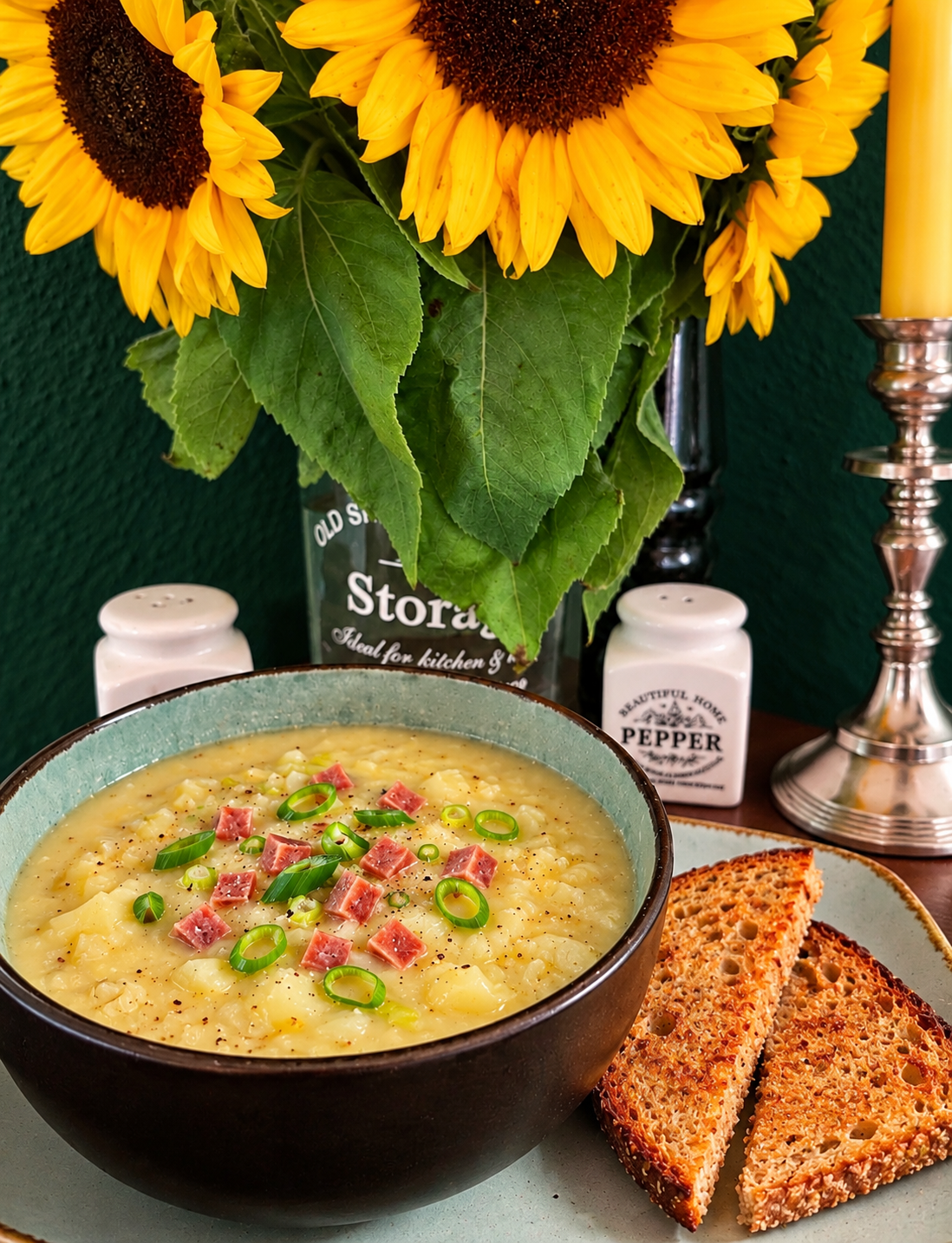
Norway – Nordic Simplicity and Seasonal Comfort FoodNorwegian cuisine is deeply influenced by the country's northern climate, agricultural traditions and appreciation for simple, nourishing ingredients. Root vegetables, potatoes, cabbage and other cool-weather crops have long been important in everyday home cooking. Warming soups are especially popular during the colder months, when hearty, practical dishes bring comfort to the table. Norwegian cooking often allows the natural flavours of its ingredients to shine without overwhelming them with complicated seasonings.
Blomkålsuppe – Norway's Creamy Cauliflower SoupBlomkålsuppe literally means cauliflower soup and is a familiar favourite in Norwegian home kitchens. Traditionally prepared with cauliflower, broth, milk or cream and a delicate touch of nutmeg, it is often served with tender cauliflower florets and savoury toppings such as crispy bacon or ham. My Via Veggie Vegan interpretation replaces dairy milk, cream and butter with oat drink, soy cream and vegan butter, while crispy plant-based ham cubes and fresh spring onions provide a delicious finishing touch.
From my kitchen to your plate.
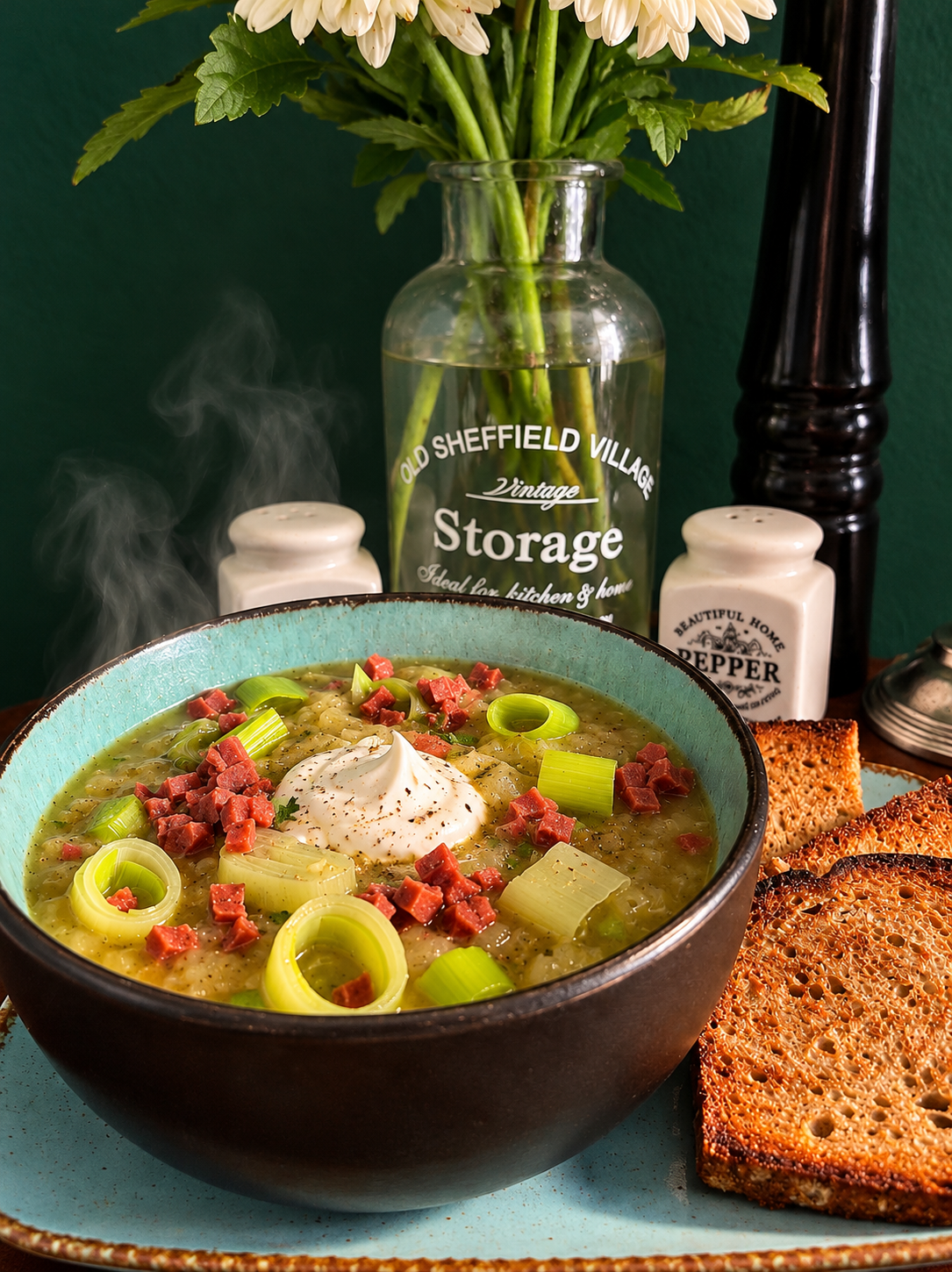
The Netherlands – A Country of Hearty, Practical Home CookingDutch cuisine has traditionally made excellent use of affordable, locally grown vegetables, especially potatoes, leeks, carrots, onions and cabbage. The Netherlands has a long agricultural history, and simple, nourishing dishes have been part of everyday family cooking for generations. From hearty stamppot to warming vegetable soups, Dutch comfort food is all about making the most of seasonal ingredients and transforming them into satisfying meals.
Aardappel-preisoep – Traditional Dutch Potato Leek SoupAardappel-preisoep literally translates to potato leek soup. This familiar Dutch home-style dish combines potatoes and leeks in a warming, gently flavoured soup. Some versions are blended until completely smooth, while others retain chunks of vegetables for a more rustic consistency. My Via Veggie Vegan interpretation combines both textures and adds plant-based cooking cream, nutritional yeast, crispy vegan bacon and a spoonful of vegan sour cream for an extra comforting finish.
From my kitchen to your plate.
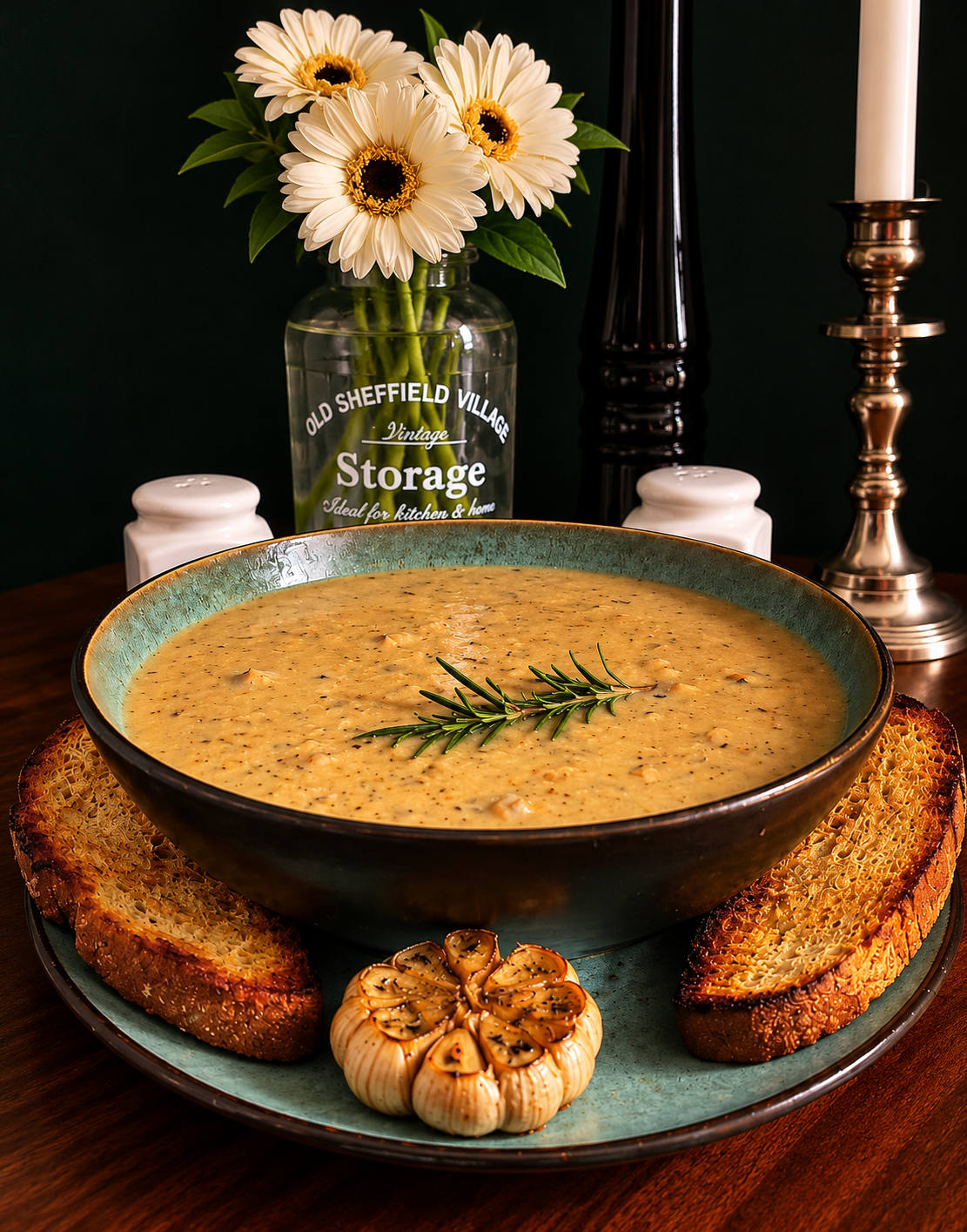
Spain – A Country of Regional Culinary TraditionsSpanish cuisine is shaped by remarkable regional diversity, from the seafood traditions of the Mediterranean coast to the hearty stews and rustic dishes of the country's interior. Olive oil, garlic, bread, legumes, vegetables and aromatic spices form the foundation of countless traditional recipes. In Castile, where winters can be cold and rural cooking has historically relied on affordable ingredients, warming soups and bread-based dishes have long played an important role in everyday food culture.
Sopa de Ajo – The Traditional Spanish Garlic SoupSopa de Ajo, also known as Sopa Castellana, is a traditional garlic soup particularly associated with Castile. Originally a humble rural dish, it was prepared using stale bread, garlic, olive oil, paprika and water or broth. Many traditional versions include eggs, while others contain ham or other meat products. My Via Veggie Vegan interpretation replaces the meat with vegan bacon and leaves out the eggs. Instead, soy cream, nutritional yeast and a pinch of Kala Namak create a creamy, savory finish with a subtle egg-like note. The result is a warming, aromatic garlic soup that celebrates the comforting character of the Spanish original while being entirely plant-based.
From my kitchen to your plate.
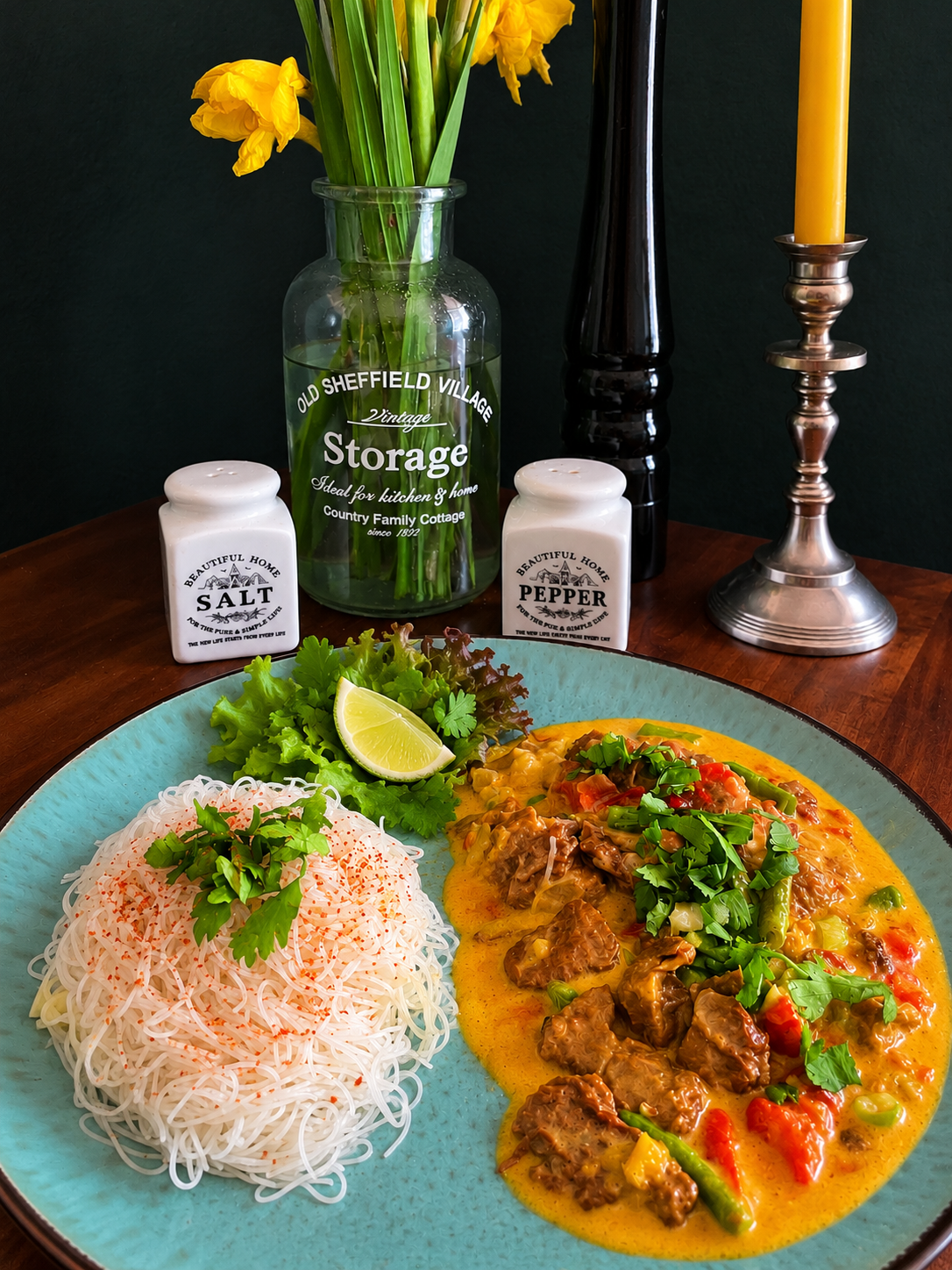
Laos – A Cuisine Built Around Fresh Herbs and Bold FlavorsLaos is a landlocked Southeast Asian country with a rich culinary heritage shaped by fresh herbs, fragrant aromatics and the balance of spicy, salty, sour and subtly sweet flavors. Lemongrass, galangal, chilies, makrut lime leaves and coriander play important roles in many dishes. One of the country's most important staples is sticky rice, known as khao niao, traditionally eaten with a wide variety of vegetables, dips, salads and savory dishes.
Lemongrass & Coconut Curry – A Lao-Inspired Vegan InterpretationThis Lemongrass & Coconut Curry is my own plant-based interpretation of characteristic Lao flavors rather than a recreation of one particular traditional dish. A homemade curry paste combines lemongrass, galangal, garlic, shallots and dried chilies, while coconut milk creates a silky, aromatic sauce. Mock Duck adds a satisfying, meaty texture, and fresh vegetables bring color and freshness. Instead of the more traditional sticky rice, I serve my curry with delicate rice noodles – a delicious little twist inspired by the contents of my kitchen.
From my kitchen to your plate.
Hungary – The Land of Paprika and Hearty Comfort FoodHungary is a Central European country with a rich culinary heritage shaped by agricultural traditions, regional influences and a deep appreciation for warming, satisfying food. Hungarian cuisine is particularly famous for its generous use of paprika, onions, peppers and slow-cooked dishes. From the banks of the Danube to the vast Hungarian Great Plain, traditional cooking reflects a love of bold flavours, nourishing meals and hospitality. Goulash, paprikash and various dumpling dishes are among the country's best-known culinary specialities.
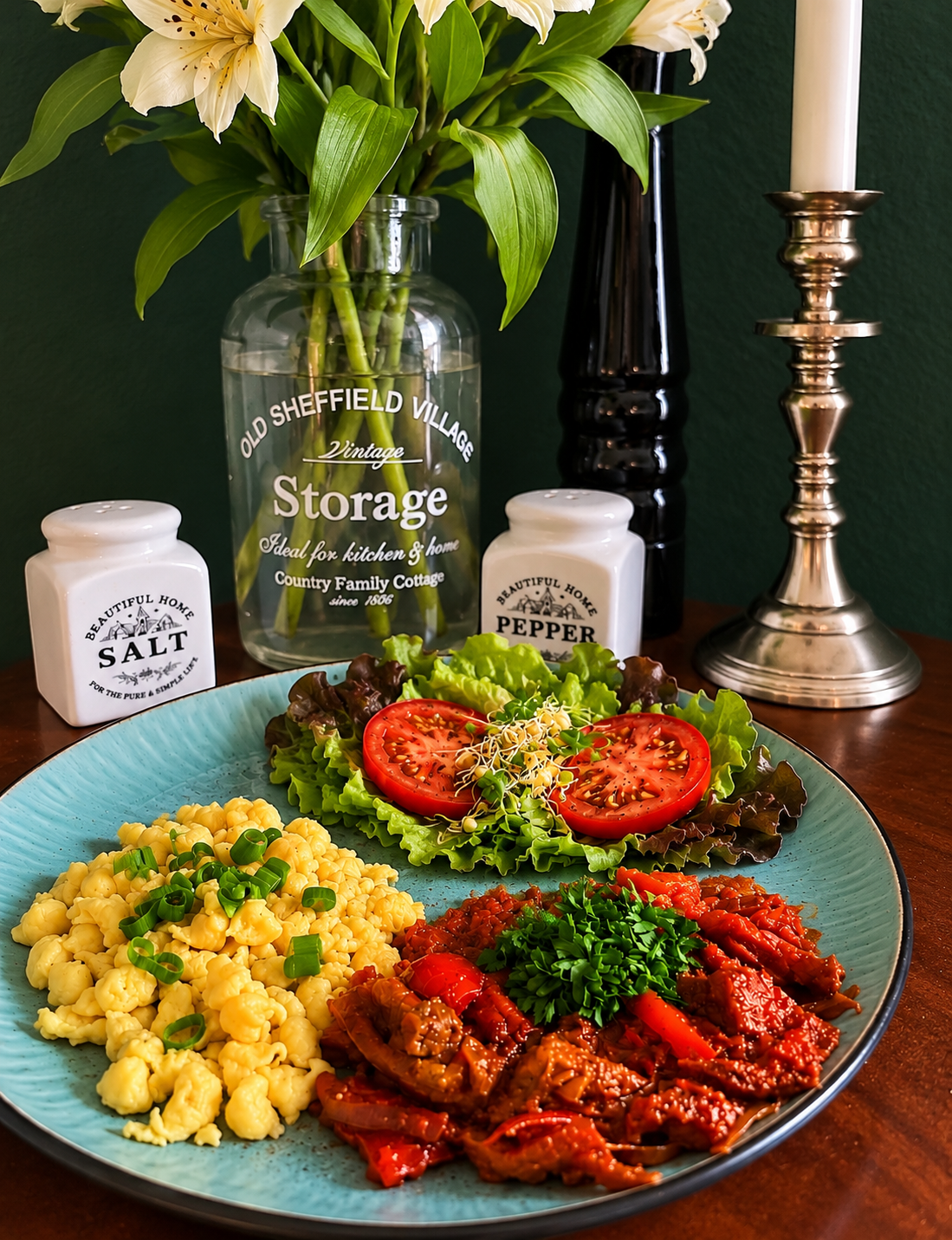
Goulash and Galuska – A Hungarian-Inspired CombinationGulyás, commonly known internationally as goulash, originated in Hungary and is traditionally associated with the cooking of cattle herders. In Hungary, gulyás is usually a substantial soup, while thicker paprika-based meat stews are more closely related to pörkölt. This Via Veggie Vegan version follows the familiar international interpretation of a thick, hearty goulash, replacing meat with a plant-based alternative. It is served with Galuska, also known as nokedli, small Hungarian dumplings traditionally made with flour, water and eggs. My egg-free version uses sparkling water, Kala Namak and a little turmeric to create deliciously tender dumplings without animal ingredients.
From my kitchen to your plate.
Poland – A Country of Hearty Traditions and Regional CuisinePoland is a Central European country with a rich culinary heritage shaped by regional traditions, seasonal produce and generations of home cooking. Polish cuisine is particularly well known for its comforting soups, potato dishes, cabbage preparations, dumplings and hearty stews. Vegetables such as carrots, potatoes, onions, beetroot and kohlrabi have long played an important role in everyday meals. From the Baltic coast to the mountainous south, Polish cooking celebrates familiar ingredients transformed into satisfying dishes that bring families together around the table.
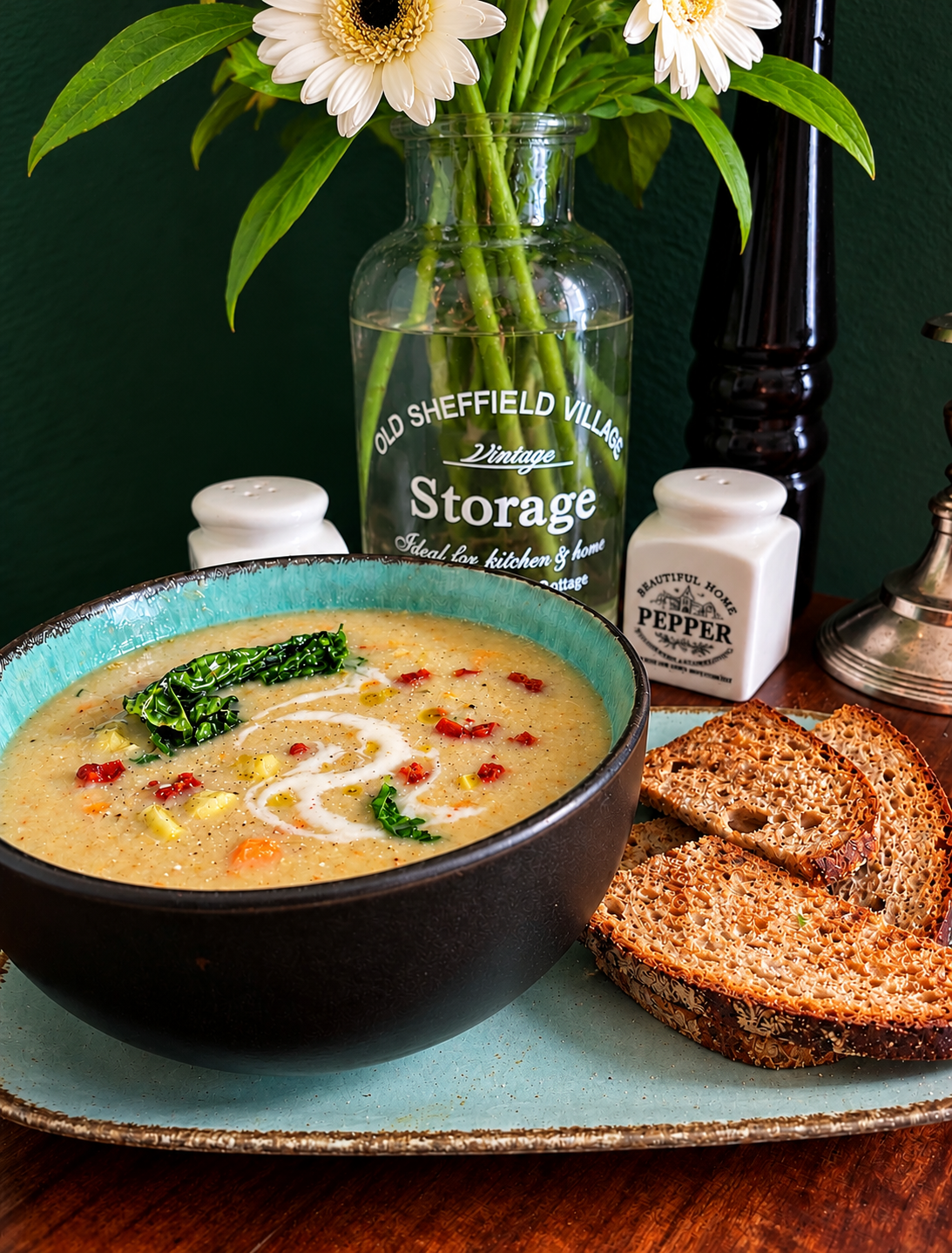
Silesian Oberiba – A Traditional Kohlrabi SoupOberiba is a regional name associated with kohlrabi in Silesian culinary traditions. Kohlrabi soup, known more generally in Polish as zupa z kalarepy, is a rustic vegetable preparation that can feature tender kohlrabi, potatoes, carrots, broth and cream. In traditional versions, meat-based broth may provide additional depth, while the tender young kohlrabi leaves can be cooked alongside the vegetables. My Via Veggie Vegan interpretation replaces animal-based ingredients with homemade vegetable broth, oat cream and vegan ham cubes. Crispy kohlrabi leaves and a little vegan sour cream give this comforting Silesian-inspired soup a delicious finishing touch.
From my kitchen to your plate.
England – A Country of Gardens, Traditions and Comfort FoodEngland is the largest constituent country of the United Kingdom, known for its historic cities, picturesque countryside, traditional gardens and diverse culinary heritage. British cooking has long celebrated seasonal vegetables, hearty soups, homemade bread and comforting family meals. Garden peas are particularly popular during spring and summer, when their natural sweetness pairs beautifully with fresh herbs. Mint has an equally established place in English cooking, appearing in everything from sauces and vegetable dishes to refreshing drinks and desserts.
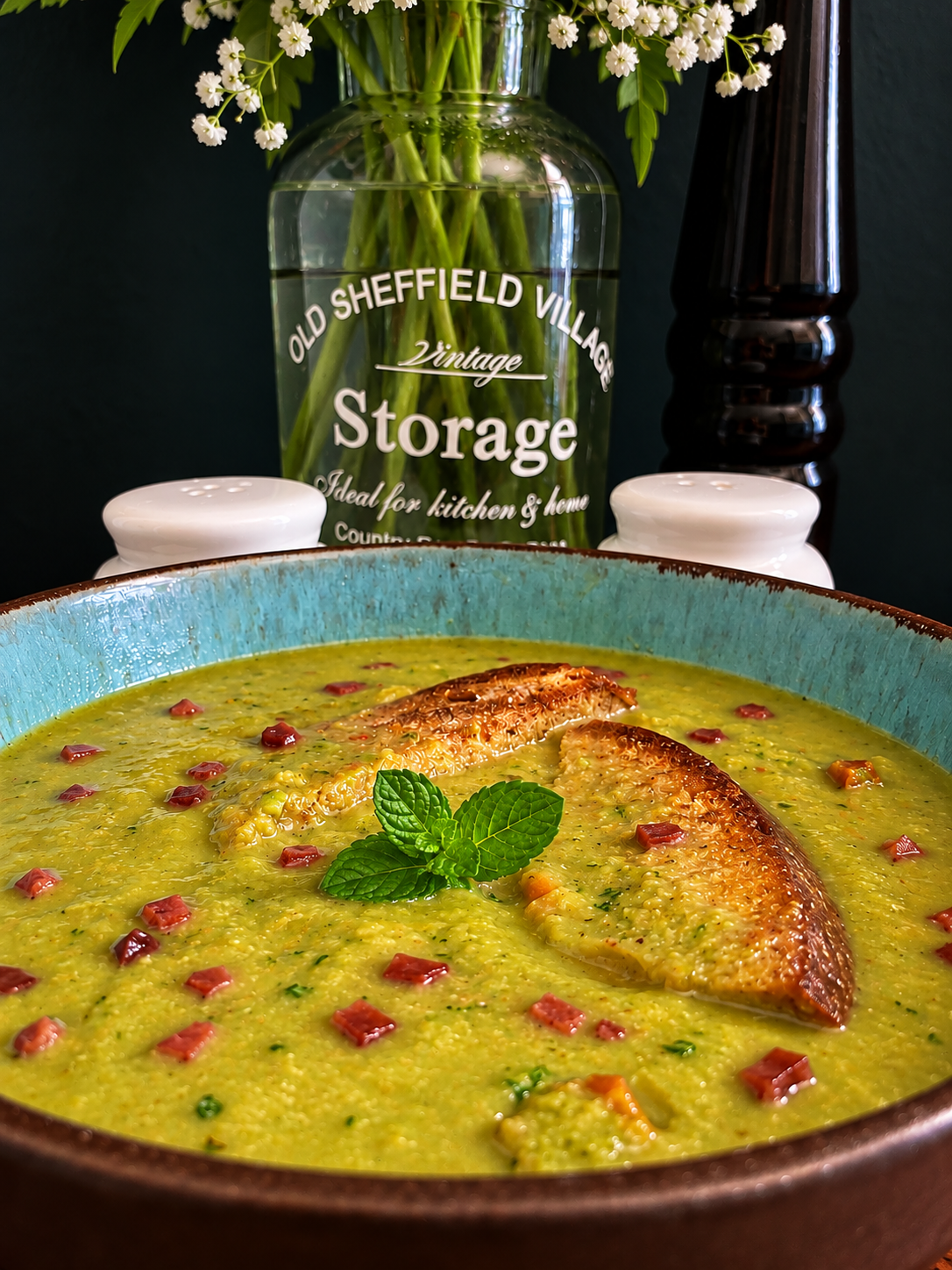
Pea & Mint Soup – A Fresh British FavouritePea and mint soup is a familiar dish in British home cooking, bringing together the sweetness of green peas and the refreshing aroma of garden mint. It can be prepared with fresh or frozen peas and is often finished with cream, crème fraîche or yoghurt. Depending on the season, it may be served warm or chilled. My Via Veggie Vegan interpretation uses soy cream for a silky texture, while crispy vegan bacon and warm lemon farmhouse bread provide an optional savoury and citrusy contrast.
From my kitchen to your plate.
Vatican City – The World's Smallest Independent StateVatican City is an independent city-state surrounded by Rome, Italy. It is the smallest sovereign state in the world by both area and population and serves as the headquarters of the Roman Catholic Church. Its culinary surroundings are unmistakably Roman: pasta, seasonal vegetables, olive oil and traditional Italian cooking are part of the wider food culture of the region. Vatican City does not have a completely separate everyday cuisine from Rome, making Roman dishes with papal associations particularly fitting for this destination.
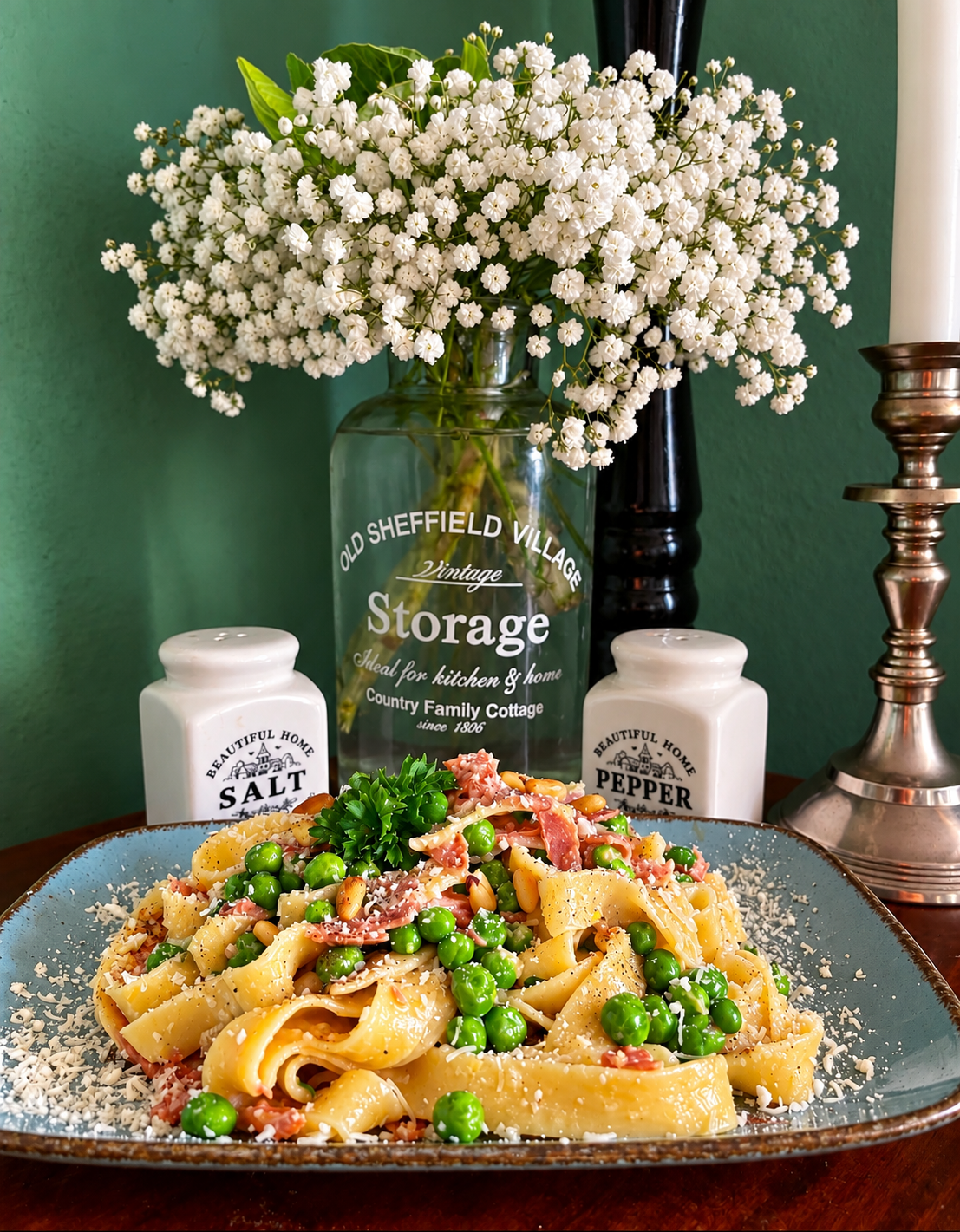
Fettuccine alla Papalina – Pasta Fit for a PopeFettuccine alla Papalina, meaning fettuccine in the papal style, is a Roman pasta dish traditionally associated with Pope Pius XII, although the exact circumstances of its creation are not firmly documented. The classic preparation typically combines egg pasta, cured ham, onion, butter, cheese and eggs, sometimes with cream. My Via Veggie Vegan interpretation replaces the animal-derived ingredients with plant-based alternatives, while sweet peas, vegan ham strips and a delicate creamy sauce give the dish its own colourful character.
From my kitchen to your plate.
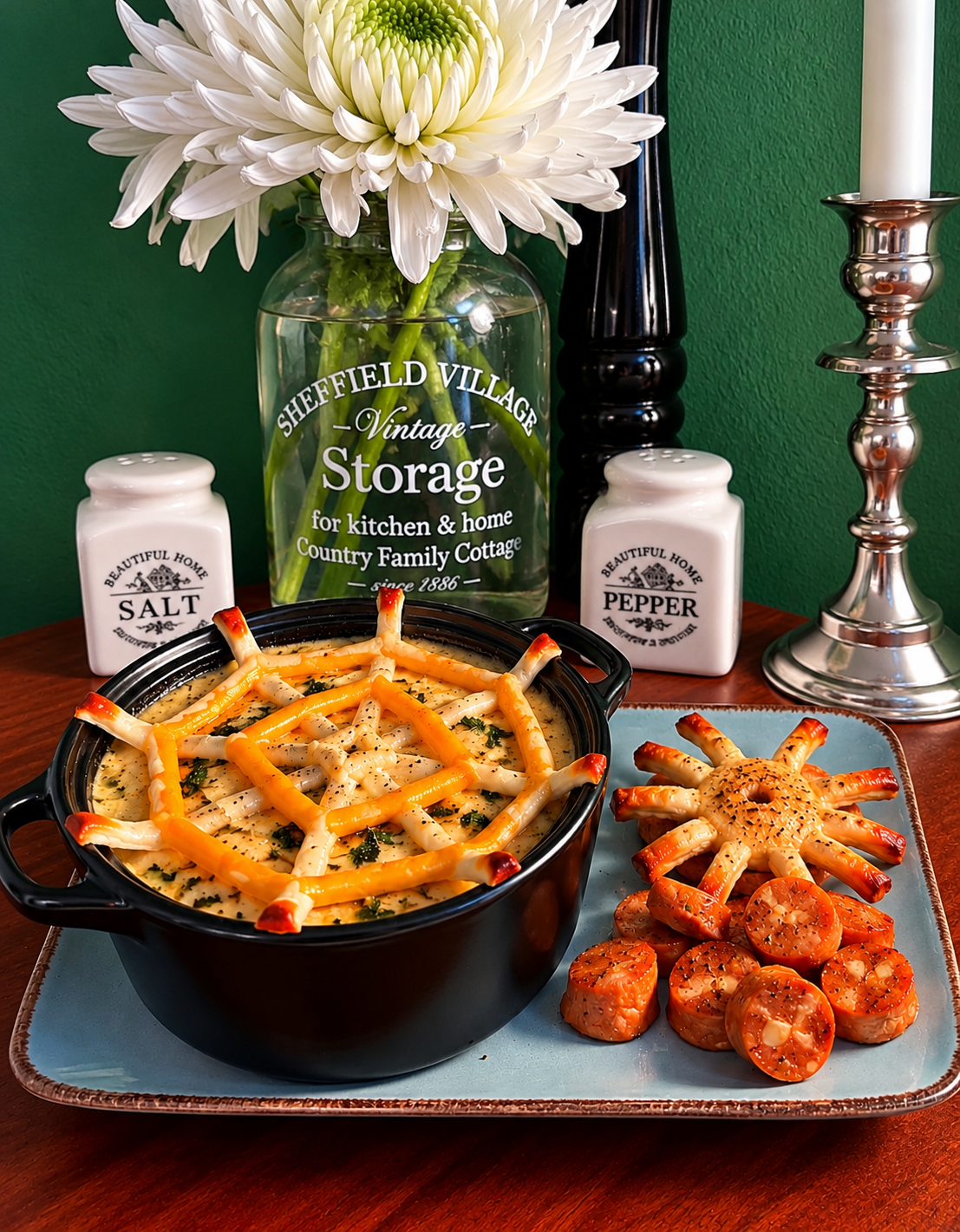
Scotland – Hearty Comfort Food from the Scottish Borders
Scotland is famous for its rugged landscapes, rich traditions and hearty cuisine. Root vegetables, potatoes and cabbage have long played an important role in Scottish home cooking, particularly in the Scottish Borders, where simple, warming dishes are a treasured part of culinary heritage.
What Is Rumbledethumps?
Rumbledethumps is a traditional Scottish dish made from mashed potatoes, cabbage and onions, usually finished with a generous layer of cheese. Often compared to Irish Colcannon or English Bubble and Squeak, it can be served as a vegetarian main course or as a side dish alongside hearty meat dishes and sausages. This Halloween-inspired vegan version adds Brussels sprouts, layers of savoy cabbage and a playful spiderweb topping.
From my kitchen to your plate.
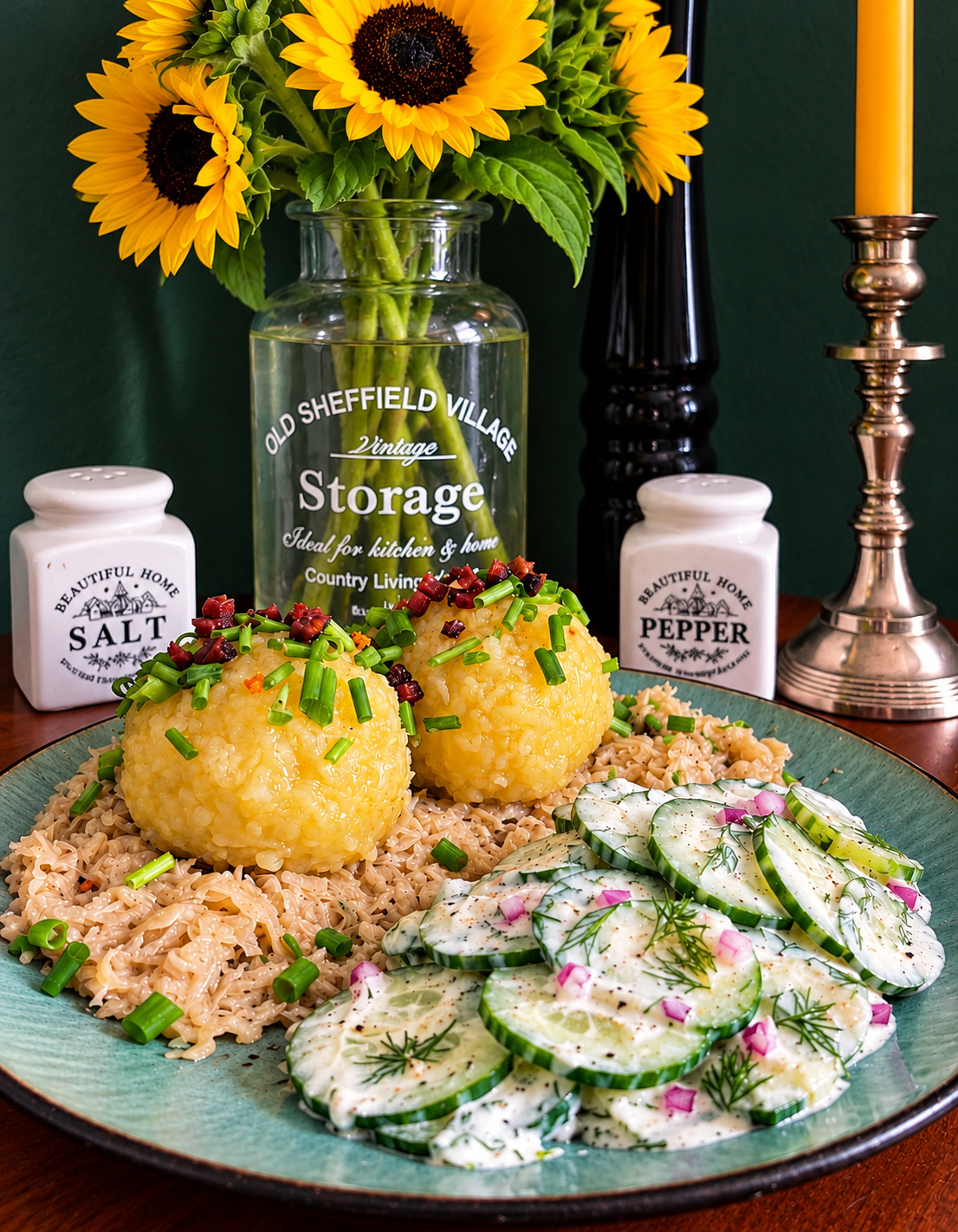
Austria – Alpine Landscapes and a Rich Culinary HeritageAustria is a landlocked country in Central Europe, famous for its spectacular Alpine landscapes, historic cities and diverse regional food traditions. Its cuisine reflects centuries of cultural exchange within the former Habsburg monarchy and neighbouring countries. Hearty dumplings, potato dishes, seasonal vegetables and traditional pastries play an important role in Austrian cooking. From Tyrolean mountain specialities to Viennese classics and the rustic cuisine of Upper Austria, the country's culinary heritage is wonderfully varied.
What Are Grammelknödel?Grammelknödel are traditional Austrian dumplings particularly associated with Upper Austria. The name combines Grammeln, meaning crispy pork cracklings, with Knödel, the German word for dumplings. Traditionally, a soft potato dough is filled with seasoned cracklings, onions and marjoram, then gently cooked and commonly served with sauerkraut. My Via Veggie Vegan interpretation replaces the traditional pork filling with savoury plant-based ham cubes and uses a completely vegan potato dough. Served with creamy sauerkraut and a refreshing cucumber-dill salad, this hearty Austrian classic becomes a delicious plant-based comfort meal.
From my kitchen to your plate.
Albania – Mountains, Forests and Mediterranean Traditions
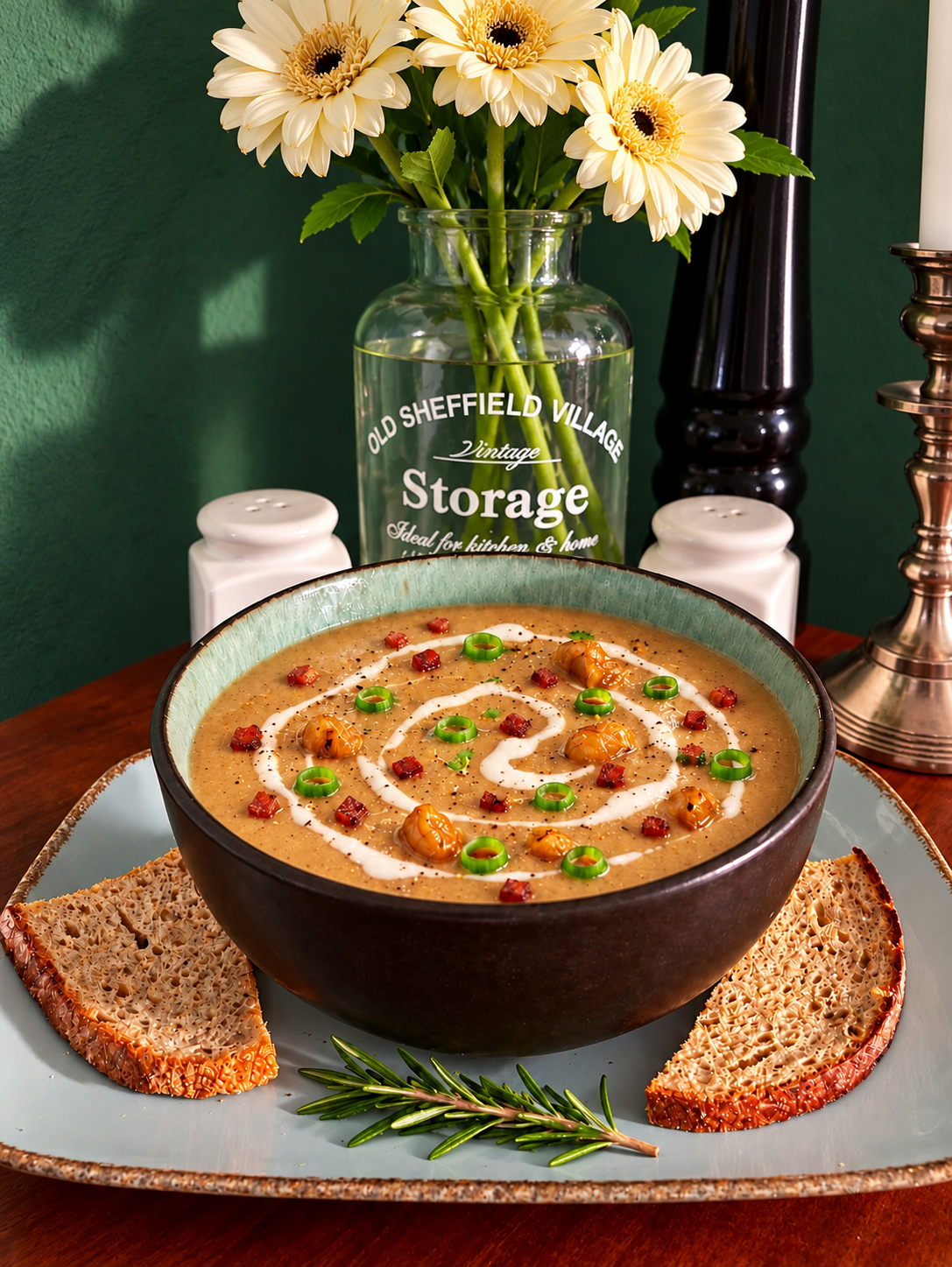
Albania is a country in southeastern Europe, bordered by the Adriatic and Ionian Seas and characterized by dramatic mountains, fertile valleys and diverse regional food traditions. Its cuisine reflects Mediterranean and Balkan influences, with olive oil, vegetables, herbs, legumes and seasonal produce playing important roles. Chestnuts grow in several forested regions, including northern Albania and areas around Lake Ohrid, where they have long been valued as a seasonal food.
What Is Supa me Gështenja?
Supa me gështenja simply means chestnut soup in Albanian. This recipe is a rustic, Albanian-inspired preparation rather than a single standardized national dish. Cooked chestnuts are combined with leeks, potatoes, garlic and vegetable stock to create a naturally creamy texture. A little olive oil adds richness, while nutmeg complements the chestnuts' mild sweetness. For my Via Veggie Vegan version, crispy plant-based bacon replaces the optional traditional meat topping, bringing a smoky, savory contrast to the smooth soup.
From my kitchen to your plate.
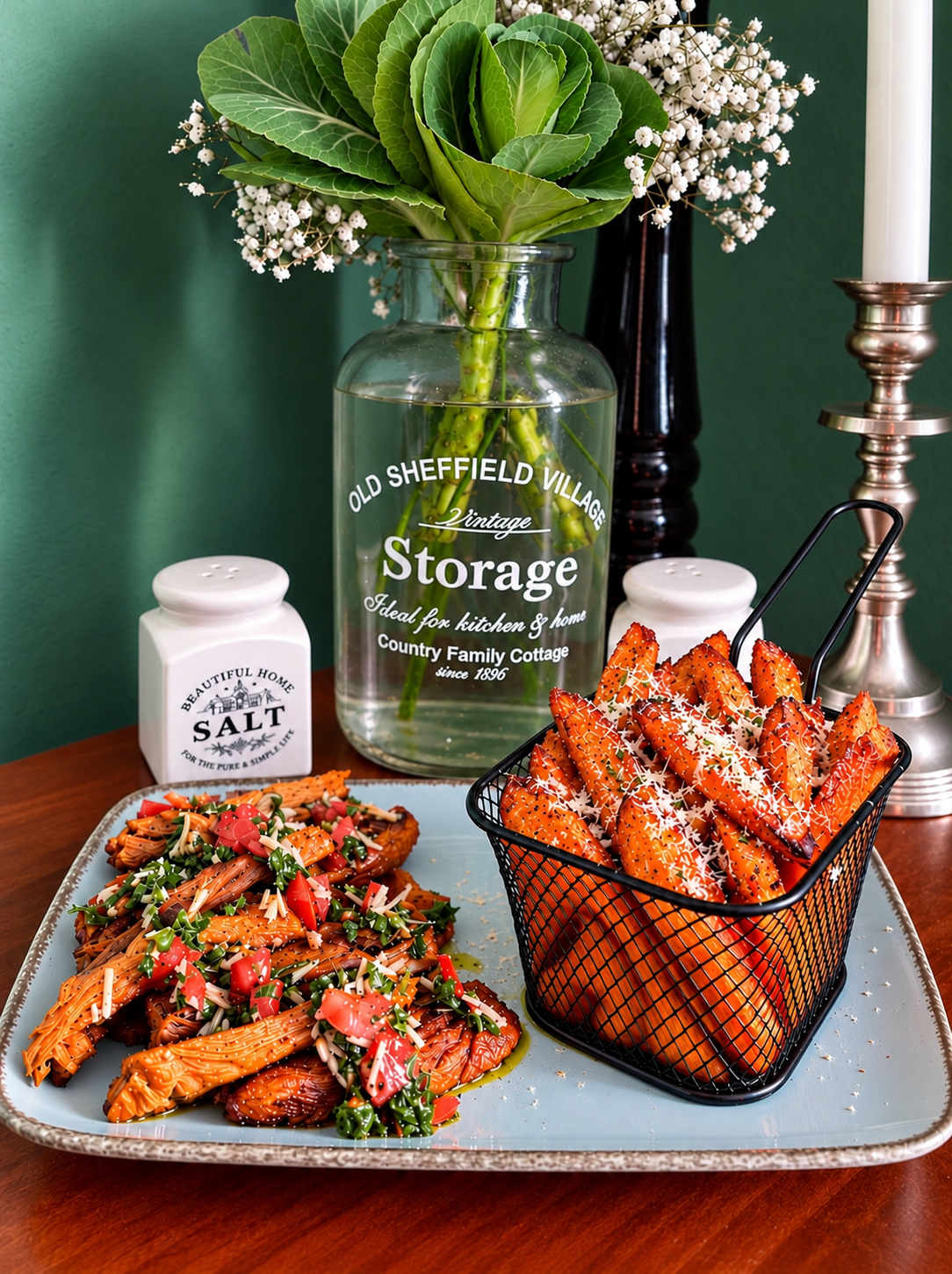
Uruguay – A Small Country with a Big Grilling Tradition
Uruguay lies on the Atlantic coast of southeastern South America, between Argentina and Brazil. Its food culture has been shaped by cattle ranching, European immigration and the traditions of the Río de la Plata region. Asado, the preparation of food over a grill or open fire, is deeply rooted in Uruguayan social life. Sharing grilled food with family and friends is about much more than eating: it is an important expression of hospitality and community.
What Is Churrasco con Papas Fritas y Chimichurri?
Churrasco generally refers to a steak, often grilled or pan-seared, while papas fritas are French fries. Chimichurri is a fragrant condiment associated with the Río de la Plata region, especially Uruguay and Argentina. It traditionally combines chopped parsley, garlic, oregano, vinegar and oil, sometimes with chili. This Via Veggie Vegan version replaces beef with plant-based steak, uses oven-baked sweet potato fries instead of conventional potato fries and adds fresh tomato to the chimichurri. Vegan Parmesan provides a final savory touch. It is a contemporary vegan interpretation of a familiar steak-and-fries combination rather than a traditional Uruguayan recipe.
From my kitchen to your plate.
Aotearoa New Zealand – A Land of Remarkable Landscapes and Rich Food Traditions
Aotearoa New Zealand is an island nation in the southwestern Pacific Ocean, renowned for its dramatic mountains, volcanic landscapes, ancient forests, rugged coastlines and extraordinary biodiversity. Its food culture reflects Māori traditions, European influences and the contributions of many other communities. Māori food knowledge includes the cultivation of kūmara, the gathering of seasonal ingredients and cooking practices closely connected to the land and natural environment. Contemporary New Zealand cuisine embraces both traditional ingredients and international influences, creating opportunities for innovative plant-based interpretations.
What Makes This New Zealand-Inspired Vegan Steak Special?
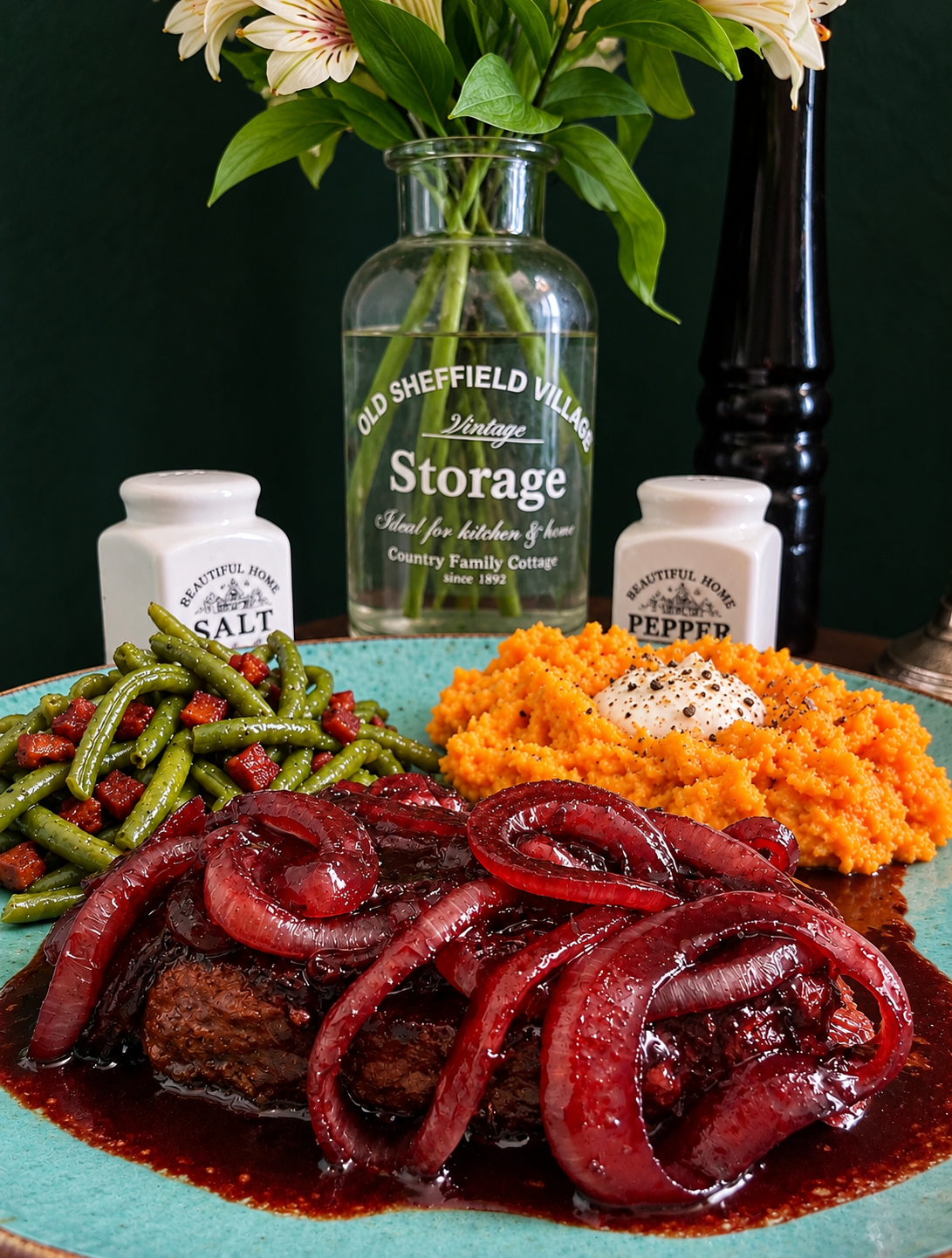
This dish is a contemporary Via Veggie Vegan creation rather than a traditional Māori recipe. Its connection to Aotearoa lies primarily in kūmara, the sweet potato that has played an important role in Māori food culture for centuries. The creamy orange mash is paired with plant-based steaks, caramelised onions in a rich beetroot jus and green beans with smoky vegan bacon. The combination creates a hearty, colorful plate that celebrates a historically significant ingredient while giving the familiar steak dinner a completely plant-based transformation.
From my kitchen to your plate.
Mongolia – A Land of Endless Steppes and Nomadic Traditions
Mongolia is a landlocked country in East Asia, situated between Russia and China. Its vast landscapes include grasslands, mountains, deserts and freshwater lakes. Traditional Mongolian cuisine has been shaped by the country's continental climate and long history of nomadic pastoralism. Meat, dairy products and wheat-based foods have historically played important roles, while vegetables and other ingredients have become increasingly accessible through trade and changing food cultures. Hearty noodle dishes, dumplings and warming meals reflect the practical cooking traditions of a country known for its extraordinary landscapes and hospitality.
What Is Tsuivan?
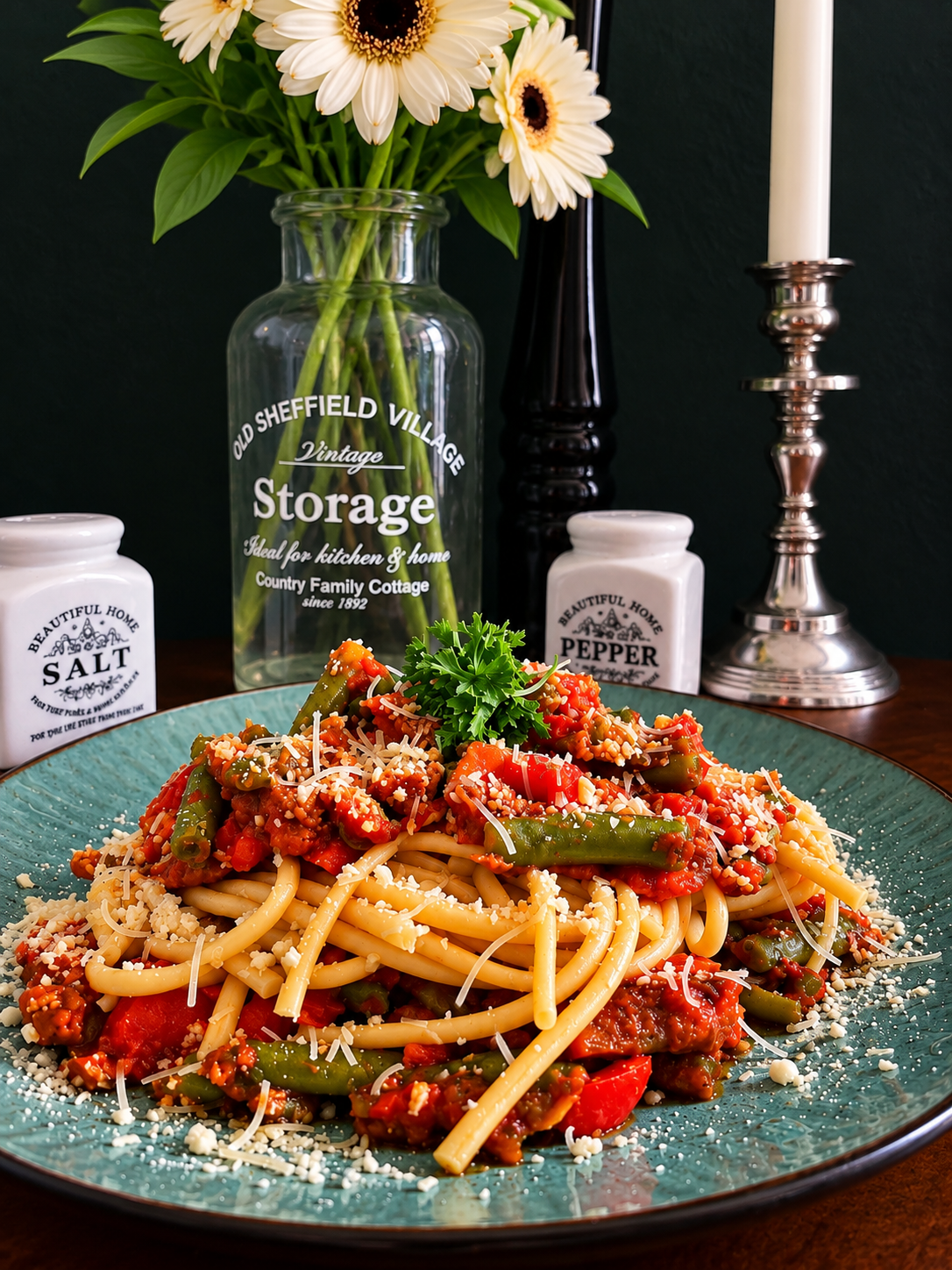
Tsuivan is a traditional Mongolian dish made with wheat noodles, meat and vegetables. One of its defining features is the cooking technique: freshly prepared noodles are placed over the meat and vegetables and steamed in the covered pan before everything is mixed together. This Via Veggie Vegan version takes a different approach, using ready-made Japanese udon noodles, plant-based beef-style strips and a tomato-based vegetable sauce. Rosemary, thyme, parsley and vegan cheese introduce additional fusion influences. It is therefore a Mongolian-inspired vegan interpretation rather than a traditional preparation of Tsuivan.
From my kitchen to your plate.
Luxembourg – A Small Country with a Rich Culinary Heritage
Luxembourg is a small landlocked country in Western Europe, bordered by Belgium, Germany and France. Its cuisine reflects influences from all three neighboring countries while maintaining its own distinctive traditions. Hearty soups, potatoes, legumes, regional vegetables and rustic meat dishes have long played important roles in Luxembourgish home cooking. The country's landscape ranges from the wooded hills of the Ardennes in the north to the fertile agricultural regions and vineyards of the Moselle Valley in the southeast.
What Is Bouneschlupp?
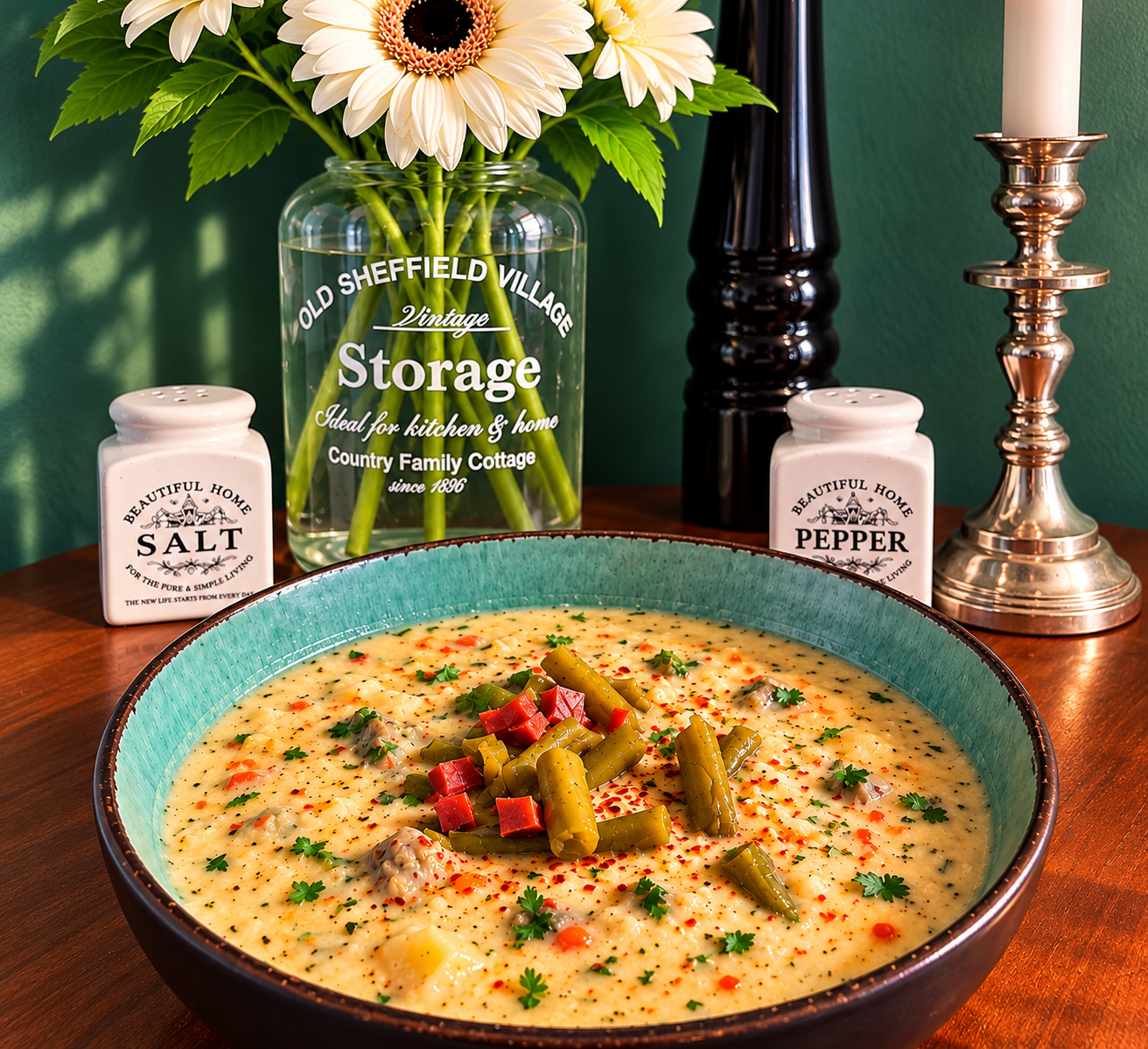
Bouneschlupp is one of Luxembourg's best-known traditional soups, prepared primarily with green beans and potatoes. Depending on the household and regional tradition, it may also contain onions, bacon, sausage, cream and aromatic herbs such as savory. The soup is particularly associated with simple, satisfying home cooking. This Via Veggie Vegan version keeps the green beans and potatoes at the heart of the dish while replacing traditional meat products with vegan beef-style pieces and crispy plant-based bacon. Vegan cooking cream creates a rich, comforting broth without dairy.
From my kitchen to your plate.
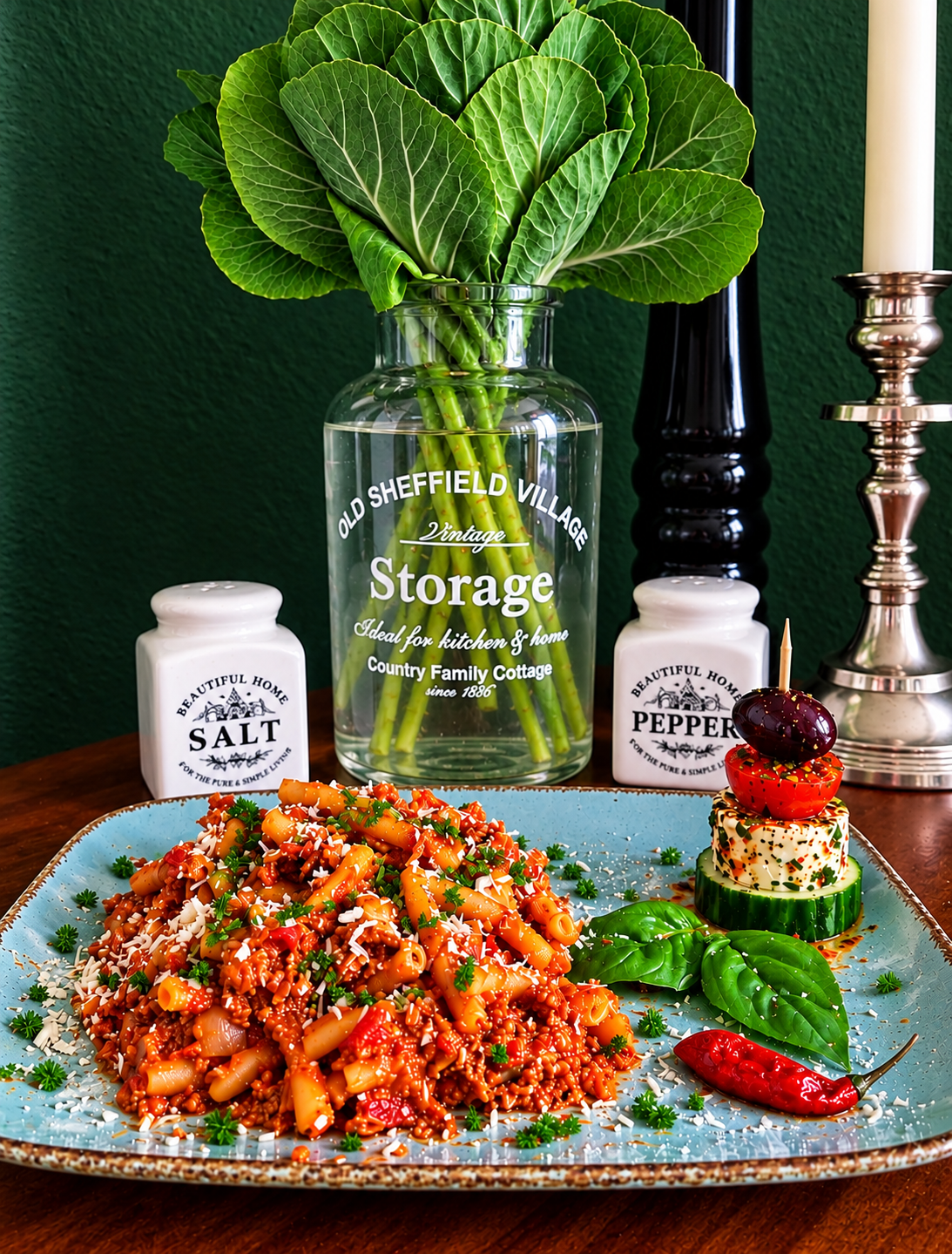
Costa Rica – A Country of Rainforests, Volcanoes and Pura VidaCosta Rica is a Central American country bordered by Nicaragua, Panama, the Pacific Ocean and the Caribbean Sea. Famous for its extraordinary biodiversity, tropical rainforests, volcanic landscapes and protected national parks, the country is also known for its philosophy of Pura Vida, an expression associated with enjoying life and appreciating everyday moments. Costa Rican cuisine reflects its agricultural traditions, with rice, beans, plantains, potatoes, vegetables and fresh tropical ingredients playing important roles in everyday cooking.
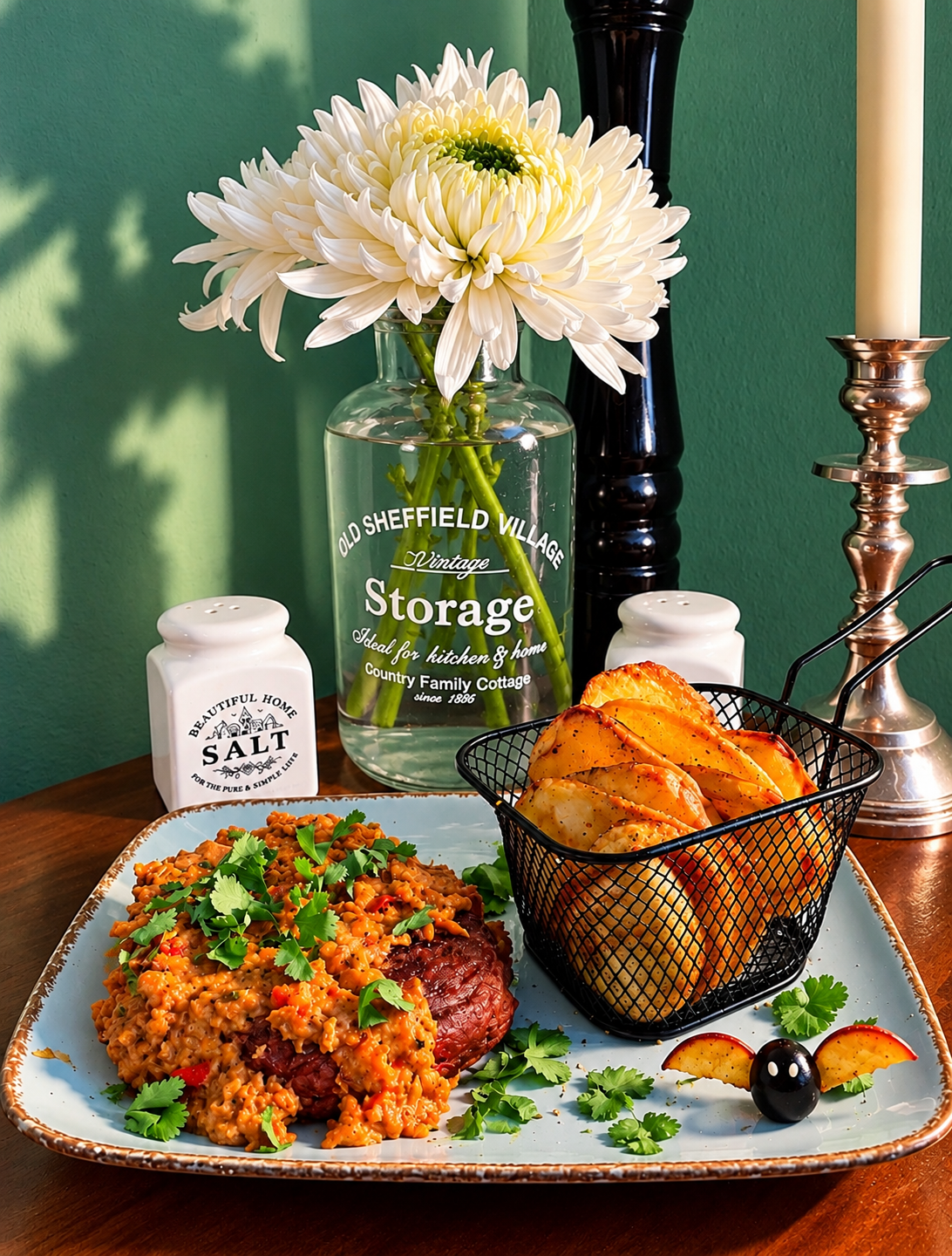
What Is Bistec Encebollado con Papas?Bistec Encebollado is a popular Latin American dish consisting of thinly sliced steak cooked with onions. In Costa Rica, versions may be seasoned with garlic, cumin, oregano and Salsa Lizano, the country's distinctive sweet and savory table sauce. Papas simply means potatoes, making Bistec Encebollado con Papas a satisfying combination of steak, onions and potatoes. This Via Veggie Vegan interpretation replaces beef with plant-based steak, serves crispy golden potato slices alongside it and uses a generous coating of homemade Salsa Lizano instead of a traditional marinade.
From my kitchen to your plate.
Libya – A North African Country of Mediterranean and Desert Traditions
Libya is a North African country bordering the Mediterranean Sea, with a culinary heritage shaped by Amazigh, Arab, Mediterranean and historical Ottoman influences. Its cuisine combines grains, vegetables, legumes, meat and aromatic spices, with dishes varying across regions and households. Tomatoes, garlic, chilies, olive oil and warming spice blends feature prominently in many Libyan preparations. Pasta also holds an important place in everyday cooking, reflecting the country's long history of Mediterranean cultural exchange.
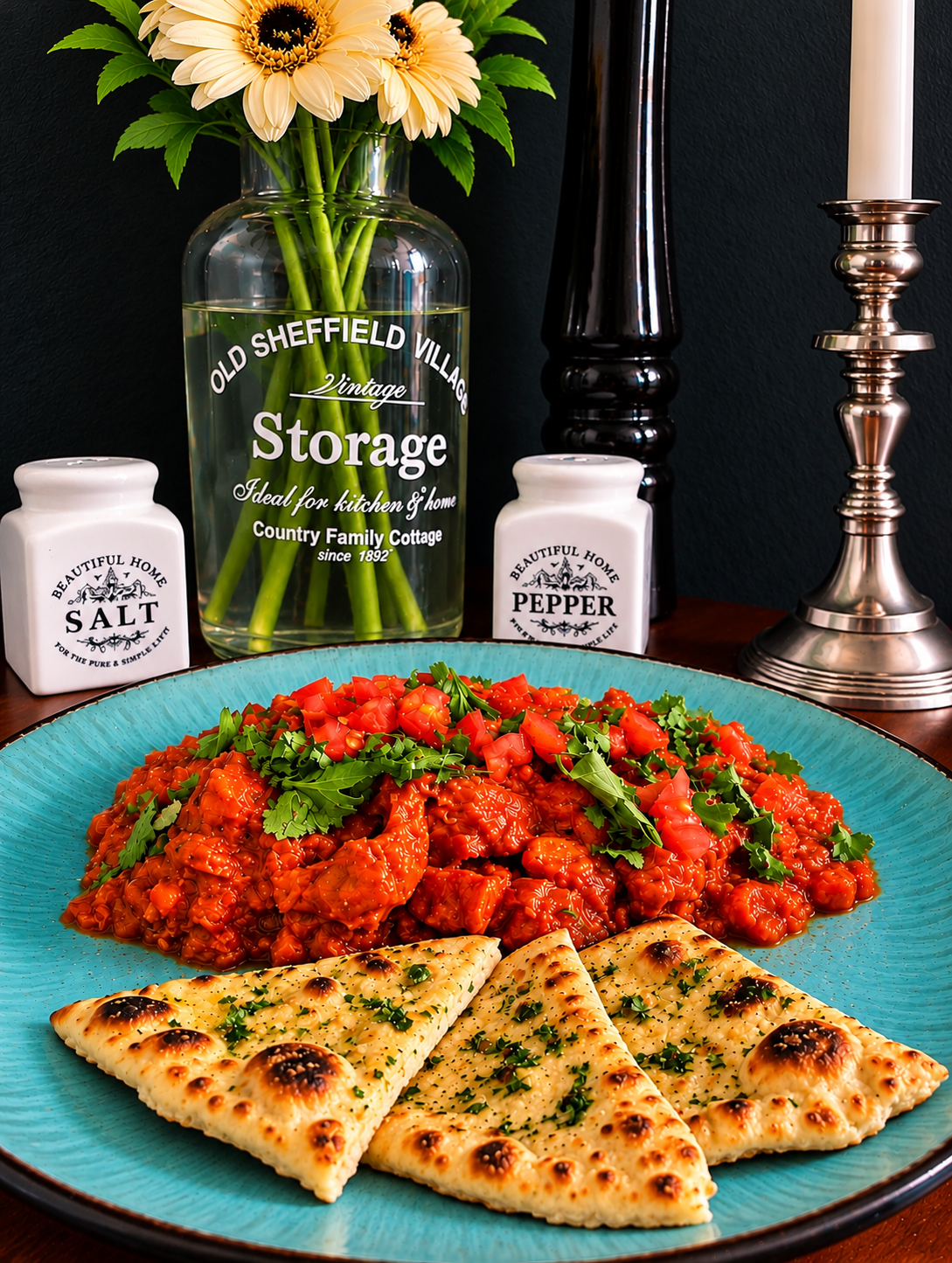
What Is Mbakbaka?
Mbakbaka, also written Imbakbaka, is a popular Libyan one-pot pasta dish traditionally prepared by simmering dry pasta directly in a seasoned tomato-based broth. Unlike conventional pasta recipes, the noodles absorb the flavors of the sauce while releasing starch, creating a rich consistency somewhere between pasta and stew. Many versions contain lamb, beef or chicken, while the spices and vegetables vary between families. This Via Veggie Vegan interpretation replaces meat with plant-based mince and uses a homemade Bzaar-inspired spice blend. Fresh parsley, lemon juice and vegan grated cheese complete this hearty, spicy dish.
From my kitchen to your plate.
5. SHORT DESCRIPTION / ORIGIN
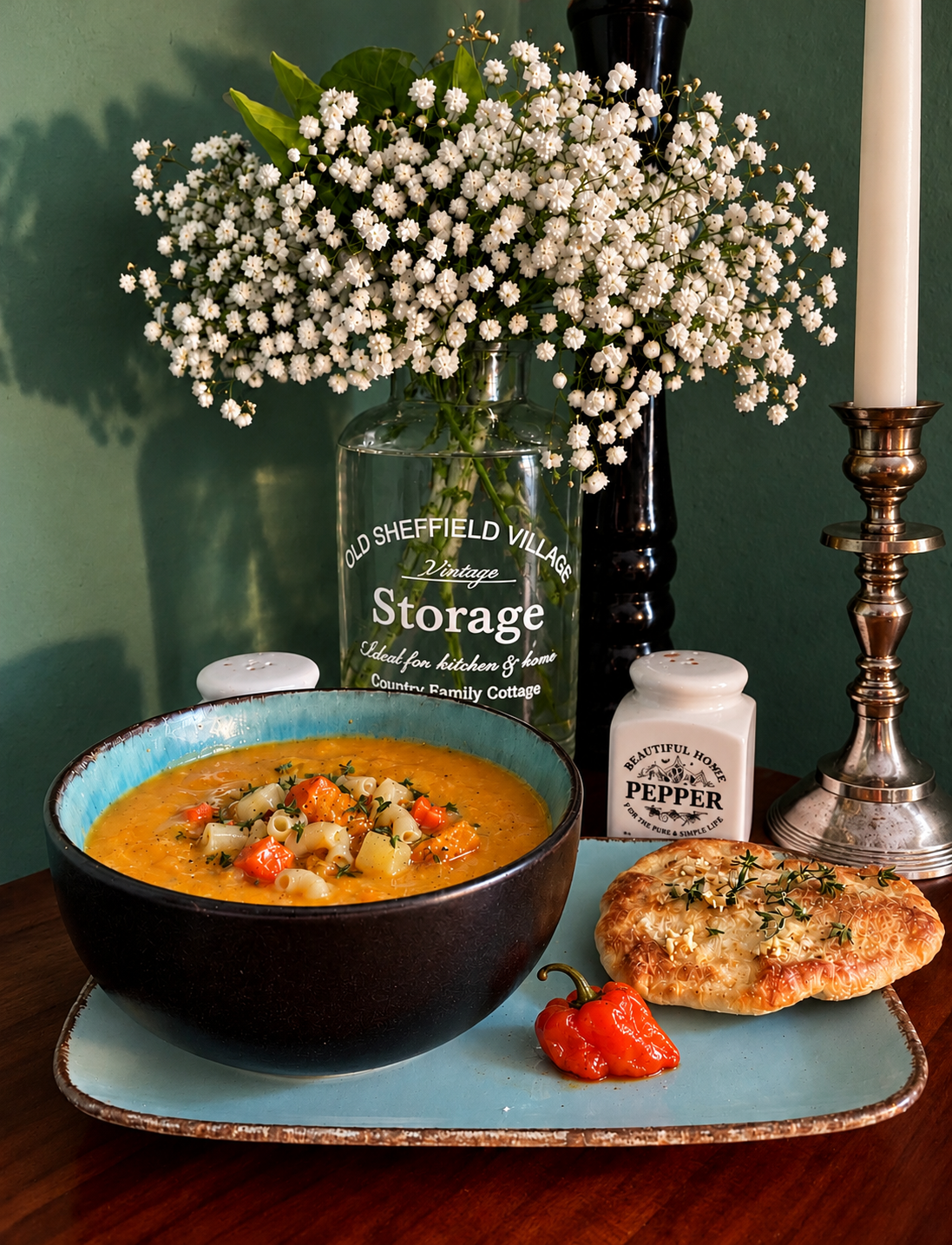
India – A Country of Many Religions and Culinary TraditionsIndia is a vast South Asian country with an extraordinarily diverse culinary heritage. Its regional cuisines reflect differences in geography, climate, history, religion and local ingredients. While cows are revered in many Hindu traditions and beef is avoided by many Hindus, dietary practices vary considerably across India. Hindu, Muslim, Christian and other communities have developed distinct food traditions over centuries. Kerala, on India's southwestern Malabar Coast, is particularly known for its coconut-based dishes, fragrant curry leaves, black pepper and aromatic spices. Its cuisine reflects the region's long history of maritime trade and its religious and cultural diversity.
Beef Ularthiyathu – Kerala's Famous Beef FryBeef Ularthiyathu, also known as Kerala Beef Fry, is a well-known preparation associated with Kerala's regional food culture. The Malayalam term ularthiyathu describes a cooking technique in which ingredients are sautéed or roasted while moisture is reduced, concentrating their flavors. Traditional versions commonly combine beef with shallots, garlic, ginger, curry leaves, black pepper and spices, often with coconut pieces. The finished dish is generally relatively dry and intensely seasoned. This Via Veggie Vegan interpretation replaces beef with LikeMeat plant-based pieces and adds fresh tomatoes, tomato paste and coconut milk for a richer, saucier result. It preserves the aromatic inspiration of Kerala cuisine while giving the dish a completely plant-based makeover.
From my kitchen to your plate.
Haiti – The Caribbean Nation That Fought for FreedomHaiti occupies the western part of the Caribbean island of Hispaniola, which it shares with the Dominican Republic. Its culture reflects a rich heritage shaped by African traditions, Indigenous history, French colonial influence and the extraordinary struggle for independence. On 1 January 1804, Haiti declared its independence after a successful revolution against French colonial rule, becoming the first independent Black republic and the first state established through a successful revolt by enslaved people. Haitian cuisine is known for its vibrant seasonings, aromatic herbs, vegetables, rice, beans and deeply flavorful dishes. Food plays an important role in family gatherings, cultural identity and the preservation of traditions.
Soup Joumou – Haiti's Freedom Soup, Traditionally Eaten on 1 JanuarySoup Joumou is a traditional Haitian squash soup with profound historical and cultural significance. According to Haitian tradition, during French colonial rule, the richly prepared soup was associated with the colonial elite and denied to enslaved Haitians. Following independence on 1 January 1804, preparing and enjoying Soup Joumou became a powerful symbol of liberation, dignity and the freedom to enjoy what had previously been forbidden. Today, Haitian families and communities in Haiti and around the world traditionally prepare and share the soup on New Year's Day, which is also Haiti's Independence Day. Soup Joumou is often described as a soup of freedom, unity and peace. In 2021, UNESCO inscribed the knowledge and practices surrounding Joumou soup on its Representative List of the Intangible Cultural Heritage of Humanity. Traditional versions often contain meat, while this Via Veggie Vegan interpretation celebrates the dish with butternut squash, vegetables, pasta, homemade Haitian epis and vegetable broth.
From my kitchen to your plate.
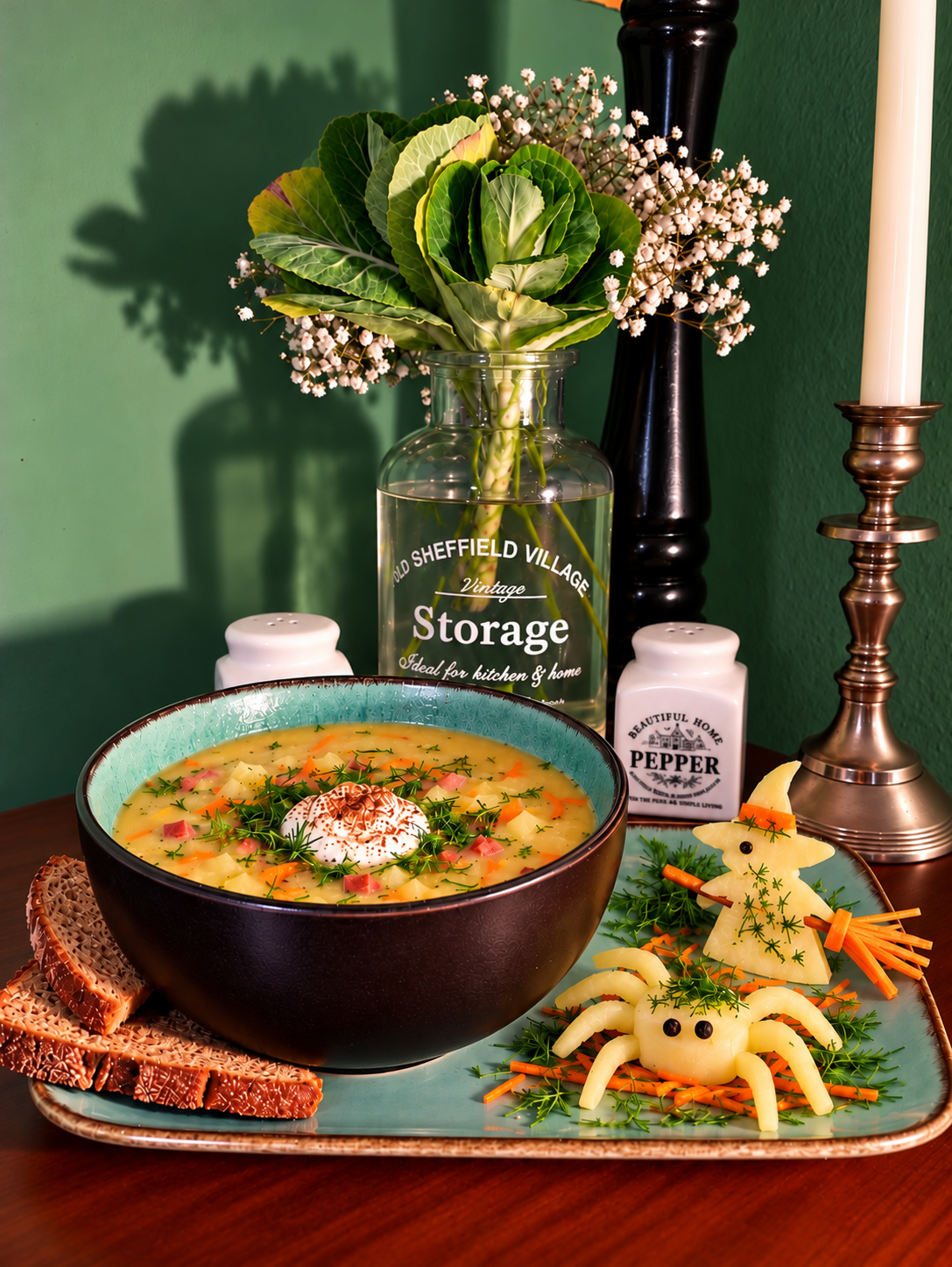
Estonia – Seasonal Comfort Food from the Baltic RegionEstonia is a Northern European country on the Baltic Sea, known for its forests, islands and strong connection to seasonal ingredients. Traditional Estonian cuisine features potatoes, cabbage, root vegetables, rye bread and fresh herbs. Dill is particularly popular in soups, potato dishes and salads, while sour cream is a familiar accompaniment to many savory meals. Simple, warming dishes have long played an important role in everyday Estonian home cooking, especially during the colder months.
Estonian Kohlrabi Soup – A Creamy Vegan InterpretationThis Estonian-inspired Kohlrabisupp draws on the region's love of seasonal vegetables, potatoes and fresh dill rather than reproducing a specific traditional national dish. Kohlrabi and potatoes are simmered in vegetable stock and blended with soy cooking cream to create a smooth, comforting soup. Finely grated carrots provide a delicate texture, while nutritional yeast, crispy vegan bacon-style cubes and plant-based sour cream add savory richness. For Halloween, cooked kohlrabi is transformed into a handmade witch and spider, bringing a playful Via Veggie Vegan twist to this Baltic-inspired autumn recipe.
