From my kitchen to your plate.
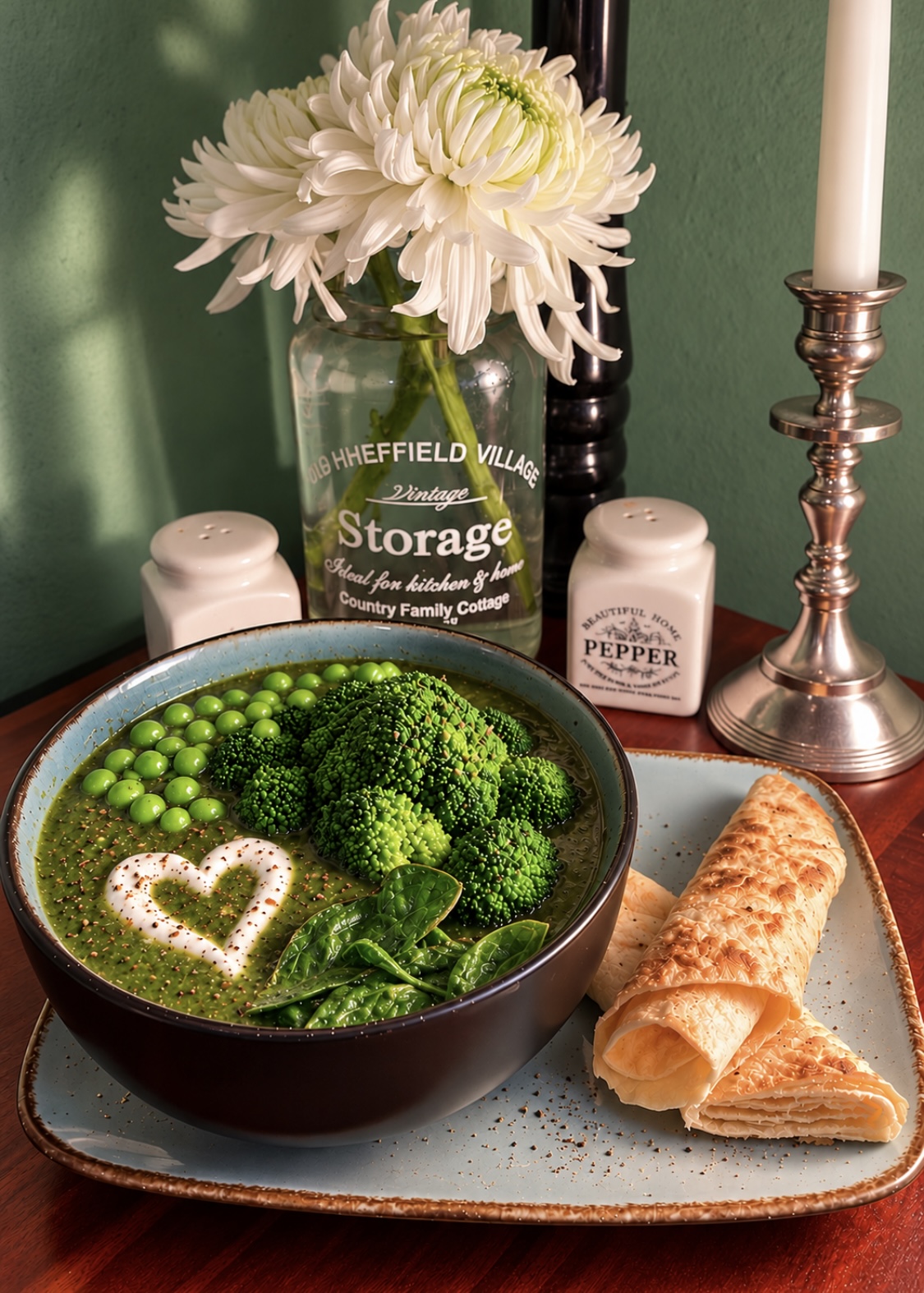
Dominica – The Nature Island of the CaribbeanDominica is a mountainous Caribbean island known for its lush rainforests, fertile volcanic landscapes and rich culinary heritage. Local cooking draws on fresh vegetables, tropical produce, herbs, root crops and traditional Caribbean seasonings. Callaloo is an important part of Dominican food culture, with recipes varying between families and households.
What Is Callaloo?Callaloo is a traditional Caribbean dish prepared with leafy greens and aromatic ingredients. In Dominica, dasheen leaves are traditionally associated with callaloo soup, although spinach can be used as an alternative. Okra contributes a characteristic texture, while coconut milk, thyme, onion, garlic and chilli create a fragrant, comforting combination. My Via Veggie Vegan version uses fresh spinach instead of dasheen leaves and adds broccoli, green peas, potato and a lighter coconut milk base. Crispy spinach leaves, two coconut cream hearts and optional rolled flatbread complete this colourful, fully plant-based interpretation.
From my kitchen to your plate.
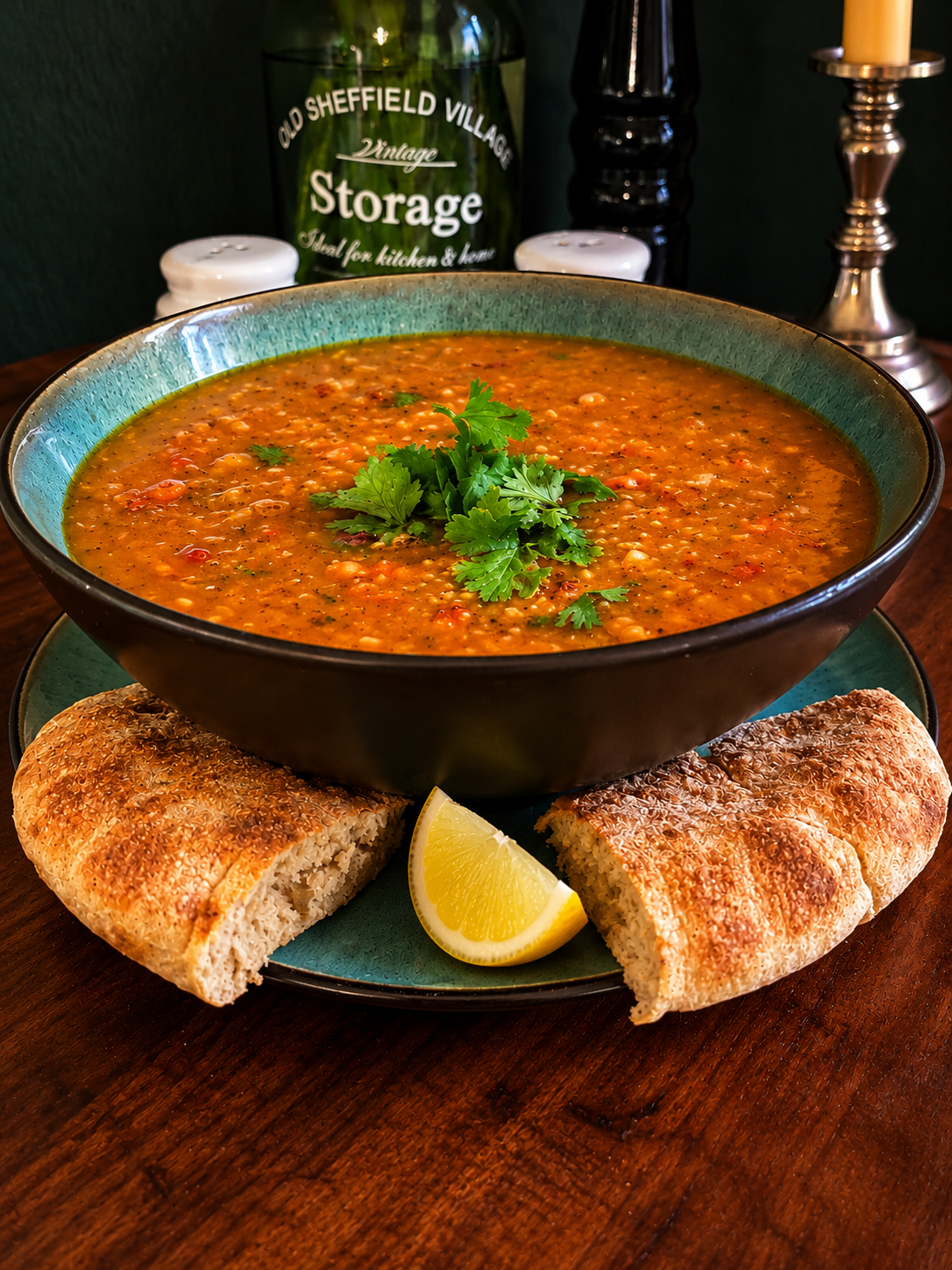
Syria – A Rich Culinary Heritage in the Heart of the LevantSyria is a Middle Eastern country with a culinary history shaped by centuries of trade, agriculture and cultural exchange. Its cuisine shares many ingredients and traditions with neighboring Lebanon, including lentils, chickpeas, olive oil, fresh herbs, garlic, lemon and aromatic spices. Soups, stews, vegetable dishes and flatbreads are important parts of Syrian home cooking. Shorbat Adas is especially appreciated as an affordable, warming and satisfying dish, often enjoyed during cooler months and at Iftar, the evening meal that breaks the Ramadan fast.
What Is Shorbat Adas – And How Does the Syrian Version Differ from the Lebanese One?Shorbat Adas literally means lentil soup: shorba refers to soup, while adas means lentils. The dish belongs to the shared culinary heritage of Syria, Lebanon and the wider Levant rather than exclusively to one country. Both Syrian and Lebanese preparations commonly feature lentils, onions and warming spices, often finished with fresh lemon juice. Some traditional recipe interpretations distinguish between cumin-forward Syrian versions and Lebanese variations seasoned with cinnamon. However, these are family and recipe variations, not strict national rules: cumin, turmeric, coriander and other spices appear in recipes from both countries. My Syrian-inspired Shorbat Adas uses cumin, turmeric, ground coriander, garlic and carrot, creating a beautifully aromatic soup that celebrates the close culinary connection between Syria and Lebanon.
From my kitchen to your plate.
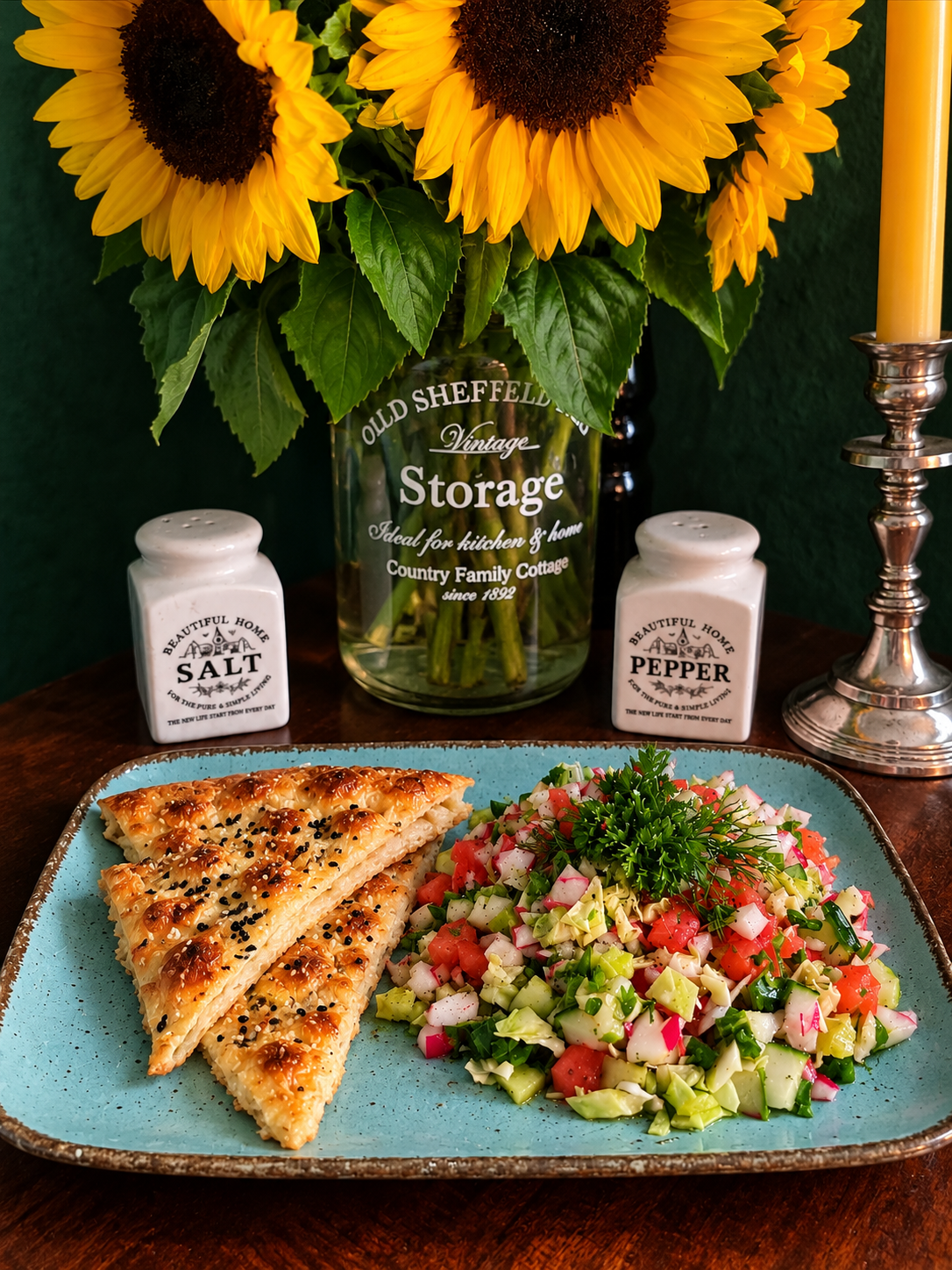
Turkmenistan – A Country of Central Asian Food TraditionsTurkmenistan is a Central Asian country bordered by Kazakhstan, Uzbekistan, Afghanistan, Iran and the Caspian Sea. Much of its landscape is dominated by the Karakum Desert, while agriculture and food traditions are closely connected to fertile oases and irrigated regions. Bread, vegetables, grains, meat dishes and fresh herbs all have a place in Turkmen cuisine. Hospitality and sharing food are important elements of everyday life, and fresh salads provide a welcome contrast to richer dishes.
What Is Turkmen Chopped Summer Salad?This Turkmen-inspired summer salad combines finely chopped seasonal vegetables with aromatic dill, parsley and a simple dressing. Its fresh character is reminiscent of chopped vegetable salads found throughout Central Asia and neighboring culinary traditions. The combination of cabbage, cucumber, tomatoes, radishes and herbs creates a particularly crunchy texture. My version brings everything together with extra virgin olive oil, freshly squeezed lemon juice, a little vinegar and a gentle touch of chili. Simple ingredients, plenty of freshness and absolutely no complicated cooking required.
From my kitchen to your plate.
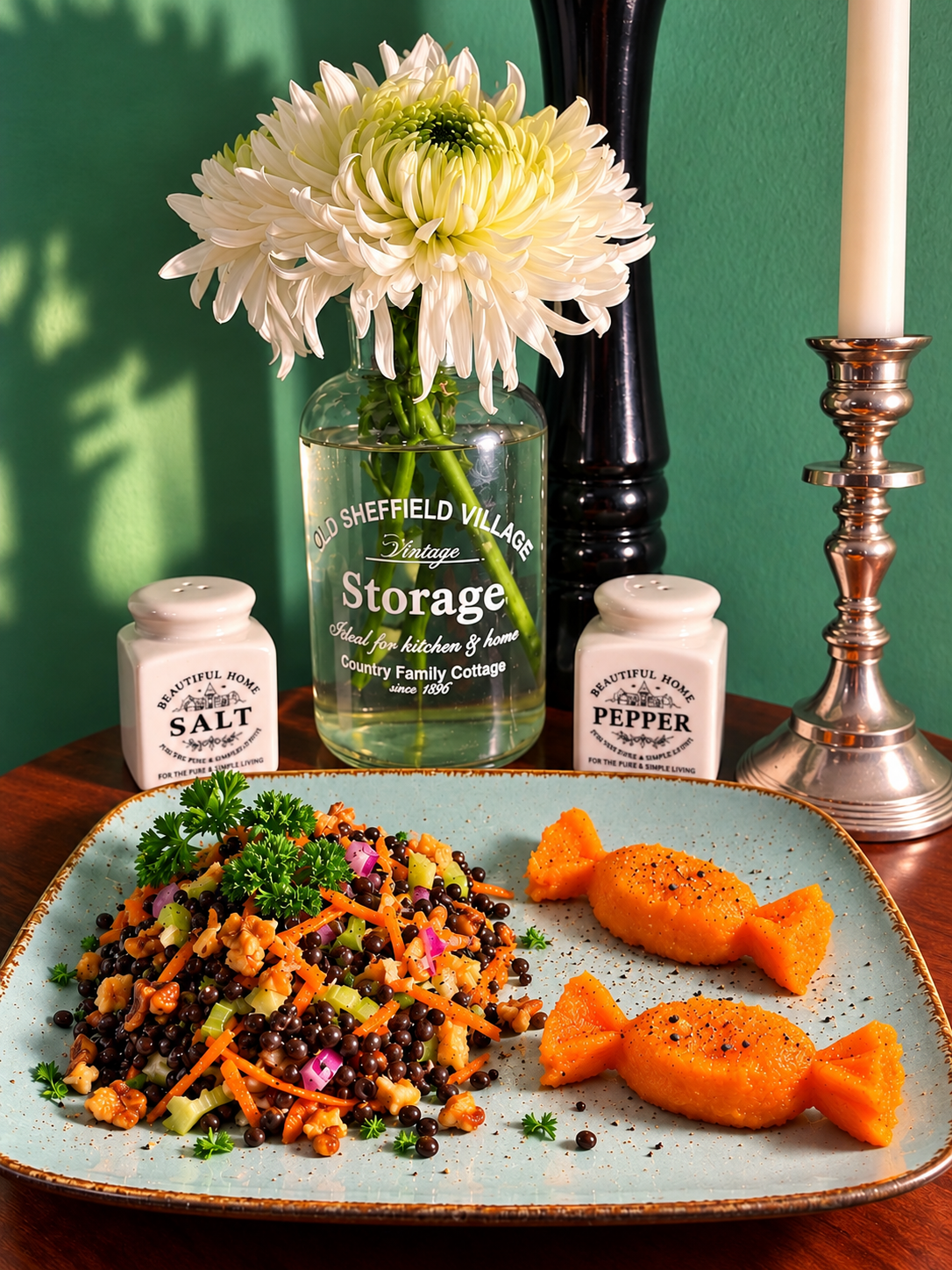
France – A Culinary Celebration of the SeasonsFrench cuisine has a long tradition of celebrating fresh, seasonal ingredients and regional produce. As autumn arrives, walnuts, root vegetables, lentils and warming, earthy flavours take centre stage. From countryside kitchens to neighbourhood bistros, simple salads made with pulses, vegetables and aromatic vinaigrettes reflect the French appreciation for quality ingredients and thoughtful preparation.
Salade d’Automne aux Lentilles et Noix – A French Autumn ClassicFrench lentil salads are traditionally prepared with firm, flavourful lentils, often the famous green Lentilles Vertes du Puy, and dressed with mustard vinaigrette. This autumn-inspired interpretation uses black Beluga lentils, which retain their shape beautifully and offer a delicate, earthy flavour. Toasted walnuts, crunchy vegetables and a slightly sweet walnut oil vinaigrette create a wonderful balance of textures and seasonal aromas.
From my kitchen to your plate.
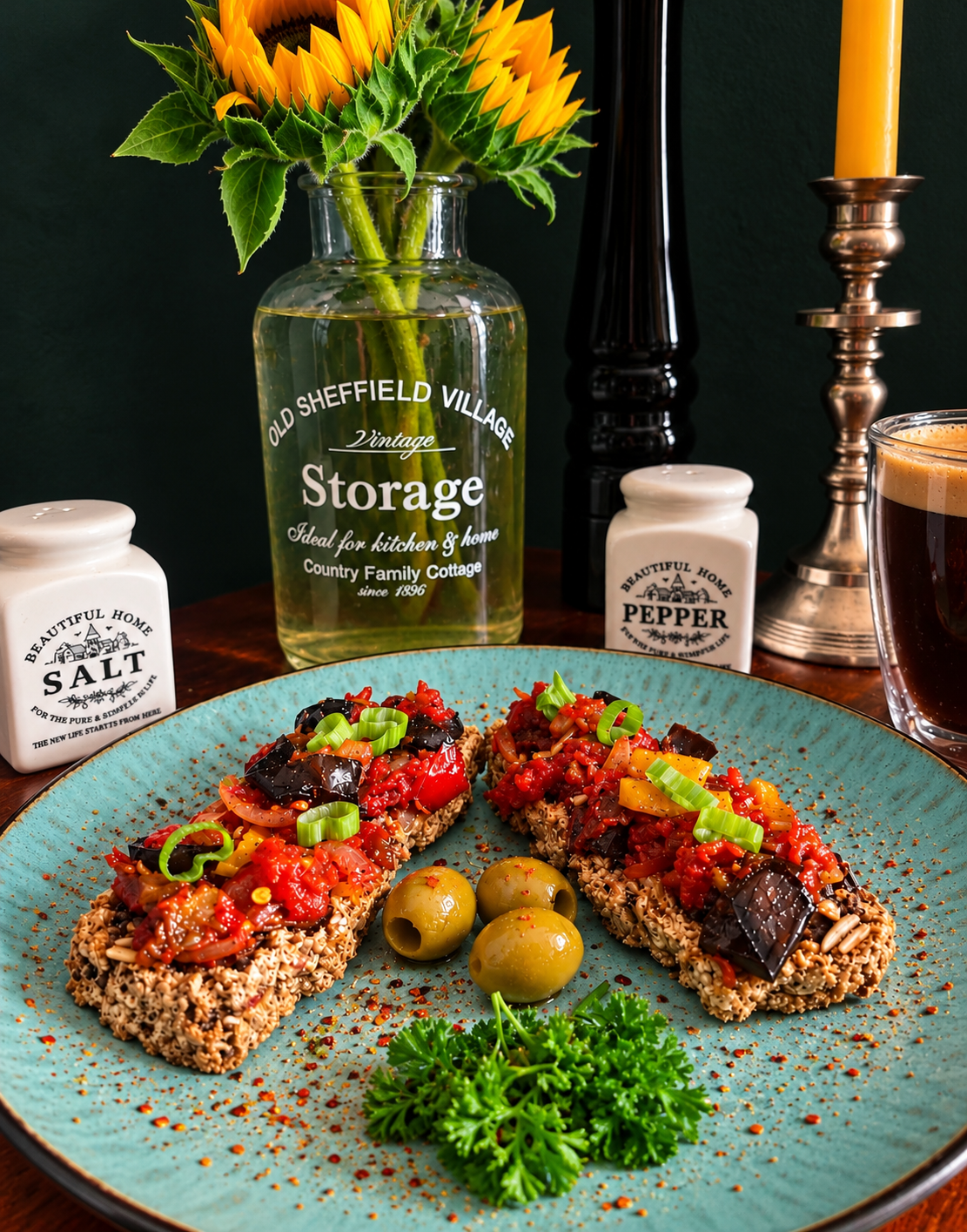
North Macedonia – A Culinary Crossroads in the BalkansNorth Macedonia is a landlocked country in southeastern Europe whose cuisine reflects centuries of Balkan, Mediterranean and Ottoman influences. Fresh vegetables, peppers, tomatoes, beans, herbs and rustic breads are essential parts of its culinary traditions. Roasted vegetable preparations, savory spreads and small dishes known as meze are particularly popular. Seasonal ingredients and traditional preservation methods play an important role, especially when preparing vegetables for the colder months.
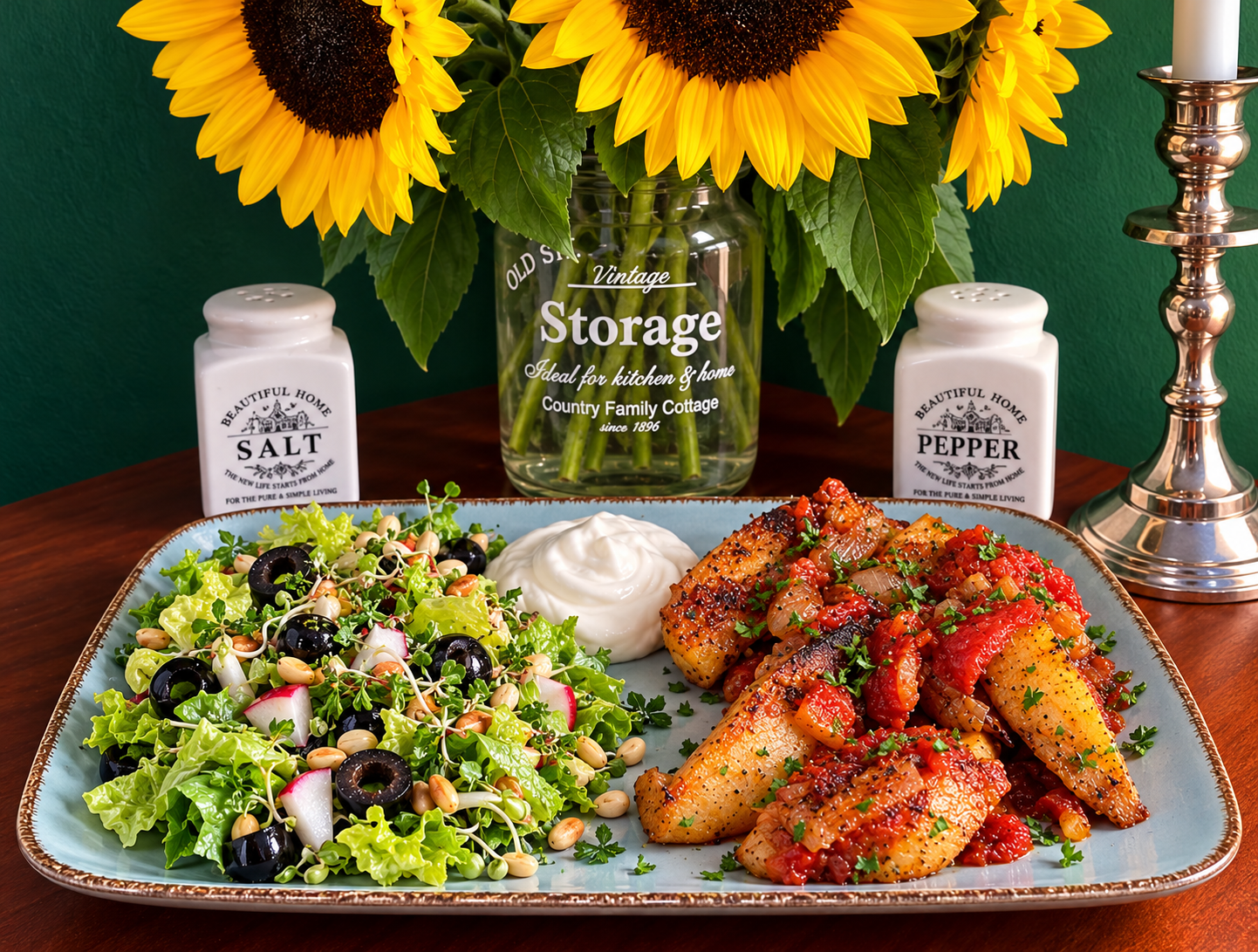
Pindjur – A Rustic Roasted Vegetable SpecialtyPindjur is a traditional North Macedonian vegetable relish typically prepared with roasted peppers, tomatoes, garlic and, in many variations, eggplant. Unlike the better-known Ajvar, Pindjur generally has a chunkier consistency and a particularly juicy tomato character. The vegetables are chopped or crushed rather than blended into a completely smooth purée. Pindjur is naturally vegan when prepared without animal-derived additions and can be enjoyed as a spread, side dish or part of a meze selection. It is sometimes served with traditional white brined cheese, but my Via Veggie Vegan version skips the cheese entirely. Instead, I serve the rich, aromatic vegetable relish generously on crispy roasted farmhouse bread, accompanied by green olives and fresh parsley.
From my kitchen to your plate.
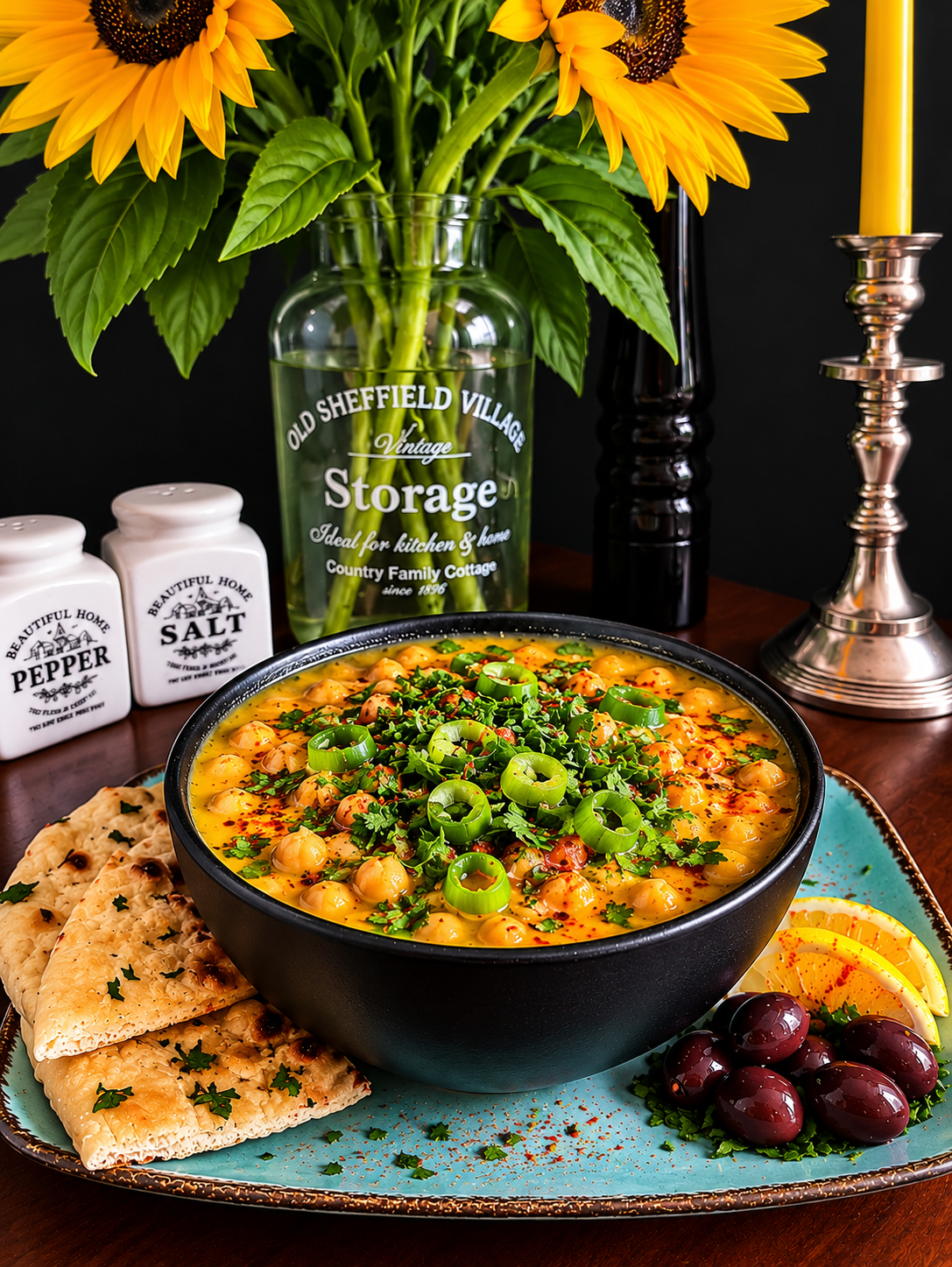
Tunisia – North African Flavours with a Mediterranean SoulTunisia lies on the Mediterranean coast of North Africa, where Amazigh, Arab, Ottoman and Mediterranean influences have shaped a rich and distinctive culinary heritage. Olive oil, legumes, vegetables, garlic, cumin and chili peppers feature prominently in traditional cooking. Harissa, the country's famous chili paste, adds depth and heat to everything from soups and stews to vegetable dishes. Tunisian cuisine is known for its bold seasoning, comforting everyday meals and the wonderful ability to transform simple ingredients into something memorable.
Lablabi – Tunisia's Beloved Chickpea and Bread SoupLablabi is a traditional Tunisian dish made with tender chickpeas, their cooking broth, garlic, cumin, harissa and pieces of bread. Particularly popular during the colder months, it is widely enjoyed as an affordable, filling street food and everyday comfort meal. The bread absorbs the fragrant broth, gradually turning the soup into a thick, rustic mixture. Depending on the preparation, Lablabi may be served with additional toppings such as eggs, tuna, capers or olives. My Via Veggie Vegan version keeps the chickpeas, spices, bread and olives while leaving out the animal-derived toppings. Fresh coriander and spring onion greens provide a colourful finishing touch.
From my kitchen to your plate.
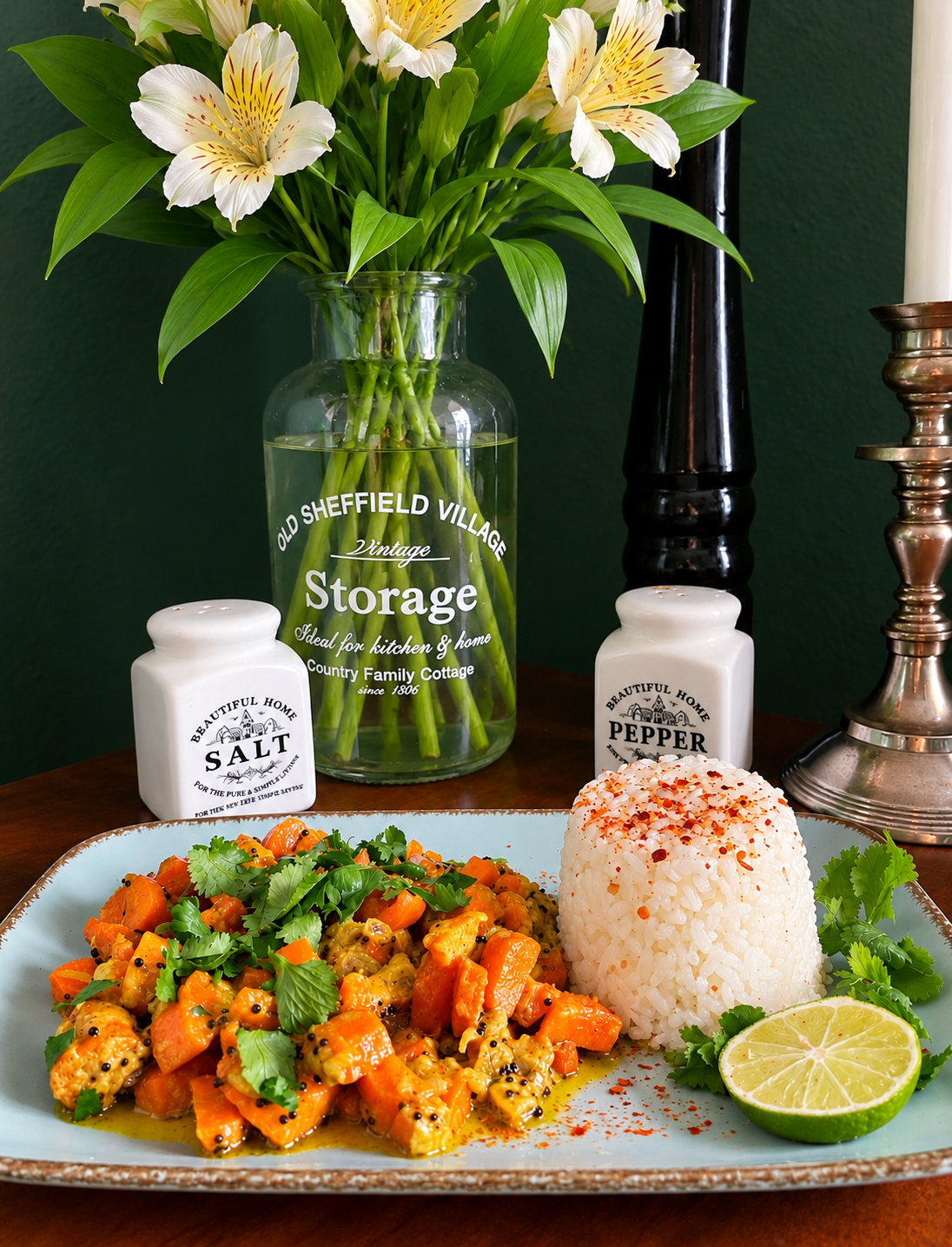
Sri Lanka – The Pearl of the Indian OceanSri Lanka is an island nation in South Asia, situated in the Indian Ocean southeast of India. Often called the Pearl of the Indian Ocean, the country is known for its tropical landscapes, tea plantations, diverse wildlife and rich culinary traditions. Sri Lankan cooking makes extensive use of coconut, rice, vegetables, chillies, curry leaves and aromatic spices. Regional and cultural influences have shaped a cuisine that combines bold flavours with everyday ingredients, creating dishes that are both vibrant and deeply comforting.
Carrot Mallum – A Colourful Sri Lankan Vegetable ClassicMallum, also spelled mallung, refers to a Sri Lankan preparation of finely chopped or shredded vegetables or leafy greens mixed with grated coconut and seasonings. Unlike a creamy coconut curry, mallum is generally relatively dry and retains more texture. Carrot Mallum brings together naturally sweet carrots, coconut, mustard seeds, curry leaves and fresh chillies. My Via Veggie Vegan version uses mustard oil for an additional aromatic note and finishes with fresh lime juice. Served alongside rice, it makes a colourful and satisfying plant-based meal.
From my kitchen to your plate.
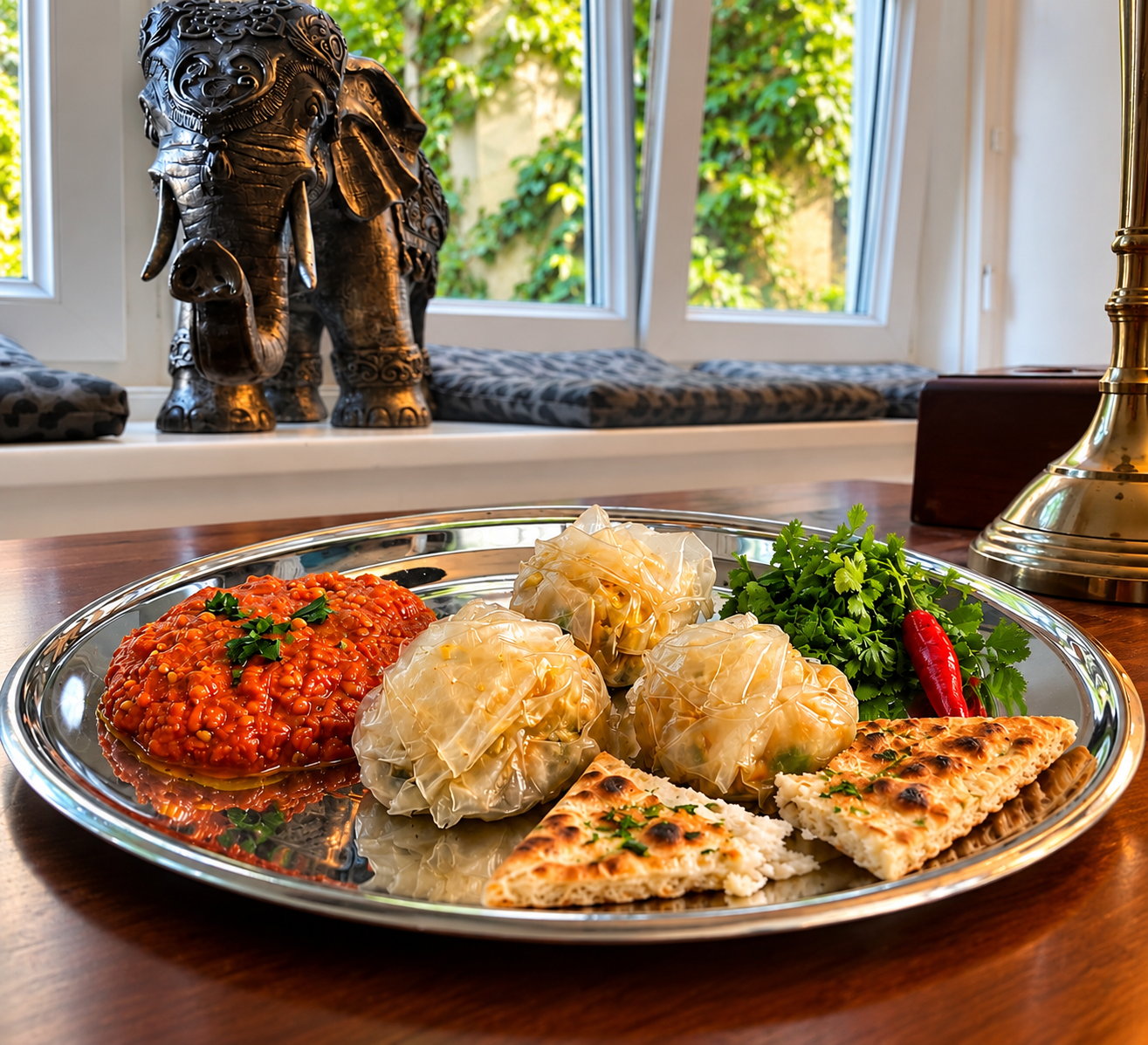
Nepal – Culinary Traditions from the Himalayas
Nepal is a landlocked country in South Asia, home to the Himalayan mountains, including Mount Everest, and a remarkably diverse culinary heritage. Influenced by its geography, ethnic communities and neighbouring Tibetan and Indian food traditions, Nepalese cuisine features aromatic spices, rice, lentils, vegetables, pickles and freshly prepared breads. Food is an important part of family life, celebrations and hospitality.
Momos – Nepal's Beloved Steamed Dumplings
Momos are among Nepal's most popular dishes, with culinary roots closely connected to Tibetan dumpling traditions. These delicate parcels are typically filled with seasoned vegetables or meat, carefully folded by hand and steamed until tender. They are commonly served with a spicy dipping sauce known as achar, often prepared with tomatoes, sesame seeds and chillies. My Via Veggie Vegan version features a homemade vegetable filling, freshly ground Momo Masala and a fiery tomato sesame achar.
From my kitchen to your plate.
Cyprus – An Island of Mediterranean Flavours
Located in the eastern Mediterranean, Cyprus has a rich culinary heritage shaped by its geography, agricultural traditions and centuries of cultural exchange. Fresh vegetables, olive oil, herbs, citrus fruits and legumes are essential ingredients in everyday cooking. Family meals often celebrate seasonal produce and dishes designed to be shared around the table.
Patates tou Fournou – Traditional Cypriot Oven Potatoes
Patates tou Fournou (Πατάτες του Φούρνου) literally means oven potatoes. Unlike ordinary roasted potatoes, this traditional Cypriot speciality is slowly cooked with olive oil, aromatic oregano, tomatoes, onions and a little liquid. The potatoes first become tender through gentle steaming and braising before developing beautifully golden edges during the final uncovered roasting stage. A wonderfully rustic Mediterranean dish that is naturally vegan when prepared with vegetable stock.
From my kitchen to your plate.
Brazil – A Country of Culinary DiversityBrazil is the largest country in South America, renowned for its extraordinary biodiversity, tropical landscapes, vibrant cities and rich cultural heritage. Its cuisine reflects centuries of Indigenous Brazilian, African, Portuguese and other cultural influences, creating a fascinating variety of regional food traditions. From the Amazon rainforest to the Atlantic coastline, local ingredients and cooking techniques differ considerably. Coconut milk, cassava, beans, peppers, fresh herbs and tropical fruits all play important roles in Brazilian cooking. The northeastern state of Bahia is particularly famous for its aromatic, colourful dishes and strong Afro-Brazilian culinary heritage, making it a wonderful source of inspiration for my Via Veggie Vegan journey.
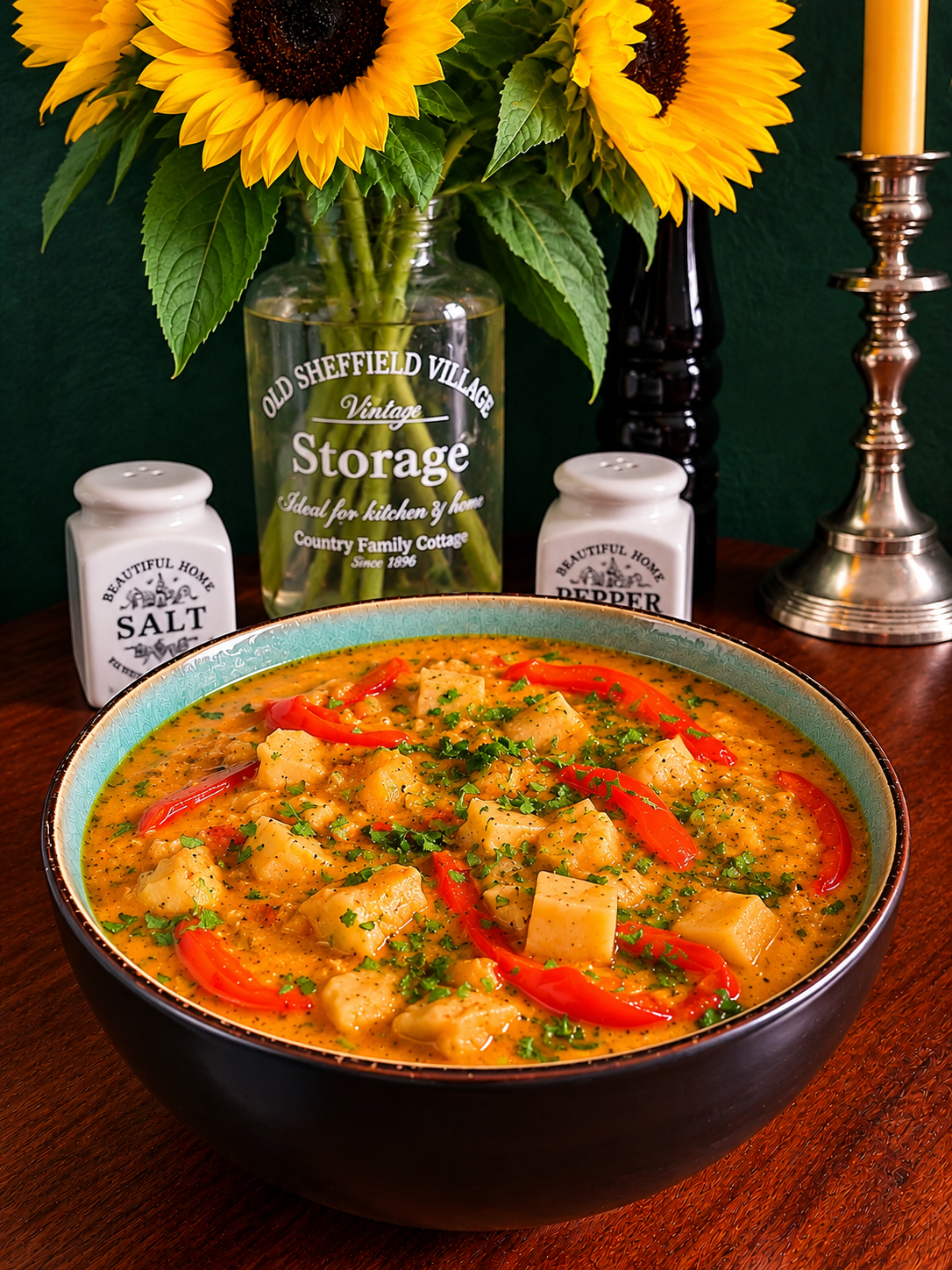
What Is Moqueca de Salsão-Raiz?Moqueca is a traditional Brazilian stew particularly associated with the coastal states of Bahia and Espírito Santo. Moqueca baiana typically combines fish or seafood with coconut milk, red palm oil, tomatoes, peppers, onions and coriander, while moqueca capixaba follows a different regional tradition without coconut milk or palm oil. My Moqueca de Salsão-Raiz is a contemporary, Brazilian-inspired vegan interpretation that gives celeriac the leading role. Tender pieces of this wonderfully earthy root vegetable are cooked with tomatoes, red bell pepper, garlic and chili in a rich coconut sauce. Fresh turmeric and a little orange zest create a beautiful golden-orange colour without using traditional red palm oil, while lime juice and plenty of fresh coriander provide a vibrant, aromatic finish. A colourful, comforting plant-based tribute to the flavours of Bahia – with a very personal Via Veggie Vegan twist!
From my kitchen to your plate.
Lebanon – A Country of Ancient Traditions and Mediterranean Flavors
Lebanon is a small country on the eastern Mediterranean coast, celebrated for its rich culinary heritage, fresh ingredients and vibrant food culture. Lebanese cuisine combines Mediterranean and Levantine influences, with legumes, vegetables, olive oil, aromatic spices and fresh herbs playing central roles. From colorful mezze to hearty soups and freshly baked flatbreads, sharing food is an important part of Lebanese hospitality and everyday life.
What Is Shorbat Adas?
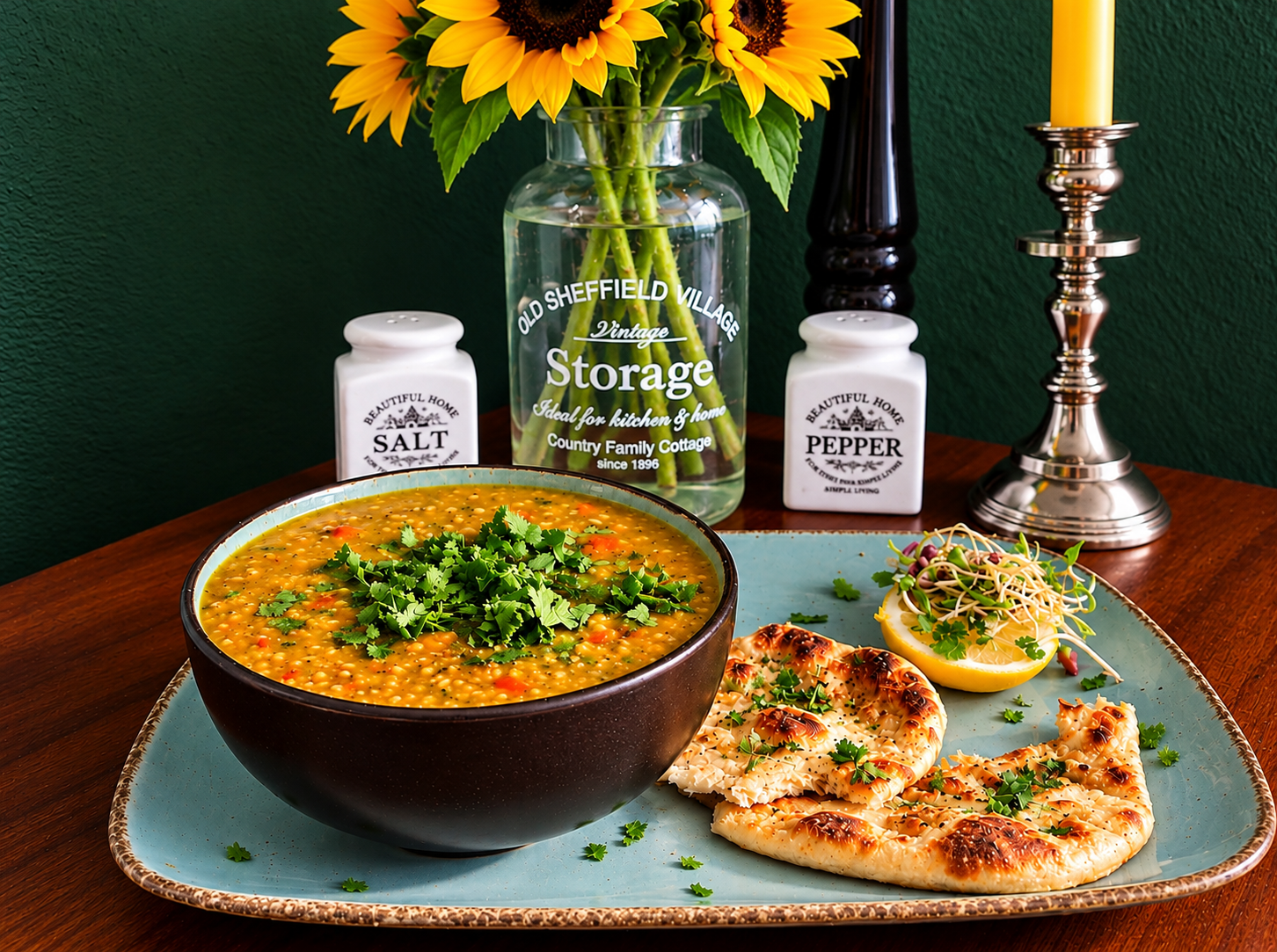
Shorbat Adas (شوربة عدس) literally means "lentil soup" and is a comforting dish enjoyed throughout Lebanon and the wider Middle East. Traditional versions commonly combine red or yellow lentils with onions, cumin and other vegetables, simmered until tender and naturally creamy. This Via Veggie Vegan version uses red lentils, carrots, onion and cumin, blended into a smooth, golden soup. Fresh lemon is served separately so everyone can adjust the acidity according to personal preference
From my kitchen to your plate.
South Korea – A Culinary Culture of Balance and Fermentation
South Korea is an East Asian country renowned for its diverse culinary traditions, fermented foods and colorful vegetable dishes. Korean cuisine combines savory, spicy, sweet and aromatic flavors, with ingredients such as garlic, sesame oil, soy sauce and gochugaru playing important roles. A traditional Korean meal often includes banchan, small side dishes served alongside rice and other preparations. Vegetables, seasonal ingredients and fermentation are central elements of this rich food culture.
What Is Aehobak Bokkeum?
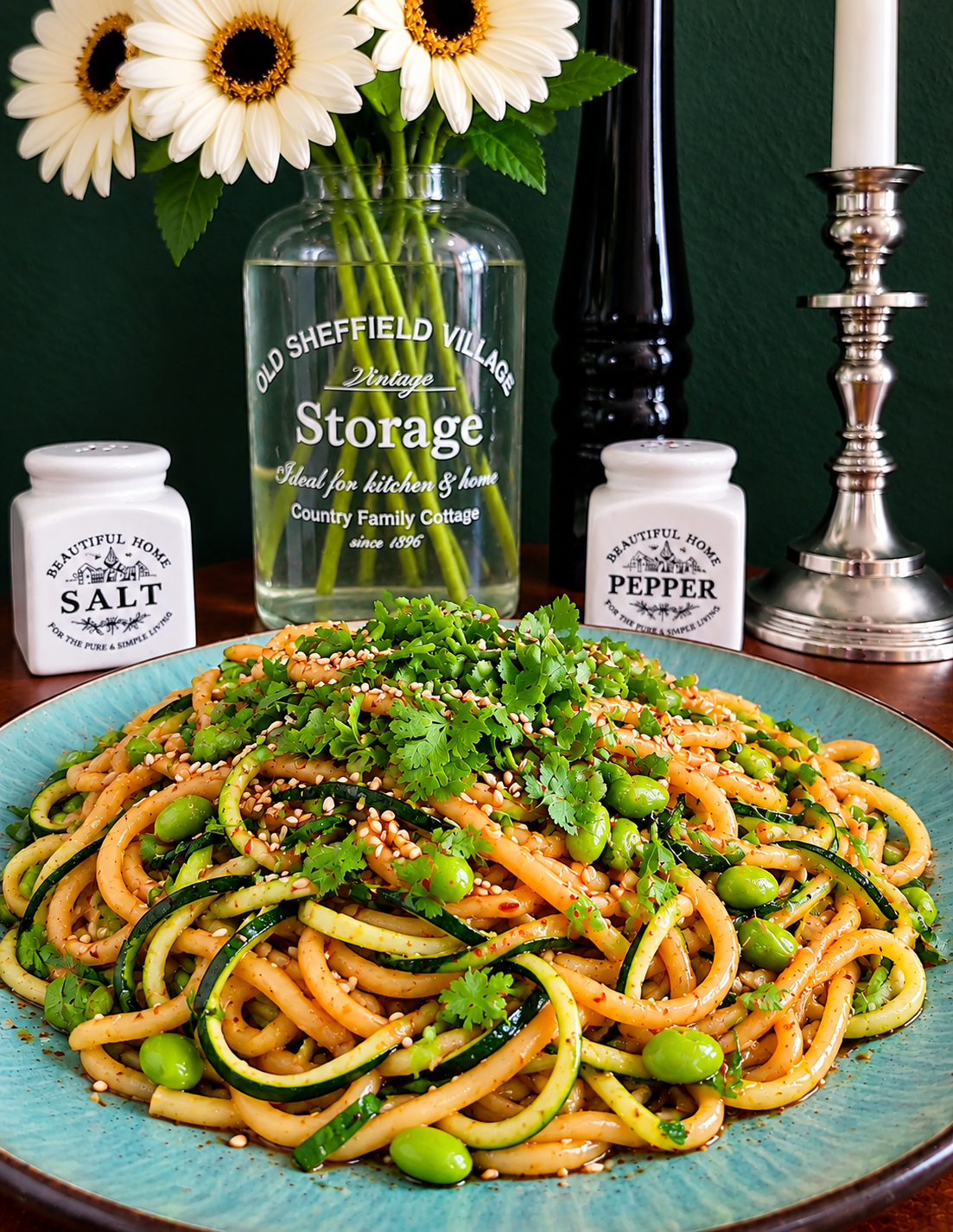
Aehobak Bokkeum (애호박볶음) is a traditional Korean stir-fried summer squash dish commonly served as banchan. Aehobak refers to Korean summer squash, while bokkeum means stir-fried. Traditionally, the squash is sliced and quickly cooked with ingredients such as garlic, spring onions and sesame oil. My Via Veggie Vegan interpretation replaces Korean aehobak with spiralized zucchini and transforms the vegetable side dish into a complete noodle meal with Udon, edamame and a savory miso-gochugaru sauce. Fresh coriander and sesame add the finishing touch.
From my kitchen to your plate.
Yemen – A Land of Ancient Traditions and Aromatic Cuisine
Yemen is located at the southern end of the Arabian Peninsula and has a rich culinary heritage shaped by centuries of trade, agriculture and cultural exchange. Its cuisine is known for aromatic spices, hearty stews, traditional breads and distinctive condiments. Ingredients such as garlic, herbs, legumes and sesame appear in different regional preparations, reflecting Yemen's connections with the wider Middle East.
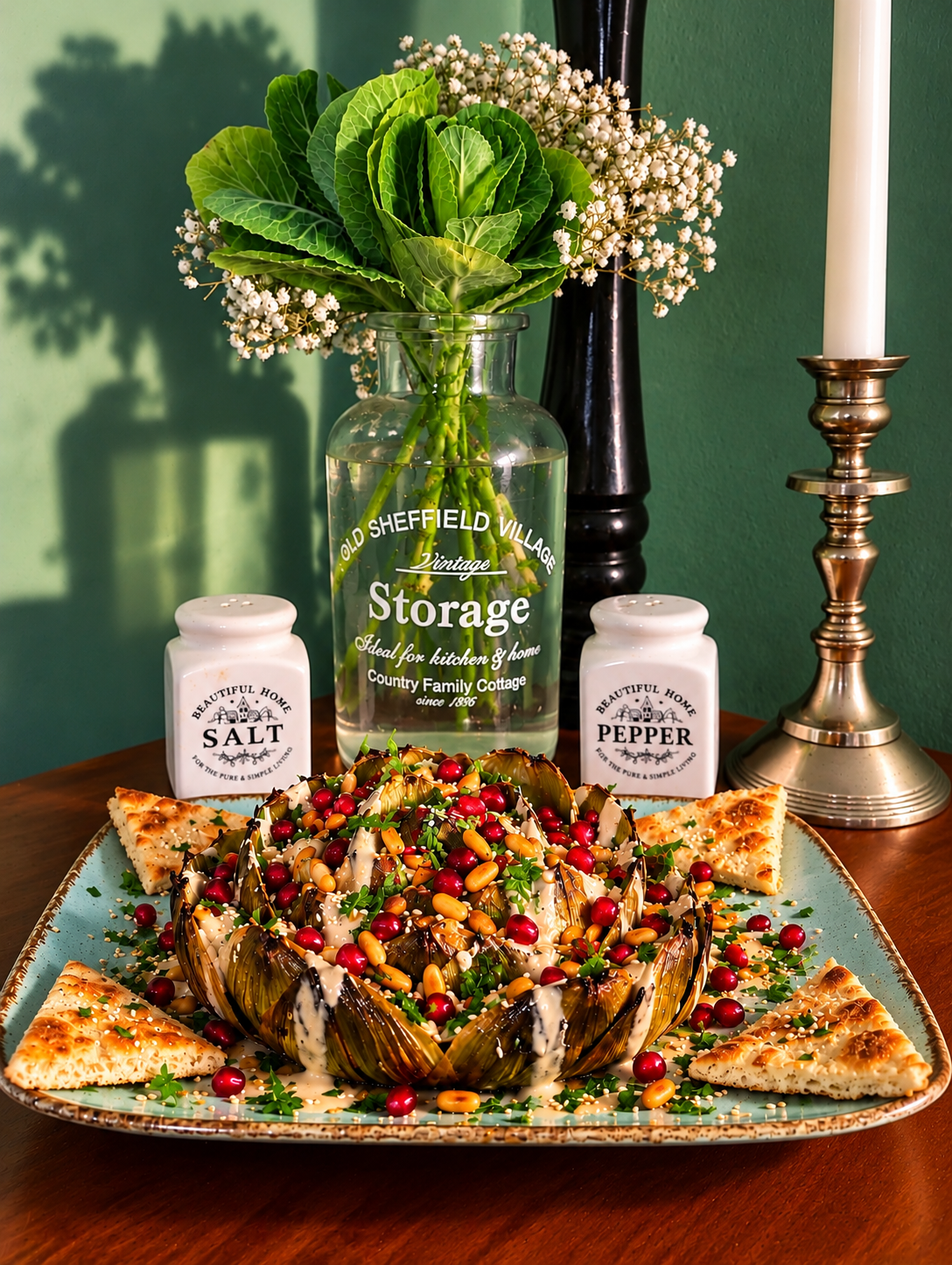
What Are Roasted Artichokes with Tahini Sauce?
These roasted artichokes are a Via Veggie Vegan creation inspired by Middle Eastern and Levantine flavors rather than a documented traditional Yemeni national dish. Whole artichokes are roasted with olive oil and lemon until tender, then generously coated with taratur, a creamy sauce made from tahini, garlic, lemon juice and water. Toasted pine nuts, pomegranate seeds, sesame and fresh parsley add contrasting textures and flavors, while warm flatbread makes the dish perfect for sharing.
From my kitchen to your plate.
Jamaica – The Caribbean Island of Bold Flavours
Jamaica is a Caribbean island renowned for its vibrant culture, reggae music and distinctive culinary traditions. Its cuisine reflects Indigenous, African, European and Asian influences, combining tropical ingredients with aromatic herbs, warming spices and fiery chilies. Allspice, known locally as pimento, and Scotch Bonnet peppers are particularly characteristic of Jamaican cooking, alongside thyme, spring onions, garlic and ginger.
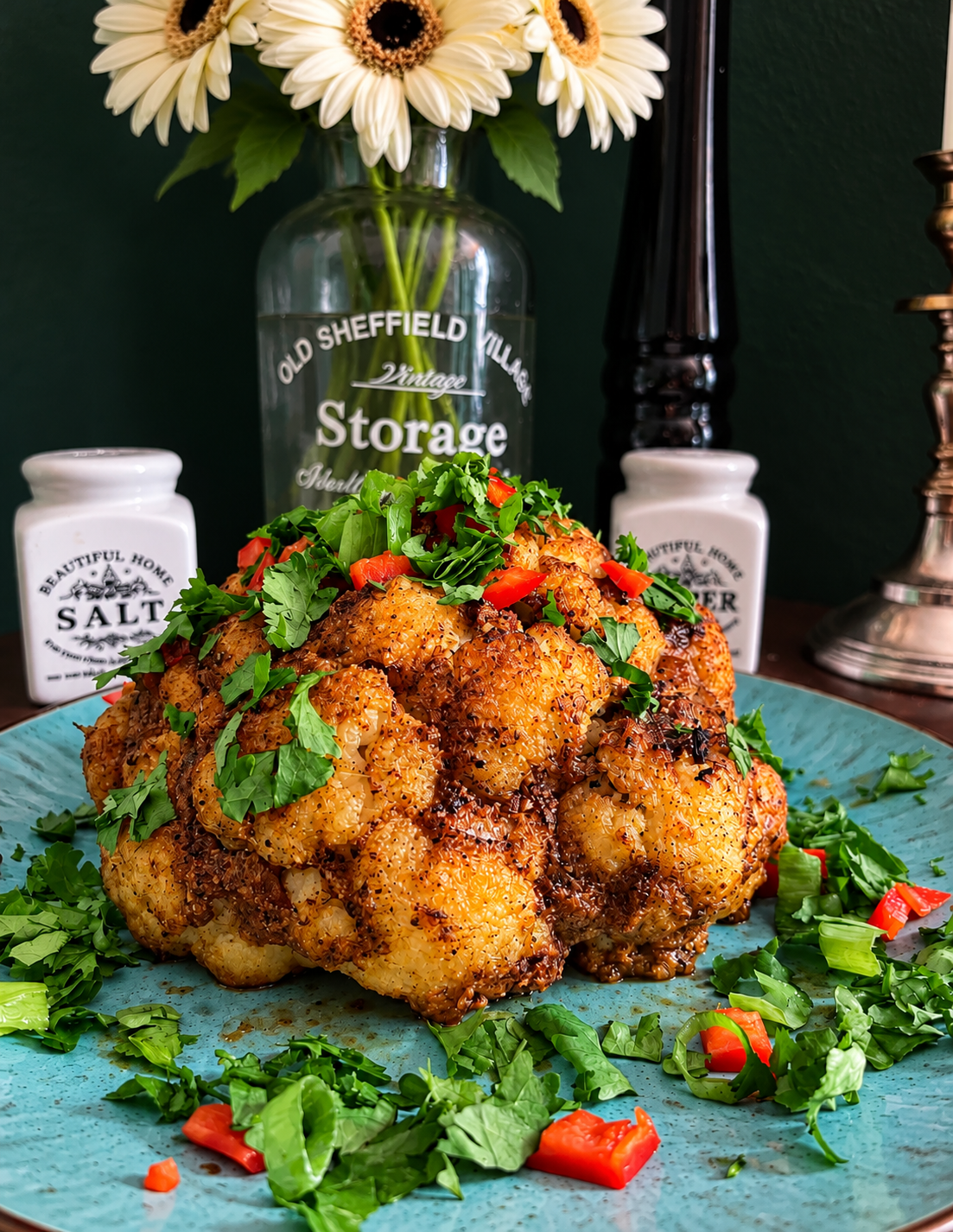
What Is Whole Roasted Jerk Cauliflower?
Jerk is one of Jamaica's most recognizable culinary traditions, traditionally associated with intensely seasoned meat cooked over fire or smoke. Whole Roasted Jerk Cauliflower is a modern plant-based interpretation inspired by those characteristic flavors. An entire cauliflower is coated in a homemade marinade of Scotch Bonnet chili, allspice, thyme, garlic, ginger, soy sauce and lime. Turmeric, fenugreek and a few drops of liquid smoke add my personal Via Veggie Vegan twist. Oven-roasted until deeply golden and tender inside, it becomes a wonderfully aromatic vegan centerpiece.
From my kitchen to your plate.
Italy – A Culinary Journey to Puglia
Italy is celebrated for its remarkable regional cuisine, where traditional recipes reflect local ingredients, history and culinary creativity. In the southern region of Puglia, olive oil, tomatoes, garlic, chili and pasta are essential ingredients. Bari, the region's lively coastal capital, is particularly famous for its distinctive pasta traditions and vibrant street-food culture.
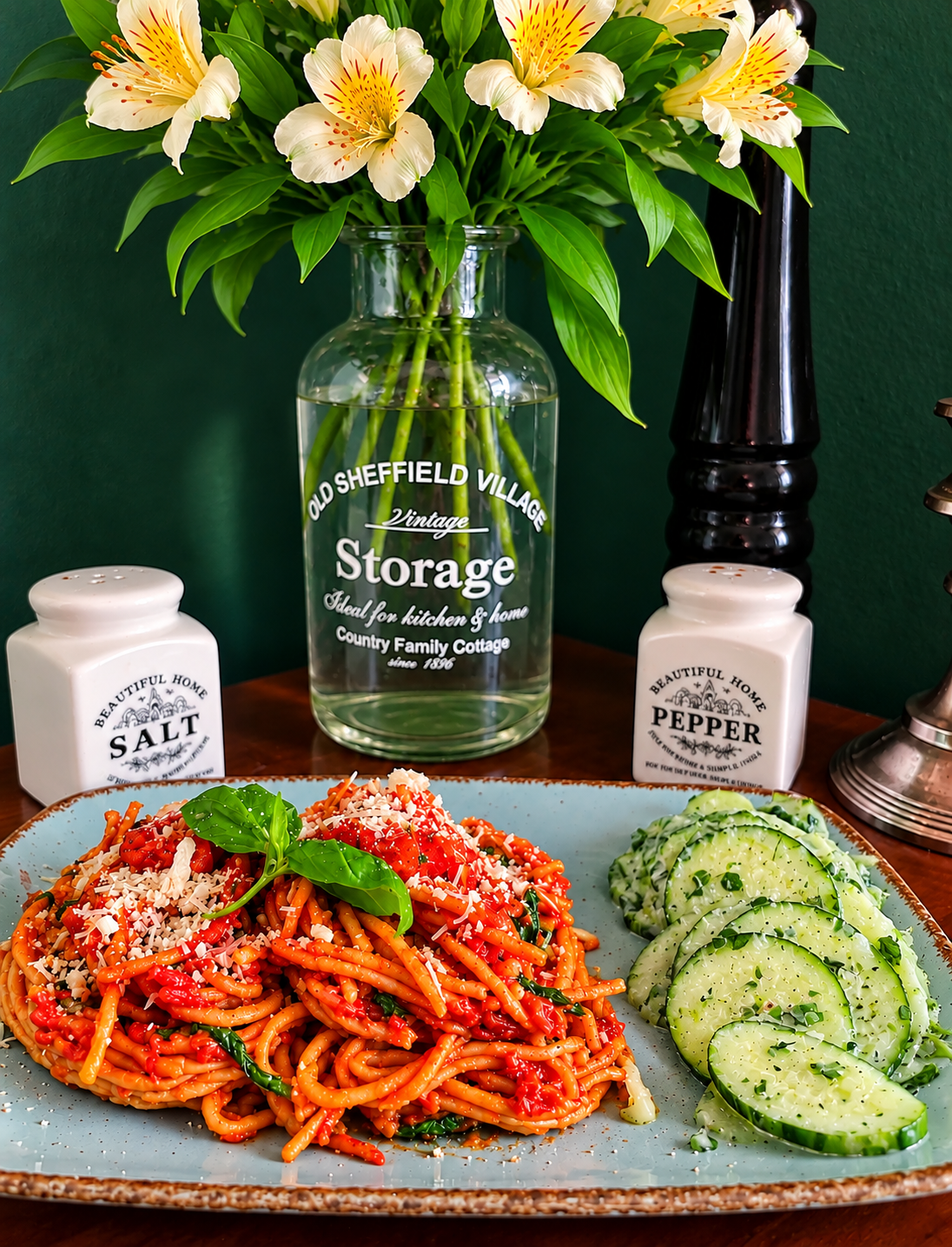
What Are Spaghetti all’Assassina?
Spaghetti all’Assassina, meaning “Assassin’s Spaghetti,” originated in Bari and became known for a cooking technique that breaks the usual pasta rules. Instead of boiling spaghetti separately, the dry pasta is toasted directly in a hot frying pan with tomato sauce, garlic and chili. Hot tomato broth is gradually added and allowed to evaporate, creating deeply concentrated flavors and characteristic crispy, lightly charred patches. The traditional basic recipe is naturally vegan, making it a perfect addition to Via Veggie Vegan.
From my kitchen to your plate.
Israel – A Crossroads of Culinary Traditions
Located on the eastern Mediterranean, Israel has a diverse food culture shaped by Jewish communities from around the world and the culinary traditions of the wider Middle East. Markets, bakeries and street-food stalls offer fresh vegetable salads, aromatic flatbreads, hummus, tahini and falafel. Tel Aviv is particularly known for its lively food scene, where regional traditions and contemporary cooking meet.
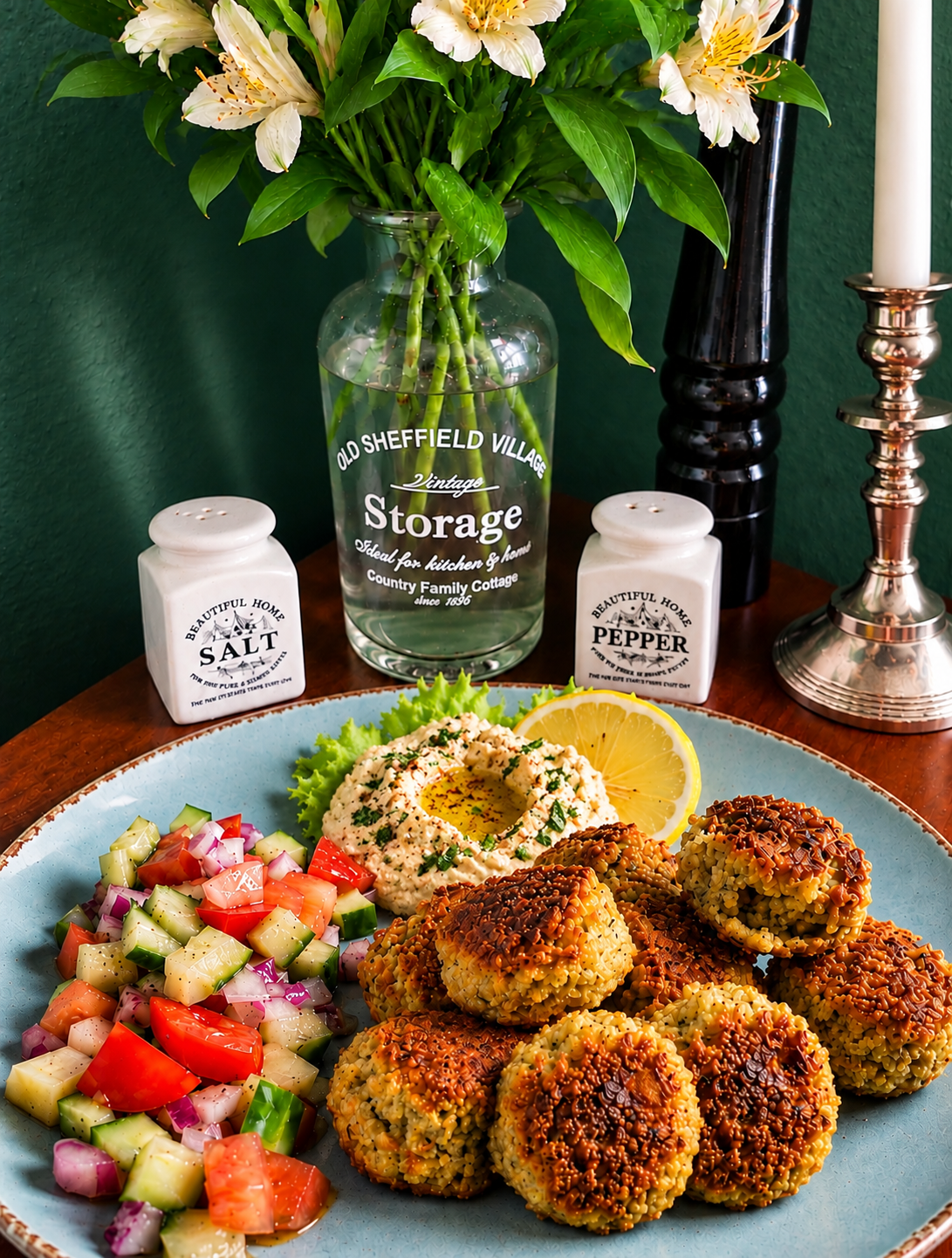
What Are Falafel with Hummus and Israeli Salad?
Falafel are crispy fried balls or patties made from soaked chickpeas, fava beans or both, seasoned with herbs and spices. Their origins are often associated with Egypt, and they have become popular throughout the Middle East, including Palestinian and Israeli cuisine. Served with creamy hummus and a finely chopped tomato-cucumber salad, they create a satisfying combination of textures and flavors. This naturally vegan version celebrates a classic Middle Eastern combination with plenty of garlic, cumin and coriander.
From my kitchen to your plate.
Iran – A Land of Poetry, History and Persian Flavours
Iran, historically known as Persia, has one of the world's oldest and most fascinating culinary traditions. Persian cuisine celebrates fresh herbs, fragrant spices, seasonal vegetables and a delicate balance of sweet and sour flavors. From bustling bazaars to traditional family kitchens, food is deeply connected to hospitality, culture and centuries of history.
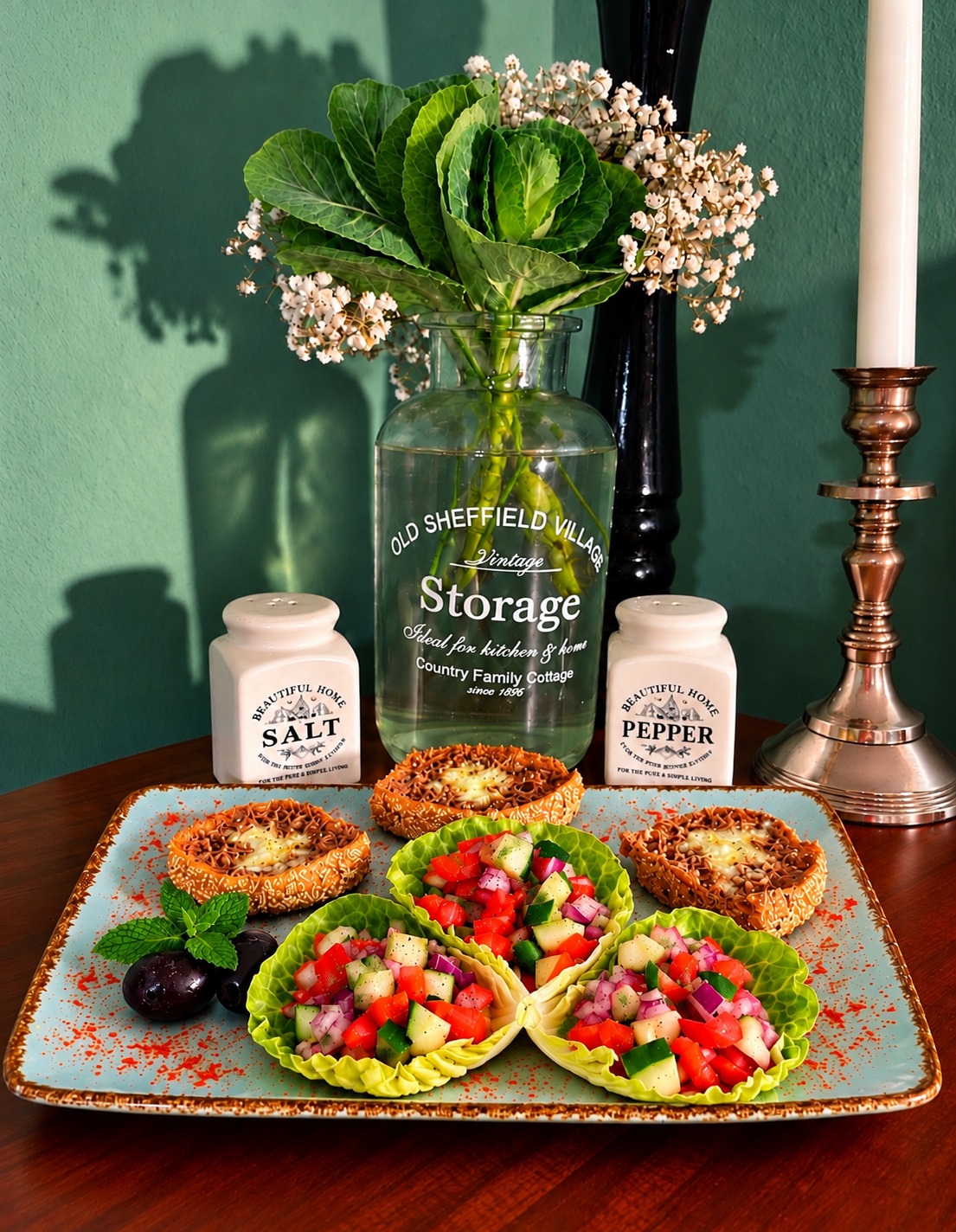
What Is Salad-e Shirazi?
Salad-e Shirazi takes its name from Shiraz, a historic city in southern Iran famous for its poetry, gardens and cultural heritage. This refreshing Persian salad traditionally combines finely diced cucumber, tomatoes and onion with dried mint and a tangy dressing made with ab-ghooreh, the juice of unripe grapes. My version uses fresh lime juice instead, with garlic, sumac and harissa for an extra kick. Served in crisp romaine lettuce boats, it becomes a colorful little dish that's naturally vegan.
From my kitchen to your plate.
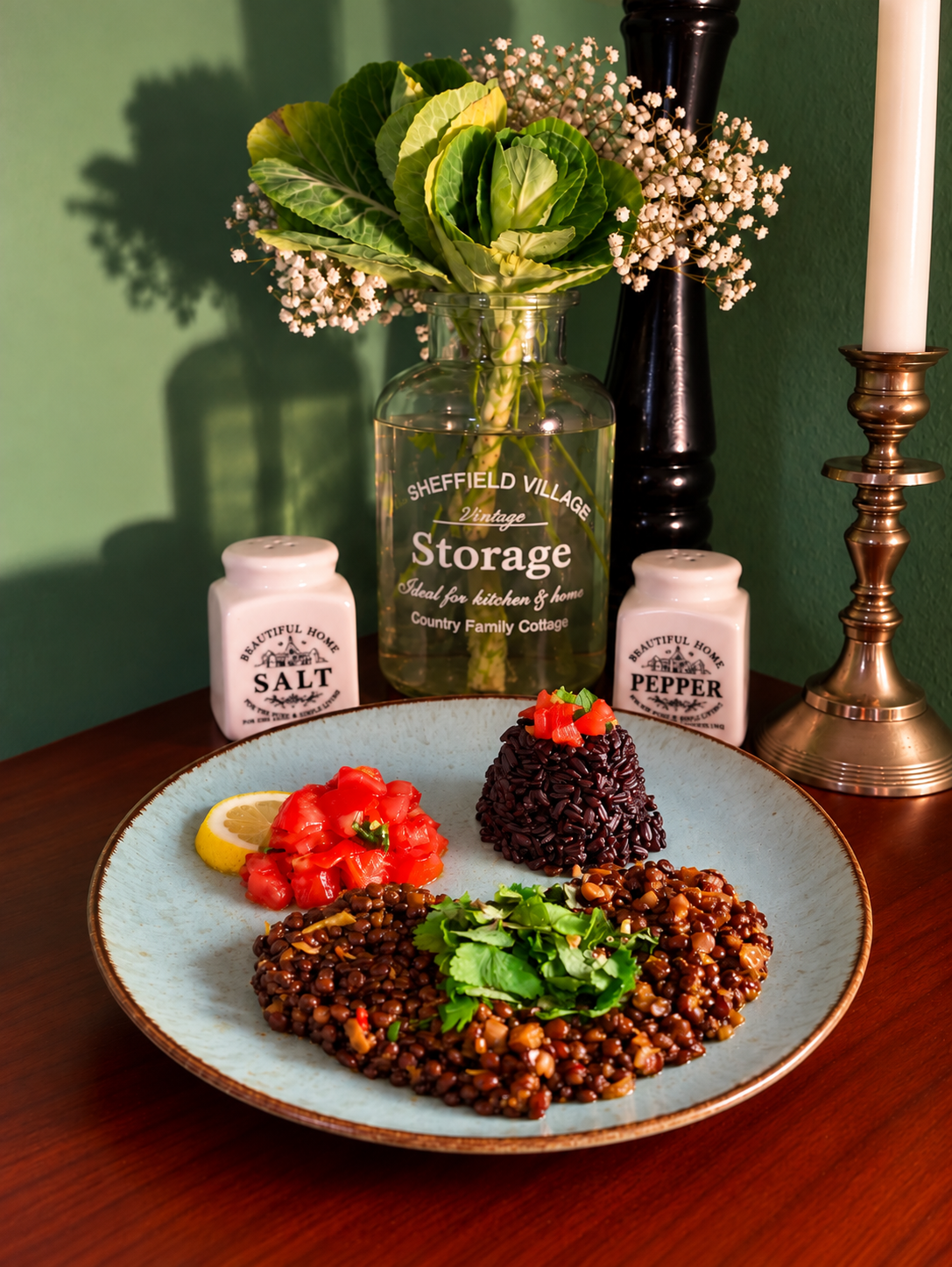
India – A Country of Extraordinary Culinary DiversityIndia is a vast South Asian country with an exceptionally diverse culinary heritage shaped by regional traditions, geography, climate, religion and history. From the fragrant rice dishes of the south to the rich lentil preparations of the north, Indian cuisine offers an extraordinary variety of ingredients, cooking techniques and flavors. Pulses, rice, vegetables, herbs and spices are central to many regional food traditions. Fresh coriander, known as hara dhaniya in Hindi, is widely used in chutneys, curries and vegetable dishes, while dried coriander seeds provide a distinctly different, warm and aromatic flavor. Indian cuisine includes countless naturally plant-based dishes, making it a wonderful source of inspiration for vegan cooking.
Hara Dhaniya Dal – A Fresh Coriander Lentil CurryIn Hindi, hara means green, dhaniya means coriander and dal refers to certain pulses or dishes prepared from them. Hara Dhaniya Dal can therefore be understood as a lentil dish featuring fresh green coriander. This Via Veggie Vegan creation is inspired by Indian ingredients and flavors rather than representing a specific traditional regional recipe. Black Beluga lentils are combined with onion, garlic, cinnamon, bay leaf, garam masala and ground coriander, then coated in a vibrant paste of fresh coriander, green chili, ginger and lemon juice. Served with black rice, the dish brings together earthy lentils, aromatic spices and bright herbal freshness in a colorful, naturally vegan interpretation of Indian-inspired comfort food.
From my kitchen to your plate.
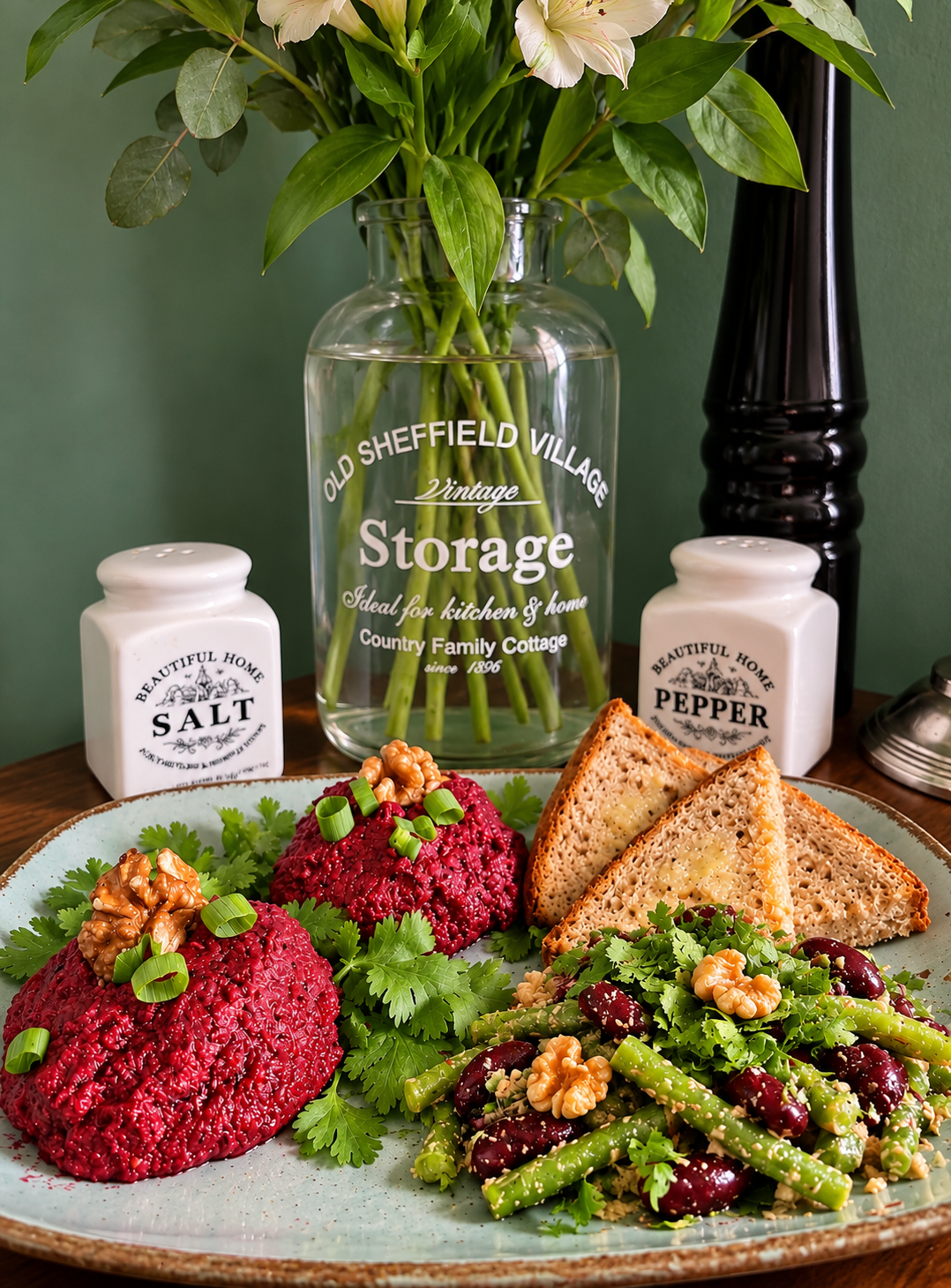
Georgia – Where Europe and Asia MeetGeorgia lies in the Caucasus region, between the Black Sea and the mountains of the Greater Caucasus. Its cuisine is famous for generous hospitality, fresh herbs, walnuts, garlic, aromatic spices and a remarkable variety of vegetable and bean dishes. Traditional Georgian meals often feature several small plates shared around the table, creating a colorful combination of flavors and textures. Walnuts are especially important in Georgian cooking, appearing in sauces, spreads, vegetable dishes and fillings.
Charkhlis Pkhali & Mtsvane Lobio – Two Georgian SpecialtiesCharkhlis Pkhali (ჭარხლის ფხალი) is a beetroot variation of Pkhali, a family of Georgian vegetable dishes prepared with ground walnuts, garlic, herbs and spices. Beetroot Pkhali is commonly made with cooked beetroot, but this Via Veggie Vegan version uses fresh raw beetroot for a firmer texture and particularly earthy flavor. Mtsvane Lobio (მწვანე ლობიო) means green beans and refers to Georgian preparations centered on this vegetable. My interpretation combines green beans with red kidney beans, fresh coriander and a walnut dressing enriched with pomegranate molasses and lemon juice. Served together with toasted bread, the two dishes make a satisfying plant-based meal.
From my kitchen to your plate.
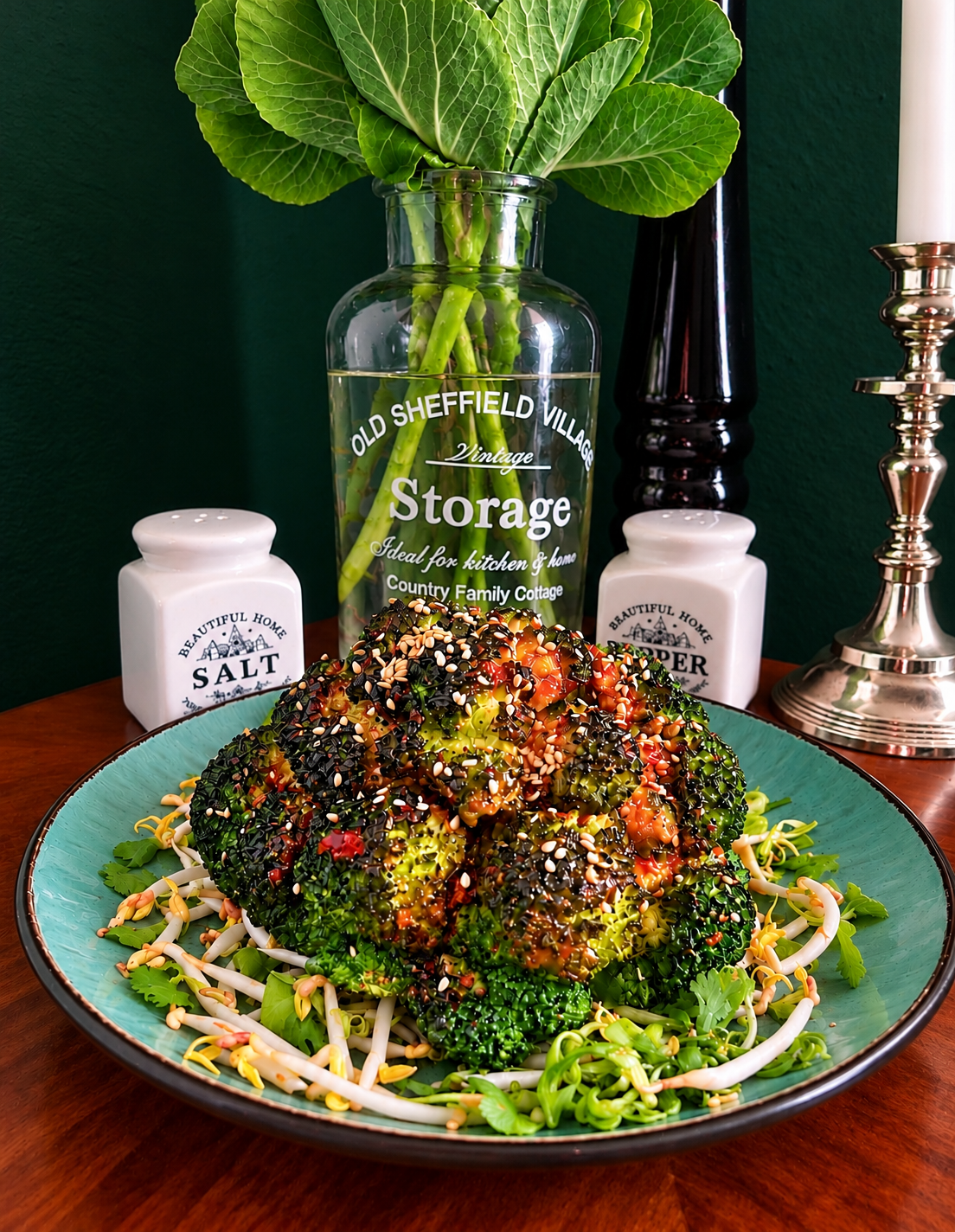
China – A Culinary World of Regional DiversityChina has one of the world's most diverse culinary traditions, shaped by centuries of regional cooking techniques, ingredients and food culture. From delicate Cantonese preparations to the bold, spicy flavors of Sichuan and Hunan, vegetables play an important role in Chinese cuisine. Garlic, ginger, soy sauce and quick stir-frying techniques are especially familiar elements of Chinese home-style cooking.
What Is Suànróng Xīlánhuā?Suànróng Xīlánhuā (蒜蓉西兰花) literally means garlic broccoli. Traditionally, broccoli florets are briefly blanched or stir-fried with generous amounts of fresh garlic, creating a simple, aromatic vegetable dish. My Via Veggie Vegan version takes a different approach: an entire broccoli head is roasted with a glossy garlic-ginger glaze and served with water spinach, mung bean sprouts, sesame and coriander. The inspiration is Chinese; the whole-roasted presentation is my personal twist.
From my kitchen to your plate.
Palava Sauce is a well-known dish in Ghanaian cuisine and part of the wider culinary traditions of West Africa. At its heart are leafy greens cooked in a rich, savory sauce with tomatoes, onions and aromatic seasonings.
In Ghana, Palava Sauce is commonly prepared with kontomire, the leaves of cocoyam. These leafy greens are widely used in Ghanaian cooking and contribute a distinctive flavor and texture to traditional vegetable dishes.
Recipes vary between regions and households. Depending on the preparation, Palava Sauce may contain additional ingredients such as ground seeds, fish or other sources of protein. It is commonly served with a starchy accompaniment that balances the rich vegetable sauce.
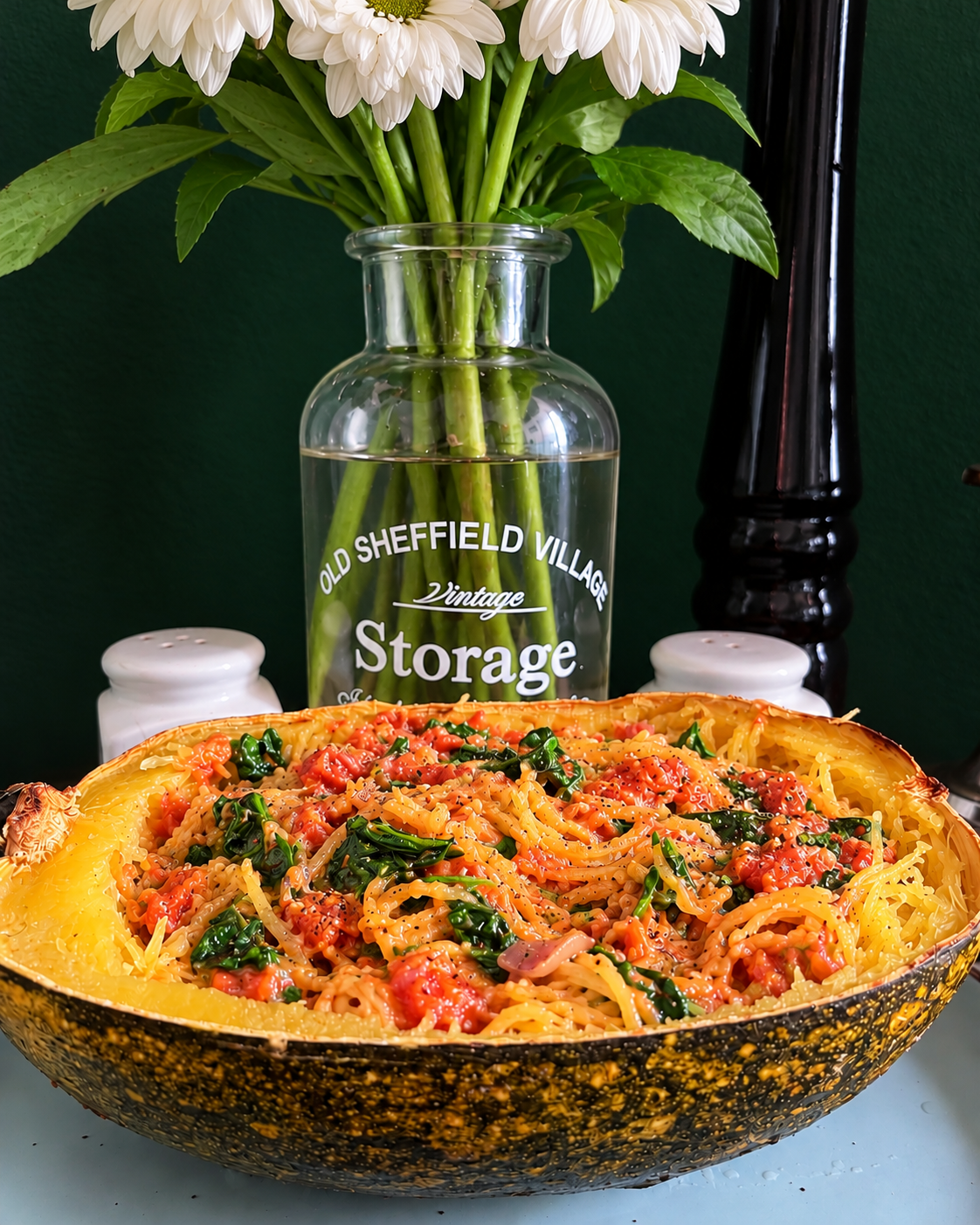
This plant-based version replaces traditional kontomire with fresh spinach, which is more readily available outside West Africa. Tomatoes, onions, garlic, ginger and chili create an aromatic base, while peanut butter adds creaminess and a nutty flavor.
Instead of serving the sauce with a traditional Ghanaian accompaniment, this version pairs it with roasted spaghetti squash. The squash develops tender, golden strands that resemble spaghetti when loosened with a fork.
Served directly inside the roasted squash halves, the dish combines a Ghanaian-inspired spinach sauce with a creative vegetable-based presentation. The mild sweetness of the squash complements the savory, slightly spicy Palava Sauce.
From my kitchen to your plate.
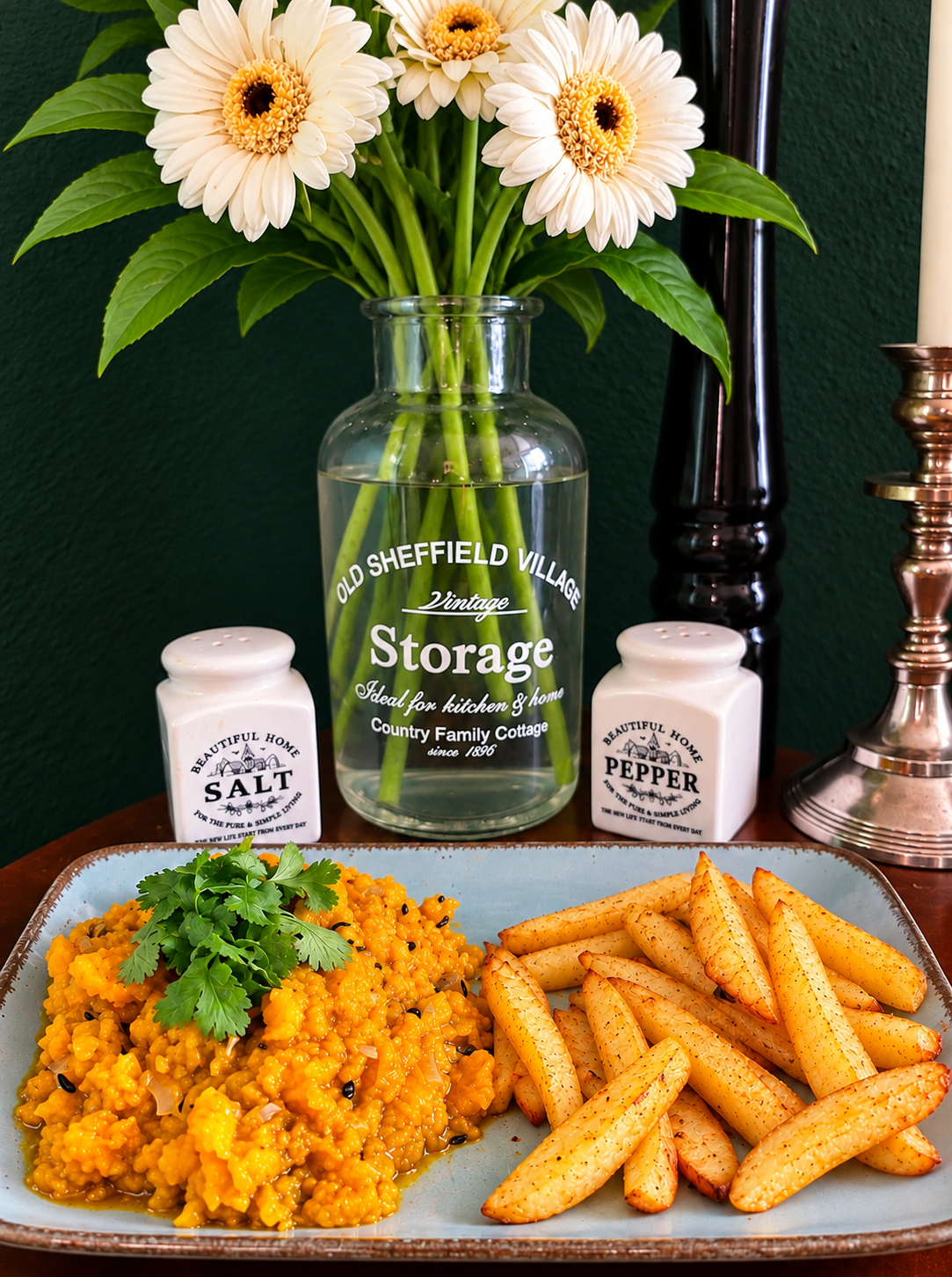
What Is Cari Giraumon?
Cari Giraumon is a pumpkin curry associated with Mauritian home cooking.
The name combines cari, the Mauritian Creole word for curry, with giraumon, a term used for pumpkin or squash.
Mauritian cuisine reflects a rich mixture of culinary influences, particularly from India, Africa, Europe and China.
Curries are an important part of the island's food culture, with recipes varying between families and communities.
What Makes This Pumpkin Curry Different?
Unlike coconut-based curries, this version relies on the natural moisture and starches of the pumpkin.
As the pumpkin cooks, some pieces soften and partially break down.
This naturally thickens the cooking liquid, creating a rich sauce without cream, coconut milk or additional thickeners.
The result is a curry that tastes intensely of pumpkin, supported by garlic, ginger, chili and fragrant herbs.
What Is Giraumon?
Giraumon refers to pumpkin or squash.
Different varieties can be used depending on availability.
A firm, flavorful pumpkin with relatively dense flesh works particularly well.
Butternut squash or other suitable cooking pumpkins can also be used if Sombra pumpkin is unavailable.
Why Use Curry Leaves?
Curry leaves have a distinctive aromatic flavor with citrusy, herbal and slightly nutty notes.
They are commonly used in Indian Ocean cuisines, including Mauritian cooking.
They are not the same as curry powder.
Fresh curry leaves are particularly fragrant, although frozen leaves can also work well.
Why Add Thyme?
Thyme is used in many Mauritian savory dishes.
It adds an earthy, herbal character that complements the sweetness of pumpkin and the warmth of ginger.
Cooking the whole sprig with the curry allows its flavor to infuse the sauce.
Remove the woody stem before serving.
What Is Traditionally Served with Cari Giraumon?
Mauritian curries are often enjoyed with flatbreads such as farata or roti, or with rice.
Farata is a layered Mauritian flatbread related to Indian paratha.
For this Via Veggie Vegan presentation, crispy potato wedges replace the more traditional accompaniment.
From my kitchen to your plate.
Cambodia – The Aromatic World of Khmer CuisineCambodia's culinary heritage is shaped by regional traditions, fresh ingredients and influences from neighbouring Southeast Asian countries. Khmer cuisine is known for its fragrant combinations of lemongrass, galangal, turmeric, garlic and fresh herbs. Cambodian curries often emphasise aromatic flavours and a balance of savoury, sweet and sour notes rather than intense chilli heat.
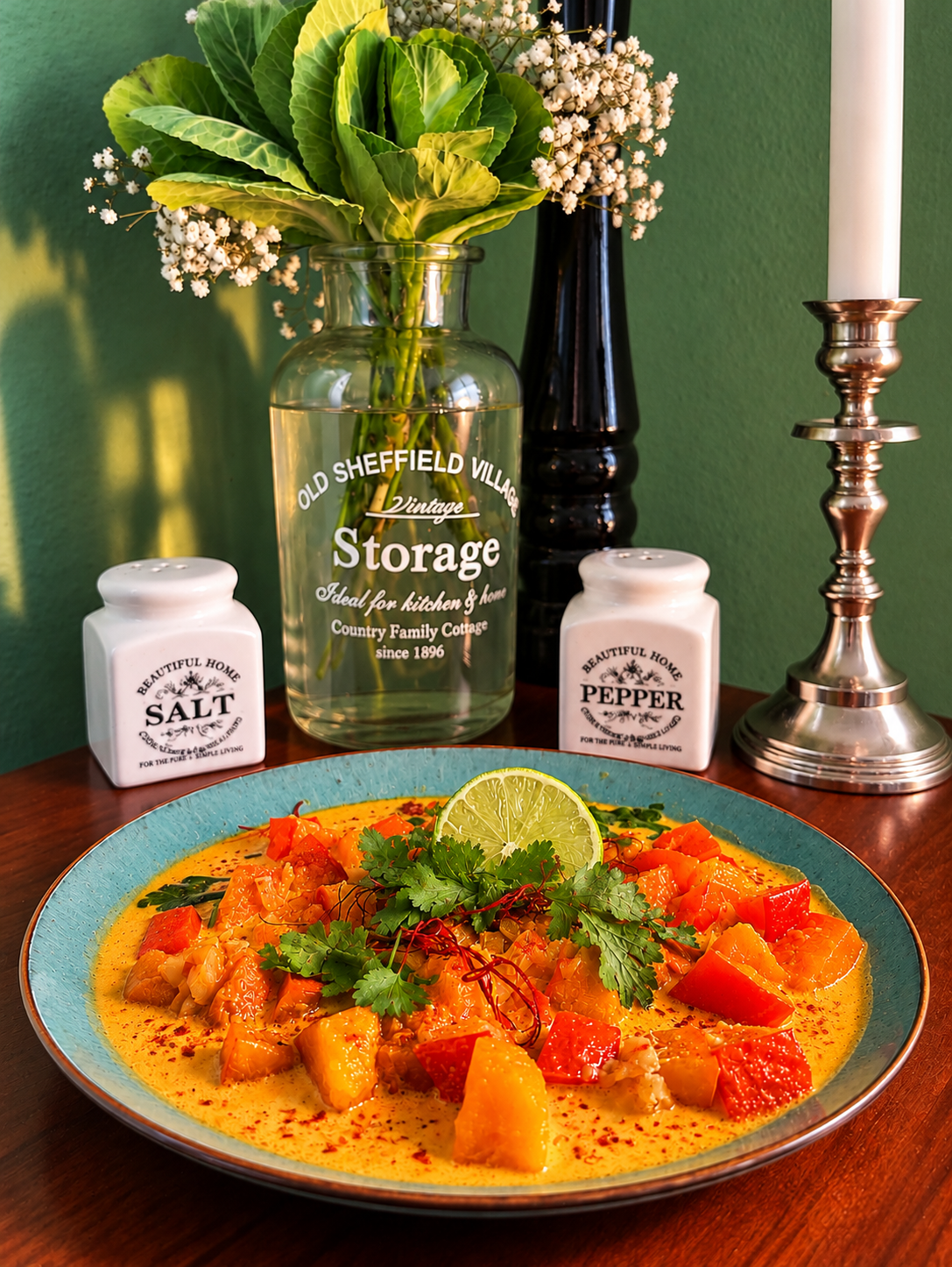
What Is Khmer Pumpkin Curry?Khmer Pumpkin Curry is a Cambodian-inspired dish combining tender pumpkin with fragrant aromatics and creamy coconut milk. My Via Veggie Vegan interpretation uses Hokkaido squash, fresh lemongrass, galangal, ginger, turmeric, garlic, vegan fish sauce and lime. The naturally sweet pumpkin complements the golden coconut sauce beautifully. This is a personal plant-based interpretation of Cambodian curry traditions rather than a reproduction of one specific traditional recipe.
From my kitchen to your plate.
Jerusalem – A Culinary Crossroads of Cultures and TraditionsJerusalem is a city of extraordinary historical, religious and cultural significance, sacred to Judaism, Christianity and Islam. Its culinary heritage reflects the diverse communities and traditions of the region. One of its most distinctive street foods is Ka’ak Al-Quds, an elongated, sesame-coated bread especially associated with Palestinian baking traditions in Jerusalem. Often enjoyed with aromatic za’atar and olive oil, this freshly baked bread represents the simple pleasures of Levantine food culture.
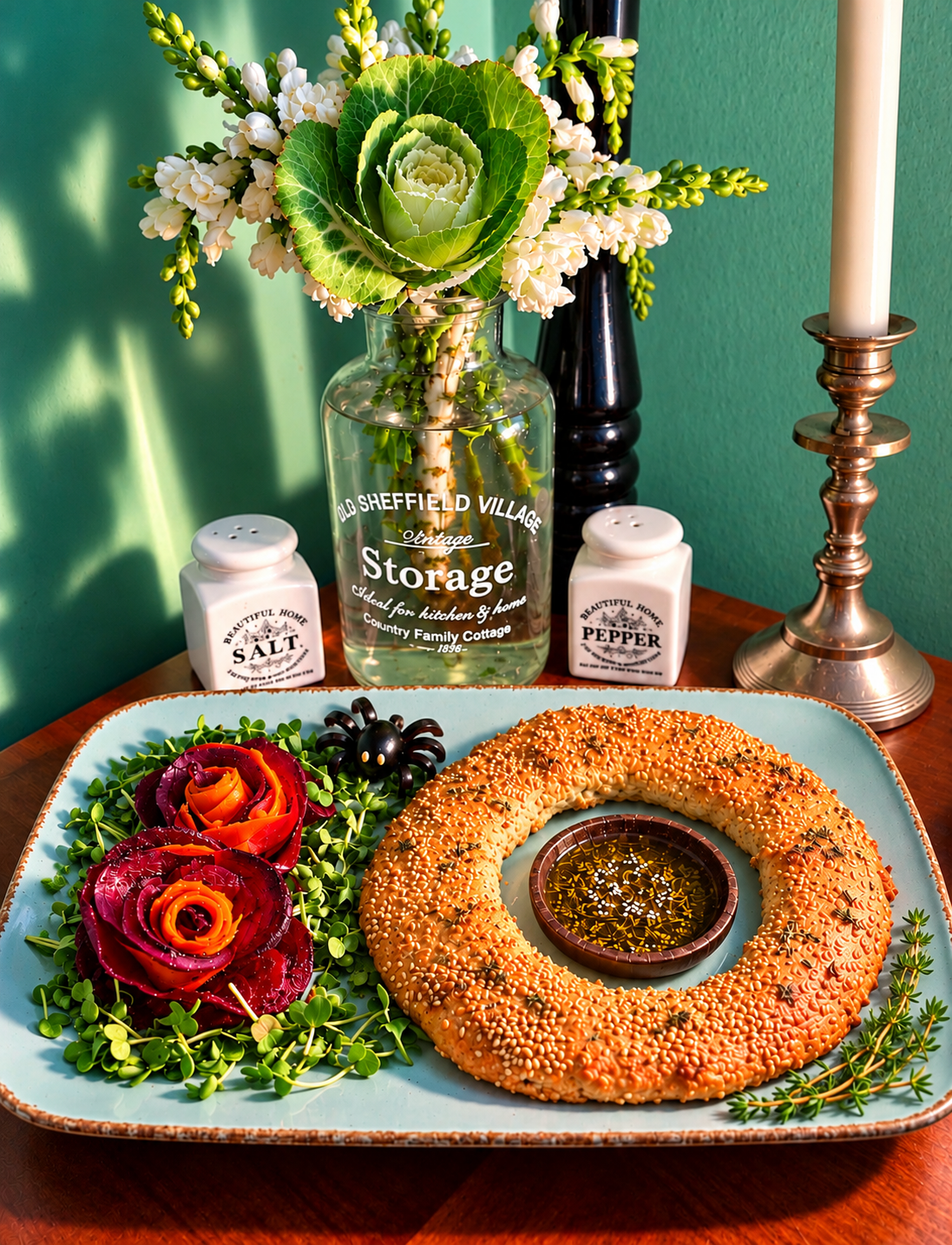
What Is Jericho Rose Bagel & Za’atar Ka’ak?This Via Veggie Vegan breakfast combines traditional Jerusalem-style sesame bread, known as Ka’ak Al-Quds, with homemade za’atar, extra virgin olive oil and creamy vegan cashew cream cheese. Unlike American bagels, Jerusalem bagels are shaped into elongated ovals and baked without boiling, creating a soft interior and lightly crisp crust. Delicate beetroot and carrot roses add a creative finishing touch inspired by the Rose of Jericho, a symbol of resilience and renewal. These vegetable roses are a personal interpretation rather than a traditional Jerusalem accompaniment, bringing together culinary heritage, botanical inspiration and colorful plant-based creativity.
